#80: Native Plants and Conference Updates 
New Variegated Native Plant Selections for Landscapes: Variegated Naupaka and Oahu Sedge
By: Orville C. Baldos
Naupaka kahakai (Scaevola taccada) and Oahu sedge (Carex wahuensis subsp. wahuensis) are two of the most commonly used native Hawaiian plants in landscaping. Naupaka kahakai is a popular species typically used as a hedge in both coastal and inland settings. Once established, this plant is tolerant to salt, heat, wind, and drought [1]. Oahu sedge, on the other hand, is often used as a groundcover in both full sun and shaded conditions. Like naupaka kahakai, it is also drought tolerant once established and it can withstand moist conditions, wind, and some salt spray [2].
In terms of aesthetics, both plants contribute to the landscape design by providing form through their growth patterns, and texture through their distinct leaf shapes. Recently, variegated forms of both plants have been discovered, adding more choices for color and contrast. These variegated selections are slowly becoming available and could encourage people to incorporate more native plants into their landscapes.
Variegated naupaka kahakai
Two variegated selections of naupaka kahakai have been discovered recently: one on the island of Kauai and the other on the island of Hawaii. The Kauai selection does not have a specific cultivar name, while the Hawaii island selection is known as ‘Fukupaka’. Both selections feature leaves with cream to light yellow edges and splotches of light green on the middle of the leaf, creating visual contrast that make the plant stand out in the landscape. Unlike the typical upright and vigorous growth of non-variegated naupaka kahakai, these variegated selections spread horizontally and grow more slowly. If left unpruned, plants tend to mound and grow up to 3.5 feet high in 1 to 2 years. This growth habit makes them ideal for use as a low hedge or ground cover.
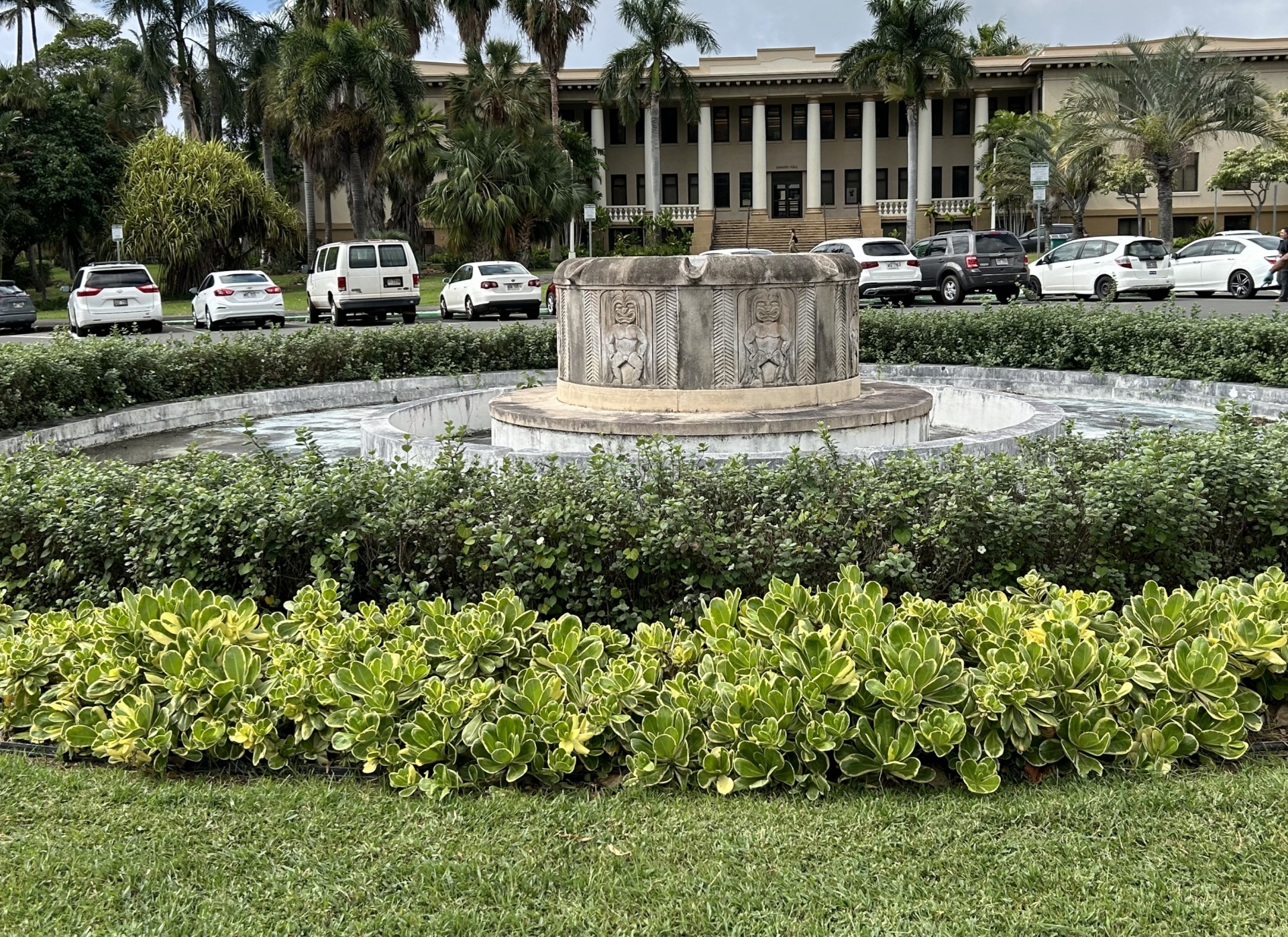
Figure 1. The Kauai selection of variegated naupaka kahakai is maintained as a low hedge at the UH Manoa Campus. Photo by Orville Baldos.
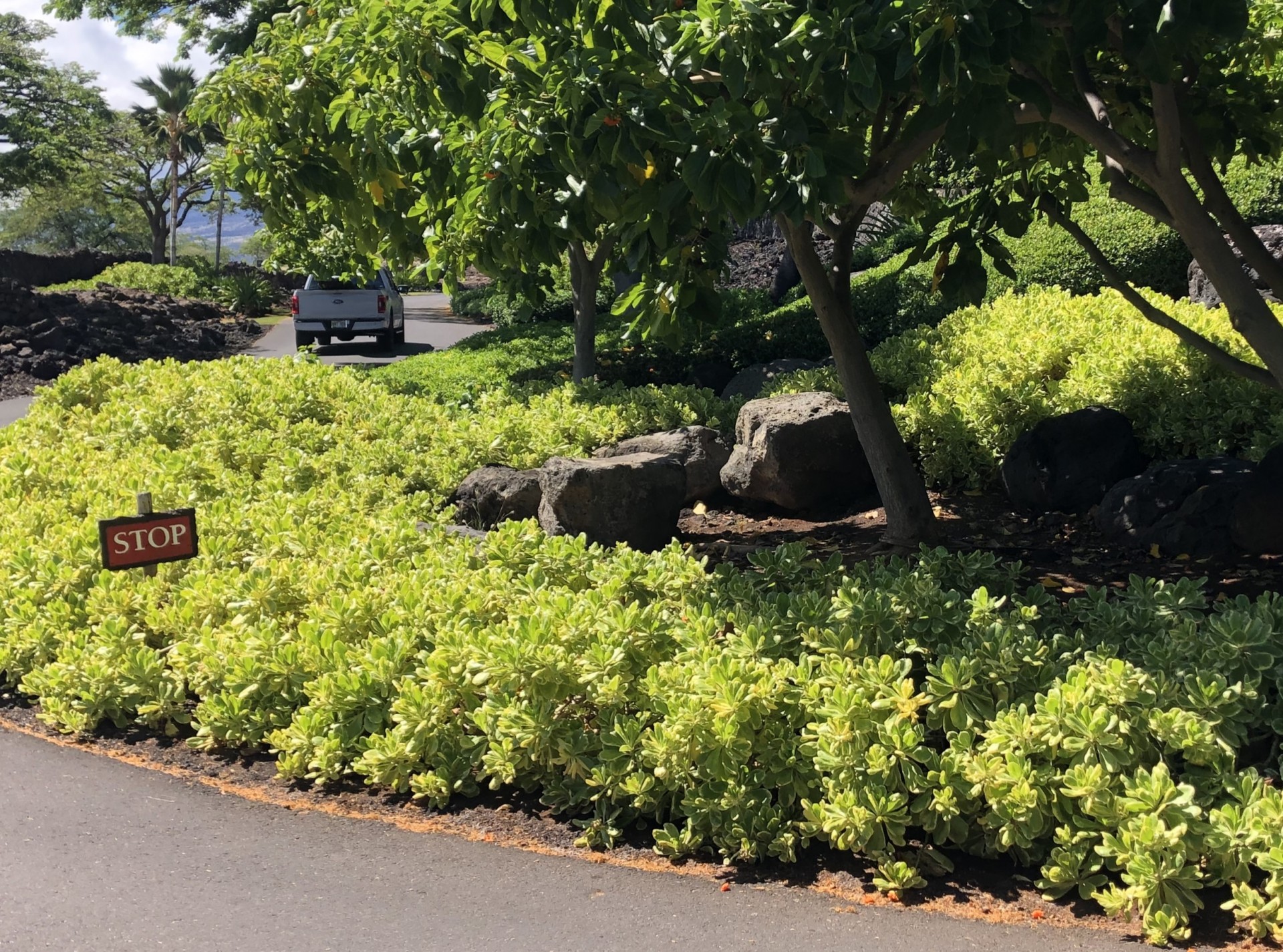
Figure 2. ‘Fukupaka’, a Hawaii selection of variegated naupaka kahakai maintained as a low hedge at a resort in Kona. Photo by Orville Baldos.
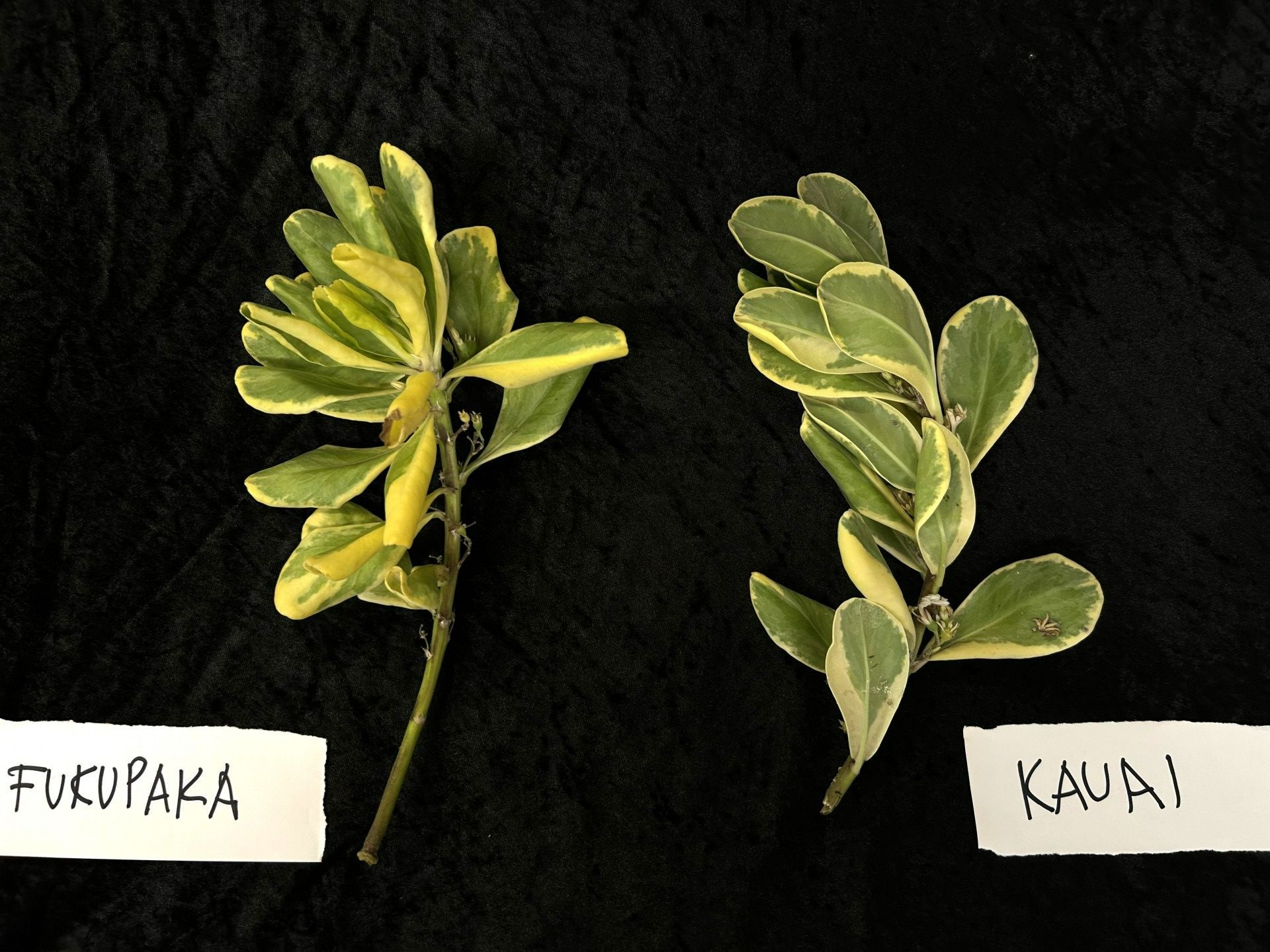
Figure 3. Close-up photo comparing the stems of ‘Fukupaka’ and the Kauai selection of variegated naupaka kahakai. Photo by Orville Baldos.
Propagation of variegated naupaka kahakai is relatively easy using stem or apical tip cuttings. Apical tip cuttings, at least 0.4 inches long can be rooted under mist conditions. To prepare the cuttings, harvest stem or apical pieces with clean, sterilized pruning shears. Remove the lower half of the leaves to expose the stem. Our studies have shown that applying rooting hormone (indole-3-butyric acid) at 5,000 ppm significantly improves root area, root length, and root volume of cuttings. After rooting hormone treatment, plant the cuttings in pots filled with a 1:1 by volume mix of perlite and vermiculite. Place the pots under a mist bench to prevent the cuttings from drying out. Allow cuttings to root for 30 days before potting in regular media. Place newly potted plants under shade for 1 week before moving them to full sun conditions.
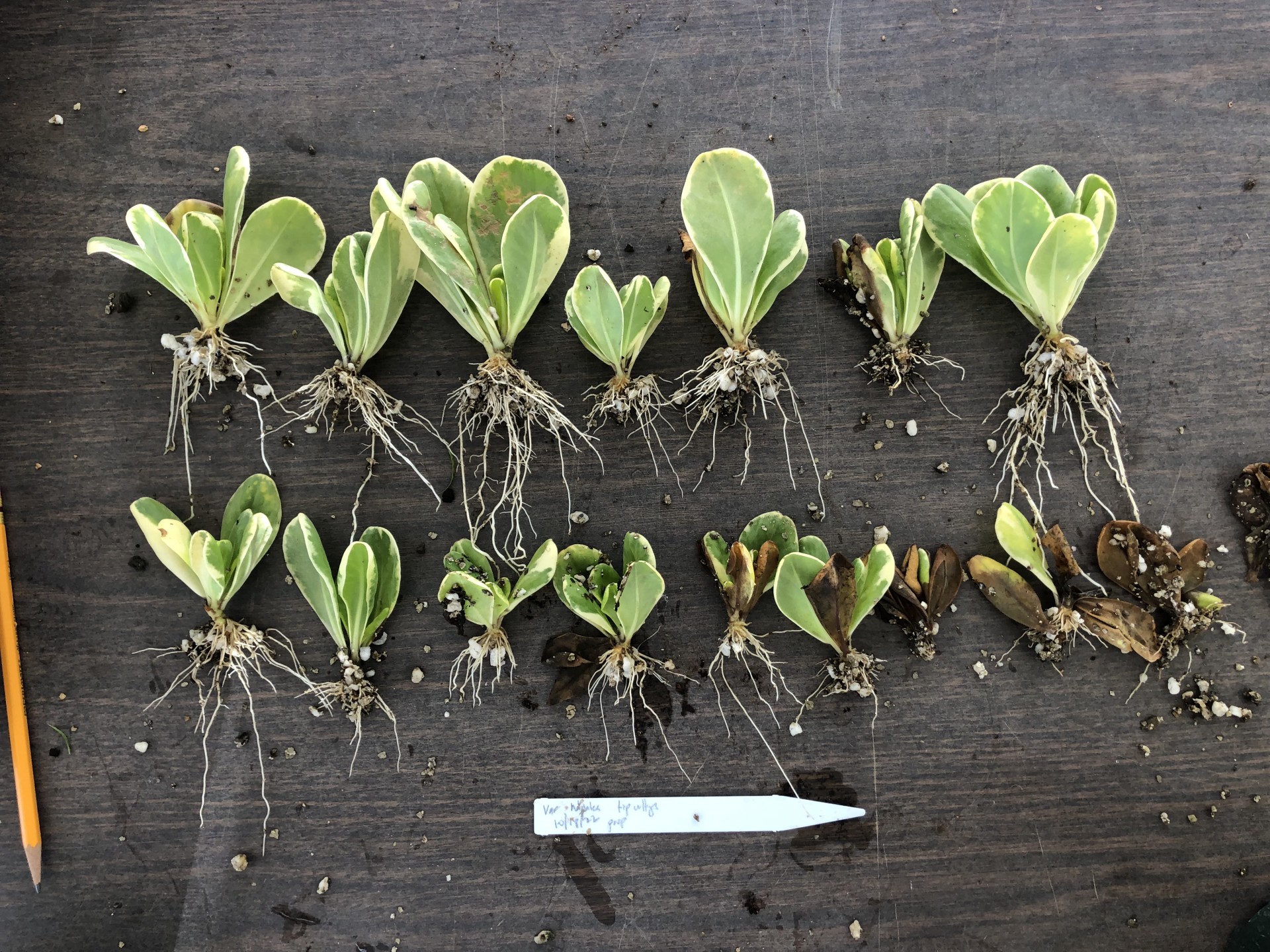
Figure 4. Rooting of the Kauai selection of variegated naupaka kahakai using apical tip cuttings treated with rooting hormone. Profuse rooting was observed about 1 month after placing the treated cuttings under mist. Photo by Orville Baldos.
Variegated Oahu sedge
Oahu sedge also has a variegated selection recently discovered in cultivation on the island of Oahu. This selection has no specific cultivar name. Leaves of this selection have cream to white stripes along leaf edges, with some streaks extending to the inner portions of the leaf. This selection looks like a larger version of variegated mondo grass (Ophiopogon jaburan cv. Vittatus), offering a native alternative for similar landscape applications. Variegated Oahu sedge grows as large as the non-variegated type. To highlight its form at maturity, a planting distance of 3 feet is recommended. To showcase its cascading foliage, it can also be planted in large containers or elevated planters.
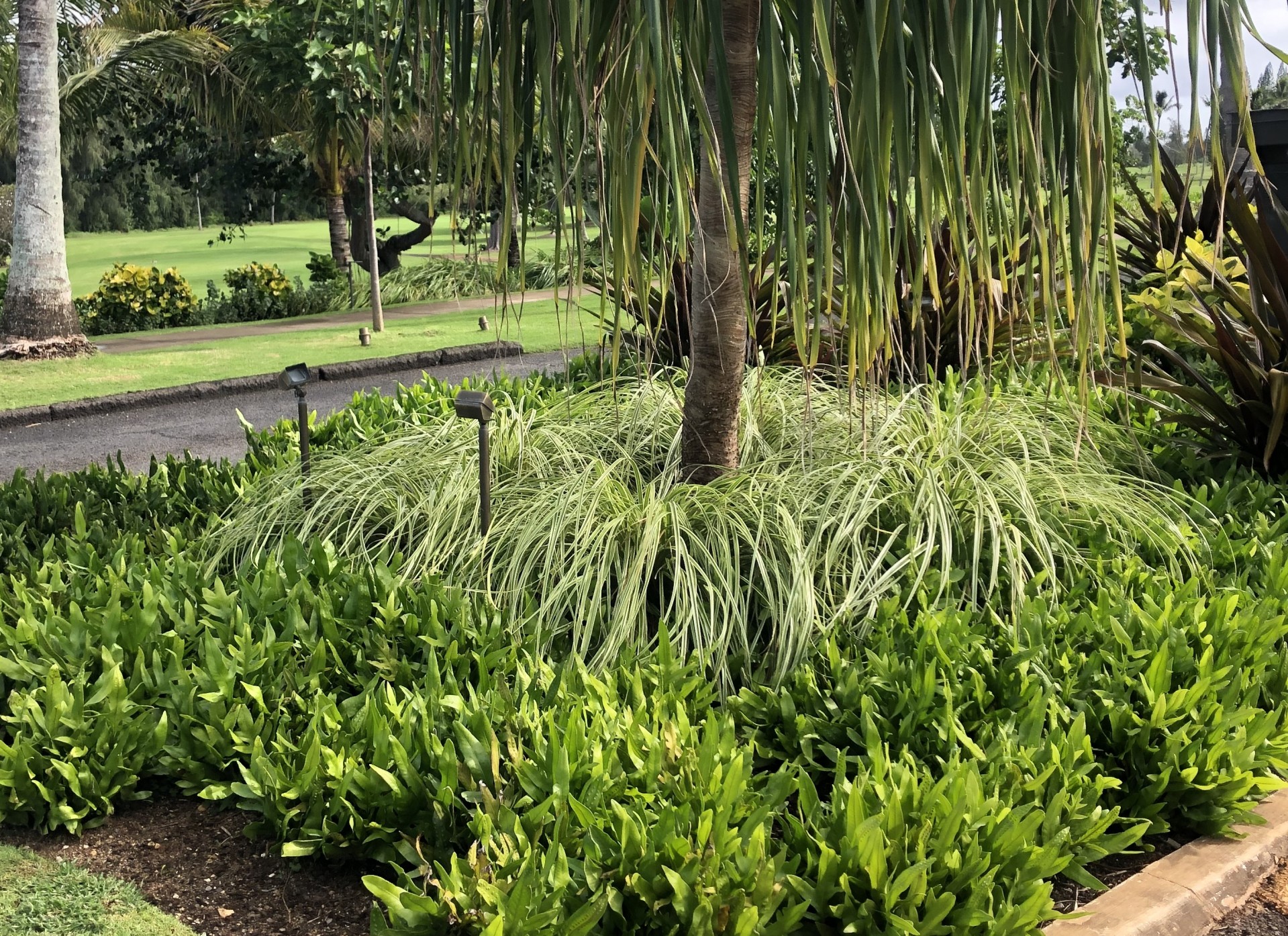
Figure 5. Variegated Oahu sedge grown as a groundcover at a resort in Kahuku. Photo by Orville Baldos.
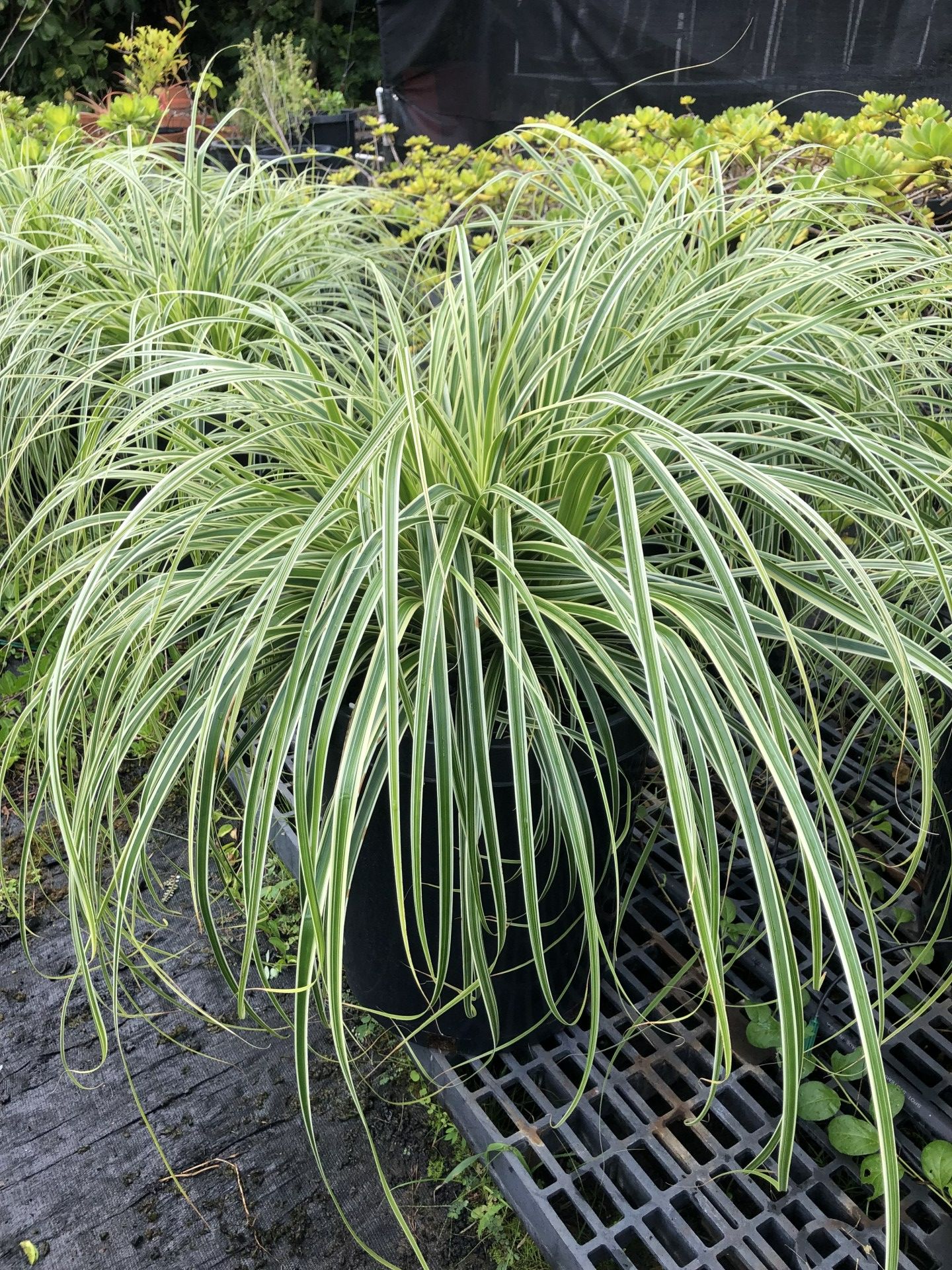
Figure 6. Variegated Oahu sedge grown in a 15-gallon pot. Photo by Orville Baldos.
Propagating variegated Oahu sedge is primarily done by division of clumps. However, it requires extra care as it is sensitive to drying out. Shaded conditions and high humidity are essential for successful propagation. Due to these, variegated Oahu sedge is not yet widely available. Currently, our lab is working on refining single plant division protocols and exploring micropropagation techniques to increase propagation efficiency. We’ll keep you posted on any new developments.
References:
-
Elliot, D.D., MacDonald, A. & P. Gross. 2009. Scaevola taccada. Native Plants Hawai‘i website. URL: http://nativeplants.hawaii.edu/plant/view/Scaevola_sericea/. Accessed August 15, 2024.
-
Elliot, D.D., MacDonald, A. & P. Gross. 2009. Carex wahuensis subsp. wahuensis. Native Plants Hawai‘i website. URL: http://nativeplants.hawaii.edu/plant/view/Carex_wahuensis_wahuensis/. Accessed August 15, 2024.
Orville Baldos, Associate Researcher in Sustainable Ornamental Production, Department of Tropical Plant and Soil Sciences, University of Hawaii at Manoa
Mamaki - A new plant for your yard?
By: Jolie Goldenetz Dollar
Are you looking for a new plant for your yard? Are you looking for a plant native to Hawaiʻi? Are you looking for a plant that can provide multiple benefits to you, wildlife, and the environment inside and around your yard? Are you looking for a plant with distinction? Are you possibly looking for a bit of a challenge? Then....Māmaki (Pipturus albidus) might be the next plant for you!
There is a relatively small suite of native Hawaiian plants used in managed landscapes these days. Pohinahina plants (Vitex rotundifolia) and kupu kupu ferns (Nephrolepis cordifolia) can dominate the yards for those wanting to use native plants. If you want a more unique plant to add to your yard, then māmaki might be a good choice.
Māmaki is endemic to the Hawaiian islands, meaning it is only found as a native plant in Hawaiʻi and nowhere else in the world. It is a relatively fast-growing species that can take on multiple forms. I have seen it as a sprawling shrub only a few feet high to a 20-foot tree. This species also grows well in a wide range of habitats, from coastal areas to high-elevation, wet forests. Early Hawaiians used māmaki wood to make clubs and kapa beaters, and māmaki leaves are used medicinally in tea. Lastly, the native Kamehameha Butterfly (Vanessa tameamea) uses māmaki leaves as a host plant, meaning that the caterpillars of this butterfly rely on māmaki leaves for food. Therefore, this plant is very important to the environment and the resilience of this endemic wildlife species.
Before you go and purchase a māmaki plant for your yard, I must warn you that this species offers multiple benefits; however, the species tends to be rather finicky and temperamental. I have seen a thriving māmaki shrub wilt in a few hours when a harsh wind picks up. Also, I have seen a māmaki tree bend to the ground, desperate for water if the sun is particularly strong on a hot afternoon. I tried to grow māmaki in my yard in 5 different places with varying amounts of sunlight, moisture, and soil drainage types before we found a winning spot: in my aquaponic system. So, you might need to work with your new potted māmaki plant and try out different places before establishing it in a permanent location. Once you find a suitable place, it is best not to move it.
If this article has piqued your interest and you want more information about this wonderful plant, please refer to Hui Kū Maoli Ola. For more information on the Kameheha Butterfly, please visit the University of Hawaiʻi at Mānoa’s Pulelehua Project.
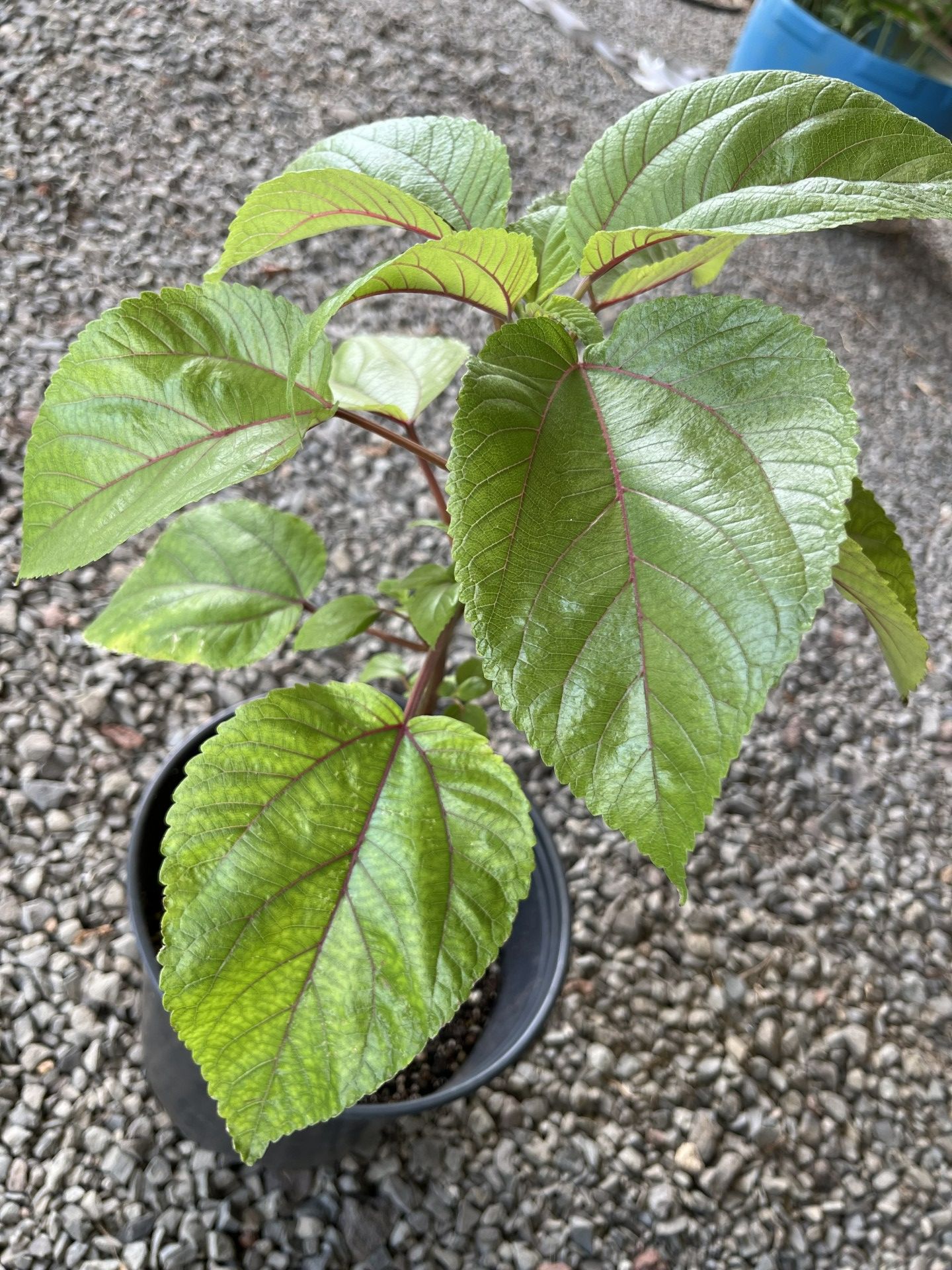
Figure 1. A potted māmaki plant, ready to find a place in your yard.
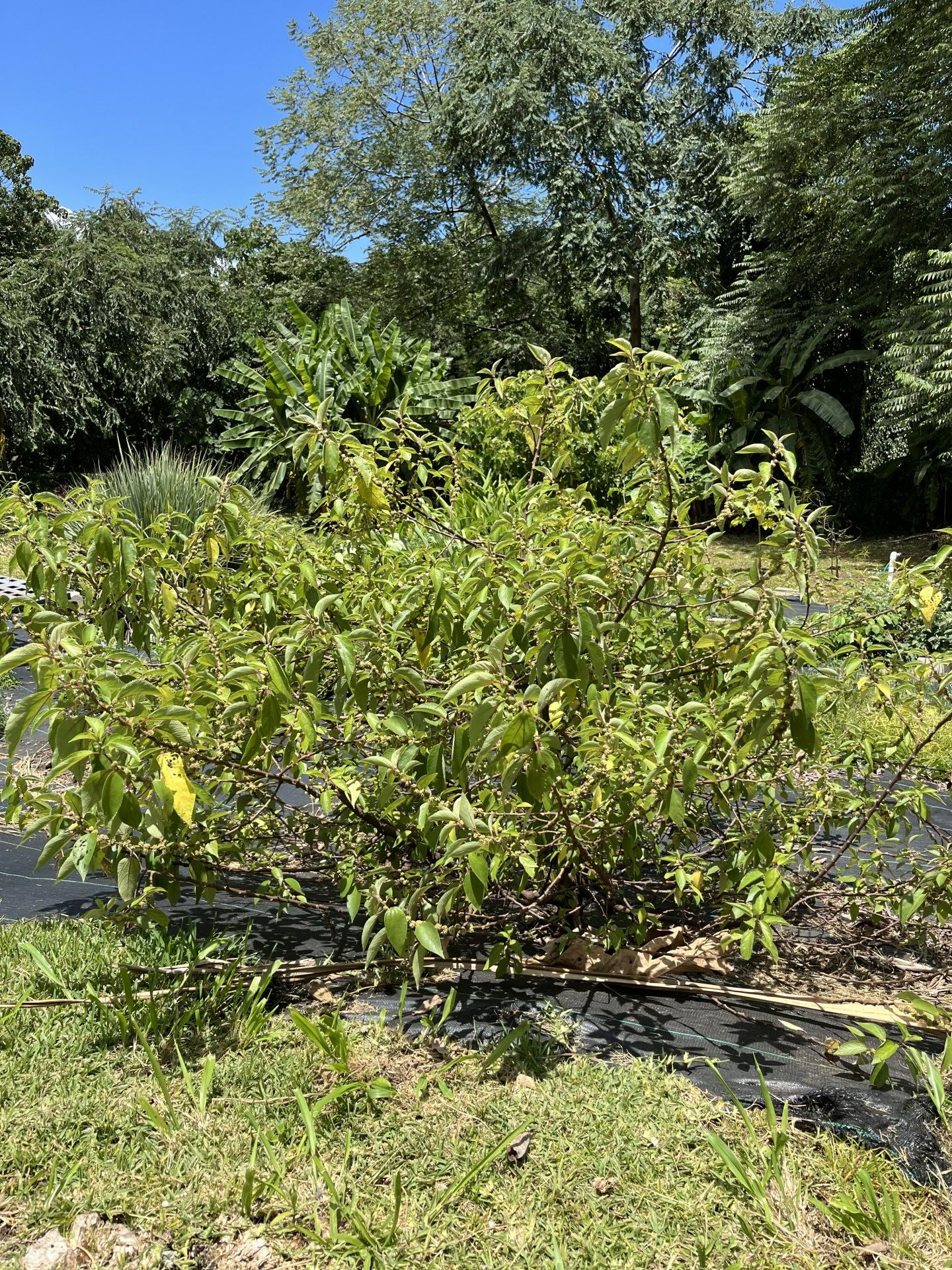
Figure 2. A māmaki shrub growing at the Uluwehi Student Farm at Windward Community College.
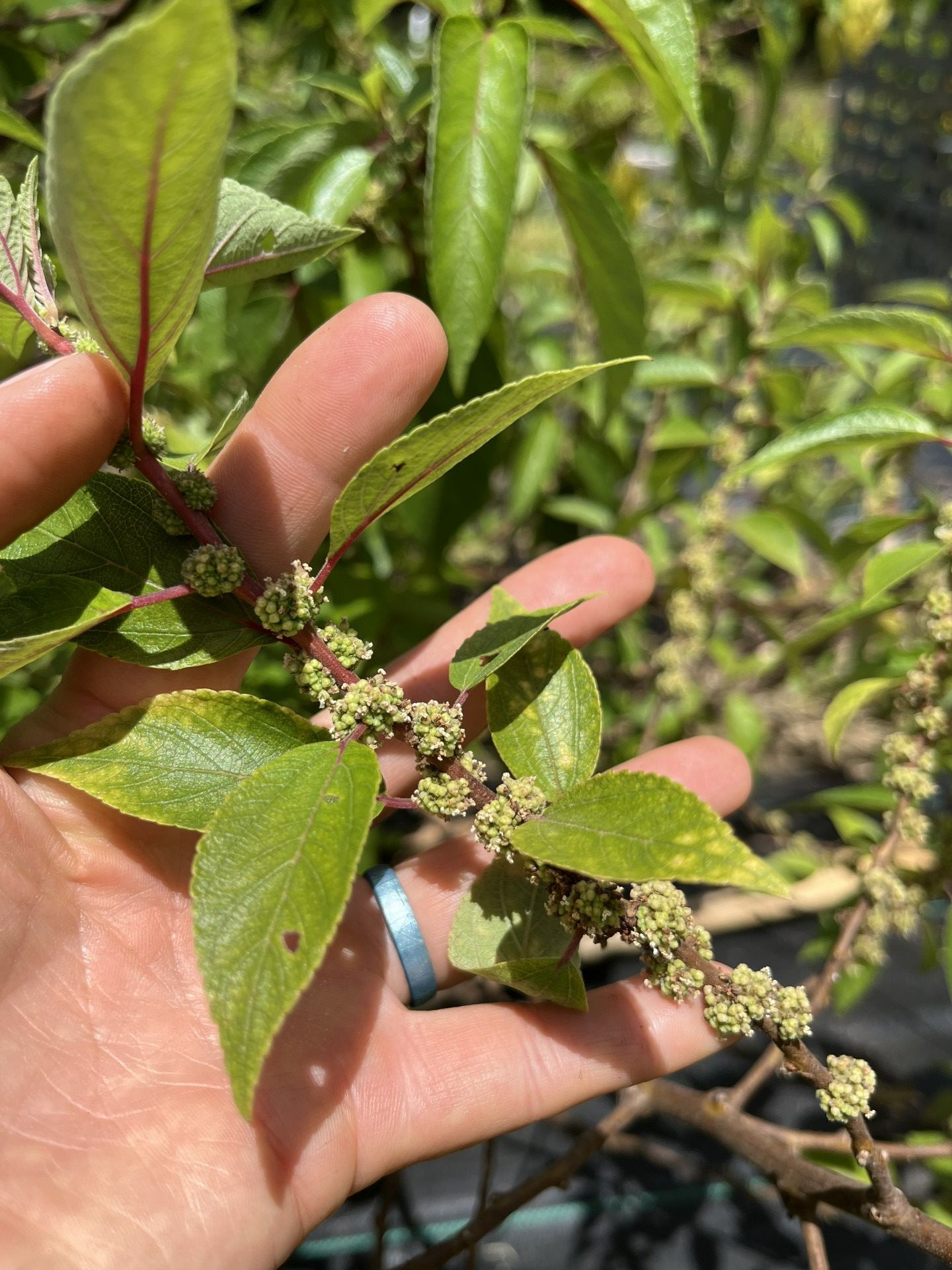
Figure 3. A close-up of māmaki fruits.
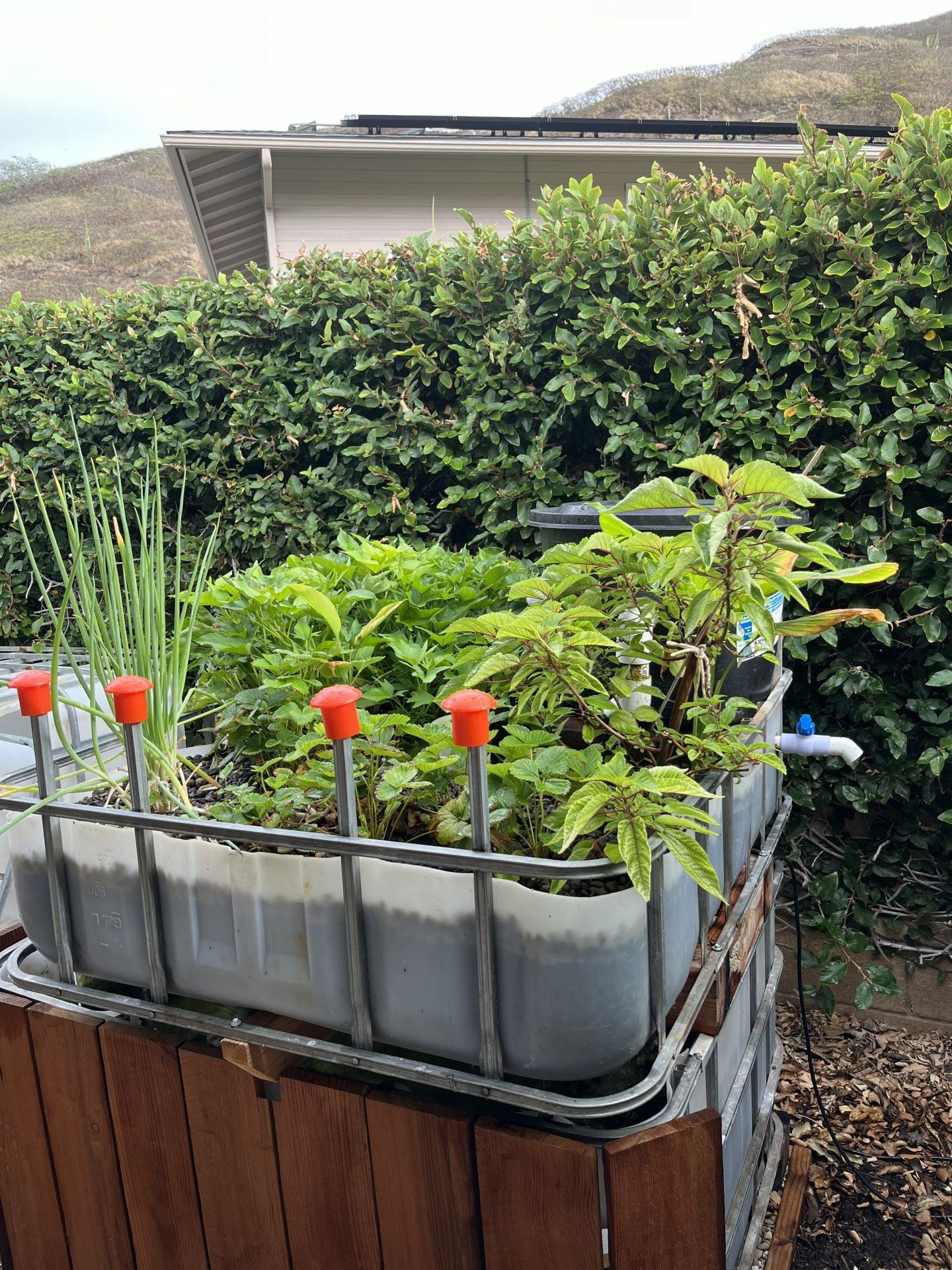
Figure 4. A māmaki plant growing in the author’s home aquaponics system.
Jolie Goldenetz Dollar is the Sustainable Agriculture Instructor at Windward Community College and is a Consulting Arborist. She can be reached at [email protected]
Canoe Plants: Mea kanu (plants, crops) that sustained Hawaiians for 1,500 years
By: Darcy Yogi
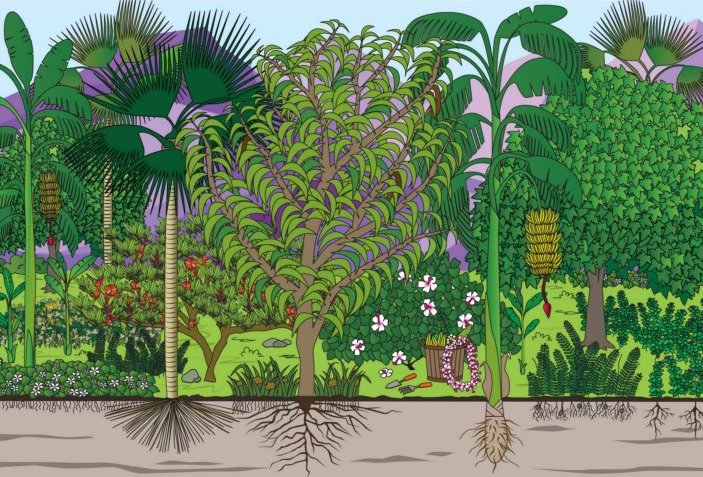
Let’s imagine an ahupuaʻa – a traditional Hawaiian socio-ecological community – back in a time before Western contact. At the higher elevations, we see lush native forest surrounding groves of ʻulu, kukui, and ʻōhiʻa ‘ai. Traditional agroforestry would also allow for the growth of understory plants like ʻolena, pia, ʻawapuhi, ʻawa, and ʻape. In wet areas, cool mountain streams feed into cascading loʻi kalo (flooded agro-ecosystems for taro) and are surrounded by an expansive network of māla (gardens) comprised of ʻuala, maiʻa, kō, uhi, olonā, ‘ohe, and others.
In dry regions where moisture and soils are scarce we see a much wider variety of adaptive agricultural practices. One would commonly see kō, kī, and maiʻa growing on the kuaiwi (stone walls used in dryland systems), while uhi, ʻuala, and kalo grew within the fields. Closer to the coast stand thatched houses with home gardens providing wauke, ipu, and other non-edible plants amongst strands of niu, milo, noni, kamani, and kou.
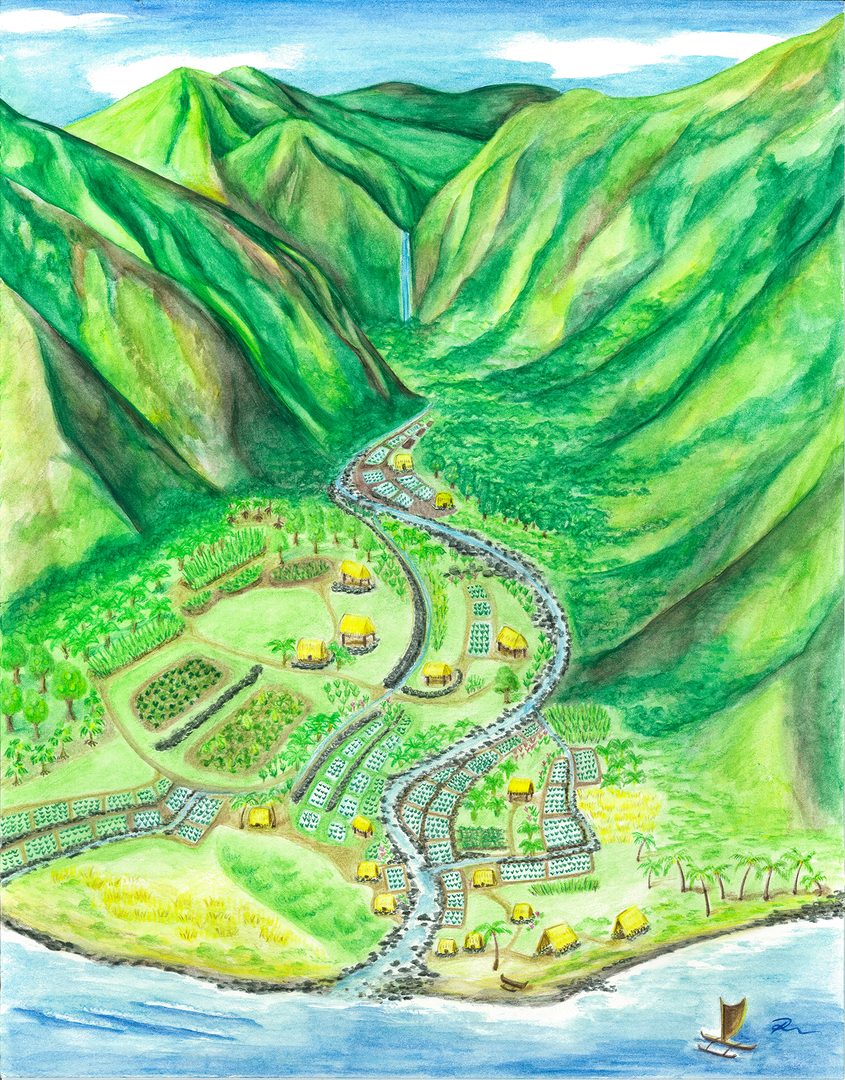
Figure 1. The artwork to the left visualizes the ahupuaʻa of Waiheʻe Valley, Maui by Rina Chavez for the non-profit restoration project Wai Moku.
Although the landscapes within an ahupuaʻa would have varied depending on available resources, the cultivated plants listed above were near constant throughout the islands. Some of these important plants were already here when the first settlers arrived, but most of them were brought across the Pacific by the first people who arrived in these islands around 1,500 years ago. Those voyaging plants are known today as canoe plants. These 23 plants allowed for the development of a prosperous Hawaiian society.
The Hawaiian drug, grocery, building supply, and department stores were literally grown by their community within management systems designed to be sustained in perpetuity. This resulted in an intimate and long-standing relationship between people and plants, especially those chosen by early Polynesian voyagers to make the long journey to Hawaiʻi and sustain a new life in these islands.
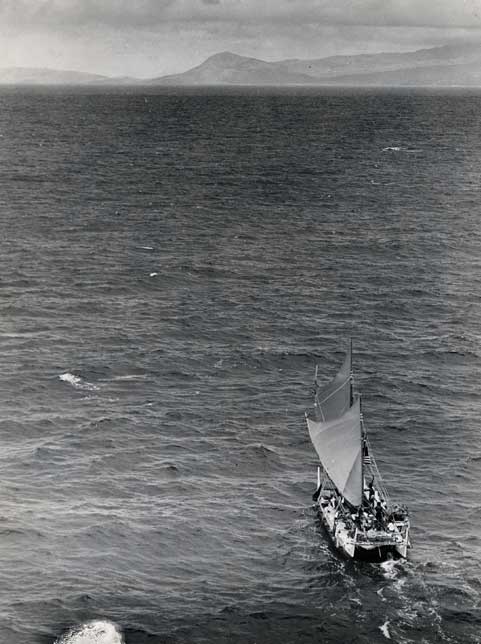
Figure 2. The famous waʻa kaulua or double-hulled canoe Hōkūleʻa returning home from their 1976 voyage to Tahiti. Credit: Star-Bulletin Archives
Introduction pathway: Double-hulled voyaging canoes
Polynesians brought many precious items with them on two-way voyaging journeys to Hawaiʻi: voyages that required generational wisdom, the investment of their communities, and collective perseverance. Polynesians were just one group of Pacific Islanders that intentionally migrated useful plants and animals over thousands of miles upon voyages that could take weeks to years. Although incredibly challenging, the practice of voyaging provided indigenous peoples with another layer of resiliency when living on resource-limited islands.
An important point with canoe plants and voyaging is that these Polynesian introductions took place over a lengthy period of time, as voyages to/from Hawaiʻi were long and risky. Travel by a double-hulled canoe drastically reduced the number of unintended species introductions compared to modern cargo ships, which haul thousands of tons of goods to Hawaiʻi in just a week. Although there were a handful of likely unintentional introductions over the more than 1,000 years of waʻa voyages, the rate of harmful species introductions was insignificant compared to modern rates.
I ola ʻoe, i ola mākou nei.
My life is dependent on yours; your life is dependent on mine.
The plants Polynesians stowed on their double-hulled canoes were carefully cultivated and painstakingly transported as the survival of the crew depended on it. Those onboard required food, cordage, medicine, fabric, containers, and all of life’s necessities once they made landfall. So, canoe plants represented the future sustenance of new societies and allowed for the perpetuation of genealogies and culture. Just like how the early Polynesian settlers became Native Hawaiians, these canoe plants became indigenized through a long history of fostering pilina (relationships) with these plants in the Hawaiʻi space.
Unfortunately, many endemic species in Hawaiʻi were not nutritious enough to farm and sustain communities; therefore, it was critical to develop these traveling gardens that could withstand the salty journey. In areas where marine life was sparse, canoe plants provided the additional food required on the long-distance voyages it would take to reach Hawaiʻi. Therefore, the plants aboard came from resilient lineages, much like the people stewarding the waʻa (canoe), as they both had to survive and adapt from island to island.
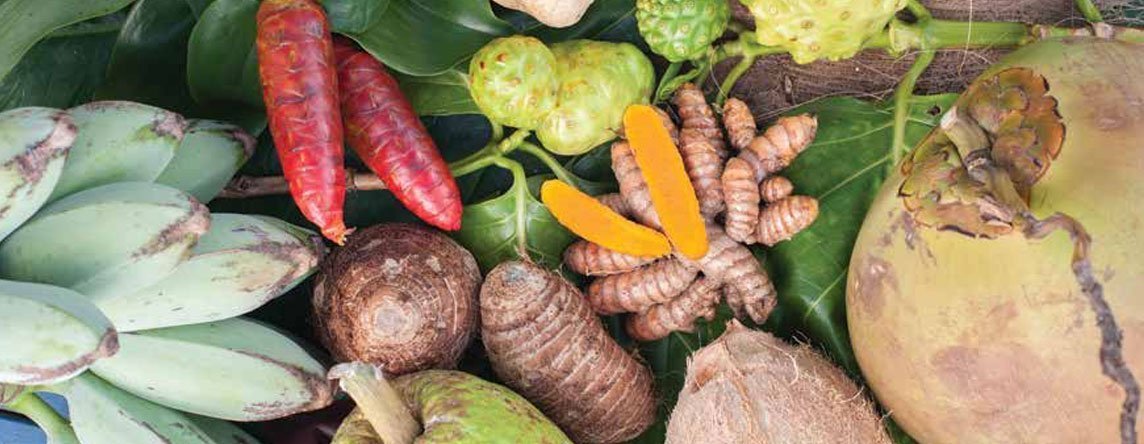
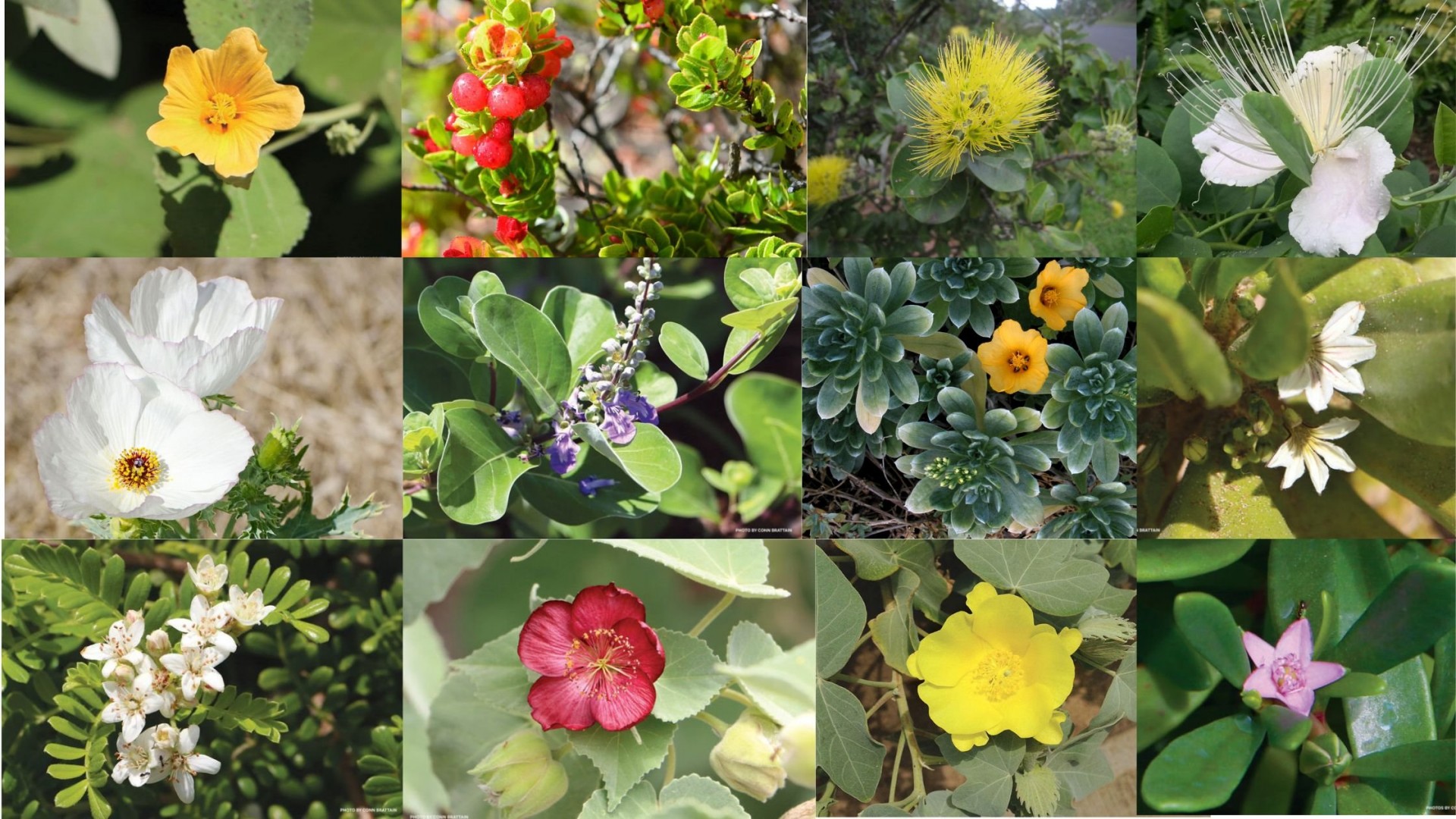
Figure 4. Beautiful, but not very nutritious native plants (Credit: Hawai'i Land Trust)
What is the HPWRA and why do canoe plants not have a score?
Plant Pono designations utilize the Hawaiʻi Pacific Weed Risk Assessment (HPWRA), which is a vetting process for plants that uses published scientific information to answer a set of 49 questions to determine how likely it is that an introduced plant may become an invasive species in Hawaiʻi. Technically, canoe plants were brought to these islands by humans, so they are considered non-native or introduced. But their evaluation is much more nuanced, because these plants have a history of cultivation in Hawaiʻi for nearly two millennia and host deep roots in Hawaiian culture.
Let’s review some definitions (click here)
Most canoe plants actually score relatively safe (score <6) on the HPWRA. For a few canoe plants, namely kukui and noni, older websites (such as Weed Risk Assessments for Hawaii and Pacific Islands and Pacific Island Ecosystems at Risk) may list them as high risk. Although these plants were scored when the HPWRA was first piloted over 20 years ago, many of the older assessments are still useful. Like plumeria, it scored low risk in 2002, and it’s unlikely the assessment will be updated.
In lieu of a HPWRA, we can examine the long history of canoe plants in Hawaiʻi to determine if they actually meet the second part of the invasive species definition: do they cause harm? Hundreds of years of observation indicate that the environmental harm of these species is negligible, especially in light of the unparalleled harm caused by other highly invasive plants like strawberry guava (Psidium cattleianum) and Melastomes (e.g., Miconia, Tibouchina, & Melastoma genera). The main message and goal of the Plant Pono program is to reduce the importation, sale, and cultivation of invasive plants. Most non-native plants are not invasive, so we want to focus our efforts on the really invasive plants!
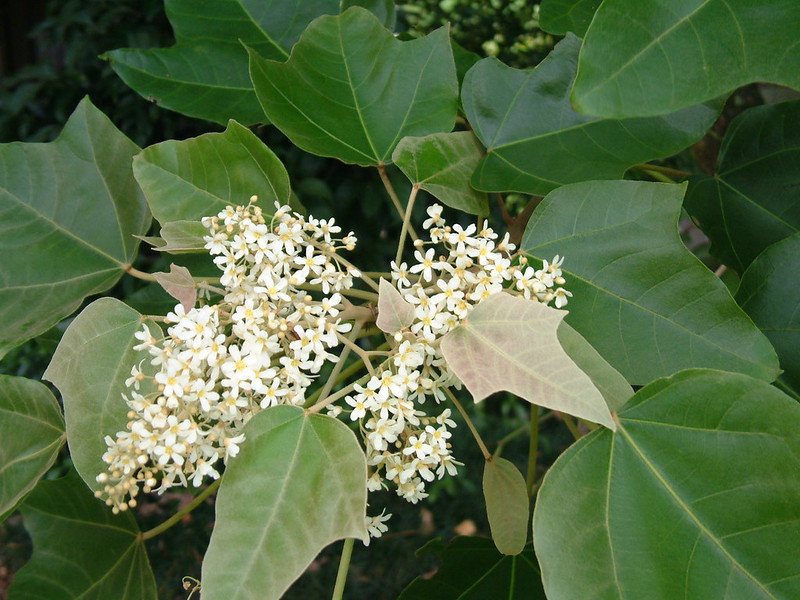
There is also evidence that lengthy domestication of plants can reduce the weediness of a species. For example, kukui (Aleurites moluccana) has been reported to have invasive tendencies. However, there was a wide distribution of kukui present before Western contact, providing invaluable mulch, nutrients, and animal fodder for food production. In risk evaluation, it was noticed that kukui will flourish in disturbed open habitats – which Hawaiʻi tends to have a lot of these days. But that isn’t indicative of a plant that would disrupt Hawaiian ecosystems and cause environmental harm – in fact, it is more indicative of a loss of relationship with the plant and our land as a whole. Kukui has actually been declining by 9% each decade over the last 70 years in natural areas – showing that active cultivation by humans played a key role in the proliferation of this species.
So…are canoe plants pono?
Short answer: YES! It is crucial to expand the use of native and Polynesian-introduced plant species to perpetuate the ethnobotanical and cultural identity of Hawaiʻi Nei. Hawaiʻi State laws encourage the cultivation of canoe plants in landscaping: HRS 103D-408 [Act 233 (2015)], defines “Hawaiian plants” as “any endemic or indigenous plant species growing or living in Hawaiʻi without having been brought to Hawaiʻi by humans; OR any plant species, brought to Hawaiʻi by Polynesians before European contact.”
Canoe plants were a source of community resilience before, and they can be again. We want more people to buy native and canoe plants from growers, so giving all canoe plants a Pono designation will remove any previous doubt about selling or planting these species. Want to find a canoe plant for your yard? Just tick the “canoe plant” box on your next Plant Pono search!
Darcy Yogi
By Filed Under: pono plants
An updated article of a previous Plant Pono article with permission to reprint. Original posting available at https://plantpono.org/canoe-plants/
Conference News

With a roster of over 20 presenters during 16 sessions, the 2024 Green Industry conference has something for everyone. Three tracks featuring Pests, Arborists, Nursery & Design will be on offer. As the invasive species situation is top-of-mind for all islands, the sessions will heavily feature updates on coconut rhinoceros beetles, fire ants and other invasive pests and the threat each holds for our islands.
Keynote presenter Bob Mann, Senior Director of Technical and Regulatory Affairs for the National Association of Landscape Professionals, will be sharing the latest information out of Washington DC, on the Endangered Species Act and how it will change how we care for landscapes.
To review all of the individual presenters, visit our event page:
Sponsored

Mahalo Sponsors


Mahalo Exhibitors
ALOHA FERTILIZER
ARBORJET
B. HAYMAN CO.
BARNEL (BY HENRY LAMOND CO)
GOOD JOBS HAWAII
HAWAII DEPT OF TRANSPORTATION
HAWAII MEDICAL ASSURANCE ASSOCIATION (HMAA)
HAWAIIAN EARTH PRODUCTS
JJ MAUGET
NESS
PACIFIC GOLF & TURF
PACIFIC PIPE CO
PAGE ELECTRIC CO.
RAINBOW ECOSCIENCE
SIMPLOT T&H
THE URBAN FARMER STORE
VICTOR STANLEY, INC.
Community News
If you are LICH partner, a non-profit organization or want to share a free public event that you believe would be of interest to our members, you can submit it to be included in our next newsletter. Submissions will be reviewed for eligibility by our editors, in accordance to the organizational guidelines.