#83 Turf, Golf Courses & Parks (March/April 2025) 
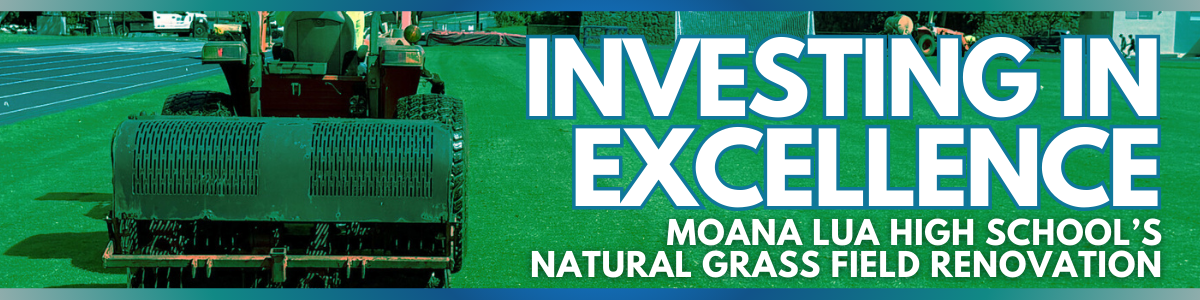
Investing in Excellence: Moanalua High School's Natural Grass Field Renovation
By: Sean Aukanai’i Fong
Moanalua High School recently completed a transformative renovation of its football field, choosing Tahoma 31 Bermuda grass (Cynodon dactylon x C. transvaalensis) as the playing surface. This pivotal decision marked a turning point for the school, emphasizing the advantages of natural grass over synthetic alternatives. The renovation aimed to enhance playing conditions while prioritizing the safety and enjoyment of student-athletes and performers, including the state’s largest high school marching band.
Leadership and Vision
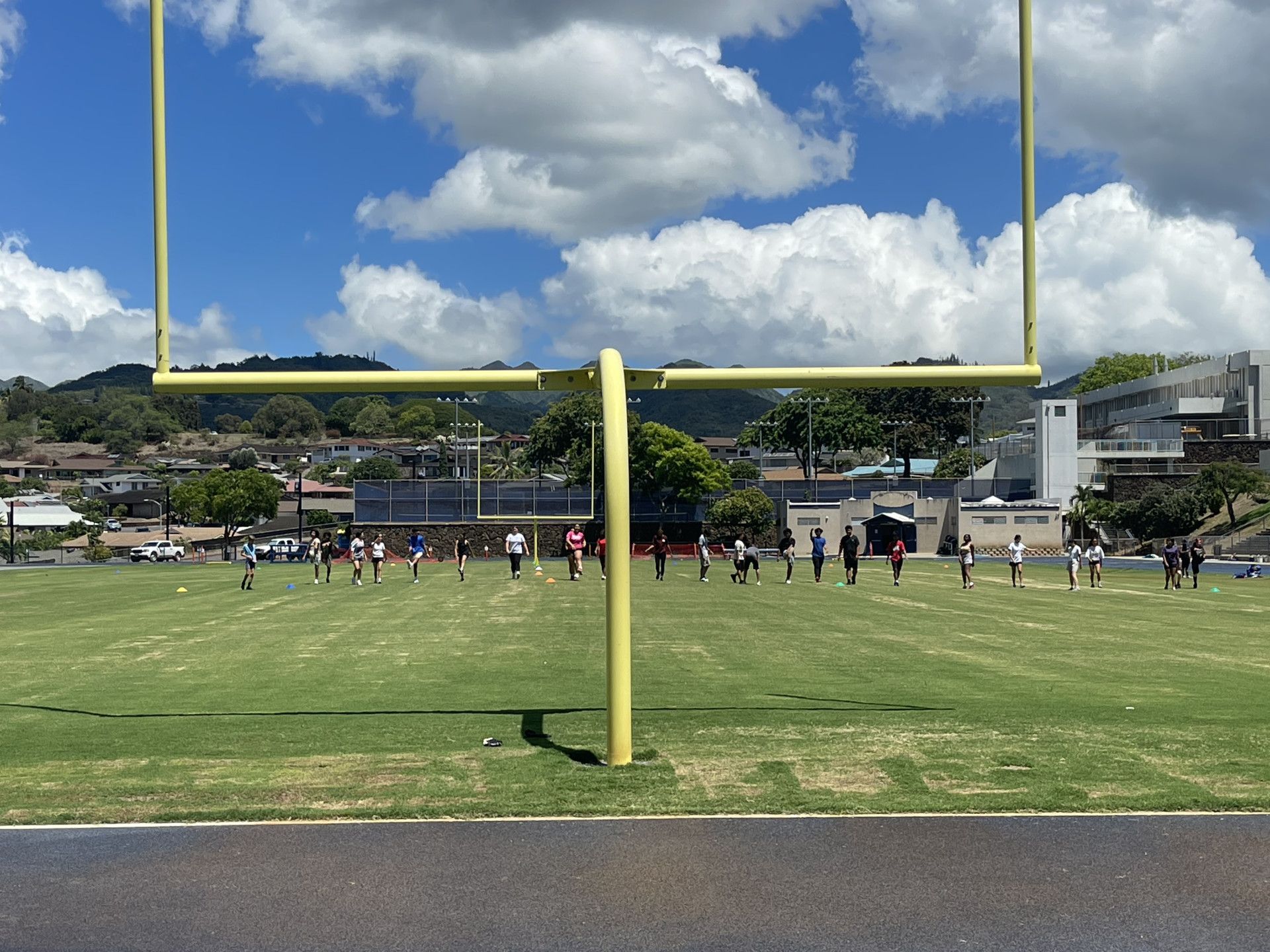
Figure 1. Physical Education (PE) classes held on natural fields provide numerous benefits that contribute to students' physical, mental, and social well-being.
The project was spearheaded by Principal Robin Martin and Athletic Director Joel Kawachi, whose leadership underscored a commitment to student safety and well-being. By investing in a top-tier natural grass field, they prioritized both health and performance, recognizing the transformative role of sports and extracurricular activities in students’ lives. Their dedication resulted in a state-of-the-art athletic environment, setting a new standard for high school sports facilities in Hawaii.
Benefits of Tahoma 31 Bermuda Grass
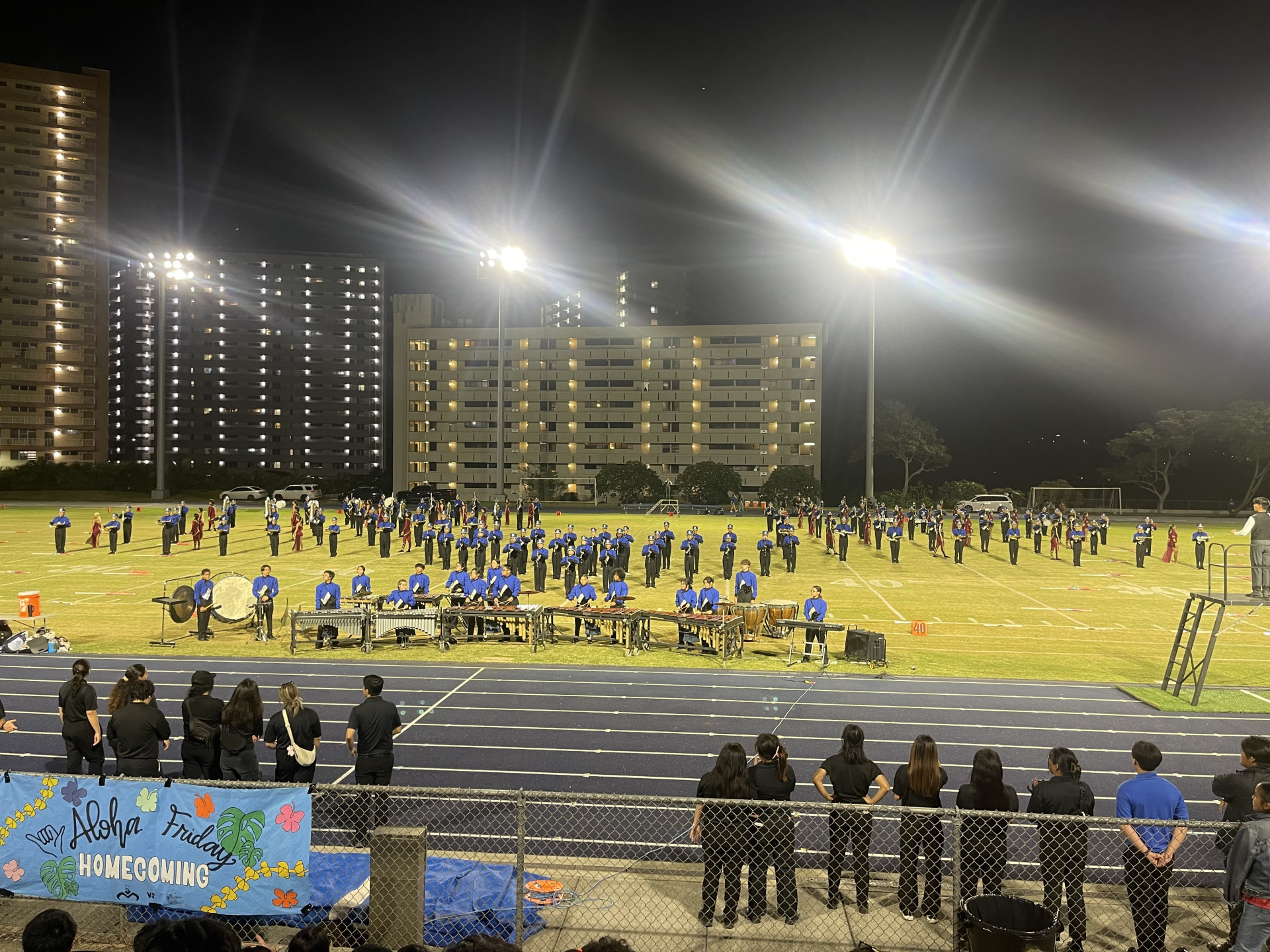
Figure 2. Hawaiian Turfgrass Company executed the installation, aiming to provide a safer and more resilient playing surface for students.
One of the primary reasons for selecting Tahoma 31 Bermuda grass was its superior playability. Unlike synthetic turf, natural grass provides a softer, more forgiving surface, reducing the risk of injuries from hard landings or sudden stops. Additionally, Tahoma 31’s resilience and ability to withstand heavy use made it an excellent choice for a high-traffic field. This variety’s adaptability to Hawaii’s warm climate ensured the field remained lush and vibrant year-round, meeting the high standards of a school that values both performance and aesthetics.
Natural grass also offers significant health benefits. Players no longer had to contend with the abrasions and heat-related challenges commonly associated with artificial turf. The cooler surface temperatures of the grass field created a safer and more comfortable environment for athletes and spectators alike.
Drawing Inspiration from Hawaii's Golf Courses
Hawaii is renowned for its world-class golf courses, celebrated for their meticulously maintained natural grass surfaces. This standard of excellence served as an inspiration for Moanalua High School’s renovation. The leadership team envisioned a football field that mirrored the pristine quality of these greens, proving that with proper care and investment, schools could achieve similar results. This vision became a reality as the renovated field met and exceeded expectations, providing a safe, level, and weed-free environment for all users.
The Renovation Process: Soil Testing and Amendments
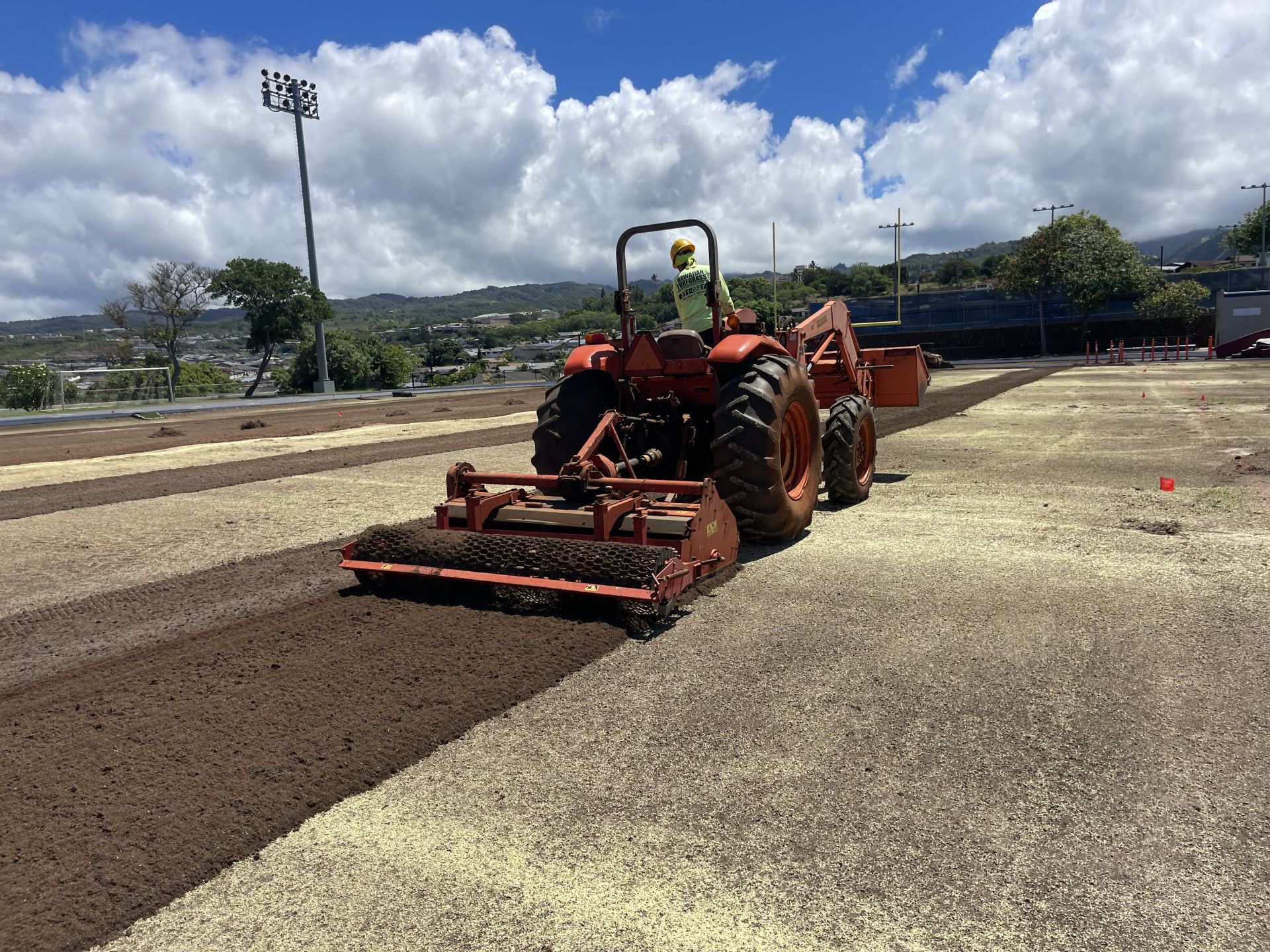
Figure 3. Tilling sulfur amendments into soil is an effective way to lower soil pH, making it more acidic and improving nutrient availability for certain plants.
The renovation began with comprehensive soil testing and analysis. Initial tests revealed a soil pH of 7.5, which is slightly above the optimal range for sports fields. To address this, sulfur was added as an amendment, successfully lowering the pH to 7.0. This adjustment improved nutrient availability, fostering healthier growth and a more robust playing surface.
Laser Grading and Field Leveling
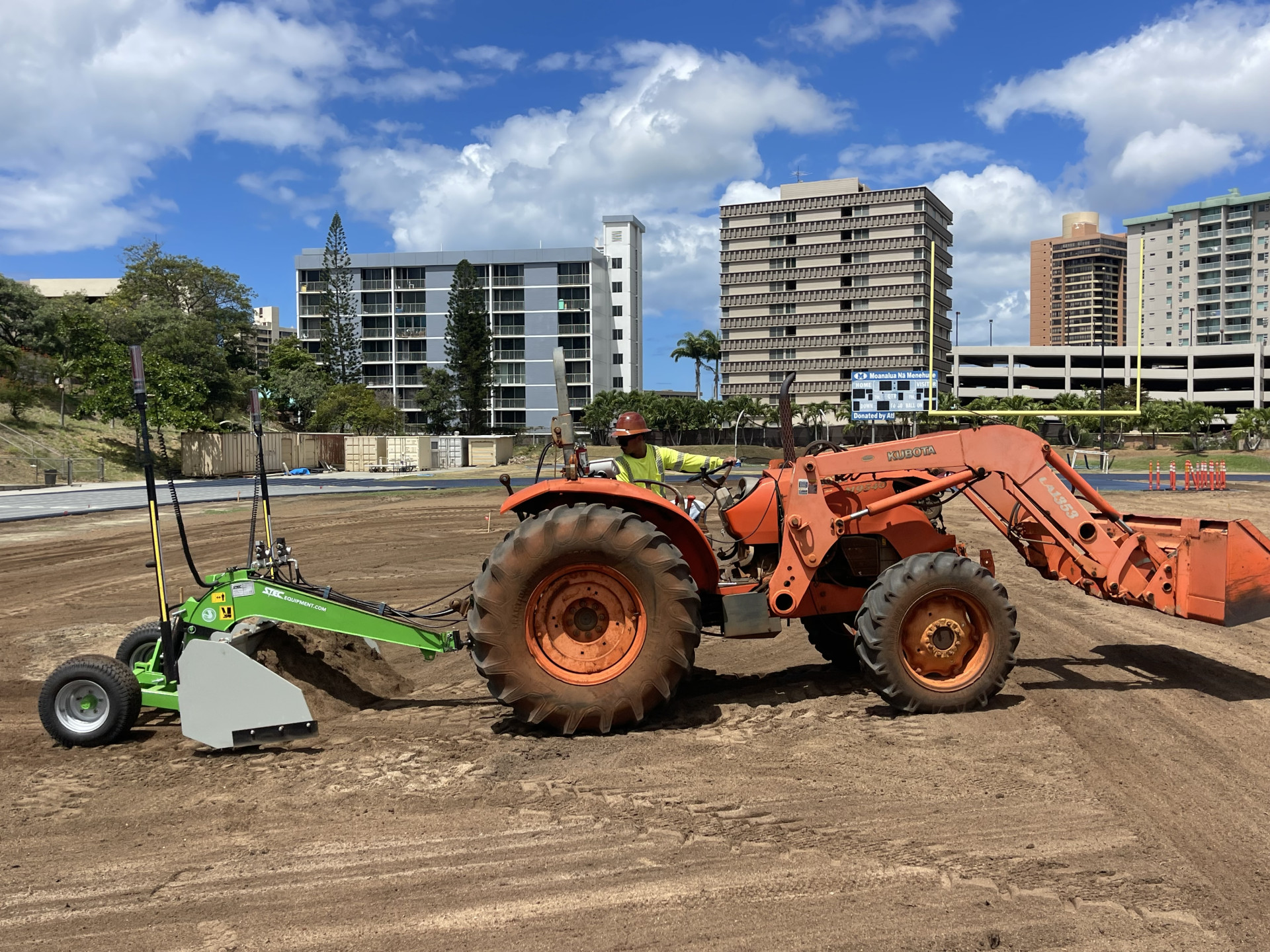
Figure 4. A dual-slope laser grader integrates a laser system and grading attachment to achieve precise leveling with adjustable slopes in two directions (X-axis and Y-axis).
Laser leveling technology was employed to correct the field’s camelback unevenness, ensuring a level surface that minimized injury risks. The dual-slope precision of the laser grading process created an ideal foundation for the Tahoma 31 Bermuda grass, combining visual appeal with practical functionality.
Planting and Establishment
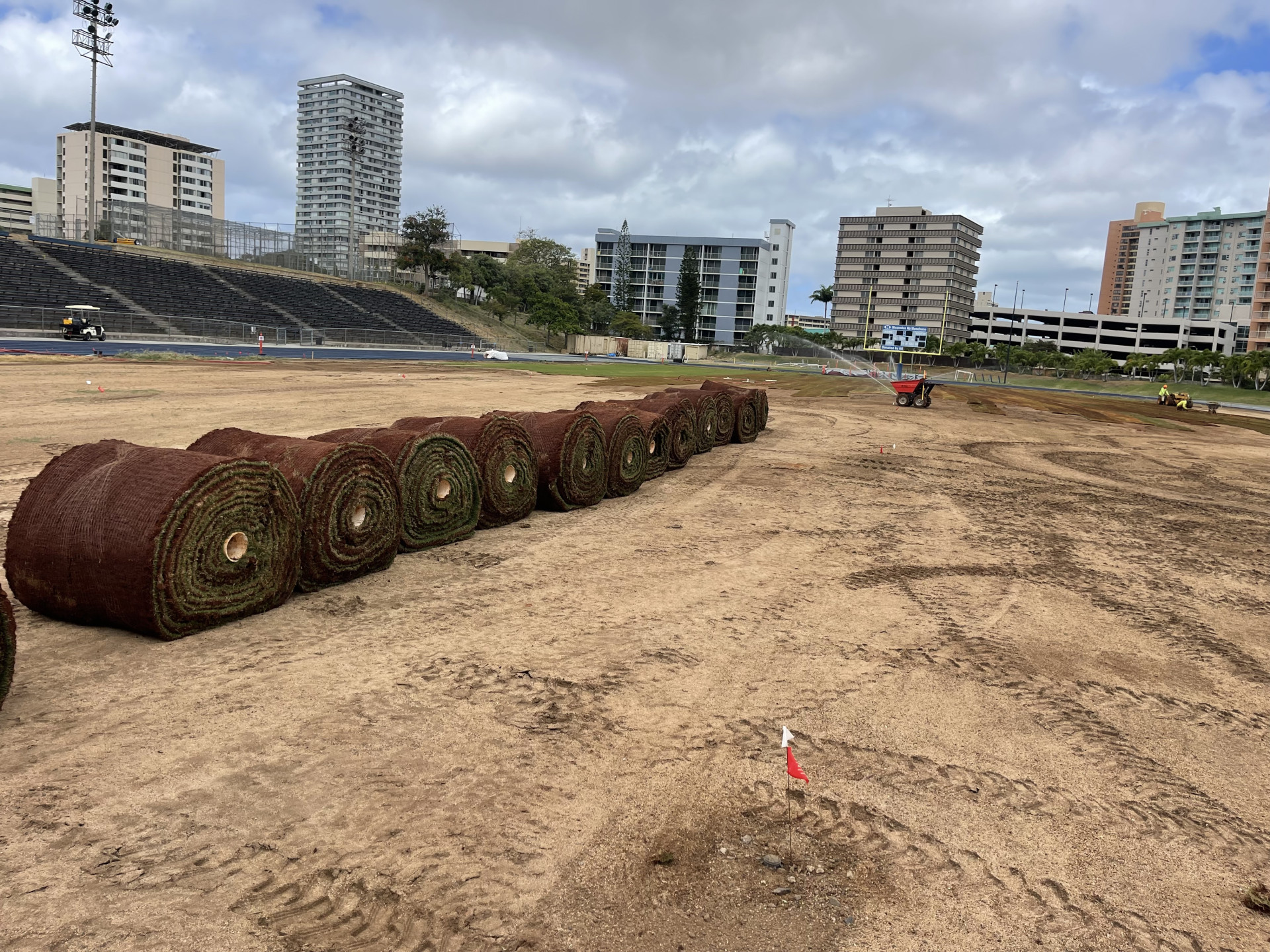
Figure 5. Tahoma 31 Bermudagrass is a top-choice turfgrass, especially for sports fields, golf courses, and lawns, due to its durability, fine texture, and drought resistance. Using big rolls of sod for planting provides a fast and efficient way to establish a high-quality field.
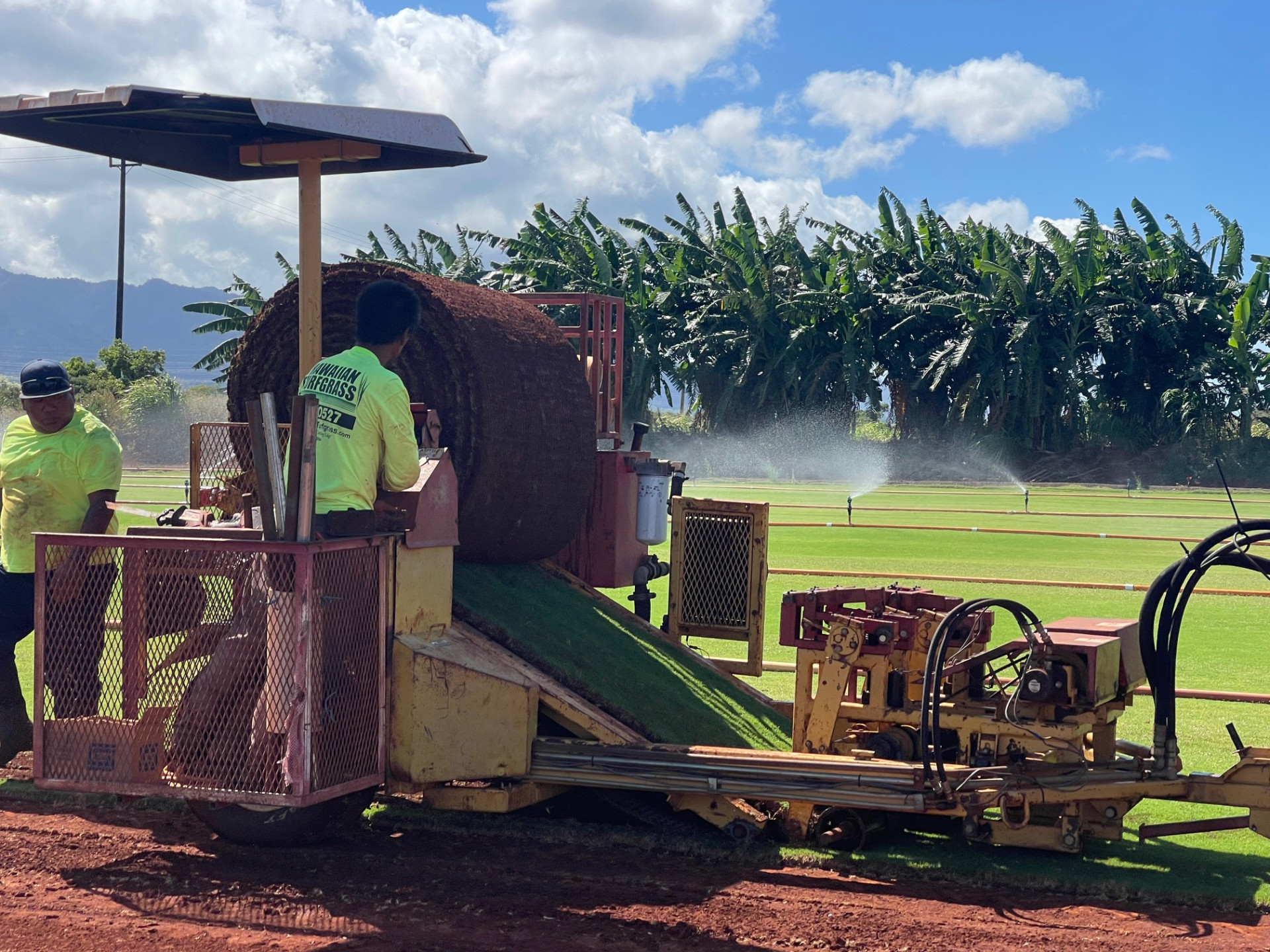
Figure 6. Harvesting big roll sod at Hawaiian Turfgrass in Mililani ensures high-quality turf, using precision equipment to deliver durable, fresh-cut Tahoma 31 for fields and landscapes.
In late July, large rolls of Tahoma 31 Bermuda grass sod were installed, ensuring efficient and uniform coverage. Remarkably, the field was ready for use by the start of the football season in September. This rapid turnaround highlighted the grass variety’s exceptional establishment rate and resilience.
During the establishment phase, careful attention was paid to watering schedules and initial fertilization. Adequate hydration promoted deep root growth while balanced fertilizers provided essential nutrients. These foundational practices ensured the grass thrived, creating a durable and visually stunning field.
Maintenance and Sustainability
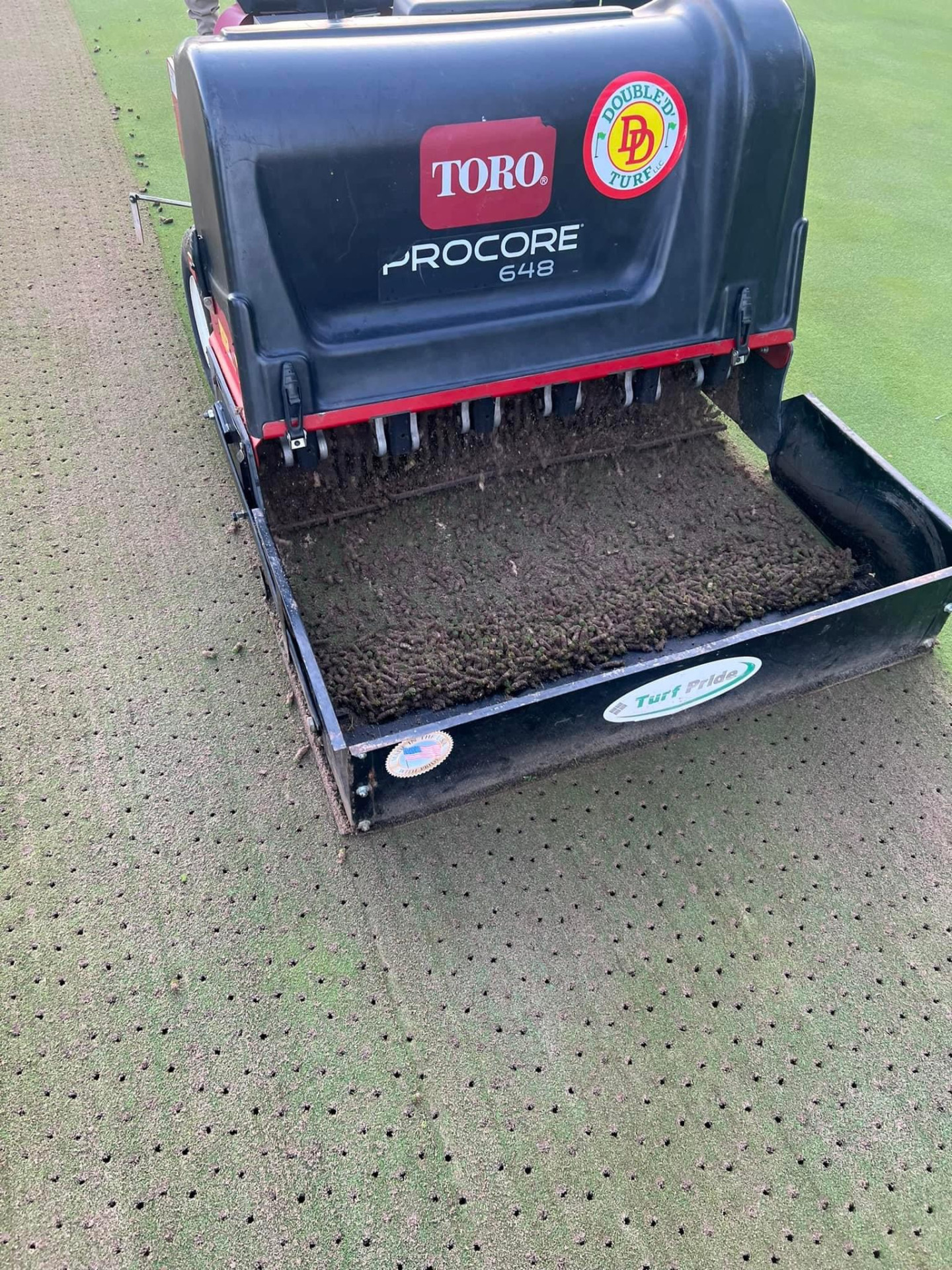
Figure 7. Core aeration is a critical cultural practice for maintaining healthy turfgrass and improving soil health.
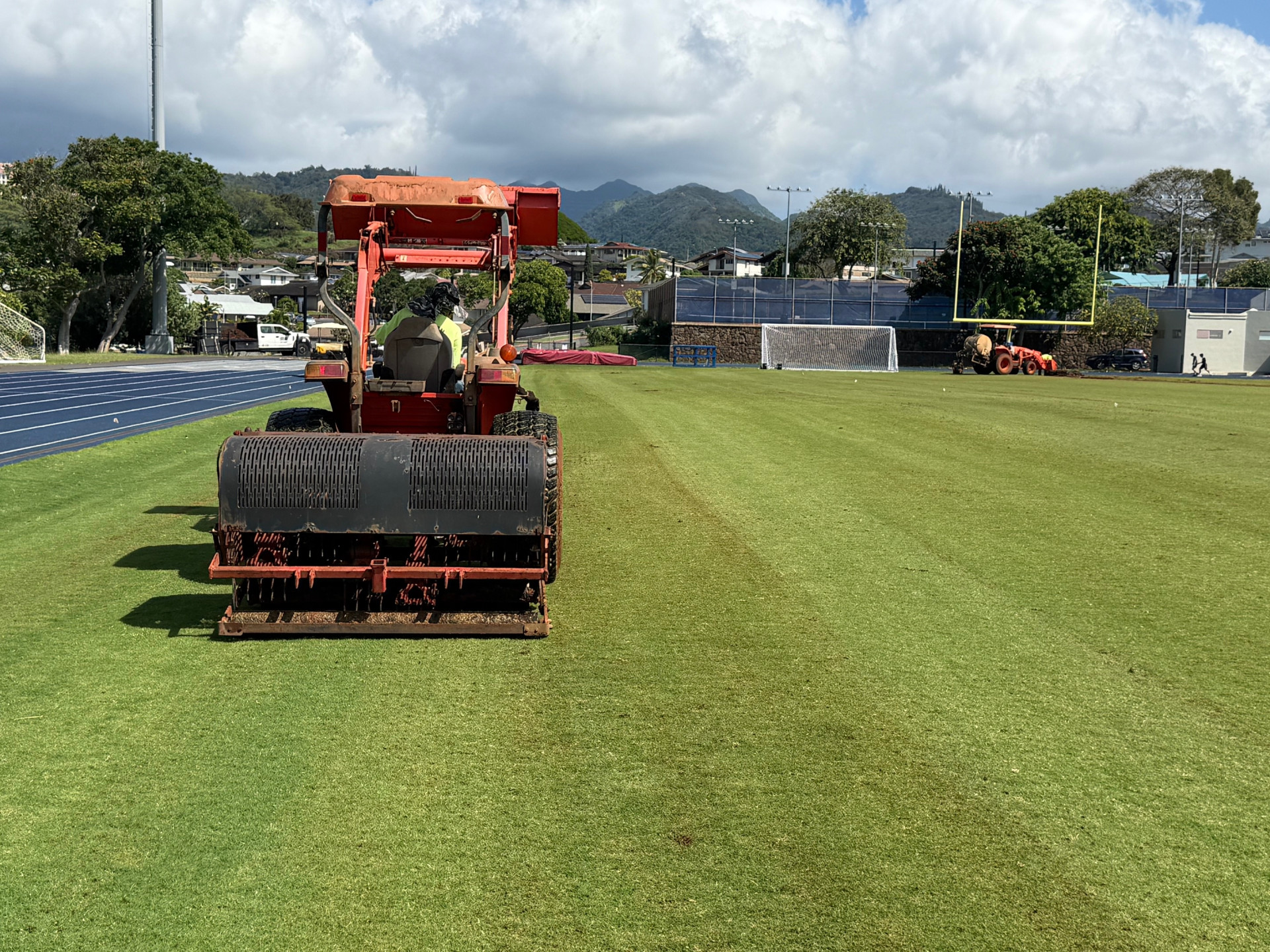
Figure 8. Soil tine aeration at Moanalua Field can play a crucial role in maintaining the health and performance of the turf.
The maintenance program for the new field emphasized a return to basic principles. Weekly mowing with a fairway reel mower, precise watering schedules, and twice-a-month fertilization formed the cornerstone of the plan. These practices were complemented by cultural techniques, including core aeration and deep tine aeration, which alleviated soil compaction and improved water infiltration. Topdressing with sand further enhanced drainage and ensured a smooth playing surface.
By implementing these measures, the school ensured the field’s long-term health and usability. The maintenance program demonstrated that natural grass fields could be both cost-effective and sustainable, aligning with modern environmental standards.
Safety and Playability
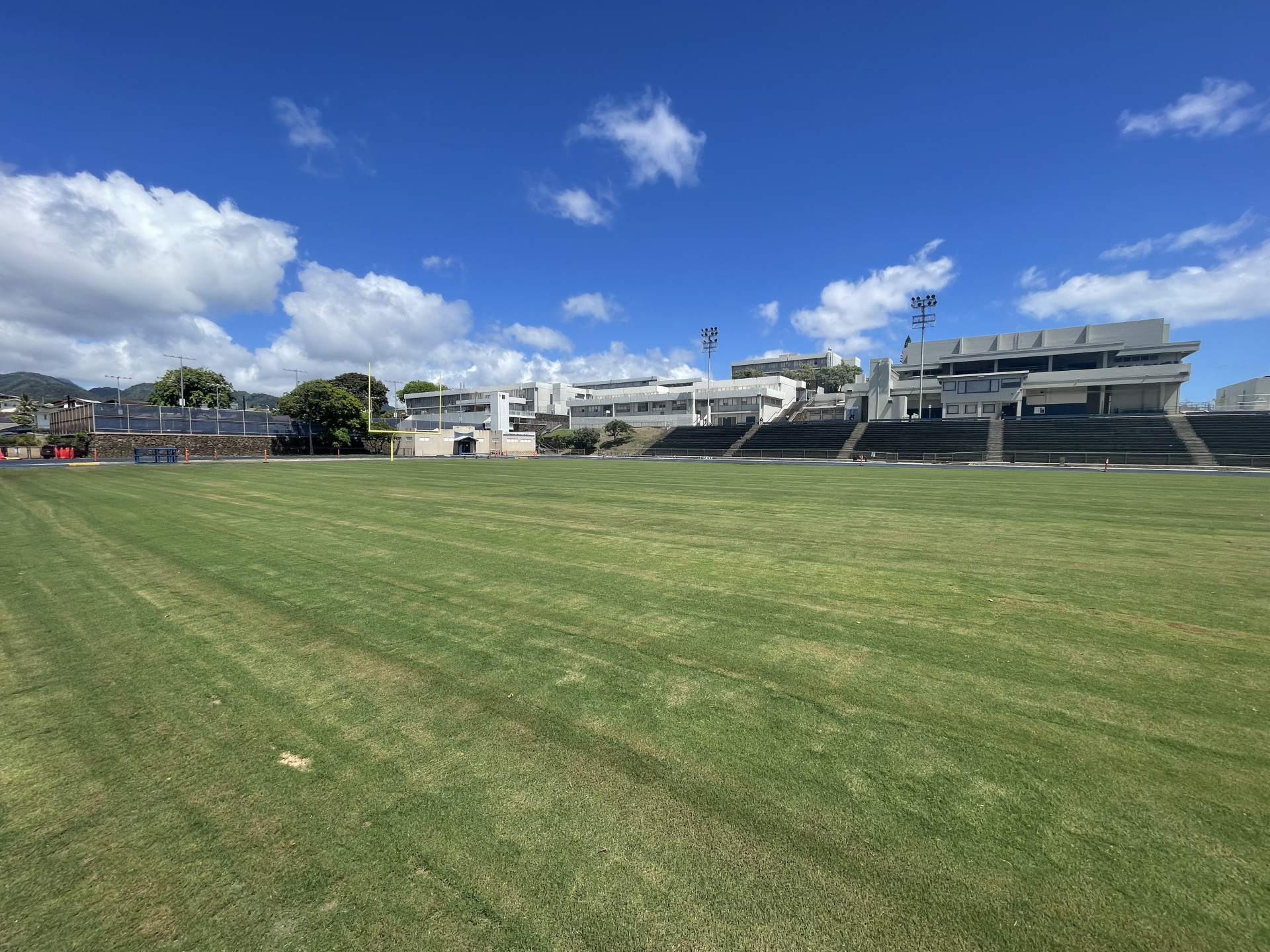
Figure 9. Natural grass fields offer a safe and comfortable playing surface for children, student-athletes, and other users when properly installed and maintained.
Safety was a central focus of the renovation. Uneven surfaces and weed infestations, which posed significant risks to athletes, were eliminated through comprehensive weed management and regular topdressing. The resulting smooth and uniform surface minimized hazards, enhancing the playing experience for students and performers alike.
The choice of natural grass also provided environmental benefits. Unlike synthetic turf, which retains heat and requires artificial cooling methods, natural grass remained cooler under direct sunlight. Additionally, the grass contributes to carbon sequestration, air purification, and groundwater recharge, aligning with the school’s commitment to sustainability.
Community Impact and Education
The renovated field quickly became a source of pride for the Moanalua High School community. It provided a space where athletes could refine their skills, band members could practice and perform, and the school could host events in a safe and supportive environment. The project also inspired other schools in the region, setting a precedent for the benefits of investing in natural grass fields.
To ensure the field’s longevity, the school organized workshops and informational sessions for groundskeepers, coaches, and students. These sessions emphasized proper watering techniques, mowing schedules, and cultural practices, fostering a community-wide understanding of natural grass maintenance. This education component ensured that the field’s benefits would endure for years to come.
Conclusion
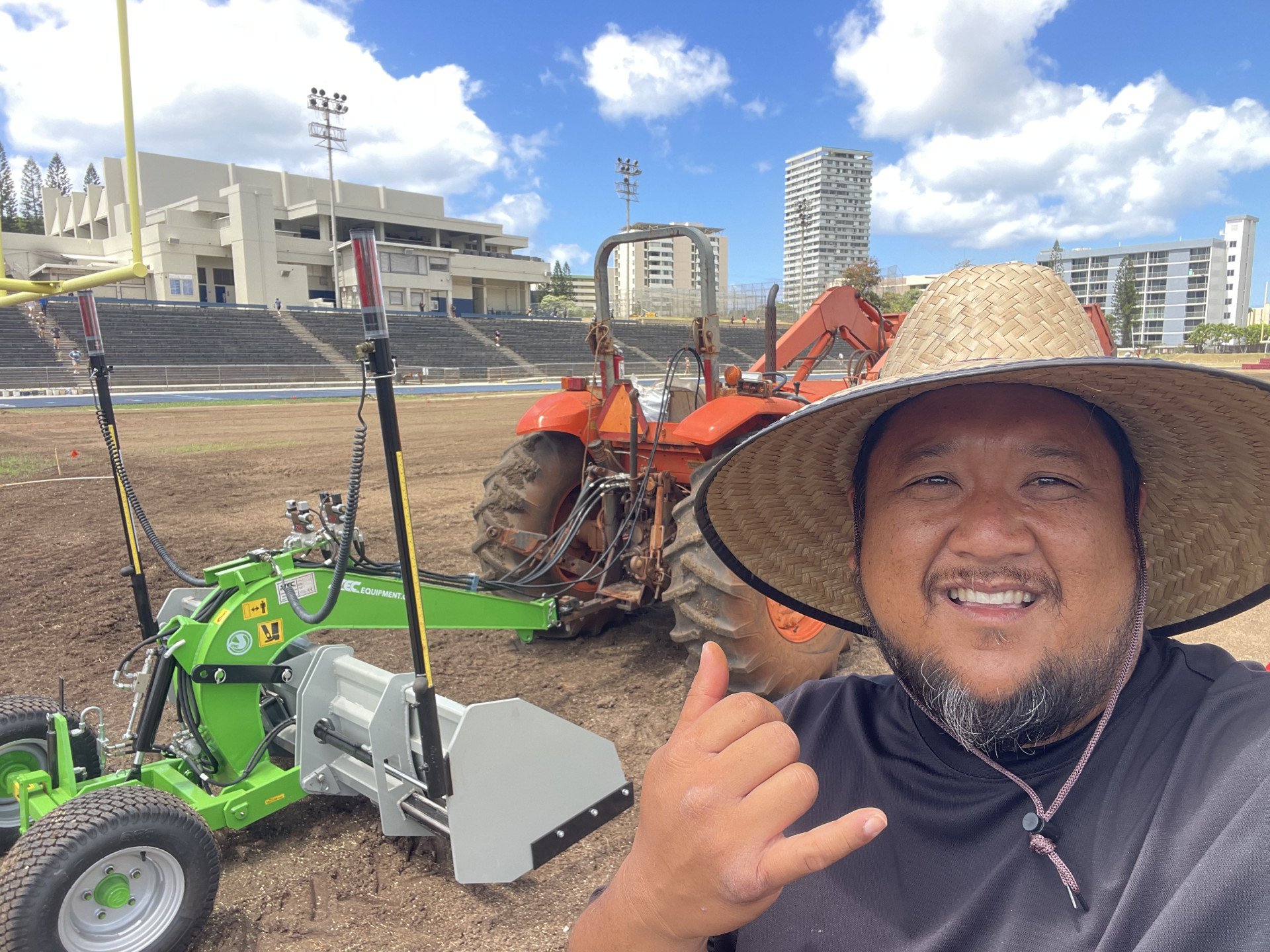
Figure 10. Sean Fong is the President and owner of Hawaiian Turfgrass, a leading turfgrass producer based in Mililani, Hawaii.
The renovation of Moanalua High School’s football field stands as a testament to what can be achieved when tradition, innovation, and care come together. By incorporating advanced techniques such as laser leveling and drawing inspiration from Hawaii’s world-famous golf courses, the school created a field that exemplifies excellence. Principal Robin Martin and Athletic Director Joel Kawachi deserve special credit for their foresight and dedication, ensuring that the field serves as a model for others.
For decades, athletic fields faced a constant cycle of wear and tear, often leading to costly transitions to artificial turf. However, the emergence of innovative solutions like Tahoma 31 Bermuda grass has shifted this narrative. This resilient variety has proven that natural grass fields can be revitalized and maintained without exorbitant costs. Moanalua High School’s field is a shining example of this potential, offering a lush, safe, and sustainable surface for student-athletes, band members, and the broader community. The success of this project underscores the enduring value of investing in natural grass, inspiring others to follow suit and rethink their approach to athletic field management.
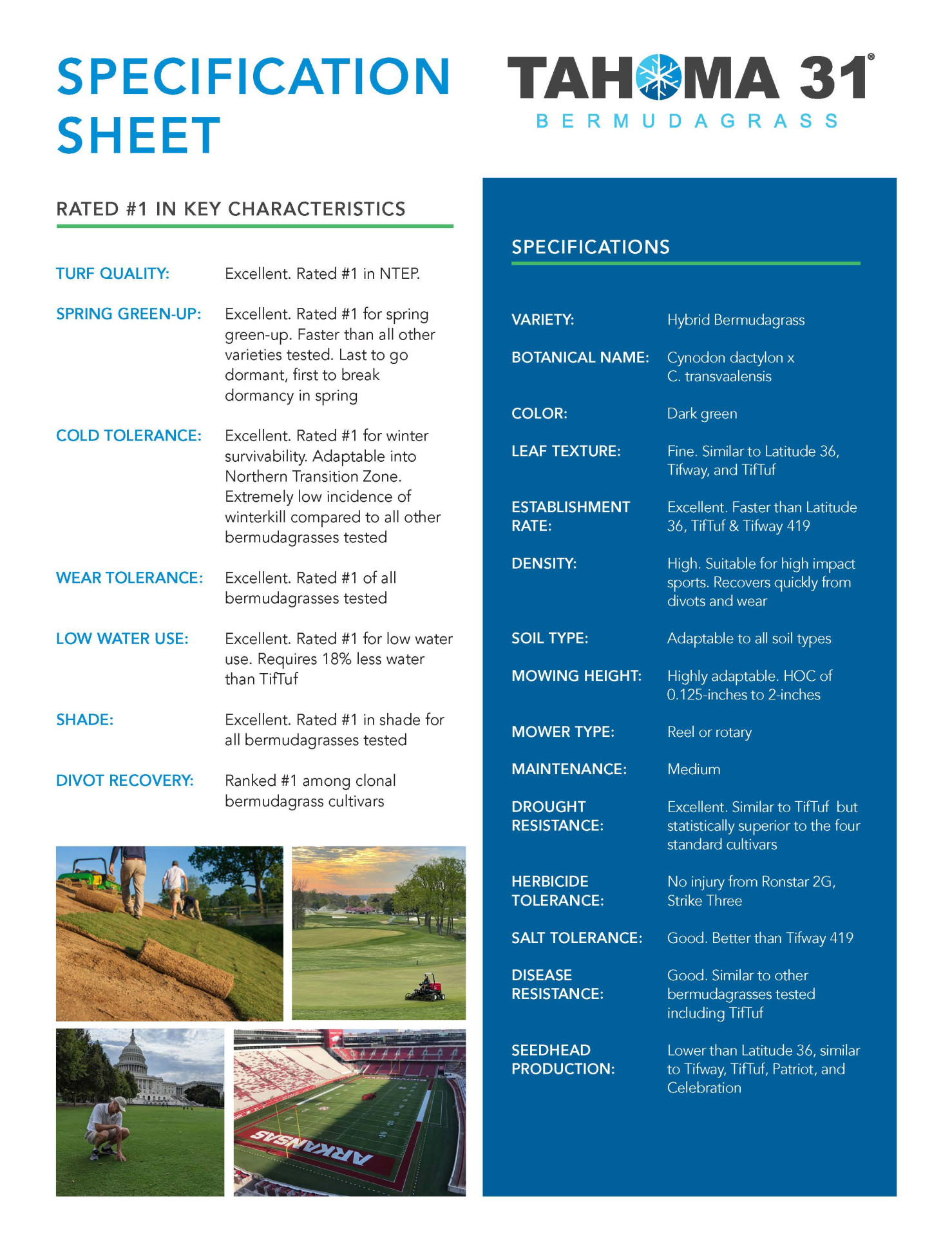
Figure 11. Tahoma 31 Bermudagrass Specification Sheet.
Sean Aukanai’i Fong is the President of Hawaiian Turfgrass, Inc., located in Mililani, Oahu. The company is an exclusive producer of improved grass varieties and a landscape contractor specializing in residential and sports field installations.
Back to top
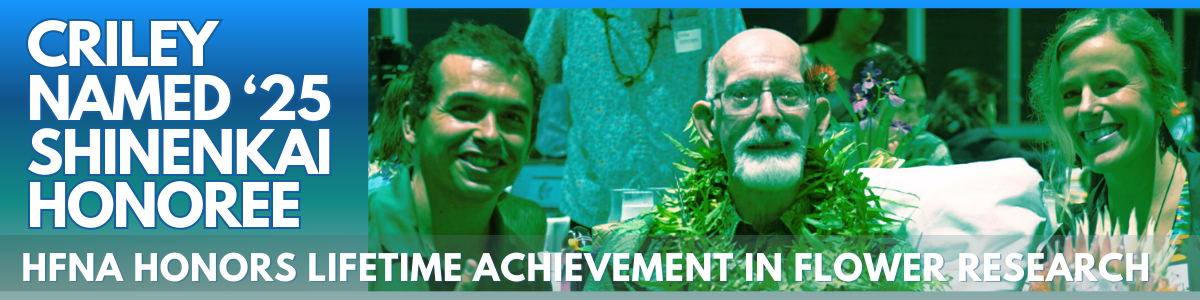
Honoring a lifetime of flower research: Dr. Richard Criley HFNA, 2025 Shinenkai Honoree
By: Dr. Teresita Amore
During the Hawaii Floriculture and Nursery Association ‘s (HFNA) Annual Shinnenkai held on February 1, 2005, at the Fairway Grill in Hilo, Hawaii, Dr. Richard Criley and Mr. Vernon Harrington were honored for their distinguished services to the Hawaii floriculture, ornamental, and nursery industry.
An emeritus professor of horticulture at the University of Hawaii at Manoa, College of Tropical Agriculture and Human Resilience, Department of Tropical Plants and Soil Sciences, Dr. Richard Criley’s career, spanning 57 years, has left an indelible mark on the Hawaii floriculture industry. His lifetime of understanding and advancing the cultivation of tropical flowers, coupled with his passion for research and teaching, has blossomed into a legacy of knowledge and support for Hawaii's flower growers.
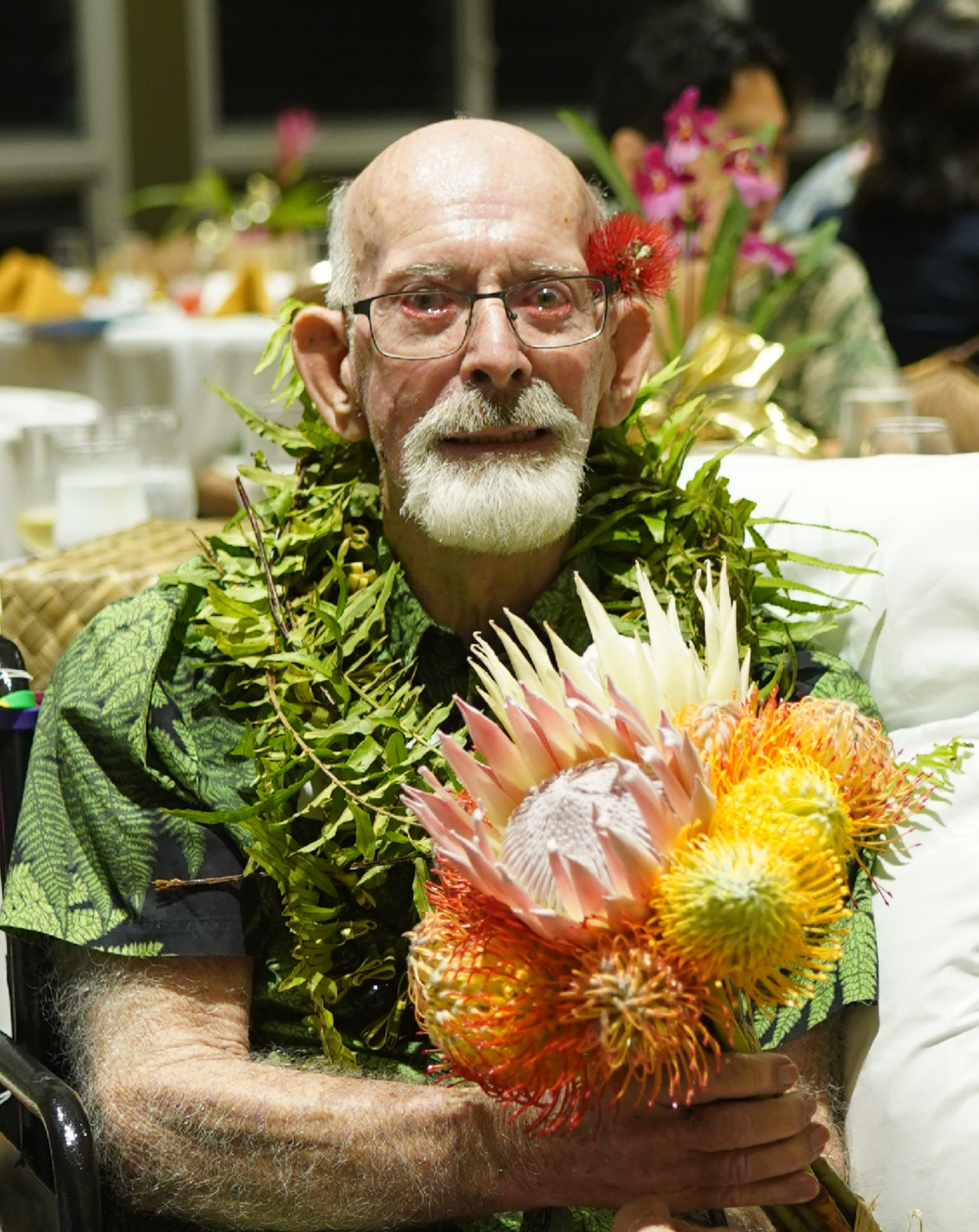
Figure 1. Dr. Richard Criley, emeritus professor of Horticulture and 2025 Shinenkai honoree. Photo credit: Jon Tanouye.
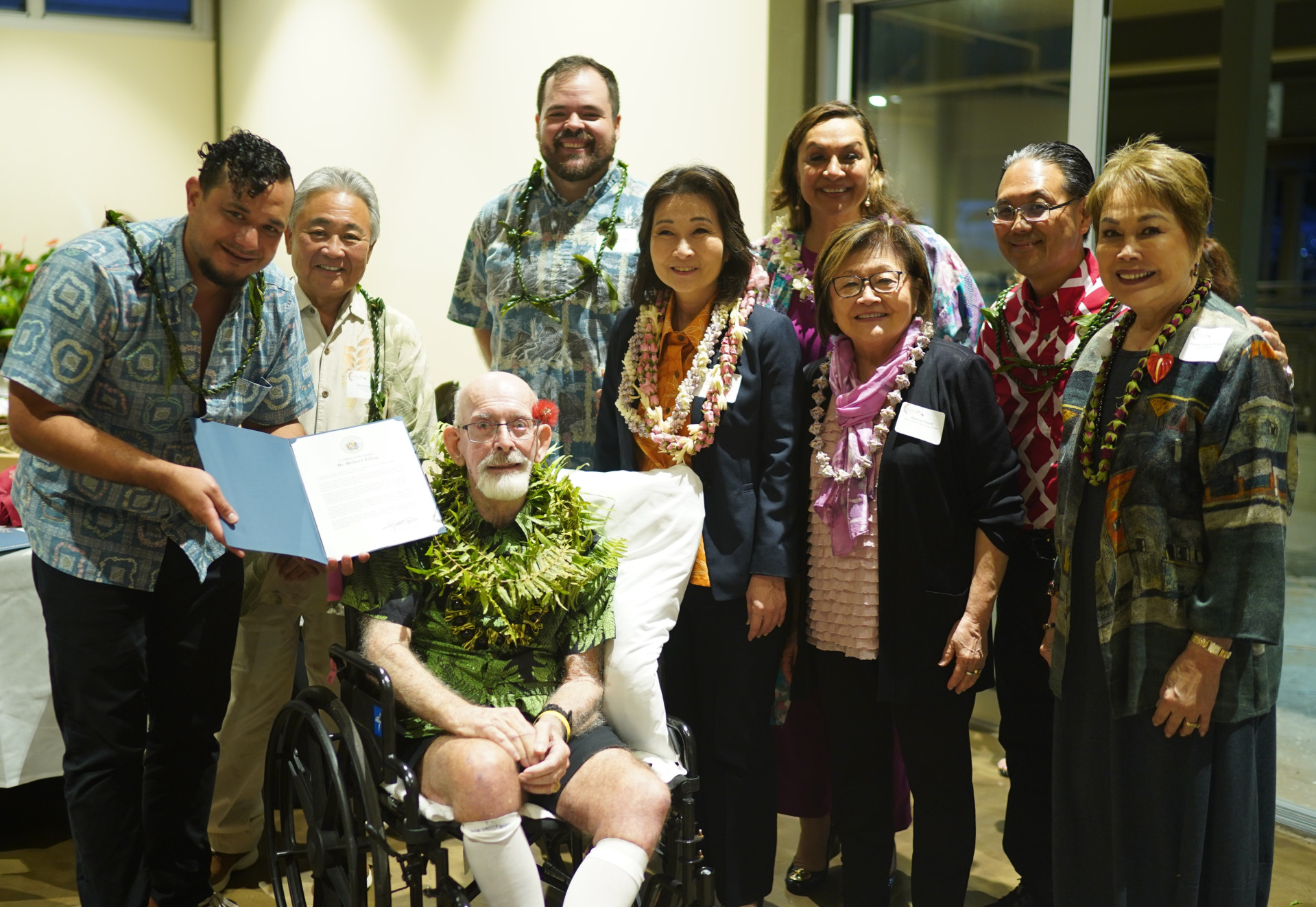
Figure 2. Hawaii legislators, HDOA Chair Sharon Hurd and HFNA president Eric Tanouye, congratulating Dr. Richard Criley. Photo credit: Jon Tanouye.
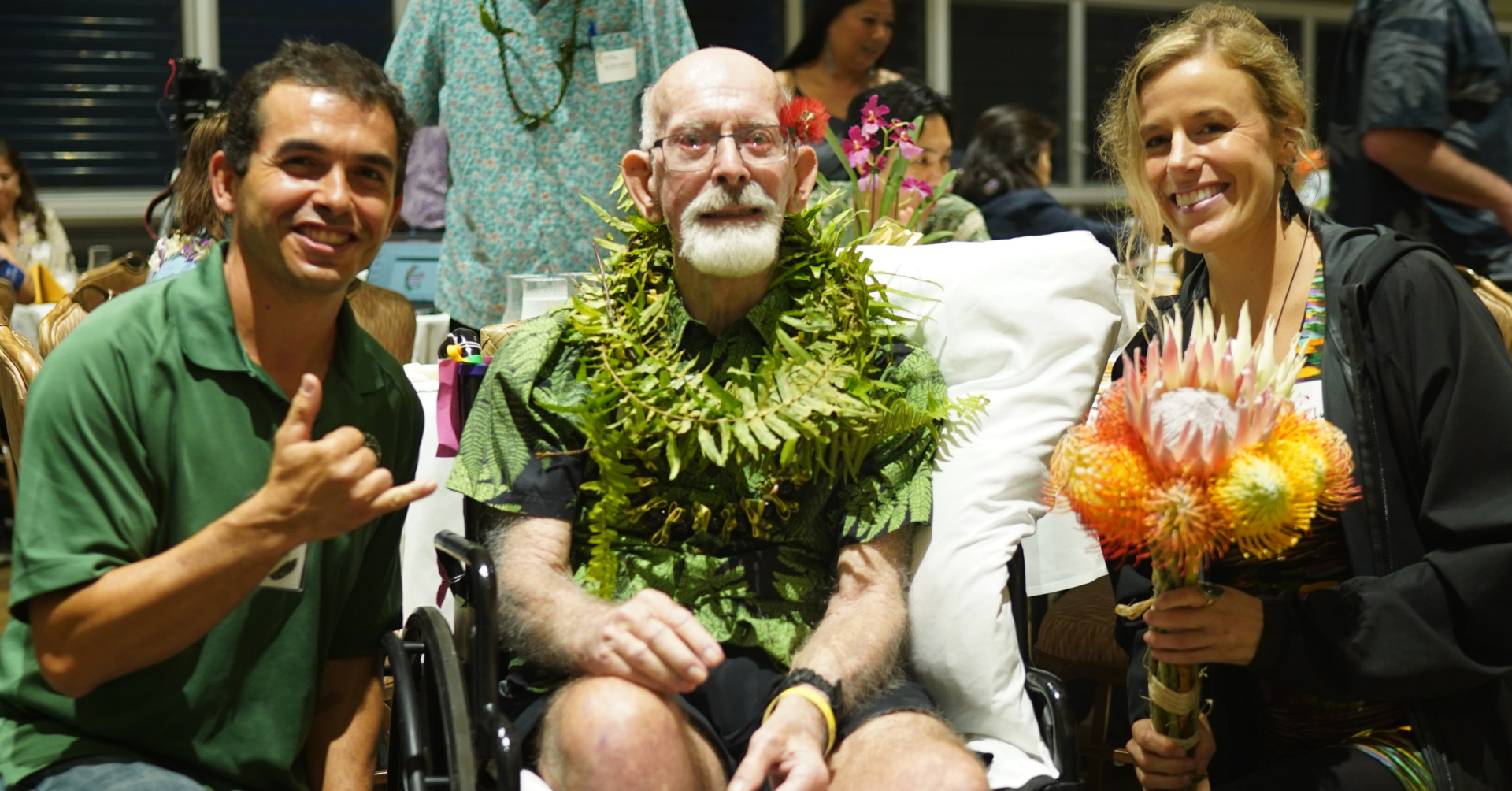
Figure 3. Hawaii floriculture, landscape, and nursery extension agents Dr. Alberto Ricordi and Hannah Lutgen, who are mentored by Dr. Richard Criley. Photo credit: Jon Tanouye.
Dr. Criley received his bachelor’s and master’s degrees from Penn State University in 1962 and 1964, respectively. He then headed west to the University of California – Los Angeles where he completed his PhD in horticulture in 1968. Shortly after, he joined the University of Hawaii to teach and conduct research on tropical flowers and foliage.
His research on production, nutrition, control of flowering, growth regulation and species identification of flowers and foliage, from A-Z: alpinia to zingiber, curcumas and gingers, bird of paradise and heliconias, including lei flowers such as pikake, pakalana, plumeria and stephanotis, provided Hawaii growers with a basic understanding of unknown introduced crops. Presenting his research work in extension publications and conferences benefited growers across the islands, thereby contributing significantly to the commercial success of the industry. Interestingly, he studied many of these crops – bird of paradise, flowering gingers, and heliconias, before they were commercially grown in Hawaii. Some of these crops, such as curcuma or Siam tulip have a great potential to be grown on a greater scale. Dr. Criley and his colleagues examined native Hawaiian plants for use as lei flowers, potted plants, and in the landscape.
Over the years, he volunteered as a plant identifier for the annual lei day contest sponsored by the Department of Parks and Recreation of the City and County of Honolulu at Kapi’olani Park. As lei day judge, he and Dr. Ken Leonhardt would visit Watanabe Floral in late April to assess the flower inventory in preparation for the plant identification of the lei entries on the morning of May 1st. He knew that lei makers would have sourced flowers from the Watanabe reefers.
As an educator, he also inspired generations of growers and researchers, extension agents, agriculture inspectors, and administrators, both in the state and federal levels. Practically anyone in Hawaii agriculture or horticulture was probably instructed by Dr. Criley in one of the 14 different courses he taught from the 100 up to the 600 level, including Ornamentals, Current Topics in Plant Science, Ornamental Plant Materials, Flower and Foliage Production, Plant Propagation, Plant Growth and Development, Growth Regulators in Horticulture and Graduate Seminar. In addition, Dr. Criley also taught several 491 Special Topics classes on diverse subjects such as Horticultural Writing and Public Horticulture-Public Gardens. Serving on many graduate students' committees, his former students have benefited from his encyclopedic knowledge and expert editing.
His writing skills are legendary, serving as reviewer and associate editor for the American Society for Horticultural Science journals, and he is a recipient of the American Society for Horticultural Science Kenneth Post Award for outstanding ornamental publication. As a member of the International Society for Horticultural Science, he chaired the Ornamentals Section from 2002-2010; edited several volumes of Acta Horticulturae, and convened the ornamental symposia for the International Horticulture Congress of 2002, 2006, and 2014. The 2014 Congress in Brisbane marked his 10th consecutive participation in the International Horticulture Congress.
For those who have experienced going on field trips with Dr. Criley, to be within proximity to him, one is guaranteed a great learning experience. His vast plant knowledge has earned him the reputation of a “walking plant encyclopedia” and makes him a sought-after resource person on radio, television, and print.
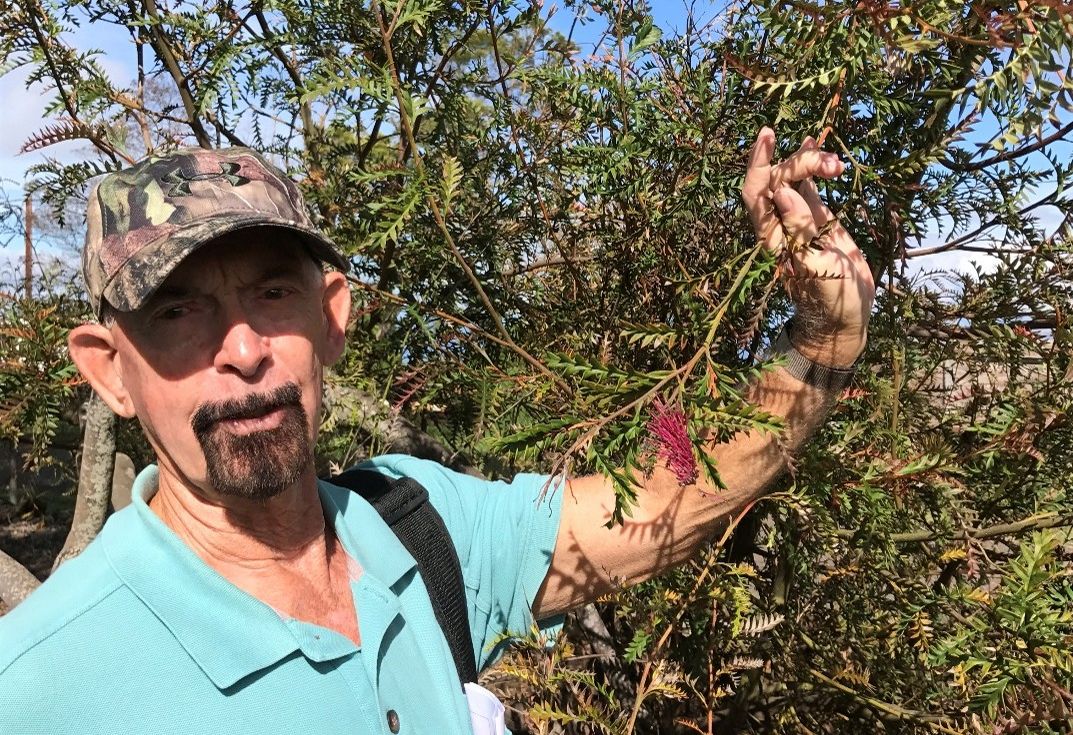
Figure 4. Dr. Criley at Kula Experiment Station, June 2017. Photo credit: Teresita Amore
HFNA’s recognition of Dr. Criley is another feather to his cap of accomplishments, including Fellow of the American Society for Horticultural Science in 1992 and Alex Laurie Awardee in 2002 given by the Society of American Florists to an individual who has made broad-scope, long-lasting contributions to research or education in the floriculture industry. Dr. Criley's lifelong research work has led to the rise of tropical flowers as an important segment of the Hawaii floriculture industry.
Teresita D. Amore, PhD CFD, Associate Reserach, Department of Tropical Plant & Soil Sciences, College of Tropical Agriculture & Human Resilience, University of Hawaii at Manoa.
Back to top
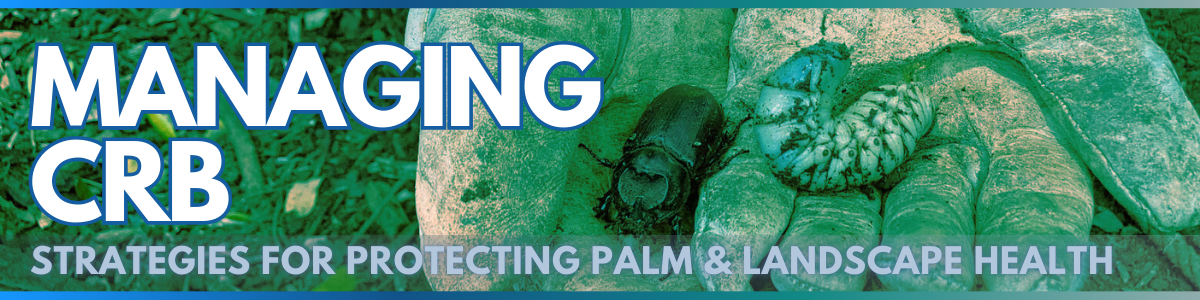
Managing Coconut Rhinoceros Beetle: Strategies for Protecting Palm and Landscape Health
By: Arisa Barcinas
The Coconut Rhinoceros Beetle (Oryctes rhinoceros; CRB) is an invasive pest first detected in Hawaii in 2013. Initially found on Oahu, CRB has become a widespread problem affecting the landscape and causing devastating damage to palms and other host plants.
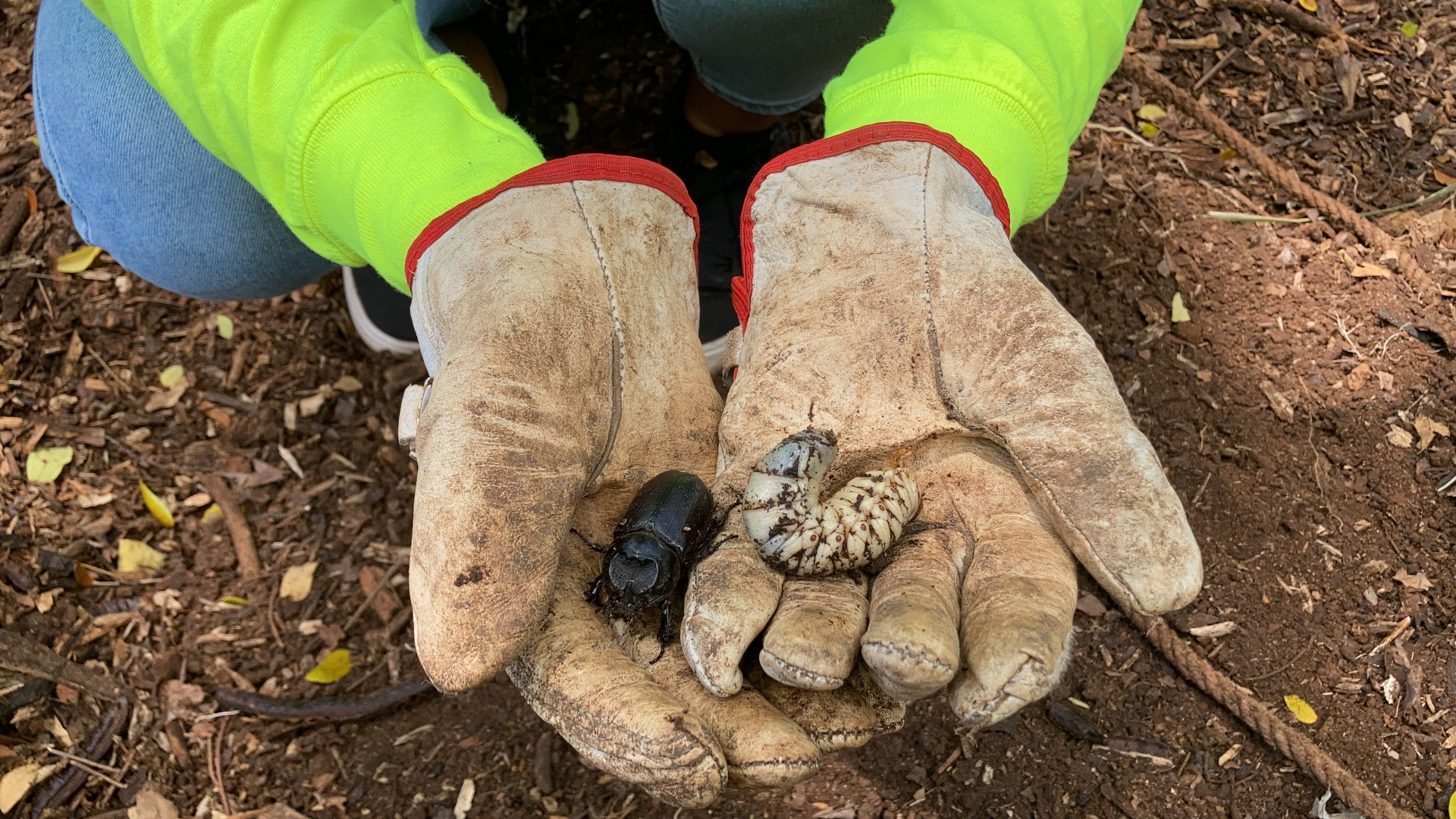
Figure 1. Coconut Rhinoceros Beetle Adult and Larva.
CRB requires a few different resources for survival. Two of the most important resources for CRB are breeding material and host plants. CRB has a wide variety of hosts in Hawaii. While they have their preferred hosts, including Coconut (Cocos nucifera) and Loulu, Fiji Fan Palm, and Thurston’s Palm (Pritchardia spp.), they can host shift to feed on other plants. Second-tier hosts can include date palms (Phoenix spp.), Royal Palms (Roystonea spp.), Chinese Fan Palm (Livistona spp.), Bismarck Palm (Bismarkia nobilis), Mexican and California Fan Palm (Washingtonia spp.), and Hala (Pandanus tectorius). CRB damage is typically first observed in their preferred hosts. As infestations grow and population densities increase, damage to secondary hosts becomes more common. CRB causes damage to hosts by boring into the palm to feed on the inner juices and sap. During these feeding events, the beetle creates large boreholes into the heart of the palm. Extensive damage from CRB can lead to defoliation, infection, and ultimately death. However, palm death is not always immediate or inevitable. Typically, palm death is not observed until severe damage has been caused over multiple feeding events. In areas with low populations or where pressure on palms is decreased, palms may recover from CRB damage and can survive with damage indefinitely.
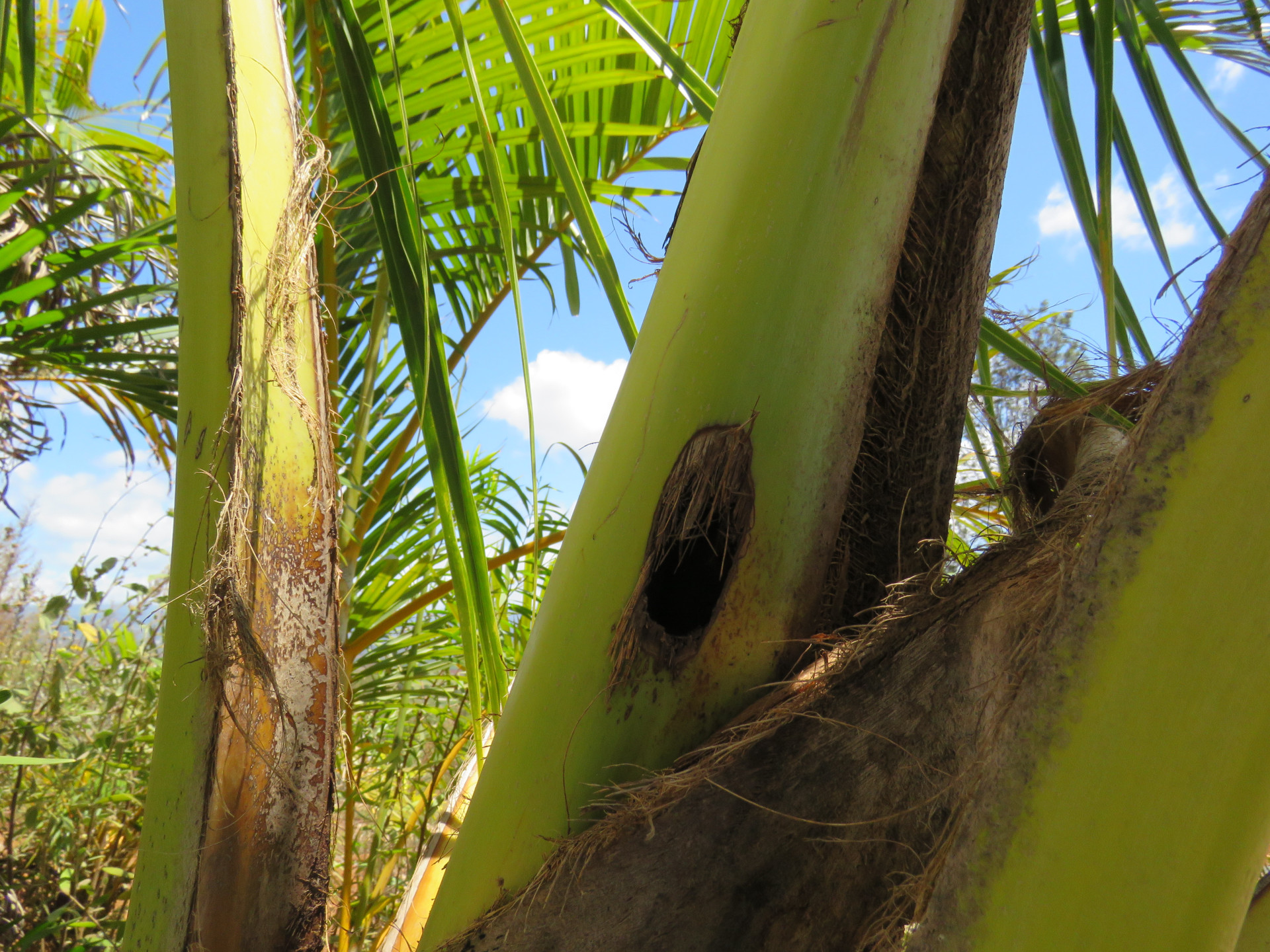
Figure 2. Borehole to coconut palm caused by CRB damage.
Removal of palms can be done for a variety of reasons and may be necessary in some cases; however, since palms can recover with proper treatment and management, it is not recommended to cut palms down unless they are dead. Palm treatment methods include both chemical and physical treatments. Chemical treatments include the utilization of systemic and contact insecticides. Physical treatments can include techniques such as utilizing nets as a physical barrier to protect the palm. While these palm treatments are a useful tool for combatting CRB, it is just one element of the overall management strategy. Green waste management is the most effective method for reducing CRB. Proper management of dead and decomposing plant waste, including compost, mulch, dead trees, stumps, etc., is a crucial component of controlling CRB.
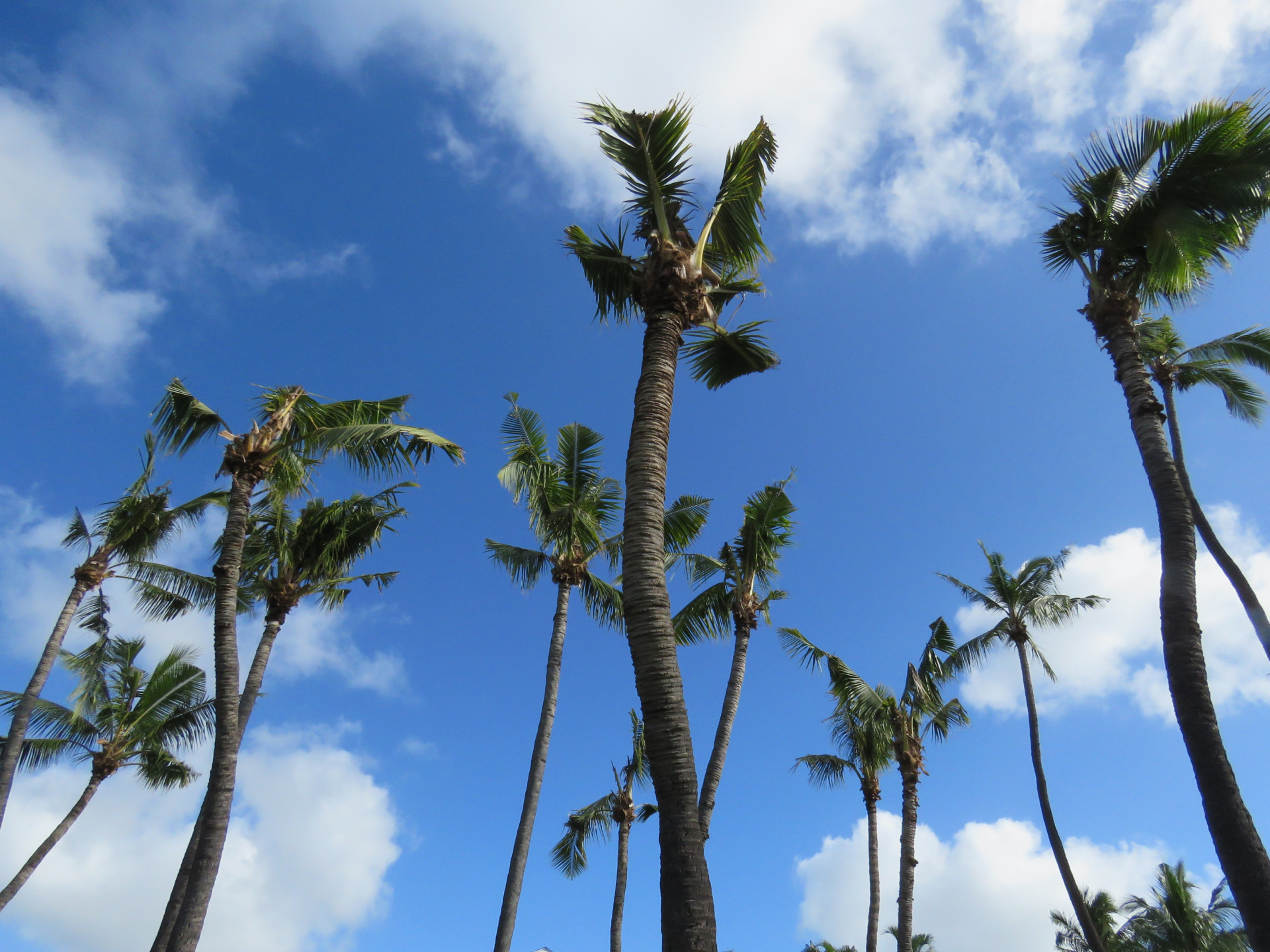
Figure 3. Palm damage caused by CRB.
CRB breed and develop in decomposing plant waste and spend most of their lifecycle in this material. In Hawaii, a direct correlation between beetle populations and accumulated breeding material has been observed. When palms die and begin decomposing, they can become ideal breeding material for CRB. Dead and decaying plant material, especially palms, provides an ideal environment for CRB during their earlier life stages. Removal and proper disposal of dead palms and other decaying plant material are crucial to reducing the risk of continued CRB breeding. Once a palm is confirmed to be dead or beyond the chance of recovery, it should be removed promptly to reduce the risk of further growth and spread of CRB populations. When deciding whether or not to plant new hosts in the environment, there are several factors to consider to prevent further infestation and ensure the long-term health of the landscape and site-specific needs. It is important to consider the suitability of hosts, the location and level of infestation, management plans, and limiting resources needed by CRB.
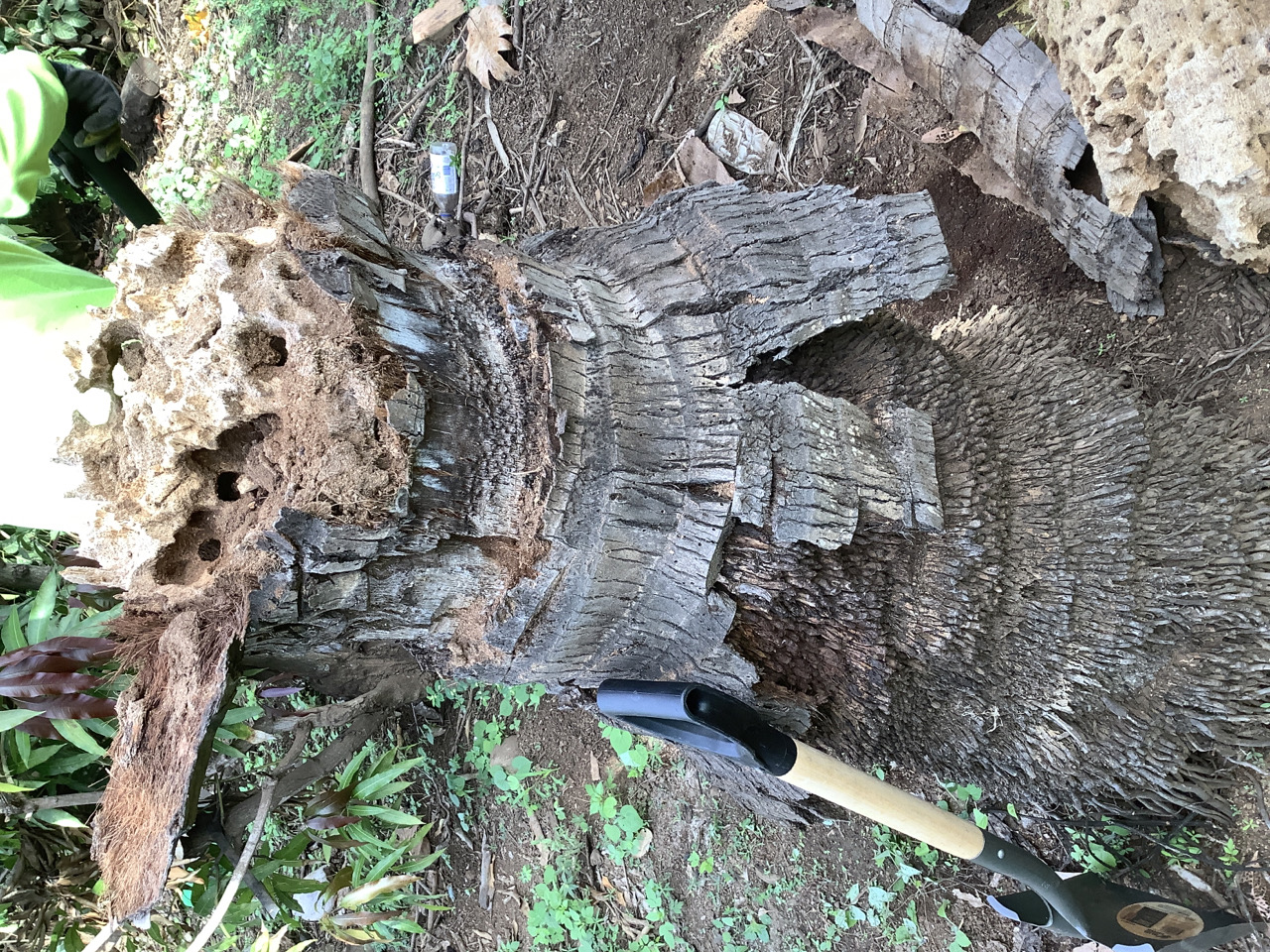
Figure 4. CRB breeding site found in decaying coconut stump.
CRB impacts can be a concern for new plantings or landscaping projects. Assessing the health of nearby hosts is a good indicator of whether planting new hosts will be successful. If hosts are healthy and surviving in the area, it may be a sign that CRB populations are low or that management in the area is effective. On the other hand, if hosts are not surviving in the area, newly planted hosts may also have a low chance of survival without increased management and reduction in CRB populations. It is also important to consider that different species will have different levels of resistance and attractiveness to CRB. A broad-reaching management plan to reduce breeding material and treat hosts should be implemented in the area when planting new hosts. This plan should include the removal of breeding material and proper treatment of hosts to minimize damage and reduce CRB populations, thus giving new hosts a better chance at survival. Effective management of Coconut Rhinoceros Beetles requires a multi-faceted approach, including green waste management, treatment of hosts, and the implementation of long-term CRB control strategies. Although CRB poses a significant threat to palms and other plant species, implementing proper measures can significantly reduce CRB impacts, helping to preserve the health and beauty of the landscape.
Arisa Barcinas is an outreach associate for the Coconut Rhinoceros Beetle Response
The CRB Response regularly posts updates at crbhawaii.org, on Instagram @crbhawaii, and on Facebook at facebook.com/crbhawaii. CRB Outreach can provide free presentations that may be eligible for ISA or RUP CEU credit if scheduled in advance.
Back to top
CRB Best Management Practices: LANDSCAPE OPERATIONS & MAINTENANCE GUIDE
By: PBR Hawaii & Tree Solutions Hawaii
1.0 INTRODUCTION
The coconut rhinoceros beetle (Oryctes rhinoceros) (CRB) is an invasive beetle from Southeast Asia. CRB has been present in Hawaii since 2013, but damage has noticeably increased across the island of Oahu within the last few years. It poses a serious threat to palms, including but not limited to coconut, phoenix, royal, and fan palms (loulu). The beetle has also been observed in non-palm species such as banana, kalo, and ulu. CRB most commonly breed in the trunks of dead palms, greenwaste debris, and mulch or compost piles, but larvae have been found in the crowns of live palms or in soils. CRB adults bore into the center of the palm crown to feed on the exuded sap, which causes damage to the developing leaves. Damaged fronds will exhibit a characteristic “V” cut where the CRB has bored into the immature leaves, or a deformed smaller frond for fan and loulu palms. CRB boring can cause slower growth, lower yield, frond damage, and palm death. Removal of dead palms is recommended for safety reasons and to reduce CRB breeding habitat, but it is not generally recommended to remove living palms in good health. CRB does not inhabit palms long-term, so reducing amounts of palms may cause further damage to existing palms or drive CRB to new areas.
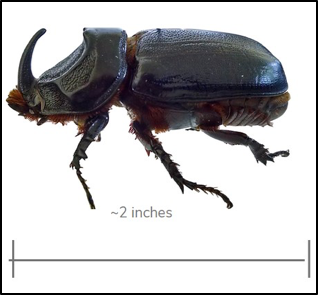
Figure 1. Adult CRB beetle. Source: Coconut Rhinoceros Beetle Response.
A comprehensive operations, management, and maintenance plan is necessary to keep palms alive in the landscape and to prevent the further spread of CRB. This document has been prepared to serve as a set of guidelines for the long-term maintenance of an attractive landscape. Guidance for this document has been provided by experts from the University of Hawaii and the Hawaii Department of Agriculture.
To improve the knowledge base within the Landscape Industry and to ensure workers are following the most current recommendations by the expert agencies, workers at nurseries, tree care companies, and landscape services that handle palms and other plants susceptible to CRB should receive training. The free training workshops will be provided through the University of Hawaii, CTAHR Cooperative Extension, and the workers will receive a certificate of attendance to document that the pesticide applicant has completed the training. The function of maintenance standards and training is to promote a healthy landscape with qualified applicators.
At all times, Best Management Practices (BMP) should be acknowledged and followed for the use of all fertilizers, chemicals, equipment, and irrigation systems. All products shall be used in accordance with product labels - the label is the law and shall supersede any information in this document. As more research emerges and new treatments become available, this document will be amended and updated to reflect the BMPs recommended by authorities on CRB management. Please refer to the CRB Response - Hawaii website for further resources related to CRB and for updates to treatments: crbhawaii.org
2.0 SCHEDULE FOR PLANT MATERIAL PREPARATION
|
TASK
|
DESCRIPTION
|
|
Pre-Installation – In Nursery [Refer to Section 3]
|
|
Primary Treatment
|
Nursery to do prophylactic treatment of palms 3 months before transport with trunk injection or soil treatment.
|
|
Import/Export
off island
|
All interisland transport of CRB Host Material must be inspected by Hawai‘i Department of Agriculture (HDOA) staff and requires compliance agreement with HDOA. All material transport shall follow current regulations.
Export: Nursery to quarantine new plants and materials minimally 72 hours prior to export, particularly with materials originating from O‘ahu or Kaua‘i. Conduct thorough inspection of roots, trunk, and foliage (details below).
Import: Nursery to quarantine new plants and materials received from an infested island for 72 hours and do thorough inspection of roots, trunk, and foliage (details below).
|
|
Quarantine & Inspection
Details in Section 3.0
Pre-Installation
|
During quarantine, inspect root ball, trunk, and crown before moving offsite.
A synergist spray of Piperonyl Butoxide* can be used to induce CRB out of crown during inspections. If CRB are detected, remove insects and return plant to quarantine for 48 hours.
A pyrethroid** contact-insecticide can be applied to the affected parts if CRB are found, and to prevent additional CRB from chewing the palms.
Re-inspect palm before moving off-site.
|
|
Secondary Treatment – In Nursery
|
Regardless of CRB detection, spray crown with pyrethroid** prior to transporting.
|
|
Post-Installation- On Site [Refer to Section 4]
|
|
Maintenance Inspection
|
After installation, visually inspect palms from the ground every 30 days for bore holes and new frond damage. Use binoculars to look at tall palms.
Inspect CRB Host Material every 3 months (turnover or spot check).
|
|
Maintenance Treatment
|
Crown spray pyrethroid product every 3-4 months or during maintenance pruning.
Inject palm with recommended insecticide (Imidacloprid 10% OR Acephate 97%). The Imidacloprid chemical can be applied every 6 months (maximum) or at least 12 months (minimum). Acephate (97%) can be applied every 12 months. The chemicals can be rotated on an annual basis to reduce the resistance in CRB.
|
*Piperonyl Butoxide (PBO) on its own is not an insecticide, but will induce CRB out of palm. PBO is in select pyrethroid insecticide products such as OneGuard or CropSpray.
**Pyrethroids- These are contact insecticides, which can be applied to prevent CRB damage or if CRB were identified in the crown. Select pyrethroid sprays are not approved for nursery use (i.e. OneGuard). Follow the label and use a pyrethroid for nursery application (i.e. CropSpray [which has PBO) or Evergreen [no PBO]).
3.0 PRE-INSTALLATION OF PALM (REFER TO ATTACHMENT 1 FOR LOG)
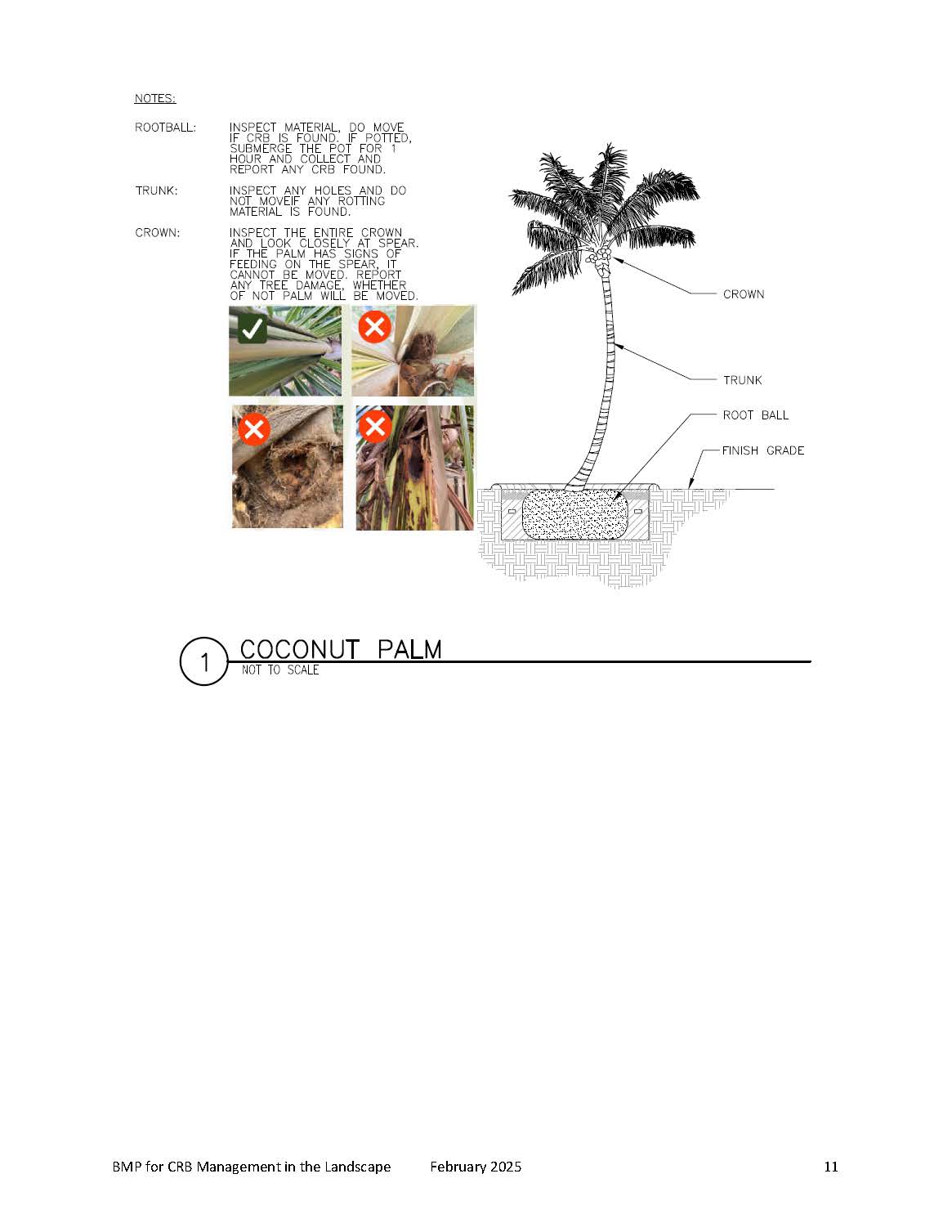
At the nursery, stage the palm so that the root ball, trunk, and crown may be examined.
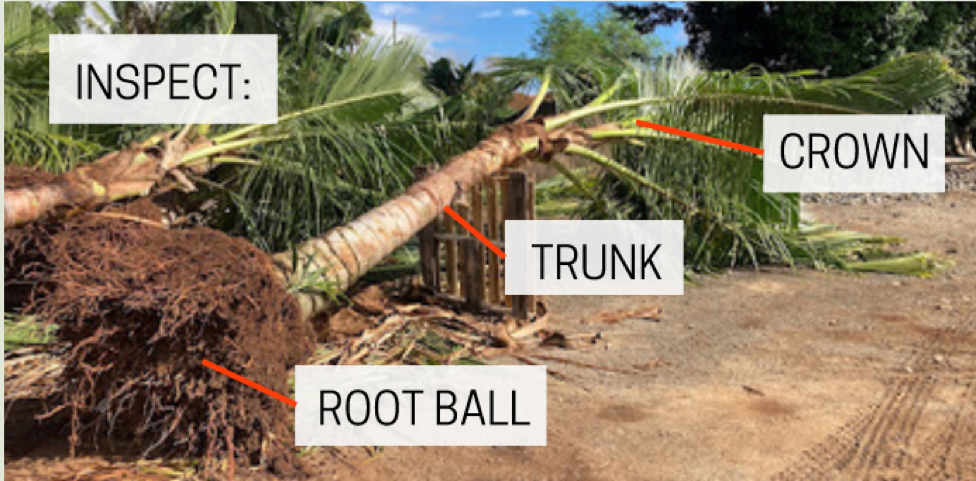
Figure 2. Inspect the root ball, trunk, and crown of the palm. Source: Coconut Rhinoceros Beetle Response.
Inspection Methods:
|
Root Ball
|
If potted, submerge pot for 48 hours and collect/report any CRB found.
If not potted, clear soil as best as possible around roots and inspect for grubs and adults.
Do not transport if grubs or adults are found. Remove and destroy any grubs found.
|
|
Trunk
|
Inspect any and all holes with special attention to the base of the palm. Spray with Piperonyl Butoxide. * Do not move if rotting material or borer holes are found.
|
|
Crown
|
Inspect entire crown and pay attention to the spear. If the spear shows signs of feeding, inspect the base of the spears for signs of CRB boring and remove beetles. Recommended spray with Piperonyl Butoxide* to induce the CRB out of the palm. Always report palm damage whether or not the palm will be moved. Do not transport if spear severely damaged because palm may not survive.
|
|
Crown Treatment
|
Treat crown with pyrethroid** to kill any CRB in palm, and CRB that are attracted to and land on the palm.
|
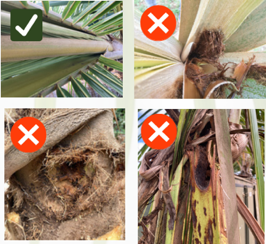
Figure 3. Inspect the entire crown and spear. If the spear shows signs of feeding, inspect the base of the spears and crowns for signs of CRB boring and remove beetles. Source: Coconut Rhinoceros Beetle Response.
*Piperonyl Butoxide (PBO) on its own is not an insecticide, but will induce CRB out of palm. PBO is in select pyrethroid insecticide products such as OneGuard or CropSpray.
**Pyrethroids- These are contact insecticides, which can be applied to reduce CRB damage or if CRB were identified in crown. Select pyrethroid sprays are not approved for nursery use (i.e. OneGuard). Follow the label and use a pyrethroid for nursery application (i.e. CropSpray [which has PBO) or EverGreen [no PBO]).
4.0 MAINTENANCE (POST-INSTALLATION) OF PALM (REFER TO ATTACHMENT 2 FOR LOG)
Inspect trees every 30 days after installation.
- Visual inspection from the ground. Use binoculars to inspect the crowns of tall palms.
- Look for bore holes in the crowns of trees at the bases of fronds and for the characteristic frond damage of 45-degree, v-shaped cuts (coconuts and large palms) or small deformed fronds (fan and loulu). Leaflets will have scalloped edges.
- Inspect CRB Host Material every 3 months (turnover or spot check).
- Aerial inspections can be done when palms are being pruned.
Palm Treatment (Details in section 5.0)
- Re-treat each palm on the following schedule:
-
- Crown Spray Application: during regular maintenance pruning (every 3-6 months) of pyrethroid with long residual (i.e. OneGuard).
Note: EverGreen has residual of up to 1 week.
- Trunk injection of systemic insecticide: Imidacloprid 10%. Select Imidacloprid products can be injected every 6 months in accordance with the product label (Ima-Jet 10). The minimum application of Imidacloprid is every 12 months. Acephate 97% (ACE-jet) can be applied as necessary when CRB damage is first observed on palms. Adhere to the label for each product’s application rates.
OR Soil drench of systemic insecticide: Only if few palms on property- adhere to label application rates. Application rate is every 12 months.
- Option to install physical barriers (netting) at the base of fronds- management required on a 2-3 month schedule
- It's critical to maintain palms free of flowers and fruits if the palms are treated with Imidacloprid or Acephate products due to the potential toxicity to pollinators. Take extreme care to not spray flowers with pyrethroid due to its toxicity to insects.
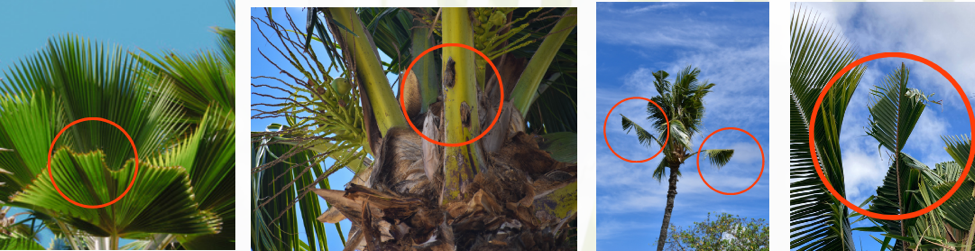
Figure 4. Always document and report signs of CRB damage. Source: Coconut Rhinoceros Beetle Response
5.0 TREATMENT BEST PRACTICES FOR PALMS (REFER TO ATTACHMENT 3 FOR LOG)
Integrated pest management should be done in the following order:
1) Prevention (i.e. inspection prior to palm installation)
2) Cultural/Sanitation (maintain areas free of breeding habitat)
3) Physical/Mechanical (install barriers in palm crown)
5) Chemical (for non-consumption fruiting palms only)
If CRB and/or its larvae are found on the plant materials, the following management practices can be implemented. Note that there is no single treatment that completely eliminates CRB. Combining multiple practices is most effective.
Chemical/Pesticide Best Practices
- Trunk injection (systemic)
-
-
- Apply Acephate 97% for faster kill of resident CRB adults (for ornamental trees only). No application is permitted when the plant has flowers, per product label).
-
-
- Apply Imidacloprid 10% for long-term protection (for ornamental trees only. No application is permitted when the plant has flowers, per product label)
-
-
- Not restricted-use pesticides, but applicators must be trained on using equipment properly.
- Inject at base of the palm where not visible. Success has been reported with drilling and injecting into spike holes. Injections are possible in adventitious root zones.
- No per-acre limitations for application.
- Not to be applied in conjunction with a soil drench
-
- The residual duration for Acephate is 1-2 months. Repeat applications as necessary if damage reappears.
- Maximum application every 6 months for Imidacloprid (recommended).
-
-
- As of November 2024, only Ima-Jet10 is labeled for 6-month application rates.
- Adhere to label rate and timeframe for other Imidacloprid products.
-
- Minimum application every 12 months for Imidacloprid or Acephate
-
-
- Consider switching between chemicals annually or every 2 years to reduce potential resistance in CRB.
-
- Requires trimming of flowers and fruits every 4-6 months to protect pollinators (best management practice) and no consumption of fruits within 1 calendar year (per product label).
- Takes 1-2 weeks (Acephate) or 2-4 weeks (imidacloprid) to uptake and be effective. The residual duration is 6 months to 1 year.
- CRB needs to feed on palm to ingest chemical- palms may still show signs of damage even after injection.
- Large-scale application is needed for effective treatment.
-
-
- Imidacloprid (No application of product is permitted when plant has flowers, per product label).
- Not a restricted-use pesticide.
- Liquid form- use bucket to mix with water and drench root zone, or use soil probe with tank mix. Adhere to the label for per-acre application rates.
- Granular form- spread around the root zone of palm. Adhere to the label for application rates.
- Similar mode of action as trunk injection, used primarily for short trees or few trees on the property.
- Not to be applied in conjunction with a trunk injection.
-
- Maximum application every 12 months.
-
- Requires trimming of flowers and fruits every 4-6 months to protect pollinators (best management practice) and no consumption of fruits within 1 calendar year (per product label).
- Takes 4-6 weeks to uptake and be effective. The residual duration is 6 months to 1 year.
- CRB needs to feed on palm to ingest the chemical- palms may still show signs of damage even after injection.
- Adhere to label application rates- do not exceed the allowed amount of active ingredient per acre per year, as directed by the product label.
- No application near water (minimum 25 ft. from water).
- Canopy Spray
-
- Chemical Application
- Pyrethrin (i.e. EverGreen- botanical derived, organic) or Pyrethroid (i.e. OneGuard or CropSpray- synthetic).
- Not a restricted-use pesticide.
- Mix in a hand-sprayer for climbers, 1 or 2-gallon wand sprayer for aerial lift, or backpack sprayer for short trees that can be reached from the ground.
- Apply only to frond bases in the crown where CRB will bore in. Do not apply to the leaves on frond.
- PPE is glasses, gloves, long pants, shoes & socks.
- Application Schedule:
- Apply every 3-4 months, when trees are pruned.
- Degrades with sun and rain, may need more frequent application based on the weather in the application area.
- Management:
- Contact-insecticide, so will kill/paralyze all insects that come in contact with the sprayed area. Do not apply directly to flowers.
- Can be applied in conjunction with trunk injection OR soil drench.
- Residual duration is 1-3 months.
- No application near water (streams, ocean) due to runoff potential.
Non-Pesticide Best Practices
-
- Traps
- Pheromone traps
- Install in non-palm species or on the ground away from palms and other CRB host plants (i.e., banana, hala, kalo, ulu, etc.)
- Netting
- Prevents CRB from accessing the crown of the tree to bore.
- Management to reset netting is required every 2-3 months.
- Ensure netting is loose/fluffy.
- Ensure the net hole size is no greater than 1-2 inches stretched.
6.0 MANAGEMENT OF GREENWASTE (I.E. BREEDING SITES)
CRB host sites include materials beyond live palms. Breeding sites have been found in dead palm and tree stumps, compost, mulch, trimmings, fruit, and vegetative scraps. When possible, avoid the accumulation of these materials. Always treat infested material before removal and properly treat green waste.
CRB INFESTED DEBRIS
|
Fresh (Tree and Palm Waste- branches, logs, stumps, fronds, leaves)
|
Material can be moved within 30 days of removal from a live plant.
|
|
Treated
|
Treated material can move within 48 hours of treatment. Options for treatment include heat treated (core temperature 131 degrees Fahrenheit), chipping or grinding (all material is run through a chipper or grinder), or fumigation [material is fumigated with sulfuryl fluoride to 2000 Concentration -Time (CT)].
|
|
Secure
|
Material may be moved if it is sealed overnight, remains in a CRB safe container, and if it was CRB-free when loaded.
|
|
Processing Site
|
Material may be taken directly to a certified processing facility where it will be ground within 72 hours of transport and heat treated to 131 degrees Fahrenheit.
|
If CRB and/or its larvae are found, a kill-treatment of infested debris is required on a 3-month cycle. The CRB Response recommends removing unnecessary greenwaste and mulch off-site as quickly as possible and directing material to a certified processing facility, using proper transport methods. Refer to the CRB Response website for the current transport details and processing facilities.
TREATMENTS AND BEST MANAGEMENT PRACTICES
- Processing and/or Removal of Greenwaste
-
-
-
- Chip infested whole un-processed material (branches, logs, fronds)
- Do not store chips- keep material whole until it can be chipped, removed, or used.
-
-
- Heat treatment/ Hot Compost
-
-
-
- Aim for core temperature 131°F/55°C (minimum 115°F).
-
-
- Note- material can be re-infested once it cools.
-
-
-
- Fumigation with sulfuryl fluoride.
- High-throughput treatment of infested material.
- Effective at devitalizing CRB eggs.
- 2000 Concentration-Time (CT) treatment resulted in complete devitalization.
- 1500 CT treatment resulted in 1-2% egg survival.
- Can be used for treating material from small breeding sites or for off-island shipment.
-
-
-
- Spread mulch and compost thinner than 2 inches deep.
- Allow material to dry and for predators to find CRB.
-
-
-
- Dig through the material and remove CRB.
- Unreasonable for large piles but manageable for small piles.
- Adopt a 3-month turn and inspection schedule.
-
-
-
- Apply thin gill netting over compost piles to trap beetles entering the pile to lay eggs, and beetles emerging from the pile.
- Do not stretch the net- beetles can bore through and cut the net. Keep it light and fluffy to trap the beetles.
- Regularly inspect the net and maintain it free of holes.
References:
CRB Response https://www.crbhawaii.org/
CRB Statewide Communication Plan https://dlnr.hawaii.gov/hisc/files/2024/03/Hawaii-CRB-Communications-Plan-2024.pdf
Expert input and review by the State of Hawaii:
Hawaii Department of Agriculture - Darcy Oishi
University of Hawaii at Manoa - Dr. Michael Melzer, Dr. Keith Weiser, Dr. Zhiqiang Cheng
University of Hawaii at Manoa Cooperative Extension - Alberto Ricordi
PBR HAWAII & Associates, Inc., based in Hawaiʻi for over 50 years, delivers high quality, effective, and inspiring built spaces. Our staff of Landscape Architects, Designers, Planners, and Graphic Designers, is intimately involved with the planning processes and design requirement necessary to implement projects of all scales.
Tree Solutions Hawaii is a small family consulting firm with over 50 years of experience, focused on providing science- based arboriculture and environmental services.
APPENDIX I. Select Product Labels
Select Product labels:
Trunk Injection
Ima-Jet 10: https://arborjet.wpenginepowered.com/wp-content/uploads/2021/03/IMA-jet10_websitelabel_9152020.pdf
https://arborjet.wpenginepowered.com/wp-content/uploads/2024/04/IMAjet10-Insert8.5x11_2ee-2024.pdf
Ace-Jet: https://arborjet.wpenginepowered.com/wp-content/uploads/2023/01/8.5x11ACEjetInsert_012023_websitelabel.pdf
Xytect 10%: https://rainbowtree.widen.net/s/7pqtrnkpnh/xytect-10-insecticide-label
Imicide: https://www.mauget.com/wp-content/uploads/2015/07/Imicide.pdf
Soil Drench
Merit 75 WSP: https://labelsds.com/images/user_uploads/Merit%2075%20WSP%20Label%2010-25-16%20AV1.pdf
Crown Spray
OneGuard: https://www.mgk.com/product_docs/15435/ldE6I001.pdf
EverGreen: https://www3.epa.gov/pesticides/chem_search/ppls/001021-02560-20170419.pdf
CropSpray: https://www3.epa.gov/pesticides/chem_search/ppls/000432-01033-20110922.pdf
DemonMax: https://www.syngentapmp.com/current-label/demon%20max
MustangMaxx: https://www.cdms.net/ldat/ldAMJ024.pdf
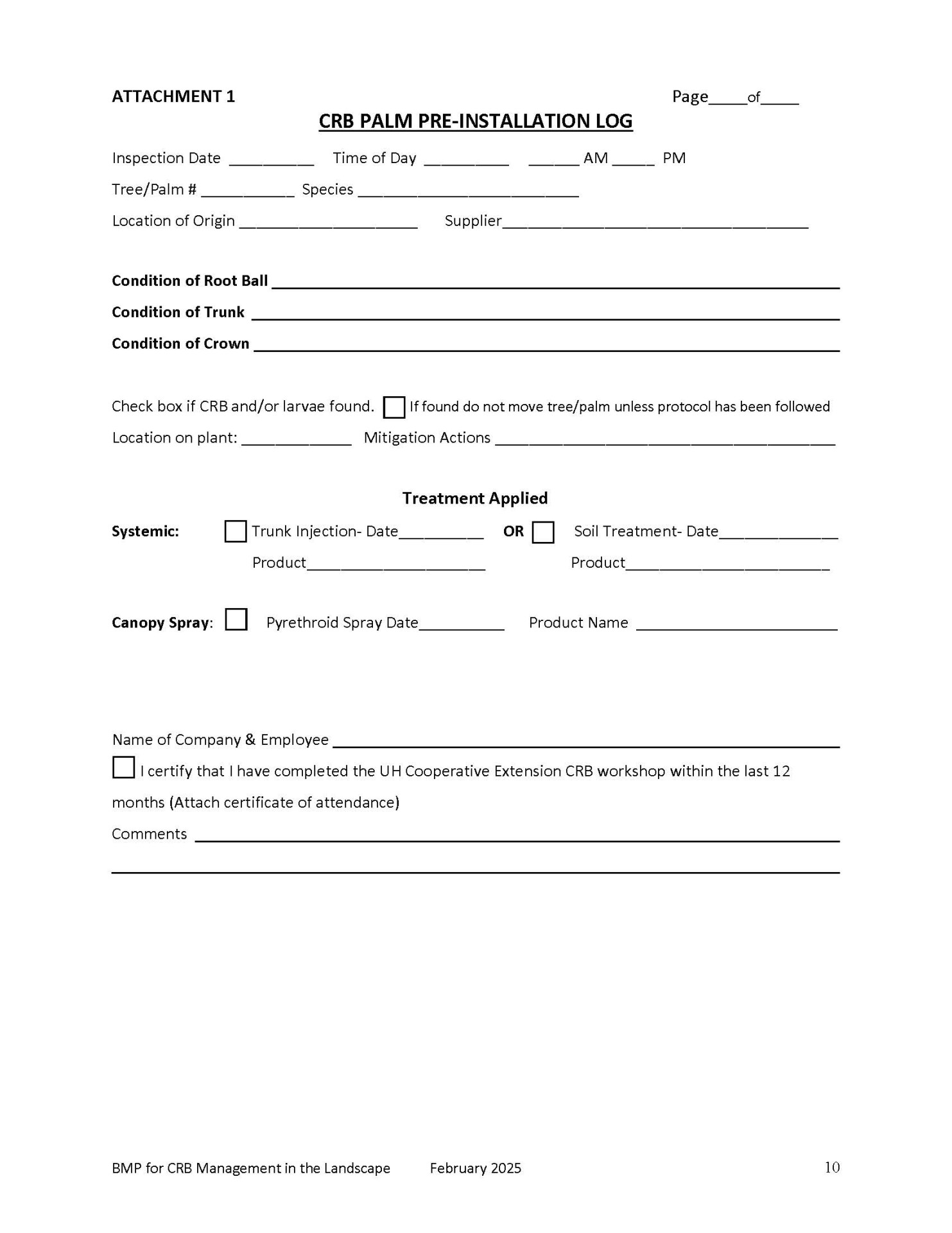
APPENDIX II. ATTACHMENT 1. CRB PALM PRE-INSTALLATION LOG
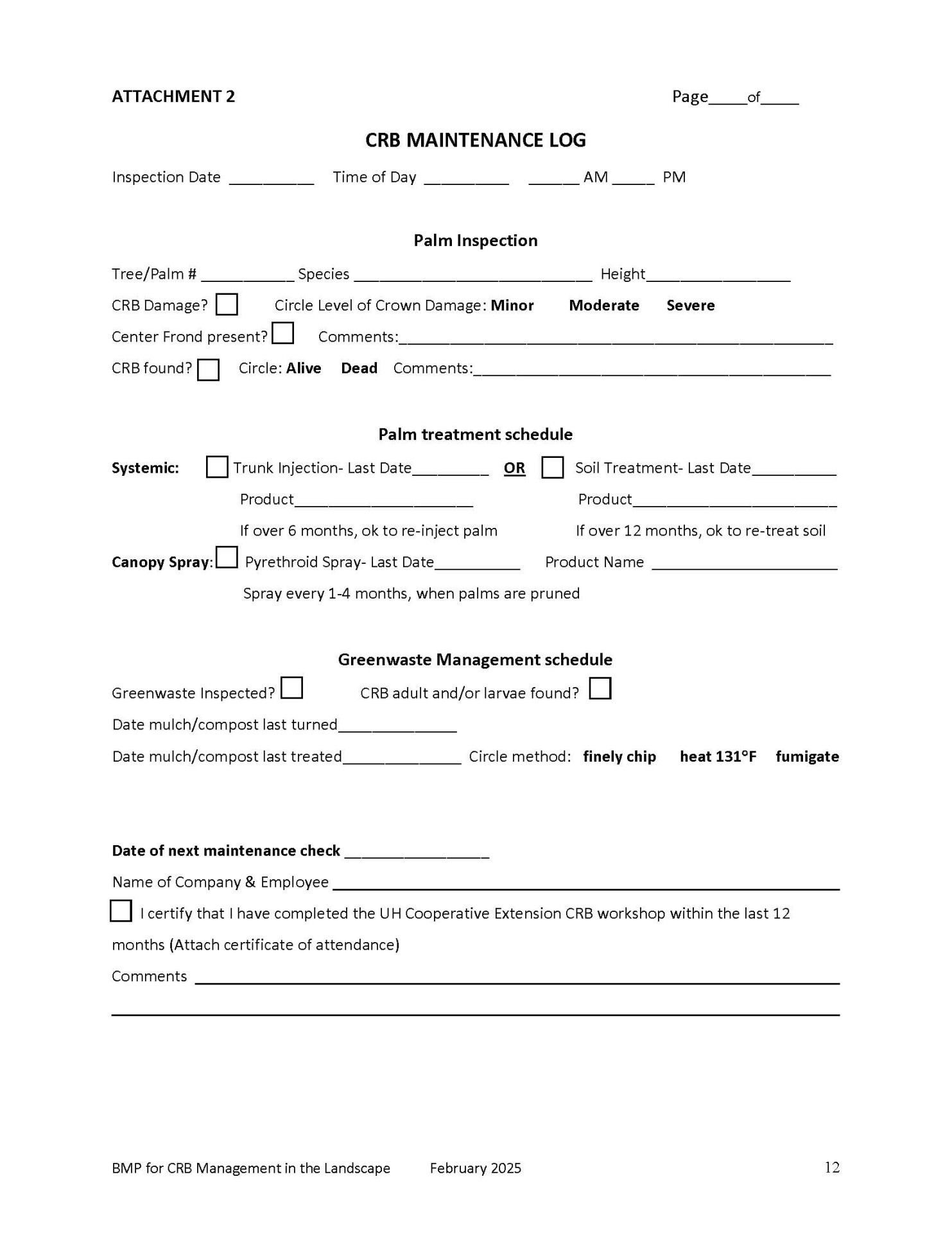
APPENDIX II. ATTACHMENT 2. CRB MAINTENANCE LOG
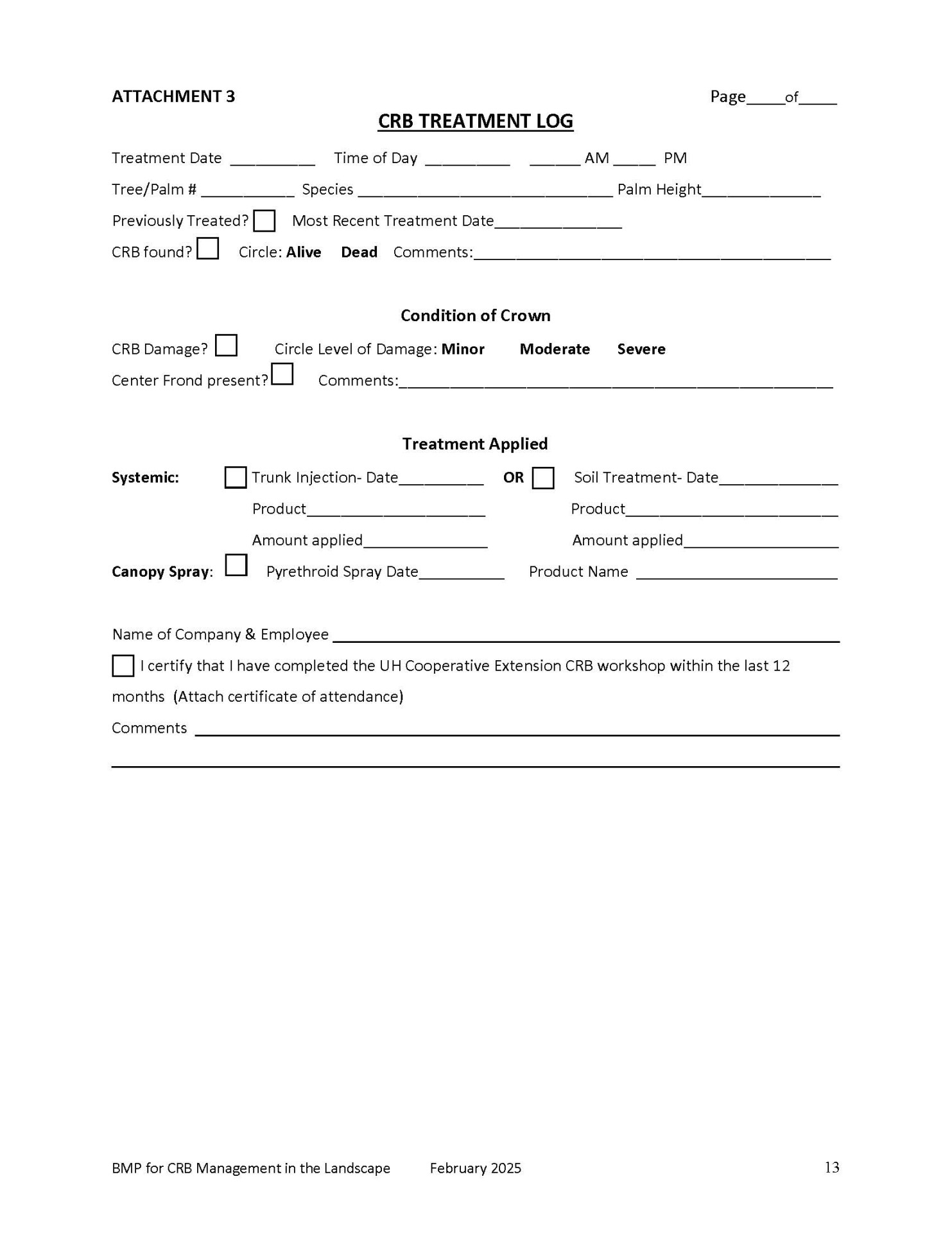
APPENDIX II. Attachment 3. CRB TREATMENT LOG
Back to top
UH Manoa adds 'resilience' to college name to reflect vision, mission
By; Dan Meisenzahl, University of Hawaiʻi at Mānoa
The University of Hawai’i at Mānoa College of Tropical Agriculture and Human Resources has officially changed its name to the College of Tropical Agriculture and Human Resilience (CTAHR), in a step that CTAHR Dean Parwinder Grewal said will better reflect the college’s mission and vision.
“This update embodies our college’s commitment to fostering resilience across individuals, communities, economies and ecosystems, emphasizing its focus on sustainable agriculture, climate change adaptation, and family and community well-being,” said Grewal. “We at CTAHR define human resilience as building individual, community and environmental endurance in the face of challenges such as climate change.”
CTAHR aims to lead research and educational initiatives that help prepare Hawaiʻi and the Pacific region to respond to and recover from climate-driven impacts to agriculture and communities.
“Our programs are centered on enhancing the human condition through a comprehensive approach to building resilience in agricultural and natural systems in the face of climate change,” said Grewal.
The process to change the name, which retains the college’s well known acronym, CTAHR, began shortly after Grewal started as dean of the college in March 2024. He had a series of meetings with faculty, students, staff, and alumni who all supported the name change proposal. A survey conducted among CTAHR faculty, staff, students, alumni and stakeholders found that more than 67% of respondents endorsed the change, with more than 72% agreeing that “human resilience” better captures the college’s mission and values.
The mission of several of CTAHR's departments already reflect the name change such as the Department of Family and Consumer Sciences, which conducts research and teaching programs on individual and family resiliency. The Department of Human Nutrition, Food, and Animal Sciences focuses on research and academic programs in human nutrition and dietetics, to enhance nutritional health of individuals, children and families. The Department of Natural Resources and Environmental Management explores human dimensions research through the relationships between humans and the natural environment for improved human management decisions and policy creation. CTAHR's extension programs focus on improving economic, social, and health and wellbeing of individuals, families and communities and offer youth development programs such as 4-H to build teenage resiliency.
The school will be changing its signage and webpages over the coming months to reflect the name change. “Human Resources” was added to the then “College of Tropical Agriculture” in 1978 when the college merged with the UH Hawaiʻi Institute of Tropical Agriculture and Human Resources, which was dissolved in 1999. The meaning of “human resources” has since shifted from resources for people, like healthy food and clean water, to primarily being associated with business and personnel management.
CTAHR was the very first college at the University of Hawaiʻi at Mānoa when it was founded in 1907 under the Morrill Act as a land-grant college of agriculture and mechanic arts. The flagship campus now has 17 colleges and schools.
This article has been reprinted with permission from the University of Hawaii at Manoa. View source.
Back to top
Community News
 Early attendee registration is now open. Secure your spot for our annual event. Early attendee registration is now open. Secure your spot for our annual event.
Tradeshow and sponsor registration is also open. Save $100 when registering early.
Schedule, speakers and programming are being finalized. Watch for event details, coming soon.
CALL FOR SPEAKERS
Are you interested in speaking or have an idea for a topic? Interested parties are invited to complete a speaker application. If you would like information on sponsoring or exhibiting at this event, please contact us at [email protected]
LANDSCAPE TOUR
Additionally, a Friday tour is being planned. If you have a suggestion for a tour location or would like to assist in the planning of the 2025 tour, please contact us.
Register before Thursday, Sep 18, 2025 to avoid late fees.
Sponsors and exhibitors save $100 when registering before June 1.
Back to top
Hawaii Tree Jamboree 2025 Event Results
By: Carol Kwan
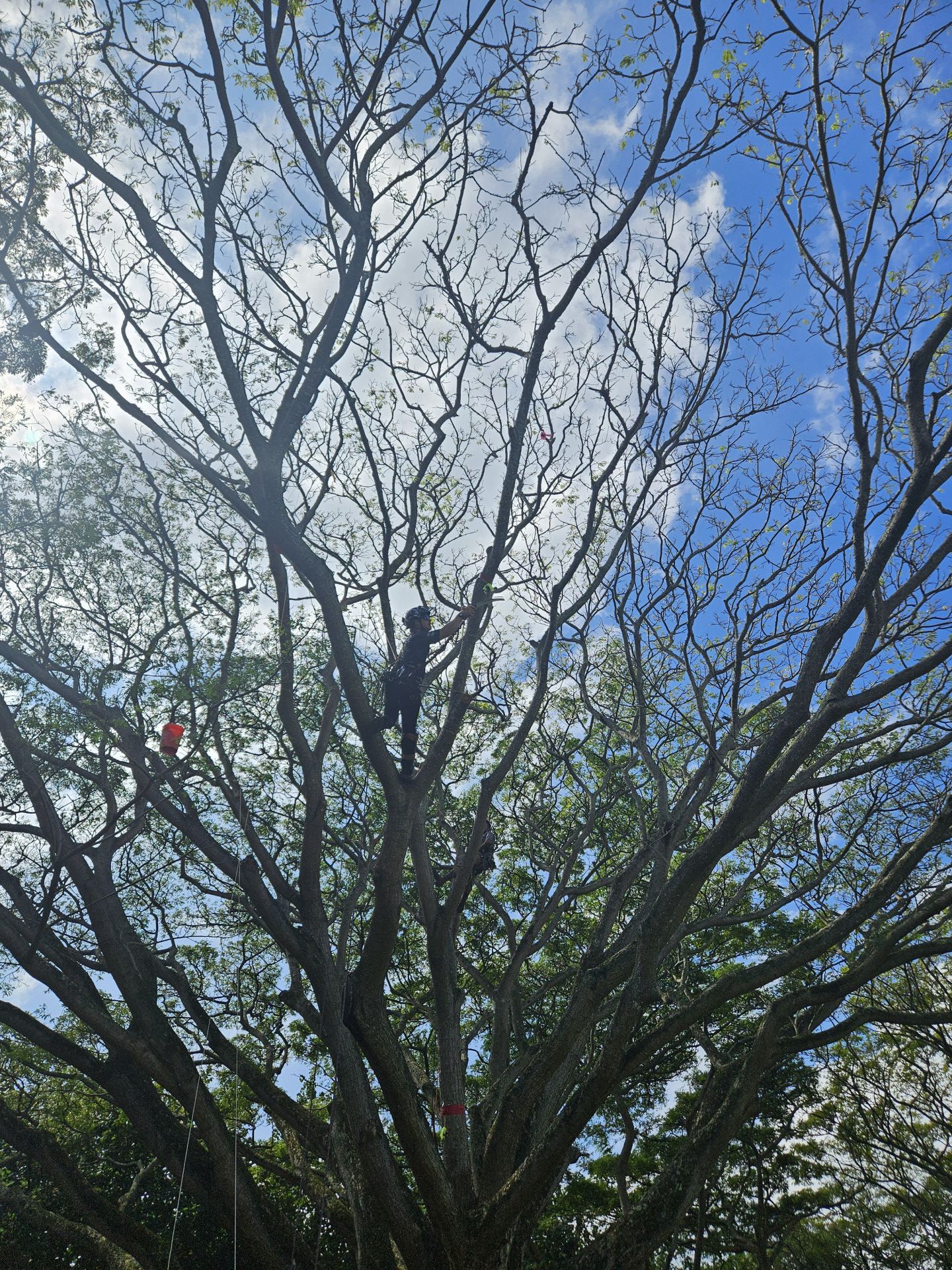
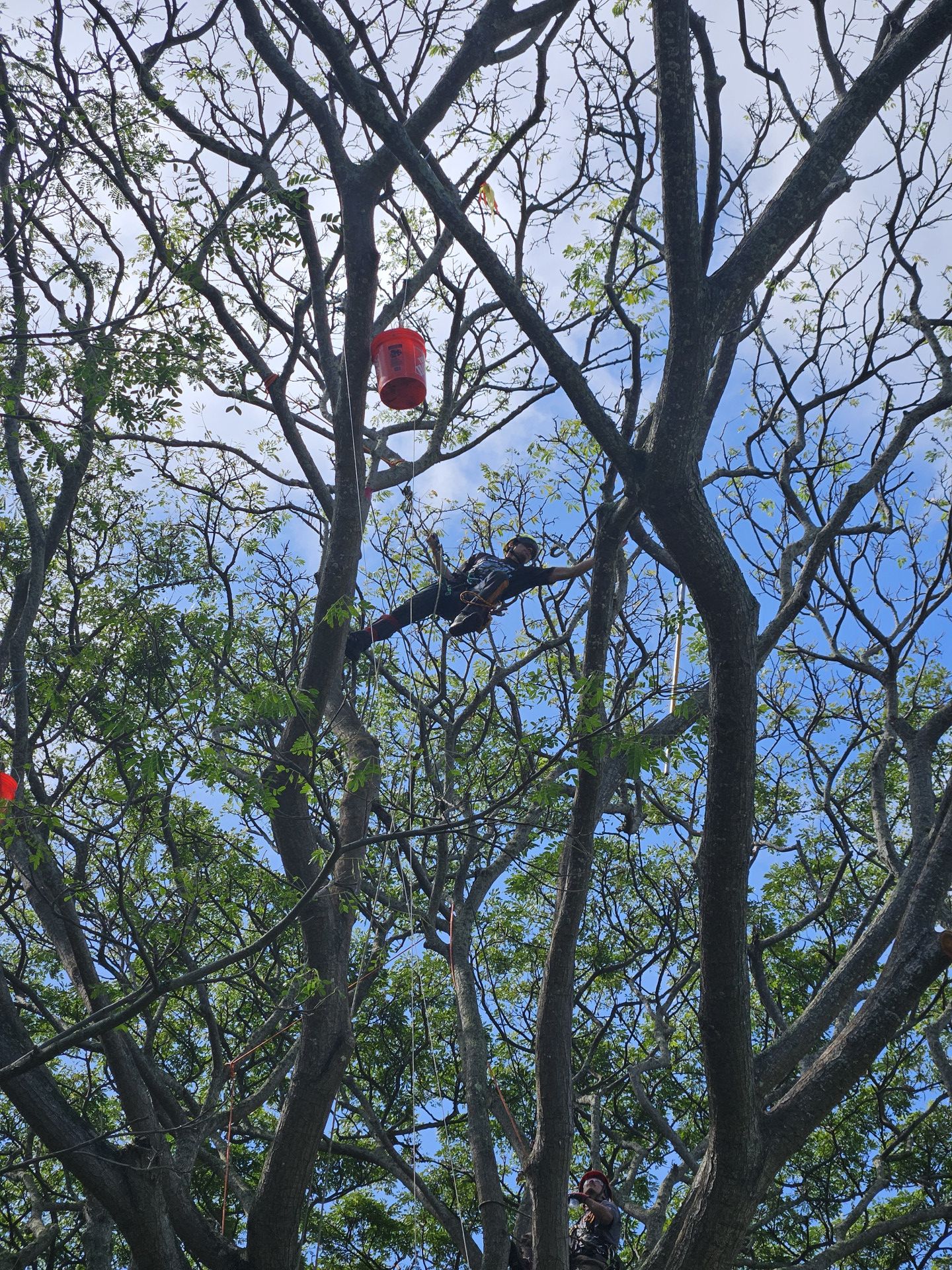
Aloha Arborist Association held its annual Hawai‘i Tree Climbing Jamboree in the large monkeypod trees at beautiful Anahola Village Park on the Island of Kauai February 14-16, 2025. A pre-event training was conducted by Lawrence Schultz of California on Valentine’s Day. Congratulations to all of our competitors for their efforts:
Master Finals results:
- 1st Lawrence Schultz (California)
- 2nd Brady Paselk (Oklahoma)
- 3rd Jake Kane (Maui)
- 4th E.J. Turner (Missouri)
- 5th Justin Donahue (Oahu)
- 6th Will Loomis (Oahu)
Jake Kane, as our top local competitor, will probably be representing Hawaii at the Western Chapter ISA Tree Climbing Competition in Sacramento, California, the weekend of June 21, 2025, pending permitting. If Jake is not able to make it, our second-place local finisher, Justin Donahue, will take his place in representing Hawaii.
 |
|
 |
|
Figure 1. Jesse Taylor from Oklahoma performing the work climb. Photo credit: Justin Barrios.
|
|
Figure 2. Lawrence Schultz from California swinging over to the first bell during the work climb. Photo credit: Justin Barrios.
|
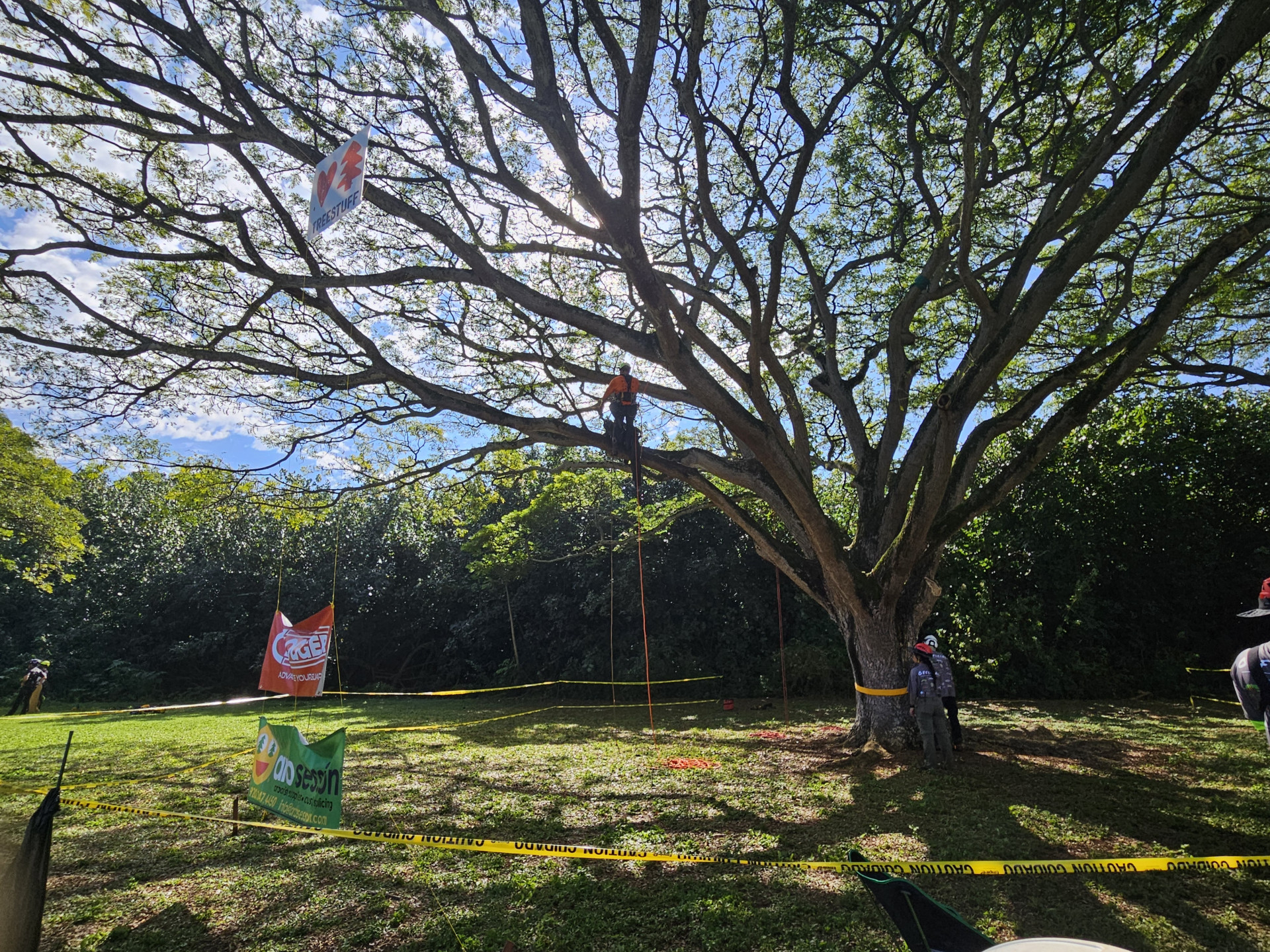
Figure 3. Local climber from Kauai, Brian Greer, positions the rescue dummy for the aerial rescue station. Photo credit: Justin Barrios.
Mahalo to our sponsors for the event: Backyard Monkey L.L.C., Kaleo’s Tree Services, Inc., JP’s Tree Trimming, Rock Exotica, Climb Aloha, TreeStuff, Kamuela Hardwoods, Truewerk, Tree Works, Inc., Husqvarna, DMM, @Height, Mauget, The Cutting Edge, Clogger, and Arbsession.com.
Carol Kwan is the President of Carol Kwan Consulting, a Certified Arborist, Treasurer of Aloha Arborist Association, and a Past President of Western Chapter International Society of Arboriculture.
Back to top
Calendar of Events
March 21, 2025
7:00 AM HST - 6:30 PM HST
Koolau Ballrooms and Conference Center
Mauget presents Aloha Trees 2025
For information on CEU credit and other details visit the event website. https://maugetcertified.com/event/aloha-trees-2025/
April 10, 2025 8:00 AM HST to April 11, 2025 5:00 PM HST
UH Mānoa Campus Center
Posted by: Carol Oshiro on behalf of Dean Grewal, University of Hawaii at Manoa
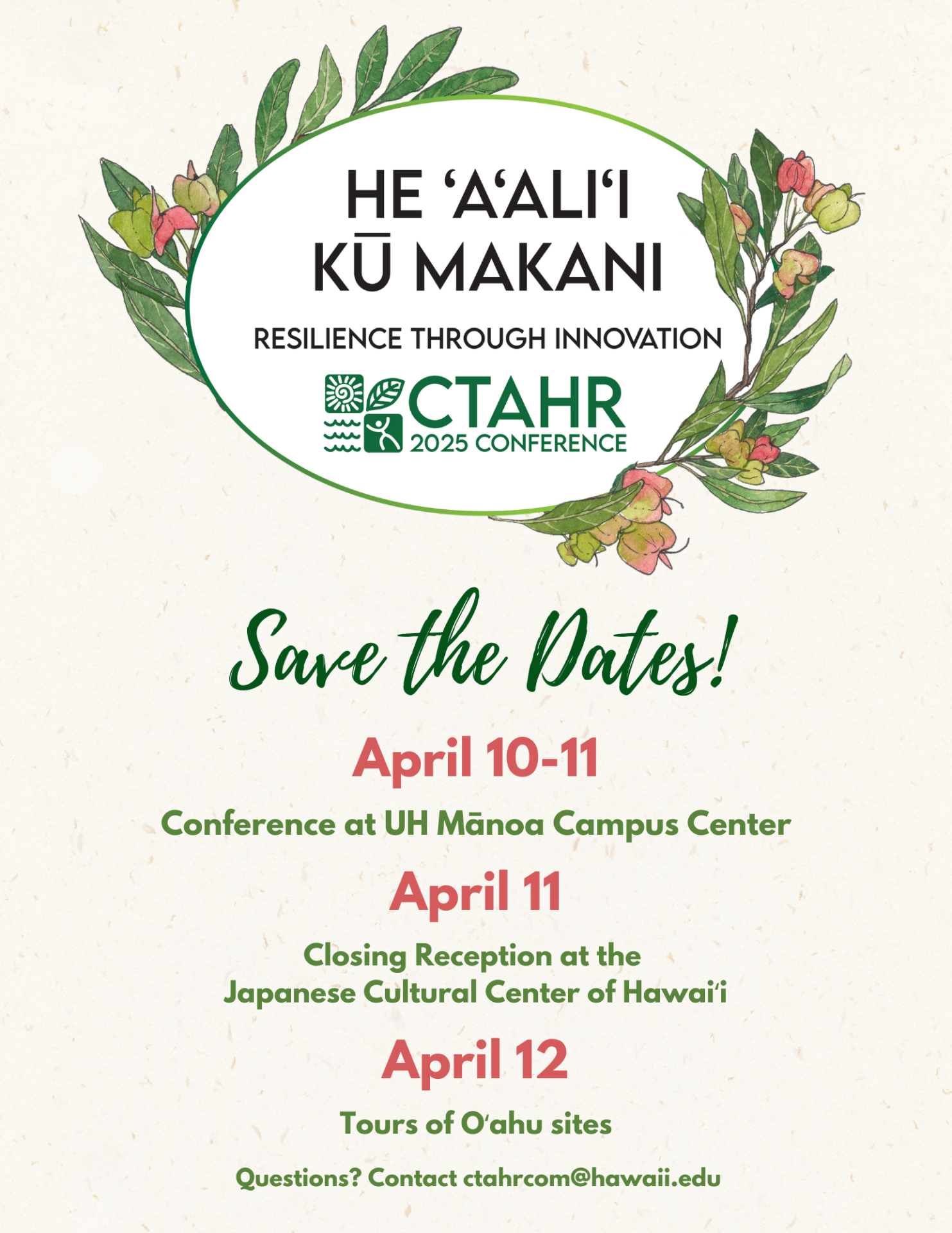
Please save these important dates for the 2025 Conference of the University of Hawai‘i at Mānoa’s College of Tropical Agriculture and Human Resilience from April 10-12, 2025.
Our theme “He ʻAʻaliʻi Kū Makani: Resilience Through Innovation,” a fitting vision for this prestigious event; ʻaʻaliʻi (Dodonaea viscosa) is a highly adaptable native plant that can withstand drought, storms, high winds, and pollution. While indigenous to our islands, the ʻaʻaliʻi thrives around the world because of its hardy nature.
Mark your calendar for the:
- Conference from April 10 to 11 at the UH Mānoa Campus Center.
- Closing reception and annual CTAHR awards the evening of April 11 at the Japanese Cultural Center of Hawaiʻi.
- Tours on Oʻahu on April 12.
I encourage you to apply to be a conference presenter on April 10 and 11. Presenters will share their groundbreaking research and innovative practices that are shaping the future of agriculture, sustainability, and well-being in Hawaiʻi. Click this link to apply by March 10.
Join your colleagues at CTAHR as we share the groundbreaking research and innovative practices at our college that are shaping the future of agriculture, sustainability, and well-being in Hawaiʻi.
More conference details, including speakers, the program, and ticket prices will be shared soon. We look forward to seeing you there!
Mahalo,
Parwinder Grewal
Dean and Director
Back to top
|