#85 Invasives & Edible Landscapes (July / August) 
Acacia mangium: A Fast-Growing Forestry Tree Turned Invasive in Hawaii
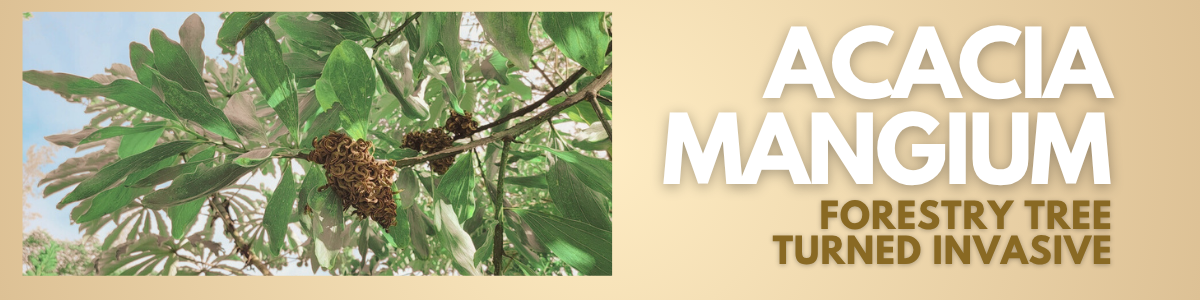
Acacia mangium, commonly known as mangium, salwood, or black wattle, is a fast-growing, nitrogen-fixing tree in the pea family (Fabaceae). Native to northeastern Australia, Papua New Guinea, the Moluccan Islands, and Indonesia, this tropical evergreen was introduced to Hawaiʻi in the 1970s for forestry trials and bioenergy research. While initially valued for its rapid growth and ability to enrich soils, A. mangium has since escaped cultivation and become invasive in parts of the Hawaiian Islands.
Botanical Features
A. mangium is a tall, single-stemmed tree that can reach heights of 25 to 35 meters. Its bark is smooth and greenish in young trees but becomes fissured within two to three years. One of its most distinctive features is its phyllodes—broad, flat leaf-like structures that resemble those of Hawaiʻi’s native koa (Acacia koa), but are larger and have distinct parallel venation. The seed pods of A. mangium are also notable: long, narrow, and often twisted into tight spirals or open coils, they have a shape that some describe as resembling a “ball of worms.”
The tree is highly reproductive, flowering, and fruiting nearly year-round. Its seeds are spread primarily by gravity and birds, and it can reproduce both from seed and by coppicing (sprouting from cut stumps), making it resilient and difficult to control once established.
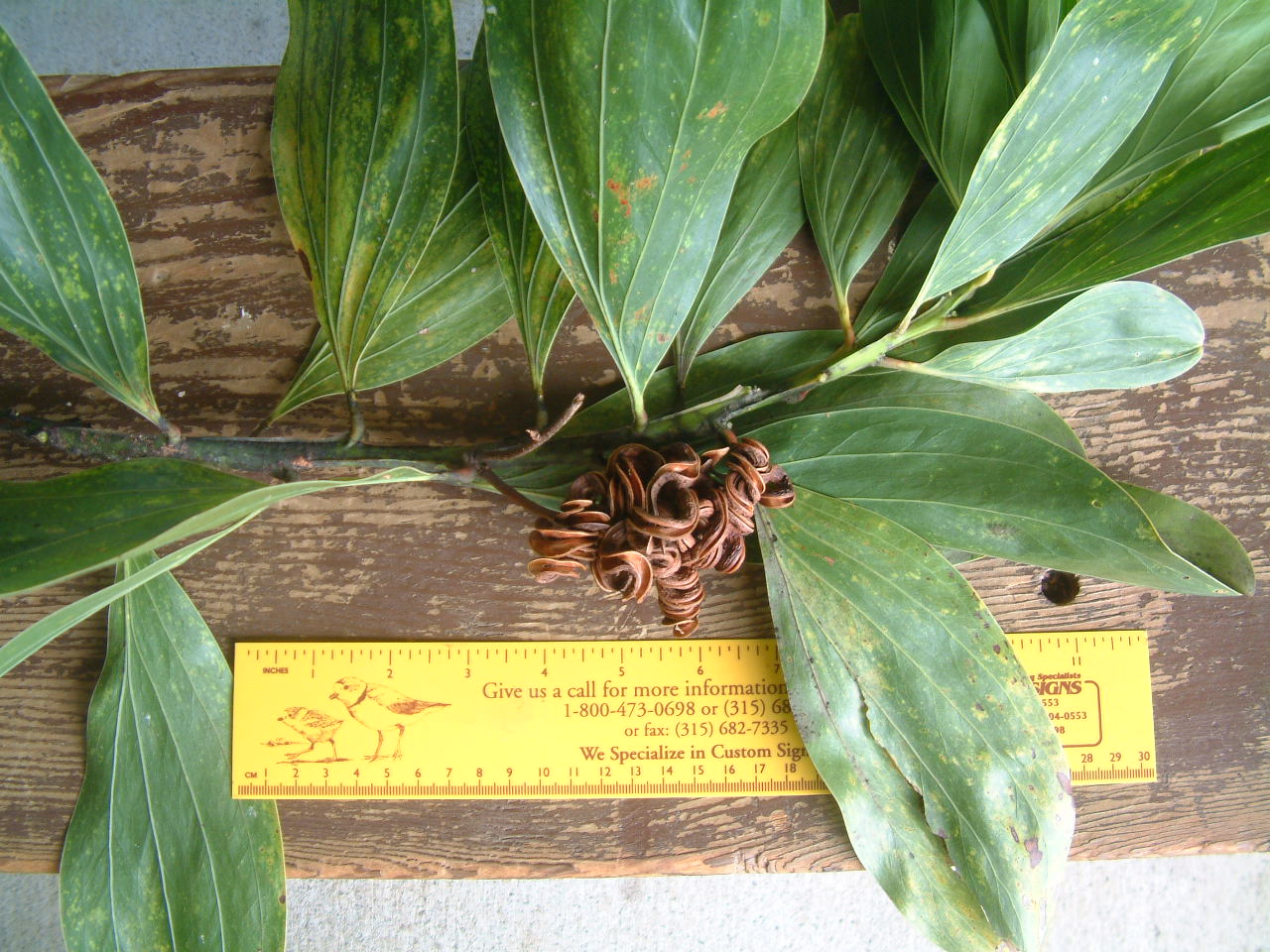
Figure 1. Large phyllodes with prominent parallel veination and a coil of seeds, sometimes called a ball of worms—Photo Credit: JB Friday.
Hawaii County- Introduction and Uses
The introduction of Acacia mangium to Hawaiʻi Island occurred during the 1970s, when global energy concerns and the decline of local bagasse production prompted interest in renewable biomass sources. U.S. Forest Service (USFS) and C. Brewer Co. Ltd researchers explored using short-rotation tree species to produce bioenergy. Because A. mangium is a nitrogen-fixer, it was chosen to be interplanted with eucalyptus in experimental trials, reducing the need for synthetic fertilizers.
Trial plots were planted at Kamae on the Hāmākua Coast and at Nīnole in the Kaʻū District at elevations of 1,000 to 2,000 feet. In addition to these research sites, a project worker reportedly planted A. mangium in a Puna neighborhood—either Hawaiian Paradise Park or Orchidland—where it has become widespread. Today, the species is naturalized and spreading in the very regions where it was intentionally introduced.
In 2006, researcher Scot Nelson conducted experiments grafting A. mangium onto native Acacia koa to explore the tree’s resistance to koa wilt—a novel approach with initial success rates ranging from 20% to 70%. After growing a graft for 4 years, it was planted at the College of Tropical Agriculture and Human Resilience (CTAHR) Komohana Agricultural Complex. Sadly, the healthy grafted tree was attacked by black twig borers, and the tree eventually succumbed.
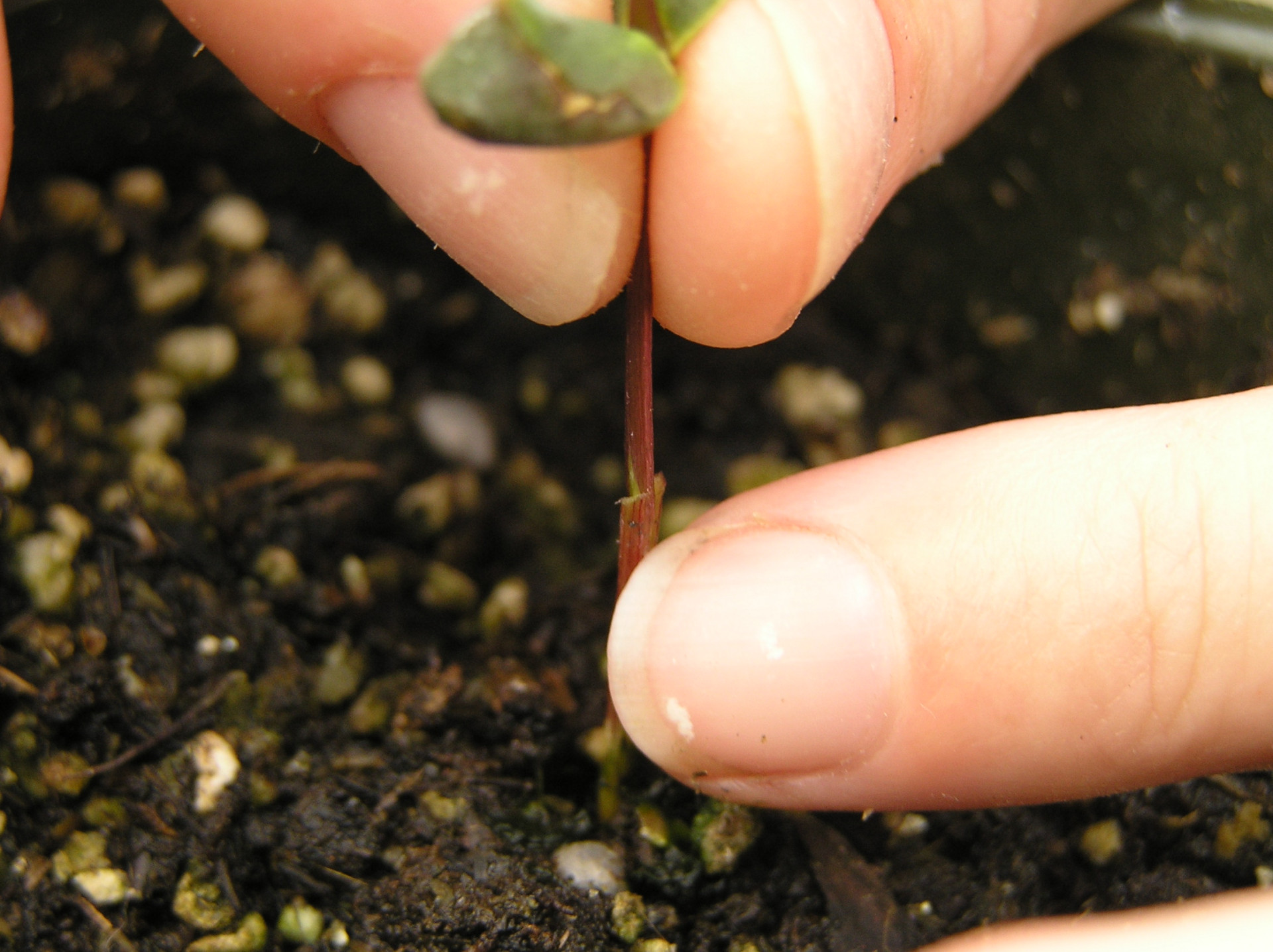
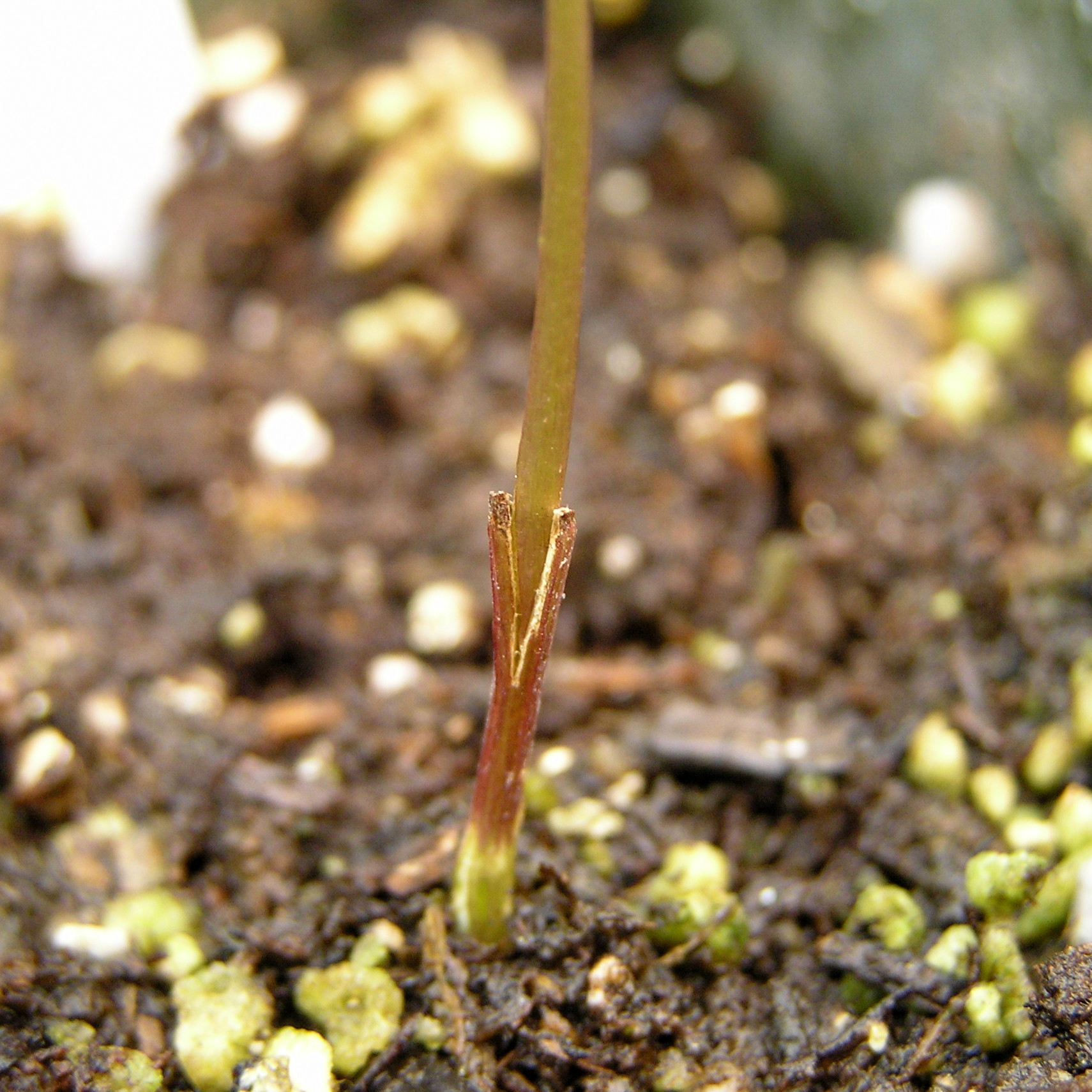
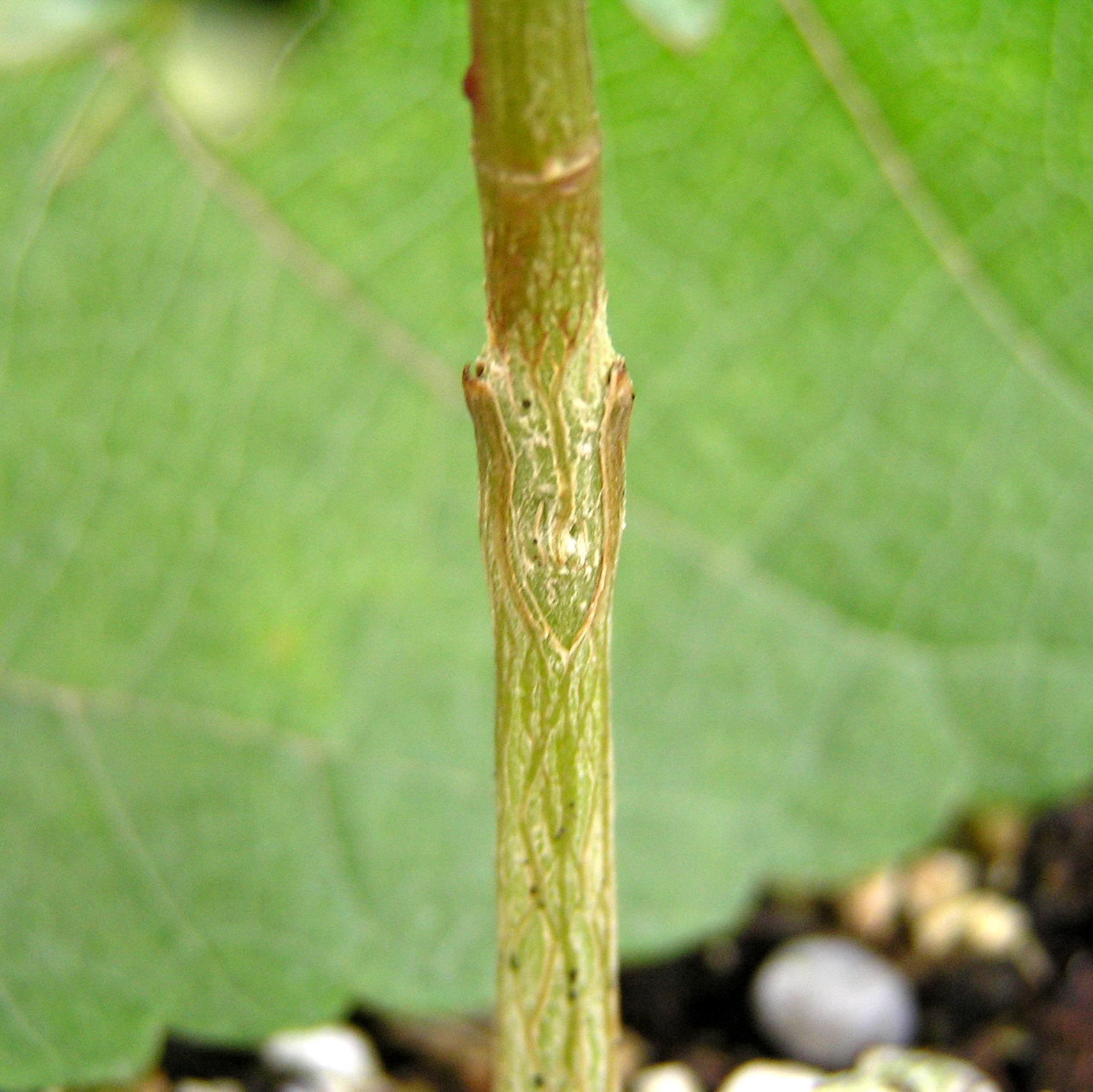
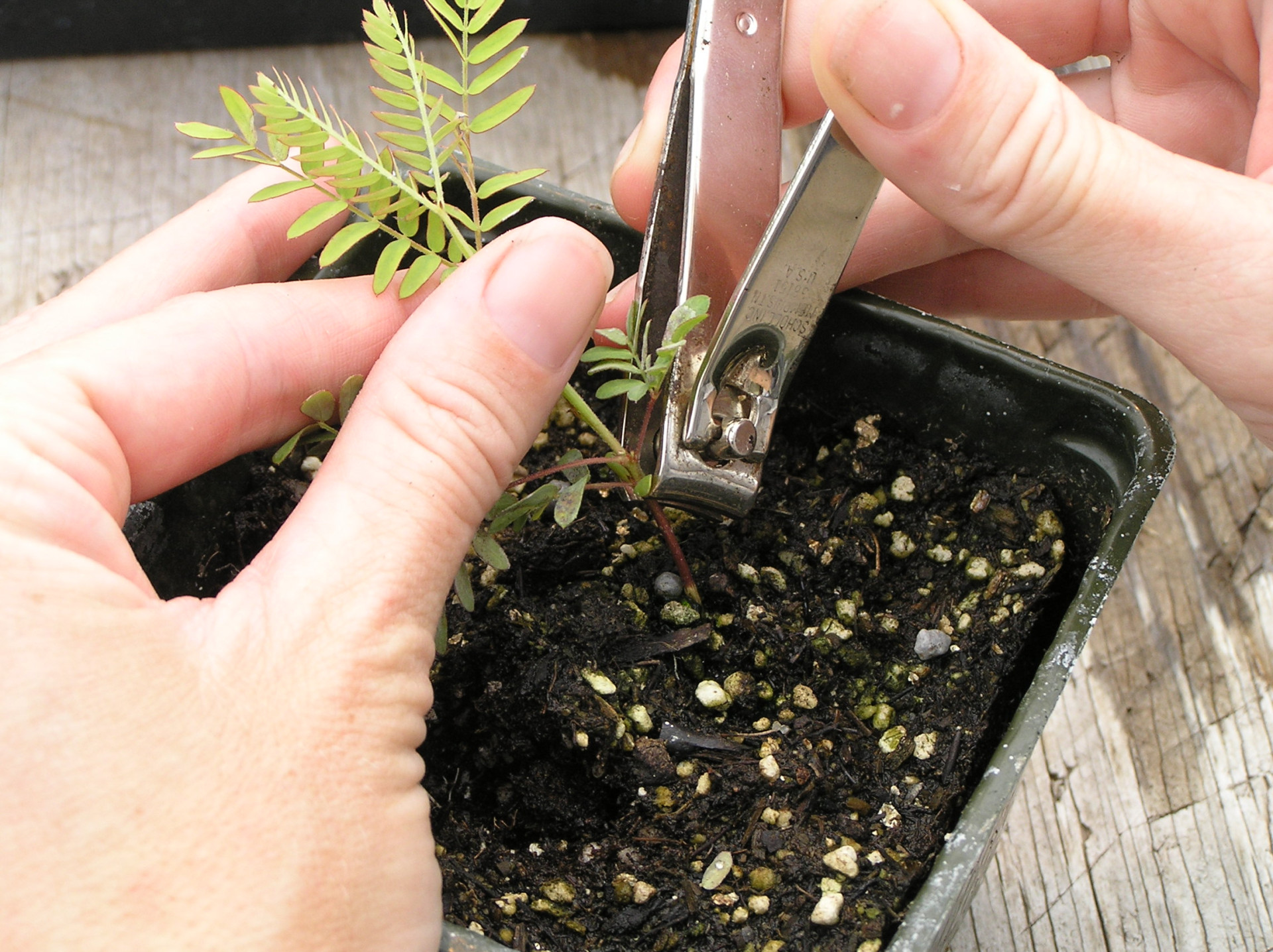
Figures 2-5. Micrografting A. koa using A. mangium rootstock. Photo credit: Scot Nelson.
Hawaiʻi Island residents on the windward side are most impacted by A. mangium. The tree is now considered a common weed in several areas, including Puna, Umuʻuma, and Hakalau. Extension Forester, J.B. Friday, observed its spread as early as 2002, and the Big Island Invasive Species Committee (BIISC) collected and submitted a voucher specimen to the Bishop Museum Herbarium in 2010 to confirm its naturalized status.
Island-by-Island Spread
On Kauaʻi, A. mangium was first planted at multiple CTAHR experimental stations. While it did not initially spread in the early 2000s, naturalization was observed in 2007 at three separate sites. Though eradication was proposed, the status of these efforts remains unclear.
Oʻahu followed a similar trajectory to Kauaʻi. The species was planted at the Waimānalo CTAHR station in 1986, escaped cultivation, and became naturalized by 2007.
According to Forest and Kim Starr, Maui saw a limited introduction, with only two known planting sites. As of 2003, the species was not spreading and remained localized.
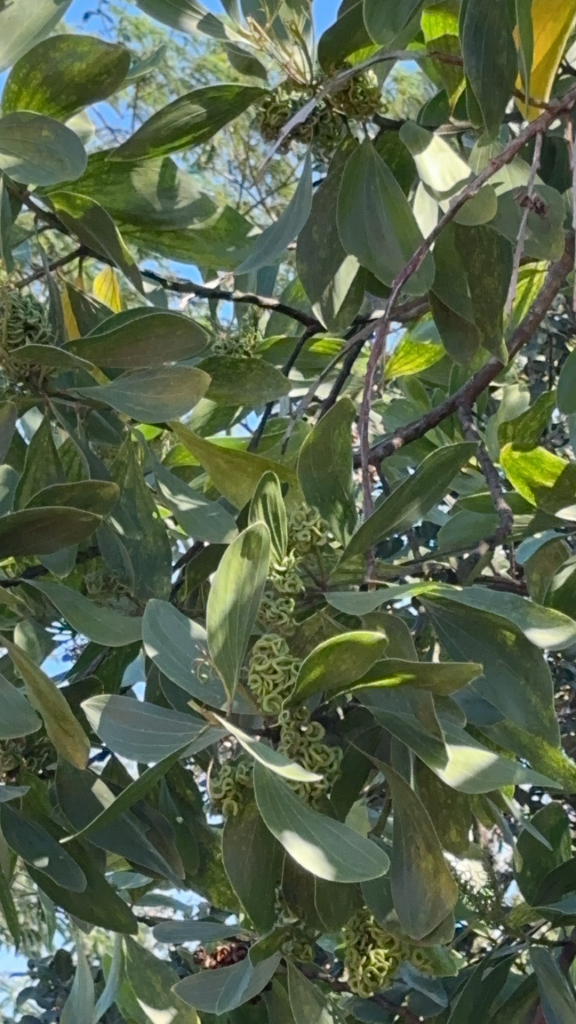
Figure 6. According to iNaturalist observations, the Puna region of Hawaii Island has a large population of A. mangium. Photo credit: Bret Hammer.
Once naturalized, Acacia mangium is challenging to remove. Its prolific seeding, ability to coppice after cutting, and nitrogen-fixing capabilities give it a competitive edge in lowland and mid-elevation forests. It alters soil chemistry, suppresses native species, and disrupts restoration efforts. Its characteristics are similar to Albizia (Falcataria moluccana), another fast-growing invasive tree that has caused widespread ecological damage in Hawaiʻi. Both species are native to the Moluccan Islands!
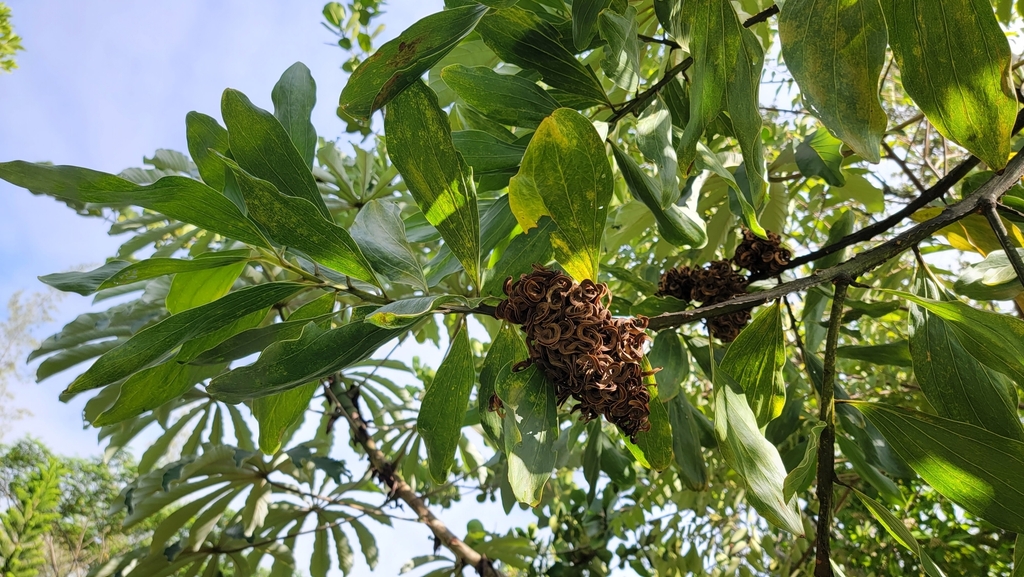
Figure 7. Prolific seed production from A. mangium. Photo credit: Eric Maxwell.
Control Methods
Physical control includes girdling mature trees and pulling up seedlings. However, due to the tree’s ability to sprout from stumps, physical removal is often insufficient.
Chemical control options have shown more promise. The Incision Point Application (IPA) method using Milestone herbicide has been used, although it acts more slowly than on albizia. A more effective approach has been the repeated application of triclopyr herbicide mixed with oil on cut stumps to prevent regrowth and reduce seed production.
Conclusion
Initially introduced with the best intentions, Acacia mangium is another example of a non-native species whose value in cultivation is now overshadowed by its invasiveness in the wild. As it spreads across Hawaiʻi’s landscapes, this fast-growing tree poses challenges to native ecosystems and ongoing conservation efforts.
We can’t fault those who first imported and planted this species — they didn’t have the tools and understanding we have today. Resources like the Hawaiʻi-Pacific Weed Risk Assessment help us predict how plants will likely behave in our unique environments.
Prevention is always the most effective strategy when it comes to invasive plants. Visit plantpono.org to learn more about choosing pono plants and helping protect Hawaiʻi’s landscapes for future generations.
Molly Murphy is the Plant Prevention Coordinator for the Big Island Invasive Species Committee (BIISC). For plant-related questions or information about the Plant Pono program, contact her at [email protected].
Increasing Drought Resilience on Maui Farms with Cover Crops
By: Jackie Jamison, Rosemary Gutierrez-Coarite and Hannah Lutgen
Reduced water availability threatens agricultural viability across the state. Management of soil moisture on farms is key to increasing drought resilience and critical to the future of agriculture in Hawaii. Cover crops are increasingly being used for their ability to improve soil health, increase soil organic matter and nutrient availability, and increase soil water holding capacity. When used in combination with other conservation management strategies like no-till, intercropping and crop rotation, the benefits can compound even more.
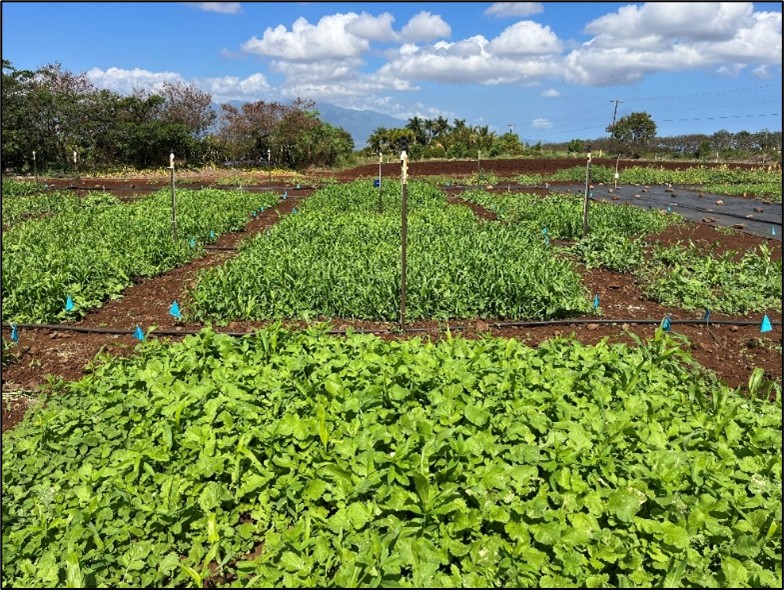
Figure 1. Variety trial and blends trial at the Kula Agricultural Park in Maui, Hawaii. The top-performing species from each functional group in the variety trials were selected and combined into all possible 3-species combinations in the blends trial.
This project aims to increase on-farm water use efficiency on agricultural lands through the combined use of cover crops and conservation management. The first phase of the project consisted of seasonal variety trials where fifteen individual cover crop species and 9 cover crop blends were tested for drought tolerance and biomass production at the Kula Agricultural Park. Cover crop species were selected based on drought and heat tolerance and classified into one of three functional groups: grasses, legumes, and non-legume broadleaf plants. Blends consisted of one plant from each of the three functional groups. The second phase, currently underway, assesses the viability and benefits of cover crops on farms in upcountry Maui.
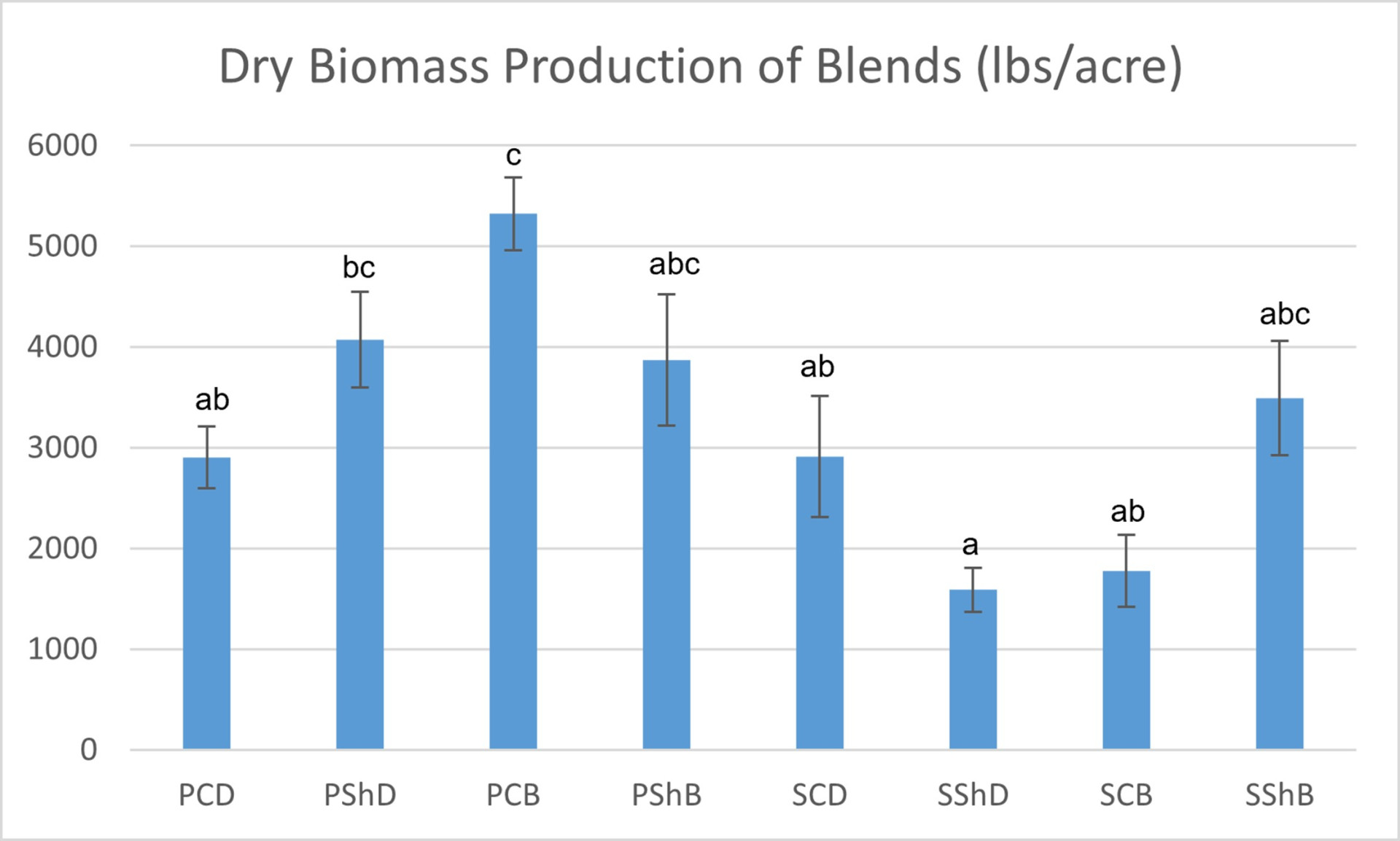
Figure 2. Biomass graphs showing total dry biomass (lbs/acre) under drought conditions in both summer (red) and winter (blue) variety trials. Asterisks show species that had significantly higher biomass than others in the same functional group.
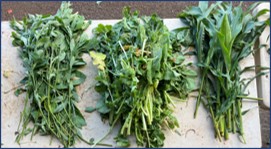
Figure 3. After harvest, samples were sorted and dried before being weighed for dry biomass.
During the summer variety trial, sorghum (Sorghum bicolor, var. ‘Sorgrow FS105’) and pearl millet (Pennisetum glaucum, var. ‘Exceed BMR’) produced the highest biomass of the grasses. Brown mustard (Brassica juncea, var. ‘Kodiak’) produced the greatest biomass of the broadleaves, and sunn hemp (Crotalaria juncea) produced the highest biomass of the legumes. In the winter variety trial, there were no significant differences in biomass between the grasses. Brown mustard and daikon (Raphanus sativus, var. ‘Smart’) produced the greatest biomass of the broadleaves, and sunn hemp and cowpea (Vigna unguiculata, var. ‘Iron & Clay’) produced the greatest biomass of the legumes.

Figure 4. Images of top-performing species during the variety trials, from left to right: sorghum, pearl millet, brown mustard, daikon, sunn hemp, cowpea.
Germination and canopy cover at 4 weeks were also measured in all trials, and weed biomass was quantified in both the summer variety trial and the blends trial. Higher germination and canopy ratings typically corresponded with lower weed pressure and biomass at termination. Germination and canopy cover were high in all grasses except sorghum and triticale. Brown mustard and sesame had the highest ratings of the broadleaves in the summer, and brown mustard had the highest in the winter variety trial. Sunn hemp had the highest ratings of the legumes during both trials.
Figure 5. PCD – Pearl millet, cowpea, daikon, PShD – Pearl millet, sunn hemp, daikon, PCB – Pearl millet, cowpea, brown mustard, PShB – Pearl millet, sunn hemp, brown mustard, SCD – Sorghum, cowpea, daikon, SShD – Sorghum, sunn hemp, daikon, SCB – Sorghum, cowpea, brown mustard, SShB – Sorghum, sunn hemp, brown mustard.
Blends containing pearl millet as the grass and brown mustard as the broadleaf species had the highest germination, canopy cover ratings and biomass. The blends producing the greatest biomass also included: pearl millet / sunn hemp / daikon and sorghum / sunn hemp / brown mustard.
Ultimately, the best cover crops for a given farm will depend on multiple factors, including timing of planting and the availability of water, as well as farm goals, including cover crops in the rotation. For example, sorghum produces the highest biomass, making it very suitable for farms looking to increase the carbon input into their soil. However, it may not be the best choice for growers looking to increase weed suppression, due to its lower canopy cover early in growth.
In general, utilizing multi-species blends is beneficial, since different species provide different benefits. Grasses and fast-growing brassicas typically germinate quickly and provide rapid canopy cover that shades out weeds. Many broadleaf plants produce biomass that is readily decomposed by microbes and turned into organic matter in the soil, and legumes can provide valuable nitrogen to subsequent crops and potentially reducing fertilizer needs. Based on our trials, blends with both pearl millet and brown mustard would be most suitable for growers looking to reduce weed pressure while also optimizing organic matter inputs. Blends containing sunn hemp as the legume in combination with either pearl millet as the grass or brown mustard as the broadleaf would be good choices for biomass optimization.
Jackie Jamison, Junior Researcher, College of Tropical Agriculture and Human Resources, [email protected]
Rosemary Gutierrez-Coarite, Associate Extension Agent, Edible Crops, Department of Tropical Plant and Soil Science, UH CTAHR Maui Cooperative Extension Service, [email protected]
Hannah Lutgen, Extension Faculty, Landscape and Floriculture, University of Hawaii at Manoa, College of Tropical Agriculture & Human Resilience (CTAHR), Maui Cooperative Extension, [email protected]
A Tale of Two Ferns: Native and Introduced Hoio in Hawaii’s Culinary Landscape
By: Chuck Chimera
Almost every Sunday, my family and I head to the farmers market to sample the rich diversity of foods offered by vendors with ancestry from across the globe—a true reflection of the cultural and culinary melting pot that is Hawai‘i. From savory Korean barbecue to fragrant Thai curry, Colombian patacones to wood-fired Italian pizza, and freshly fried lumpia, there’s something for everyone. But if I want to grab one of my local favorites, I know we have to get there early—before it sells out. That favorite is pohole (also known as hōʻiʻo) salad, freshly harvested from a Kukuihaele farm. It’s the perfect complement to our midday snack of Waipi‘o poi and shoyu ‘ahi poke.
As a former botanist with the National Park Service, I’ve encountered the native Hawaiian hōʻiʻo fern many times in the wild. Yet that familiarity doesn’t diminish my enjoyment of the version typically sold at markets today. Interestingly, the fern commonly used in hōʻiʻo salad isn't native to Hawai‘i at all. This culinary staple is actually an introduced species. Knowing this often makes me wonder how many people realize that the same Hawaiian name is used for two very different ferns—one endemic, one introduced. Though similar in appearance and use, their stories diverge in ways that reflect both the resilience of native ecosystems and the adaptability of new arrivals.
The Native Hōʻiʻo: Diplazium sandwichianum
Also called pohole on Maui, the native hōʻiʻo (Diplazium sandwichianum) is deeply rooted in both the Hawaiian landscape and traditional culture. Its species name, sandwichianum, is a nod to the Islands’ former name, the Sandwich Islands. These impressive ferns grow in lush colonies with arching fronds that can stretch over five feet long. You’ll find them carpeting the understory of mesic to wet forests across all the main Hawaiian Islands, thriving from elevations as low as 300 feet to over 6,000 feet, but typically only within protected or more intact native forests.
For generations, Hawaiians have valued hōʻiʻo as a food source. The tender young shoots—called fiddleheads or crosiers—were eaten raw or with poi and freshwater ‘ōpae (shrimp). This tradition lives on today, with wild shoots still gathered for salads. The fern’s cultural significance is memorialized in an ʻōlelo noʻeau (Hawaiian proverb):
“Ka i‘a lauoho loloa ka ‘āina” – The long-haired fish of the land.
Here, the fronds of hōʻiʻo are poetically likened to the long hair of the plants, a staple as essential as fish in the traditional Hawaiian diet (Mary Kawena Pukui, ʻŌlelo Noʻeau, #1361).
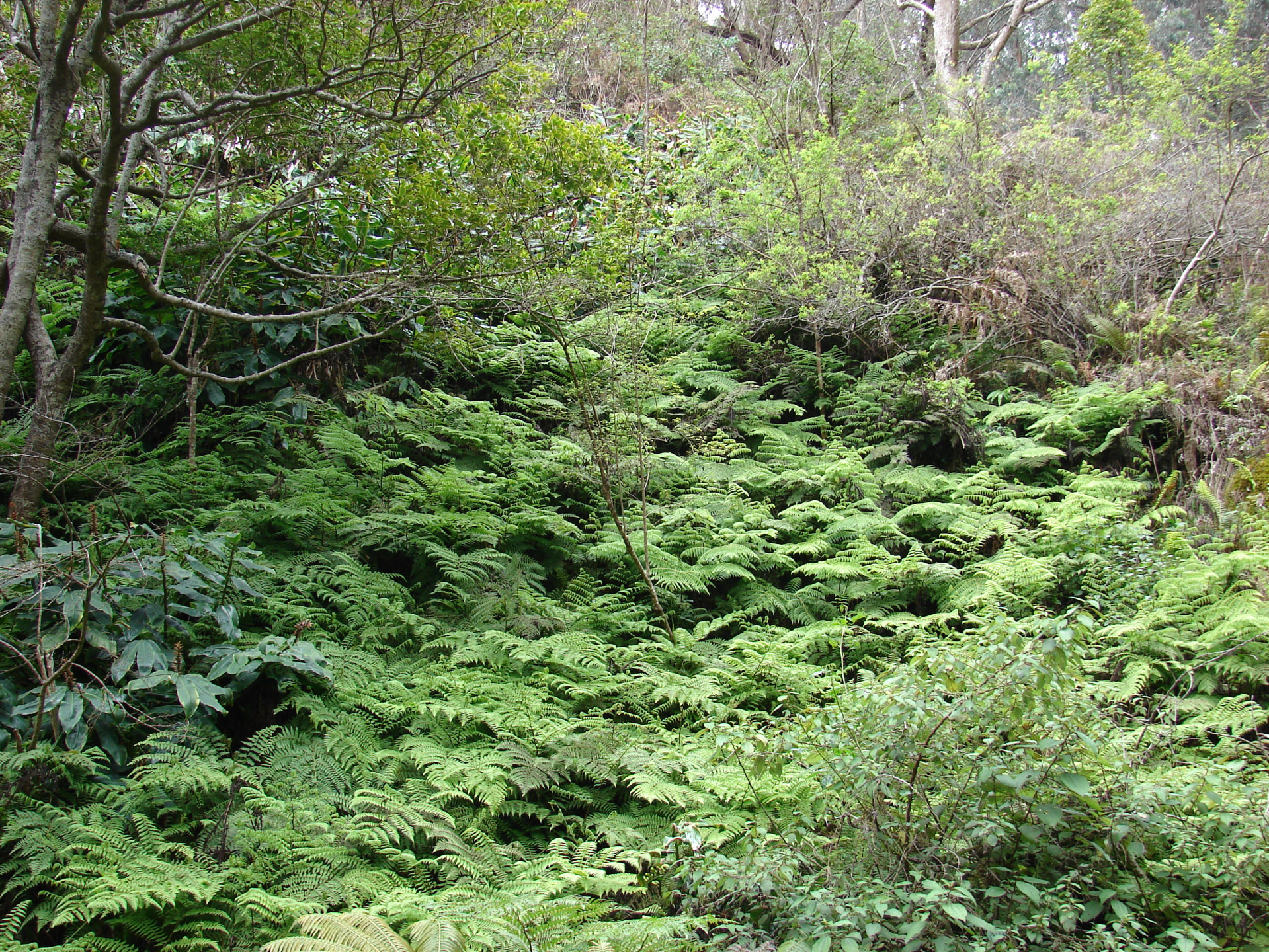
Figure 1. Native mesic forest with a carpet of the native hōʻiʻo (Diplazium sandwichianum) in the understory. Photo credit: Forest & Kim Starr
The Introduced Hōʻiʻo: Diplazium esculentum
By contrast, the vegetable fern (Diplazium esculentum)—also called hōʻiʻo in Hawai‘i—comes from tropical Asia. It was likely introduced as a food plant in the late 19th or early 20th century and was first recorded on Kaua‘i in 1910. Since then, it has naturalized across the larger islands, forming broad, often untidy stands in wet areas.
Unlike the forest-dwelling native fern, D. esculentum prefers open, disturbed areas with moist soil. It thrives along streams, in lowland valleys, and even in gardens or sheltered, irrigated spots on the drier leeward side. Its resilience and prolific growth have helped it spread widely across the islands. Although it may be considered weedy or invasive in some locations, it typically occurs in areas already dominated by other non-native vegetation.
In both its native and introduced ranges, D. esculentum is a popular vegetable. In Hawai‘i, its fiddleheads are served raw in salads, sautéed, stir-fried, or stewed—commonly paired with garlic, pork, shrimp, or salted salmon. You’ll often find bunches for sale at farmers markets or gathered from the wild. Its popularity even led to USDA approval for export to the continental U.S. in 1991.
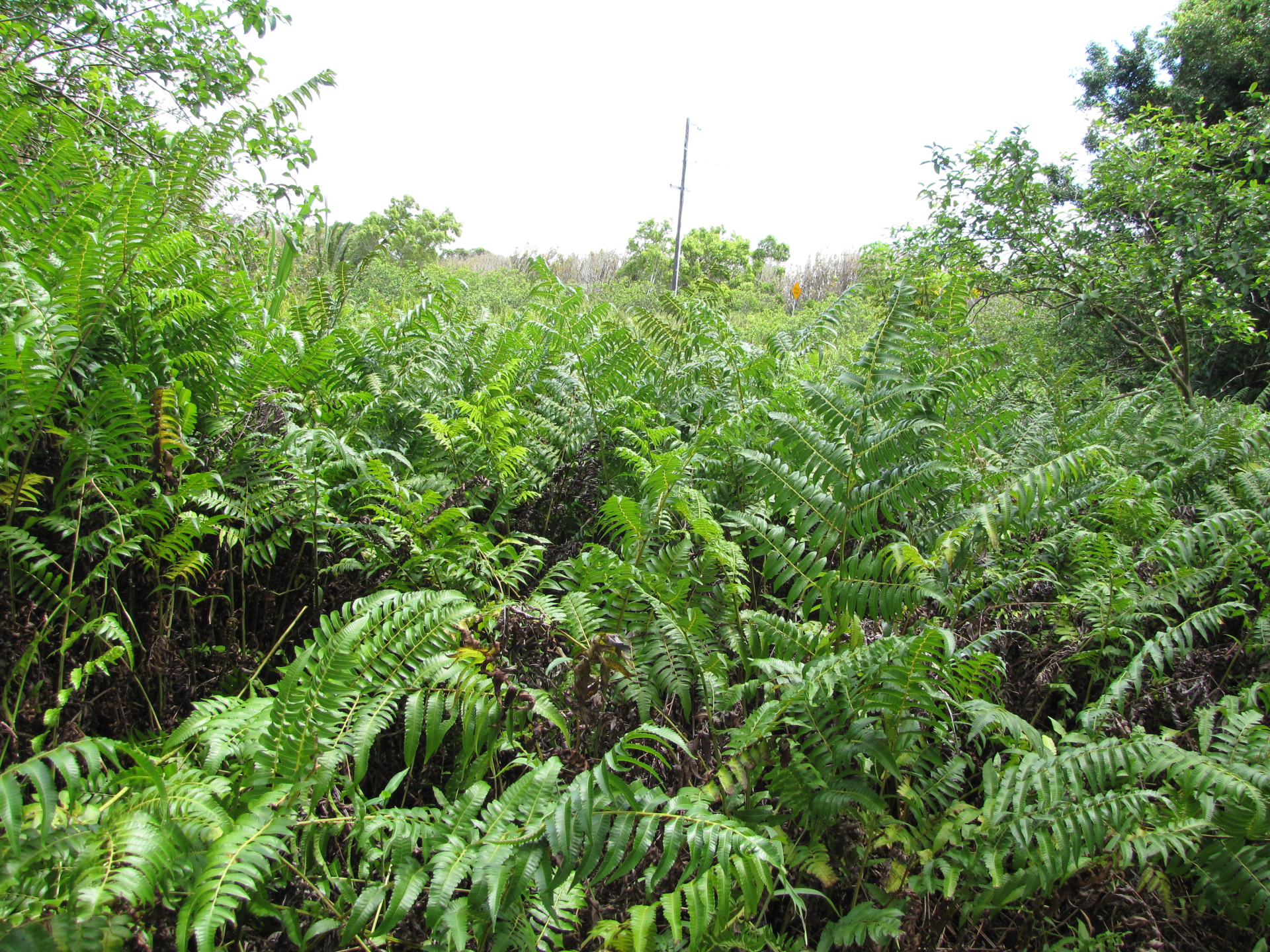
Figure 2. Open field dominated by the introduced hōʻiʻo (Diplazium sandwichianum). Photo credit: Forest & Kim Starr
Shared Names, Divergent Origins
The presence of two edible ferns both called hōʻiʻo or pohole can lead to confusion. These traditional names properly refer to Diplazium sandwichianum, yet they are commonly used to describe the more readily available D. esculentum. Even the Japanese name warabi is sometimes mistakenly applied to D. esculentum.
Visually, careful observation of the fronds and sori (spore structures) can help differentiate the two:
- D. sandwichianum has free veins and short, linear sori.
- D. esculentum features anastomosing (netlike) veins and sori arranged in a distinctive herringbone pattern.
Their size and frond structure also differ:
- D. sandwichianum has narrow ultimate segments (4–6 mm wide).
- D. esculentum has broader segments (0.5–2 cm wide and up to 8 cm long).
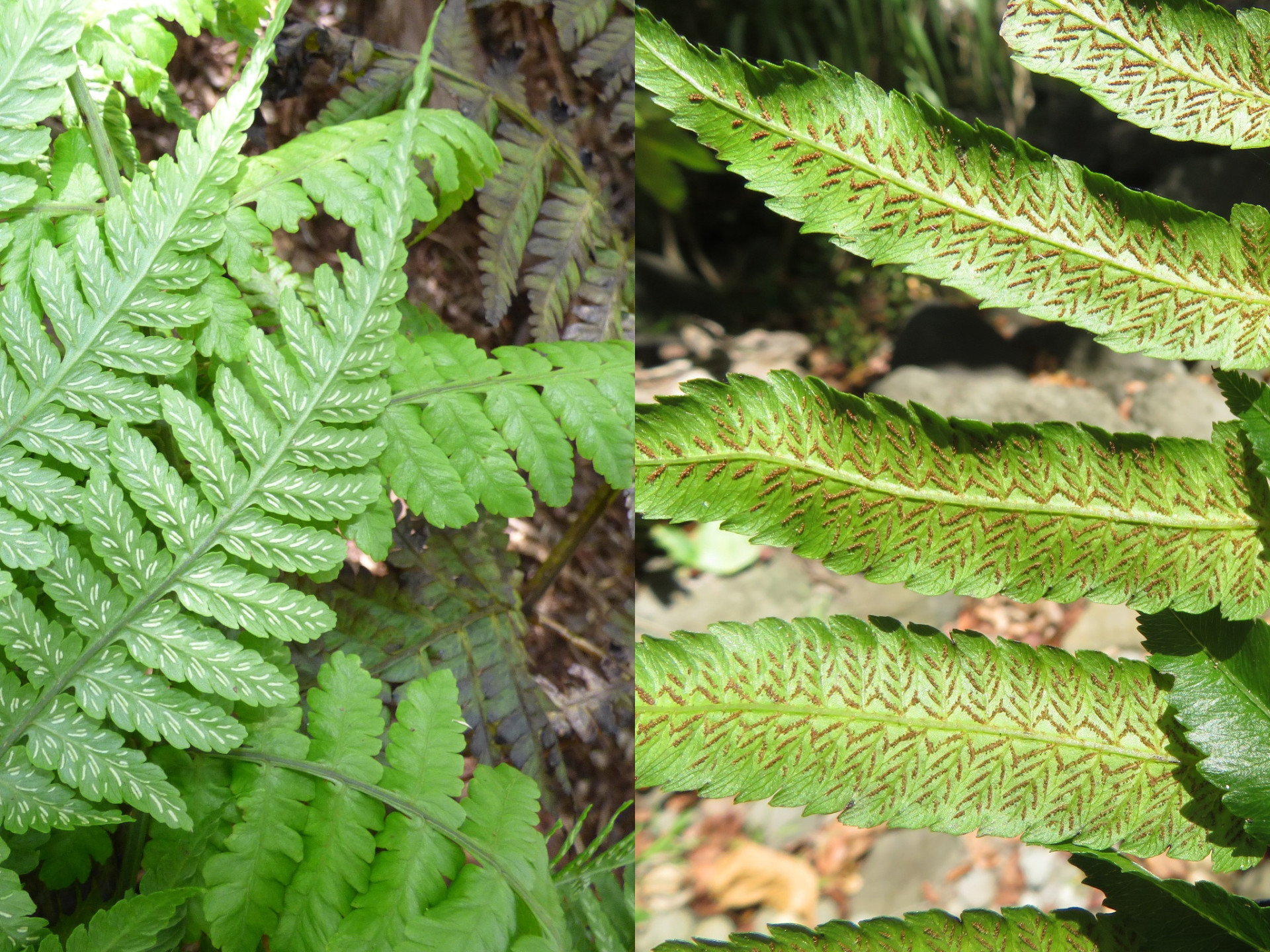
Figure 3. Sori and ultimate segments of the native (left) and introduced (right) hōʻiʻo ferns. Photo credit: Forest & Kim Starr
Conclusion: Two Ferns, Two Stories
Both Diplazium sandwichianum and Diplazium esculentum enrich Hawai‘i’s culinary landscape with their crisp, edible fiddleheads. Yet they tell different stories: one of a native species integral to Hawaiian ecosystems and culture, and one of an adaptable newcomer that found a place in modern kitchens and wet valleys alike.
As you enjoy your next hōʻiʻo salad, whether from the forest or the farmers market, take a moment to consider the lineage behind those fronds—and the layered stories that make Hawai‘i’s biodiversity, and its food, so unique.
Please visit the Plant Pono website (https://plantpono.org/) for more information on native, introduced and invasive plants in the Hawaiian landscape.
Chuck Chimera is currently chained to a computer as a weed risk assessment specialist with the Hawaii Invasive Species Council but was a free-range field botanist in a previous life.
Feathers in the Garden: Avian Influenza Awareness in Hawaii's Landscapes
By: Yunuen Bustamante, Melelani Oshiro and Asia Broussard
Introduction: Productive Landscapes and Emerging Challenges
Hawaii’s climate and natural resources make it an ideal environment for productive gardens, urban green spaces, and community orchards. With consistent sunshine, ample rainfall, and a year-round growing season, the islands support a wide range of public and private landscapes—from residential yards to parks, school gardens, and commercial orchards. Currently, the Hawai‘i Department of Land and Natural Resources (DLNR) manages approximately 30,000 acres across 51 state parks (DLNR, 2025).
To address urban food security, the City and County of Honolulu has designated 10 community gardens with a total of 1,248 plots for food production and community forestry initiatives (City and County of Honolulu, 2025). This is especially critical on Oahu, where nearly 90% of the state’s population—approximately 998,747 people—reside (US Census, 2024). As urban density increases, edible landscapes offer a promising strategy to enhance food resilience, social cohesion, and environmental sustainability (Yang, 2025).
The Rise of Feral Chickens in the Urban Ecosystem
While these green spaces promote health and food access, they also create favorable habitats for feral chickens. Although often seen as a cultural curiosity or tourist attraction—particularly in Kauai—feral chickens have become prevalent across all islands.
While domestic chickens were originally introduced in the late 18th century, chicken populations have expanded significantly as the population grows in Hawaii (Figure 1). Hatcheries such as Asagi Hatchery, operating since 1935, continue to supply chicks to backyard producers (Martin, 2023). Natural disasters such as Hurricanes Iwa (1982) and Iniki (1992) further contributed to the growth of feral populations, as domestic birds escaped into the wild and reproduced without containment (Johnsson et al., 2016).
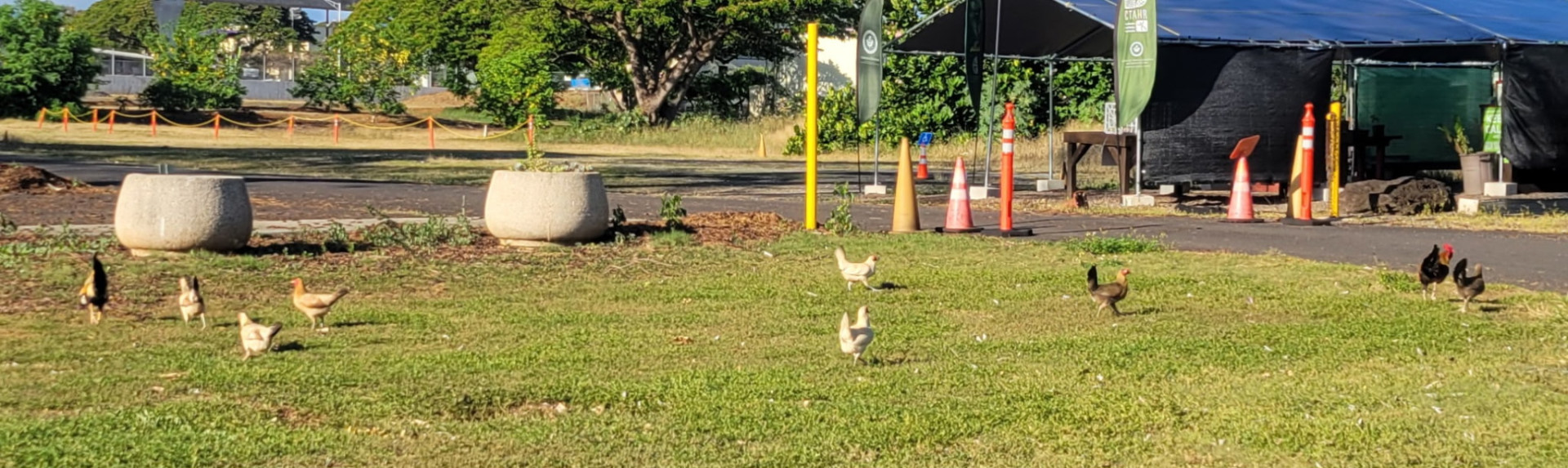
Figure 1. Feral chickens are a nuisance and health concern in urban areas of Hawaii.
Feral chickens can disrupt agricultural and landscape systems by scratching up roots, displacing mulch, damaging crops, and contaminating soil with droppings. Although chicken manure can be a valuable fertilizer when composted properly, unmanaged feces in public or edible landscapes may pose sanitation and zoonotic disease risks (City and County of Honolulu, 2025).
Backyard Poultry: An Asset for Urban Food Security
Despite the complications introduced by feral chickens, domesticated poultry remains a vital asset in addressing food insecurity. A 2025 study in Mexico showed that 98% of households engaged in small-scale livestock and crop production reduced their food expenses by 10% to 50% (Bautista, 2025). Backyard hens require limited space, can consume household food scraps, and provide a consistent source of fresh eggs.
Bautista (2025) also found that 86% of eggs produced in these systems were consumed within the household, underscoring their importance in local diets. The revised ordinance of Honolulu (Chapter 12, Article 2.5) permits up to two chickens or peafowl per household—preferably hens—for non-commercial use (American League Publishing, 2024). Daghir, in 2021, recommends governments should facilitate and enhance poultry production in the backyard since poultry products are an excellent source of good-quality protein (Figure 2).
Additionally, chicken manure, when appropriately composted, is also a high-value, nitrogen-rich fertilizer. A 2025 study by Kenth demonstrated that ginger crops fertilized with composted chicken manure achieved yields comparable to those treated with synthetic fertilizers while improving soil health through added micronutrients and organic matter, up to 16%. This highlights the potential of poultry waste to enhance productivity in sustainable and regenerative agricultural systems.
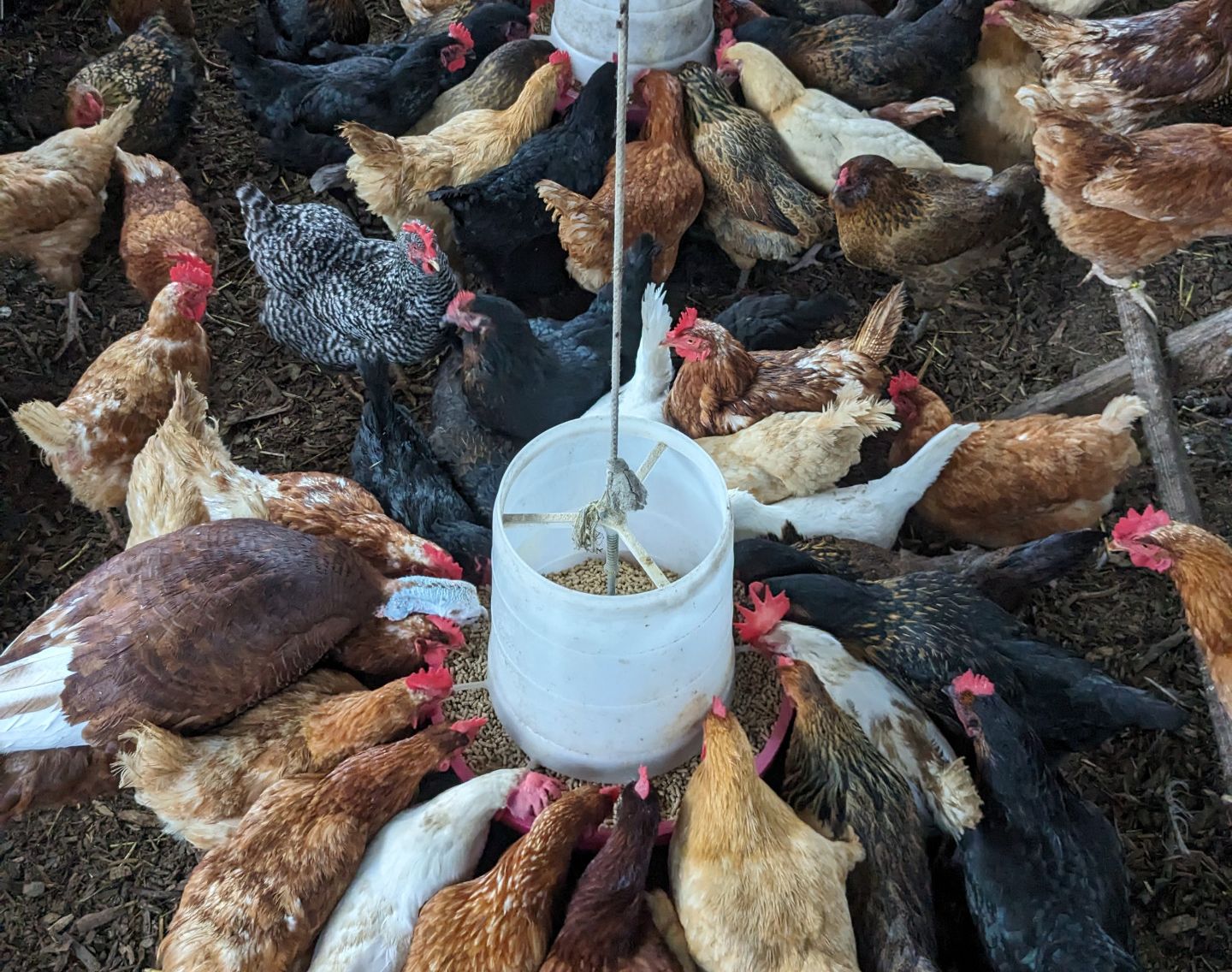
Figure 2. Domestic chickens provided meat and eggs. A significant source of protein for a household.
Public Health and Avian Influenza: The Intersection of Landscapes and Disease
However, the close interaction between feral birds, domestic poultry, and native wildlife (Figure 3) has led to increased concern regarding public health risks, particularly concerning the transmission of Highly Pathogenic Avian Influenza (HPAI).
Highly Pathogenic Avian Influenza (HPAI, specifically H5N1) is a deadly viral disease of birds that has recently been detected in Hawaii. In domestic poultry, HPAI strains are usually fatal, often causing rapid, widespread mortality in flocks.
Once introduced, HPAI can spread rapidly among domestic poultry, symptoms in chickens and ducks include sudden death (often with no prior illness), labored breathing, swelling of the head and neck, runny nose, diarrhea, and sharp drops in egg production (HDOH, 2024). Importantly, migratory waterfowl (ducks, geese, shorebirds) often carry H5 avian influenza without obvious illness (HDOA,2025). When wild birds infected with H5N1 mingle with or contaminate areas where poultry feed, water, or bedding, the virus can spread to domestic birds (for example, via droppings or shared equipment) (HDOA, 2025).
In November 2024, Hawaii confirmed its first HPAI (H5N1) of the current global outbreak. A backyard bird sanctuary in Wahiawā, Oahu, where the sudden deaths of around 20 ducks led to the euthanization of over 70 birds, including ducks and zebra doves (Miyashima, 2024).
Around the same time, a single wild duck in North Shore Oahu was found with HPAI (HDOA, 2025). Genetic analysis shows these Hawaiian strains are of the Eurasian lineage typical of migratory-bird outbreaks (not the same as some recent mainland U.S. strains). Hawaii lies along the West Pacific Flyway and intersects with major migratory corridors such as the East Asian–Australasian and Pacific–American Flyways in Alaska (Figure 3). Migratory birds who arrive in the Hawaiian Islands seasonally may asymptomatically shed the virus via saliva, nasal secretions, and feces (CDC, 2024).
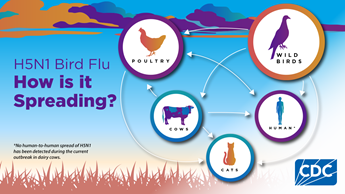
Figure 3. Highly Pathogenic Avian Influenza contagious sequence.
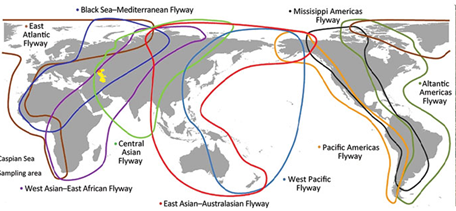
Figure 4. Map of bird migration flyways and effects of highly pathogenic avian influenza A (H5N1) spread (EAAFP, 2022).
Managing Risk: Landscape Strategies and Community Interventions
Reducing the risk of avian influenza requires coordinated action from landowners, gardeners, farmers, and community stewards. Although we cannot eliminate migratory bird pathways, we can implement practices that limit cross-species transmission, reduce feral bird congregation, and improve biosecurity.
Table 1. Recommended practices for community gardeners, home gardeners, urban landscapes, and domestic poultry owners to prevent feral bird damage and poultry biosecurity.
|
Community Gardens and Shared Green Spaces |
Avoid feeding feral birds to discourage congregation in public spaces. |
|
Harvest crops in a timely manner; remove green waste promptly |
|
|
Establish community guidelines for sanitation and feral bird control |
|
|
Use bird netting to protect vulnerable crops |
|
|
Develop neighborhood plans for bird deterrence |
|
|
Home Gardeners and Urban Landscapes |
Cover mulch and compost piles with tarps or netting |
|
Harvest produce regularly to avoid attracting foragers |
|
|
Deter scavengers through proper waste management |
|
|
Domestic Poultry Owners or Farmers |
House poultry in secure and sanitized coops to reduce exposure to wild birds |
|
Use designated clothing and footwear when working with poultry |
|
|
Implement footbaths or disinfectant mats at coop entrances |
|
|
Wash hands thoroughly after handling birds or eggs |
|
|
Immediately report unusual bird deaths to the Hawaii Department of Agriculture |
Conclusion
Hawaii's unique blend of urban agriculture, backyard poultry keeping, and abundant green spaces presents both remarkable opportunities and pressing challenges. While community gardens and home flocks contribute meaningfully to food security and sustainability, the rise of feral chickens and the threat of Highly Pathogenic Avian Influenza (HPAI) highlight the importance of vigilance, collaboration, and informed action. The intersections between human activity, wildlife, and domestic animals demand integrated approaches that prioritize both ecological balance and public health.
By adopting practical biosecurity measures, promoting responsible poultry management, and fostering community engagement, we can protect the health of our flocks, our gardens, and our neighbors. Education and policy development will be essential to building resilient landscapes that continue to nourish our communities while preventing the spread of zoonotic diseases like HPAI. Working together, Hawaii can lead by example in cultivating safe, sustainable, and thriving urban ecosystems.
References:
American League Publishing (2024) Honolulu, HI. Code of ordinances. Chapter 12 Article 2.5. https://codelibrary.amlegal.com/codes/honolulu/latest/honolulu.
American Veterinary Medical Association AVMA (2025) Avian Influenza. https://www.avma.org
Bautista, H., Rodríguez, J., Romero, Y., Sánchez, F., Fernández, L., (2025) Agricultural Backyard Production in the Food Security Framework: A Case Study of a Microregion of Chicontepec Veracruz, Mexico. Agro Productividad. 10.32854/agrop.v18i1.3104.
City and County of Honolulu (2025) Community Gardening with the City and County of Honolulu. https://www.honolulu.gov/dpr/volunteer-give/community-gardening.
Daghir, N., Diab-El-Harake, M., Kharroubi, S. (2021) Poultry production and its effects on food security in the Middle Eastern and North African region, Journal of Applied Poultry Research, Volume 30, Issue 1, 2021, 100110, ISSN 1056-6171.
Department of Land and Natural Resources DLNR (2025) About our parks. https://dlnr.hawaii.gov
East Asian-Australasian Flyway Partnership (EAAFP) 2022. What is a flyway? https://eaaflyway.net/the-flyway.
Hawaii Department of Agriculture HDOA (2025) Increased biosecurity urged to protect birds from avian influenza. https://hdoa.hawaii.gov/blog/main/nr25-02birdbiosecurity.
Hawaii Department of Health HDOH (2025) DOH closely monitoring detection of h% avian flu in Kauai wastewater.https://health.hawaii.gov/news/newsroom/doh-closely-monitoring.
Hawaii Department of Health HDOH (2024)Avian influenza confirmed in backyard flock of birds https://health.hawaii.gov/news/newsroom/avian-influenza-confirmed-in-backyard-flock-of-birds/
Johnsson, M., Gering, E., Willis, P., Lopez, S., Van Dorp, L., Hellenthal G. et al. (2016) Feralisation targets different genomic loci to domestication in the chicken. Nat Commun 7(1):1-11.
Kenth, D., Antesco, S., Bunquin, M., Ventura, A., Bryan, J., Lawas, E., Almontero, C., Rodrigo, R., Tayobong, P. (2025). Effect of Chicken Manure on the Growth, Yield, and Soil Quality in Containerized Ginger Cultivation System.
Martin, M., López, S., Van Dorp, L., Hellenthal, G., Johnsson, M., Gering, E. Henriksen, R., Wright, D. (2023). Population structure and hybridisation in a population of Hawaiian feral chickens. Heredity. 130. 1-9. 10.1038/s41437-022-00589-z.
US Census Bureau (2024). QuickFacts Honolulu County, Hawaii. Population estimates July 2024. https://www.census.gov/quickfacts/fact/table/honolulucountyhawaii
Yang, H., Hussein, M., Ibrahim, R., Lyu, R. (2025). Trends in urban edible landscapes: a comprehensive bibliometric analysis. Environmental Research Communications. 7. 10.1088/2515-7620/adac34.
Yunuen Bustamante and Melelani Oshiro are Extension Agents at the Department of Human Nutrition, Food and Animal Science at the University of Hawaii at Manoa, College of Tropical Agriculture and Human Resources. Asia Broussard Livestock Hele Imua intern at the Urban Garden Center, under Bustamante's supervision, as part of a program from the Department of Labor and Industrial Relations.
Look Up: The importance of CRB awareness in Hawaii
By: Andrea Taganap
I am an upcoming senior at Maui High School, interning with the Maui County Department of Agriculture. Through this internship, I’ve learned that it is important to protect our land and spread awareness about the impacts of invasive species. One of the biggest threats I have learned about is the Coconut Rhinoceros Beetle (CRB). CRB is a harmful pest causing serious problems for Hawai‘i’s food crops and iconic palm trees. First discovered on Oʻahu in 2013, this beetle has already damaged coconut trees in other Pacific islands. Now farmers, environmental groups, and local residents in Hawai‘i are worried about what it might do here.
CRB damages coconut palms by boring into the tops of the trees to feed on sap and soft palm tissues. This prevents new leaves from opening properly and causes deep, V-shaped cuts on them. Over time, the damage can cause trees to lose their leaves, become weak, and even die. The harm is more than just cosmetic; coconut palms play an important role in Hawai‘i’s environment, agriculture, and culture. They provide shade for crops like taro and bananas, help block strong winds, and supply materials for traditional crafts and ceremonies.
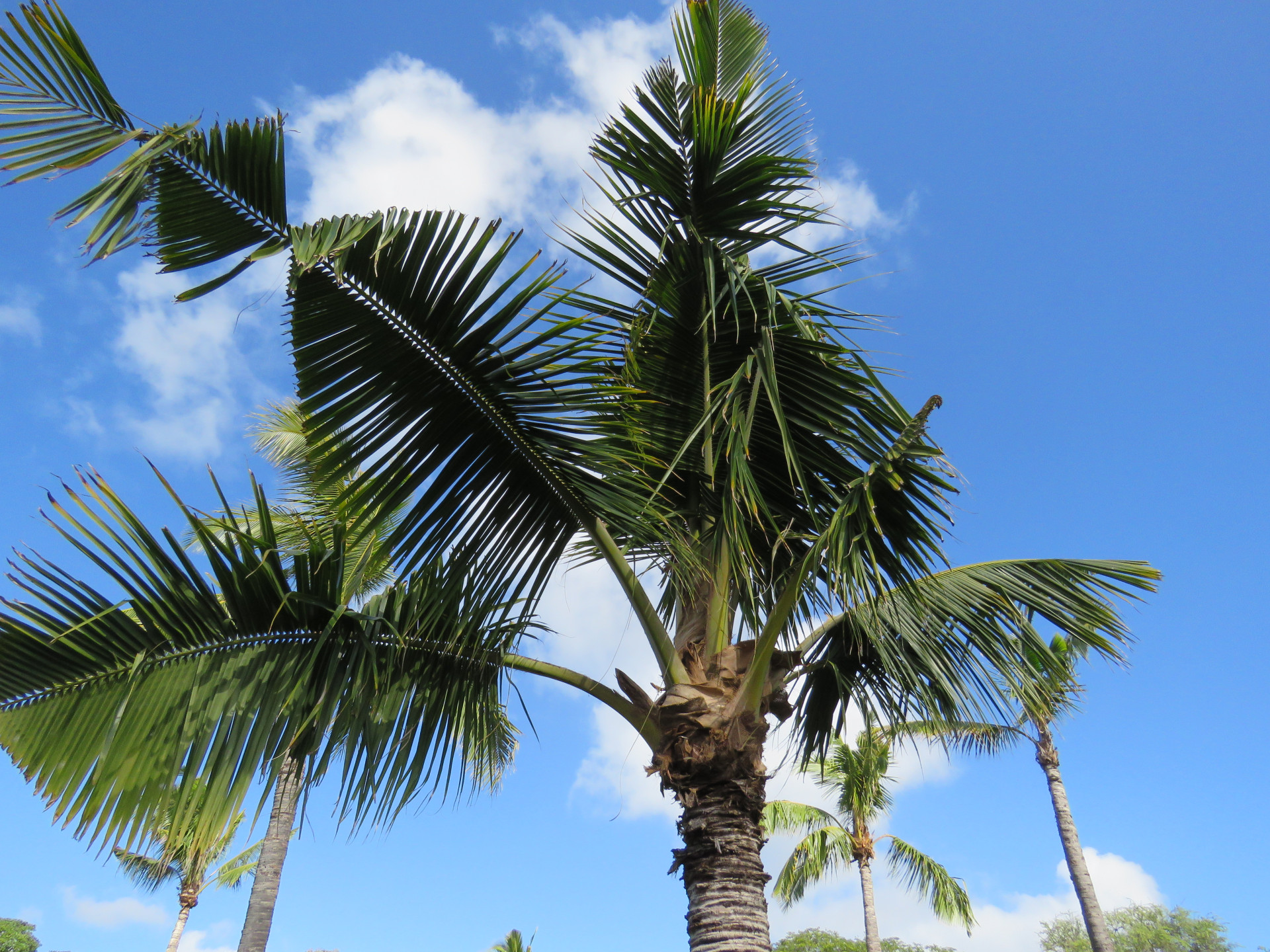
Figure 1. V-shaped cuts in palm leaves caused by CRB. Photo Credit: CRB Response Hawai‘i
Although the beetle doesn’t feed on fruits or vegetables directly, it still poses a serious threat to Hawai‘i’s food supply. When palms die, the crops growing underneath or nearby, such as taro, banana, sugarcane, and sweet potatoes, are left exposed to too much sun, wind, and pests. This can reduce crop yields and even destroy entire harvests, especially in rural and backyard farms.
Another concern is how the CRB reproduces. While adult beetles damage trees, their larvae grow in decomposing organic matter like compost, mulch, and green waste piles commonly found in yards, gardens, and farms across the islands. If these piles are not regularly chipped, heated to a specific temperature, or properly covered, they become ideal breeding grounds for the larvae. Once mature, adult beetles emerge and seek out nearby palms to infest. Transporting mulch from infested areas can quickly spread the pest across communities.
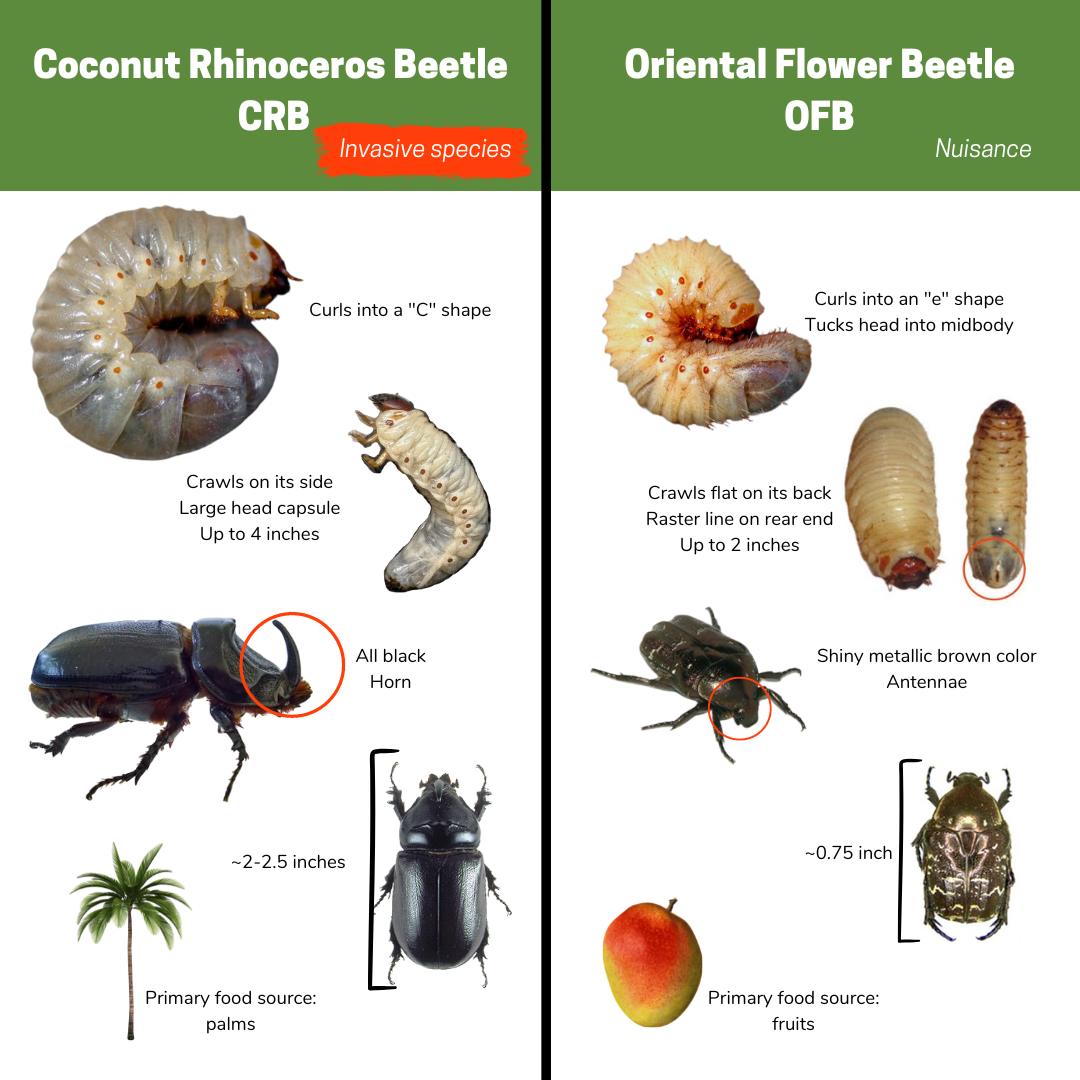
Figure 2. CRB identification guide. Photo Credit: CRB Response Hawai‘i
The Hawai‘i Department of Agriculture and the Maui Invasive Species Committee (MISC) emphasize the critical role of the community in stopping the spread of CRB. Early detection is key, and residents are urged not to move mulch or green waste between regions unless it has been properly treated. At home, compost piles should be monitored and regularly brought to temperature to kill any potential CRB eggs or larvae.
Farmers and landscapers are adapting to this new threat. Some are improving sanitation at green waste storage sites, while others are exploring biological controls that target CRB larvae without harming native species. Although these efforts are still in the early stages, they show that fighting CRB will require both public cooperation and scientific innovation.
Like many invasive species in Hawai‘i, the Coconut Rhinoceros Beetle reminds us of how fragile the balance of our ecosystems truly is. Coconut palms are more than just scenery; they are anchors of culture, agriculture, and community life. Their loss would impact traditional ceremonies, crafts, food production, and even shoreline protection. Already, some Maui residents have noticed fewer coconut palms in public areas, as trees have been removed as a precaution. This is a stark warning of what could happen if the beetle continues to spread unchecked.
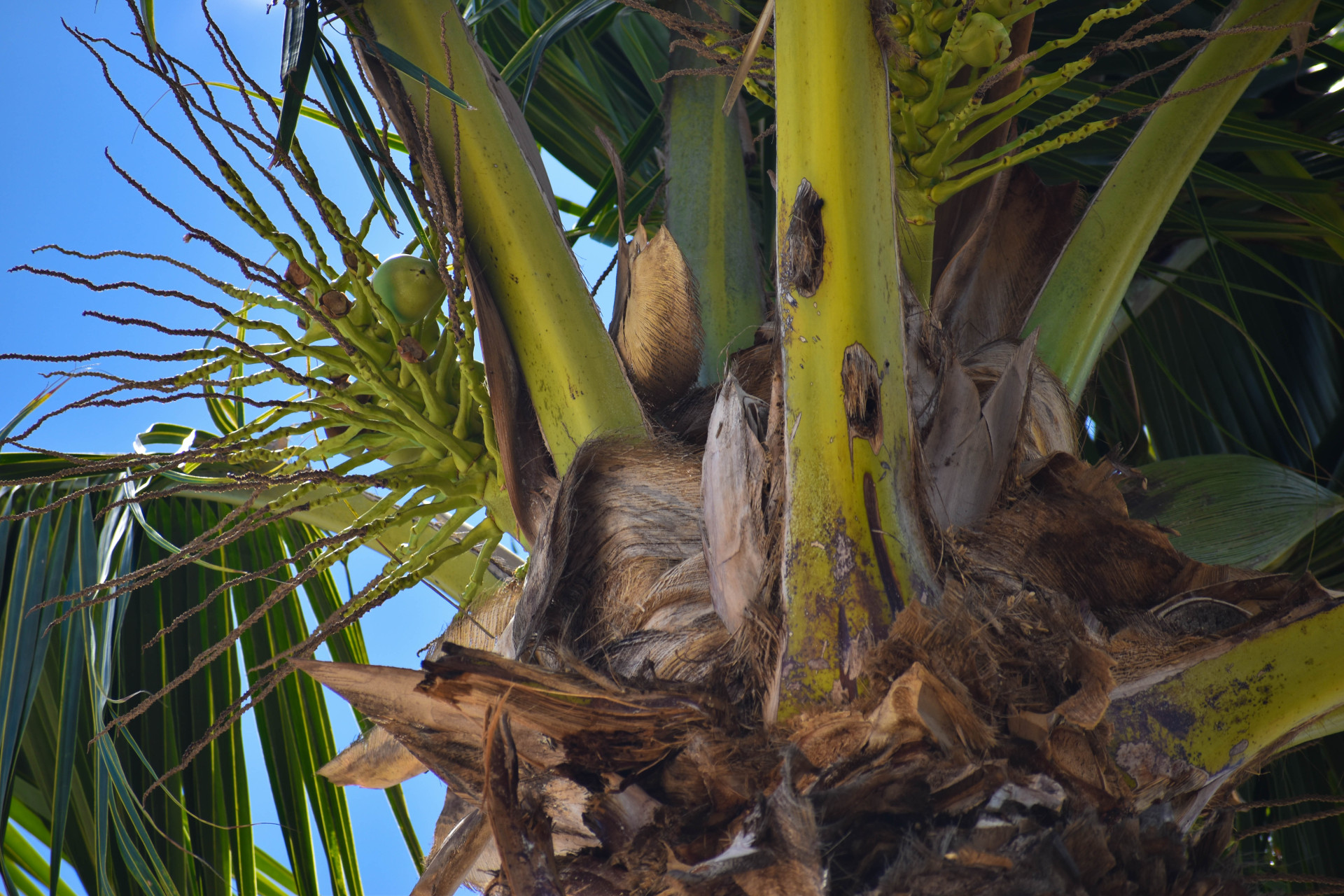
Figure 3. Bore holes on the base of palm fronds caused by CRB. Photo credit: CRB Response Hawai‘i
The good news is Hawai‘i can learn much from other island nations. Other Pacific islands have faced CRB outbreaks and demonstrated that it can be contained through rapid, coordinated action. This requires vigilance. Every household, school, farm, and landscaper has a role to play. Whether it’s checking palm trees regularly, securing compost piles, or educating others, every step counts.
The battle against the Coconut Rhinoceros Beetle is not just about saving palm trees; it’s about protecting Hawai‘i’s food sovereignty, cultural traditions, and the health of the land. With awareness, education, and unity, we can work together to keep our islands strong and thriving.
Figure 4. Report potential CRB sightings to 643-PEST. Photo credit: 643-PEST.
Andrea Taganap, Maui High School Senior, Intern with the Maui County Department of Agriculture.
The Current Geographic Distribution of the Hala Scale, Thysanococcus pandani Stickney, throughout the Hawaiian Islands
By: Mason Russo and Zhiqiang Cheng*
Introduction: The hala scale, Thysanococcus pandani Stickney (Halimococcidae) was first detected in Hāna, Maui in 1995 on hala trees (Pandanus tectorius). These palm scale insects were initially described from specimens collected in Java and Singapore on trees in the Pandanus genus. Populations have been recorded on multiple species within the Pandanus genus, while other species are resistant to infestations. During a 2024 trip to Singapore and Indonesia, six Pandanus spp. were found to have infestations of T. pandani, along with two resistant varieties. On Maui, T. pandani did not infest a Pandanus vandersmeeschii tree native to Mauritius in a botanical garden. Thysanococcus pandani has both females and males and is not a parthenogenic scale insect, potentially decreasing its ability to spread quickly to new localities. The crawler stage of T. pandani can spread via wind and through the movement of infested material.
Hala scale adults are around 0.5mm in size and appear to the naked eye as a black dot within the vein lines of a Pandanus leaf, with or without a white waxy fringe (Figure 1). Both adult males and females are present, with females having three instars and males having five instar stages. Both stages are flattened ventrally and are dorsally convex, with crawlers emerging from the hard structure that the females form on the leaves. As these are found in tropical areas, there is potential for multiple generations a year, though they have low fecundity. In Hawai‘i, infestation usually begins with a few adults that are visible with the naked eye on the underside of the leaf. This causes minor discoloration and is noticeable at a close distance. When there are high densities within the canopy, yellowing is visible, and leaves can have aggregations of white waxy fringe that form around T. pandani adults. The fringe is usually on the underside of the leaf, and populations of T. pandani can number in the thousands on leaves of adult trees.
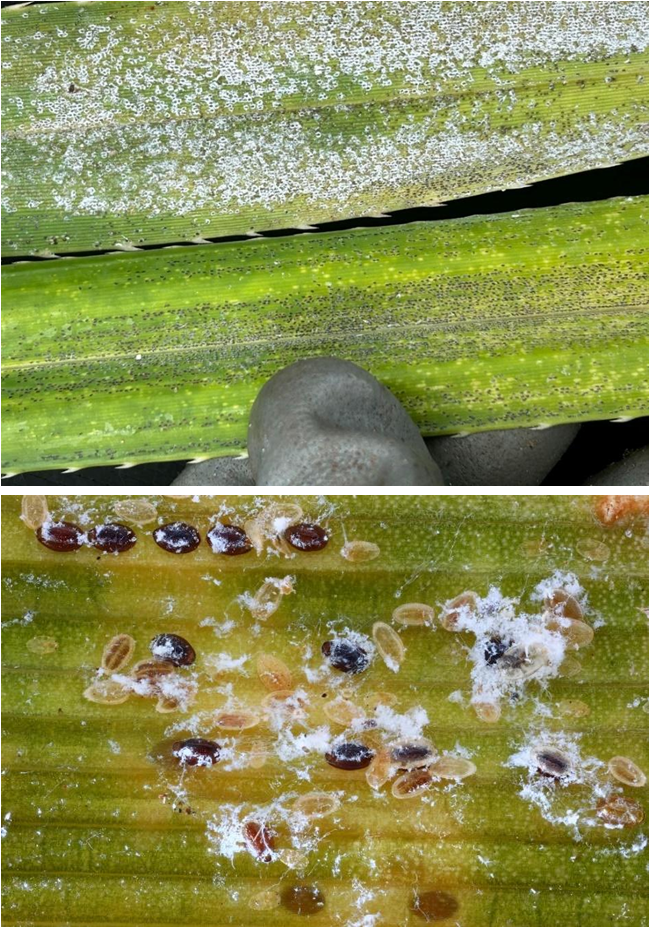
Figure 1: Images of T. pandani at no magnification with top and bottom of the leaf on the left and right side, respectively (top image) and a photo at 10x magnification (bottom image).
Hala forests are indigenous across many Pacific Islands, as their seeds can be dispersed by both animals (zoochory) and flotation, facilitating their arrival before Polynesian contact. These seeds are viable for months and are able to eventually form coastal forests after establishment on new islands. These coastal forests were present across the Hawaiian Islands prior to Polynesian arrival, but their range has been reduced due to development and invasive species. The hala tree is a Hawaiian canoe plant that spread across the Pacific Islands where Polynesian voyagers traveled. In the Hawaiian Islands and the Hawaiian language, lauhala refers to the leaf of hala trees. The practice of ulana, or weaving, was integral to Hawaiian culture and exploration, as the sails on their boats were made of woven hala. For many Native Hawaiians, the practice of ulana lauhala is integral to their survival, folklore, continuation of culture, and part of their identity. Outside of weaving, the roots and seeds were used for traditional medicine, food, and cordage. A lauhala lei, or necklace, was given to a person going through a transition in their life. Polynesian voyagers were able to smell the scent of hala fruit as they approached the shorelines.
Hala forests are being encroached on by invasive ironwood (Casuarina equisetifolia), which has inhibited the growth of native forests on other Pacific Islands. The establishment of T. pandani across the extensive hala forests in Hana, Maui, is a cause for concern, as severe infestations can kill young seedlings and prevent forest regrowth or expansion. There are many deleterious impacts ranging from discoloration, stunting, twisting, yellowing, leaf deformities, shorter leaf length, crown drop, fruit deformities, and potentially early tree death. Figure 2 displays the visual differences in appearance between a healthy hala forest, which appears greener, and a forest infested with T. pandani that has yellow discoloration associated with a high infestation level. As a frequently planted landscape tree, T. pandani infestations potentially decrease the aesthetic appeal of hala trees. There is limited knowledge regarding the dispersal capability of this pest or the extent of its distribution in Hawai‘i. Therefore, the purpose of this survey was to evaluate the current distribution of T. pandani across the Hawaiian Islands.
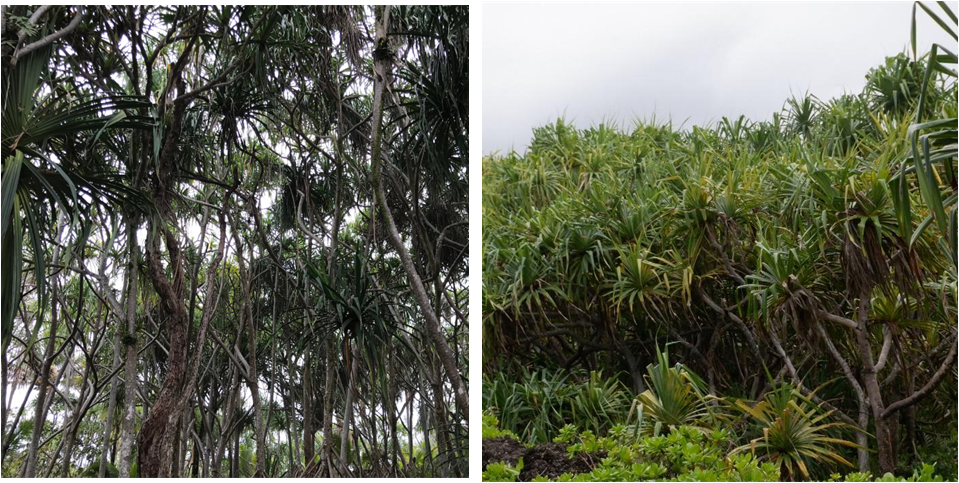
Figure 2: A healthy hala forest (left) compared with a forest with an established T. pandani infestation (right).
Methods: In 2023, we conducted an extensive survey of hala trees throughout urban, residential, forested areas, and rural landscapes on O‘ahu, Kaua‘i, Moloka‘i, and Hawai‘i Island. These surveys searched plant nurseries, airports, universities, hotels, resorts, and ornamental hala trees near potential pathways of entry. Areas of cultural significance, botanical gardens, popular hiking trails, and places frequented with tourists were included. In some cases, the surveyor visited private residences to inspect hala trees and conducted public outreach about T. pandani. We did not visit Lāna‘i, due to permit issues. They conducted their own survey and reported that there are no current infestations.
The surveys were relatively straightforward, as healthy trees will have a green, or variegated appearance, and heavily infested ones will have discoloration such as yellowing leaves (Figure 2). A closer inspection of the underside of the leaves will reveal a pattern of black dots, with a characteristic white waxy fringe. The waxy fringe may be absent from the top of the leaf, but adult T. pandani can be present. Trees that exhibited symptoms were observed by hand or with binoculars, while other accessible trees were surveyed randomly to determine early signs of infestations. If a tree was too tall to survey, the fallen fruit was inspected as T. pandani infests ripe fruit. There can be residual white substances from Pseudococcidae and other insects on leaves that look similar to the waxy fringe left by T. pandani. The waxy fringe surrounding the hala scale can be wiped off, leaving the entrenched scale insect on the leaf, while residue from other insects will leave a leaf that is clean when wiped off. If a plant is recently infested with a few adults, a closer inspection by hand may be necessary to confirm this, but it is possible to miss adults if they are in areas with new growth where they cannot be seen yet. After the survey was completed for each tree or cluster of trees, a pin was dropped using BaseMap™ App. Upon completion of the survey, these pins were downloaded as a KML file and uploaded to Google Earth.
Results:
Kaua‘i. In 2023, these locations across Kauai from a previous survey were revisited, and other gaps from the previous survey, such as the Limahuli Garden, Kalalau trail, nurseries, and landscape halas, were visited (Figure 3). No hala scale was found on Kaua‘i.
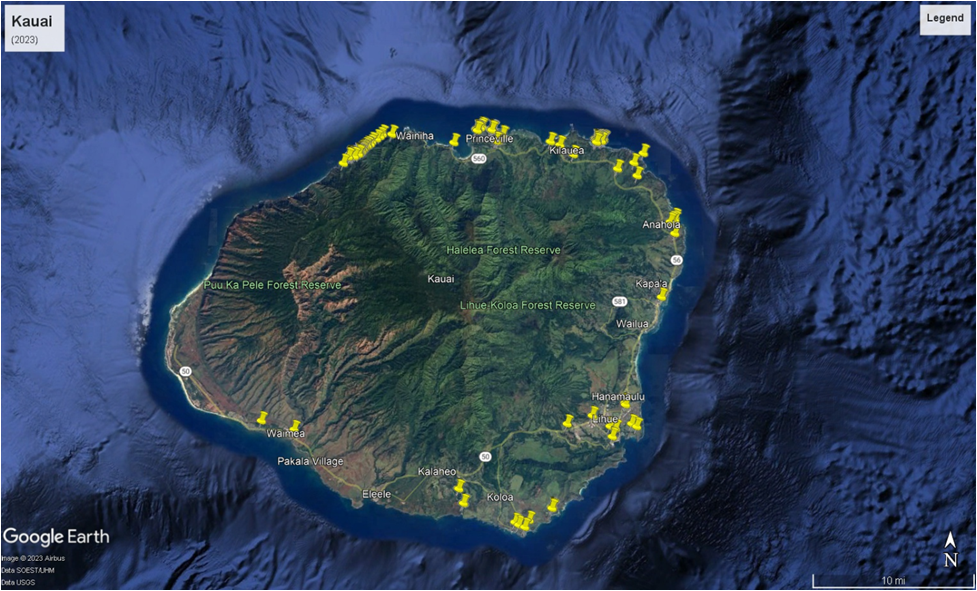
Figure 3: Kauai surveys conducted in 2023. Yellow pins indicate no infestation of T. pandani at available survey sites.
O‘ahu. The O‘ahu survey (Figures 4 and 5) re-confirmed the known hala scale populations on the Chaminade University Campus, University of Hawai‘i at Mānoa campus (but see below), and at various resorts in Waikiki. In 2022, there were successful efforts to eradicate the University of Hawai‘i at Mānoa population. Around 15 infected trees were cut down, placed in a shipping container, and incinerated. Healthy trees on the University of Hawai‘i at Mānoa campus received preventative imidacloprid treatments during this timeframe. In May 2024, a population was detected at Punahou High School by its staff and was brought to our attention. In November 2024, a population was detected in the Kakaako area by HDOA staff and was brought to our attention.
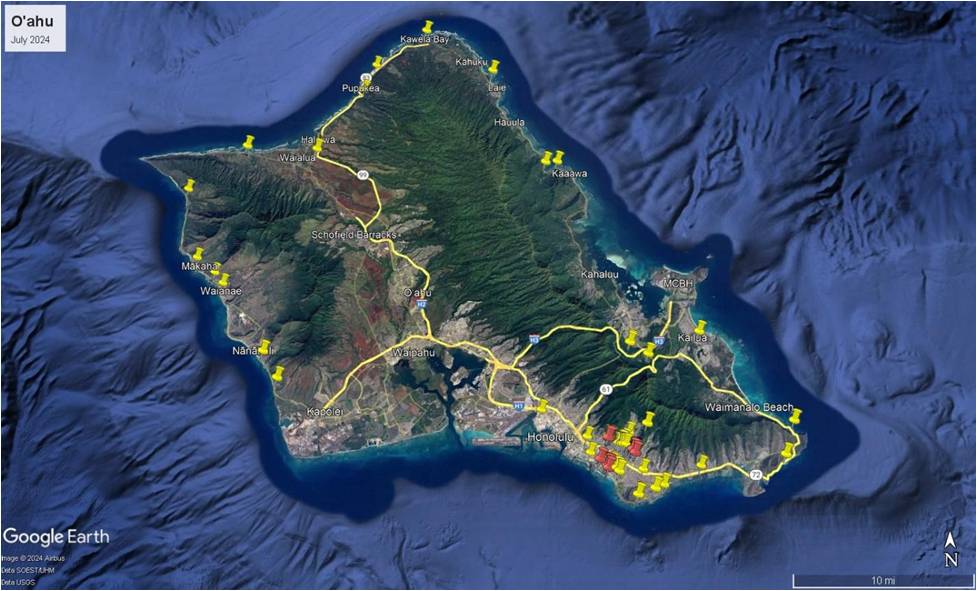
Figure 4: O‘ahu surveys conducted in 2023, with 2024 detections provided by Punahoe High School and HDOA. Yellow pins indicate no infestation of T. pandani at available survey sites, while a red pin indicates infested plant clusters.
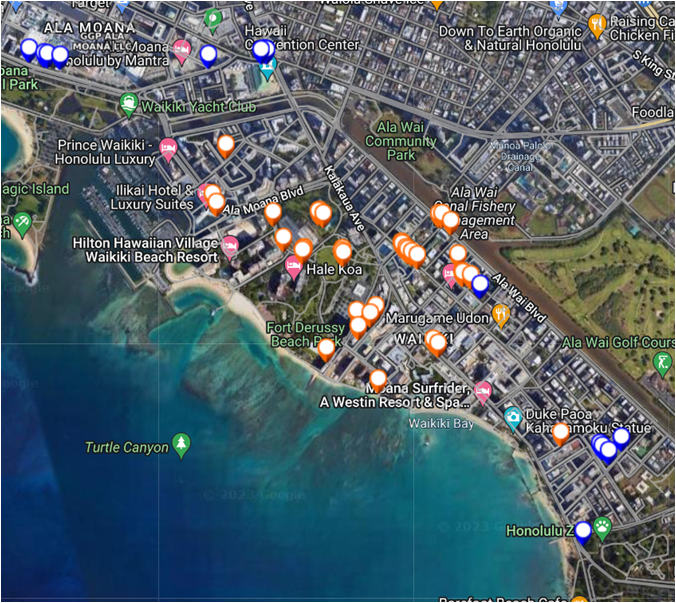
Figure 5: O‘ahu survey conducted in 2023 in Waikiki. Yellow pins indicate no infestation of T. pandani at available survey sites, while an orange pin indicates infested plant clusters.
Moloka‘i. With an established population known on Moloka‘i, the 2023 survey aimed to evaluate the extent of the population from a previous survey and fill gaps (Figure 6). We visited the coastal hala forests located in the northeast areas of Molokai via helicopter and confirmed that the hala scale is widespread across the area from Kilkipua and Hakaano peninsula, to Kaho’olaiki Bay to Waiehu peninsula. The hala forests near Kalaupapa National Historic Park had yellow discoloration visible from the helicopter, but we were not permitted to land there.
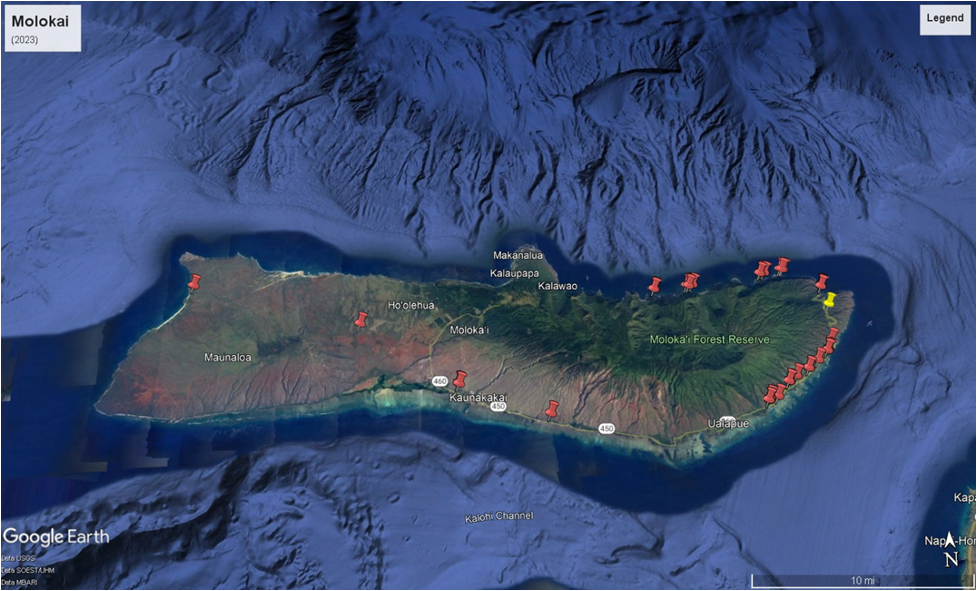
Figure 6: Moloka‘i surveys conducted in 2023. Yellow pins indicate no infestation of T. pandani at available survey sites, while a red pin indicates infested plant clusters.
Hawai‘i Island. Multiple surveys of Hawai‘i Island were conducted in 2023 (Figure 7). Survey sites included airports, nurseries, resorts, schools, gardens, beach parks, and ornamental trees. We confirmed eradication at a previous location on the Hamakua coast and surveyed Waimanu Valley and Puna Hala forests. No hala scale was found on the Hawaii Island.
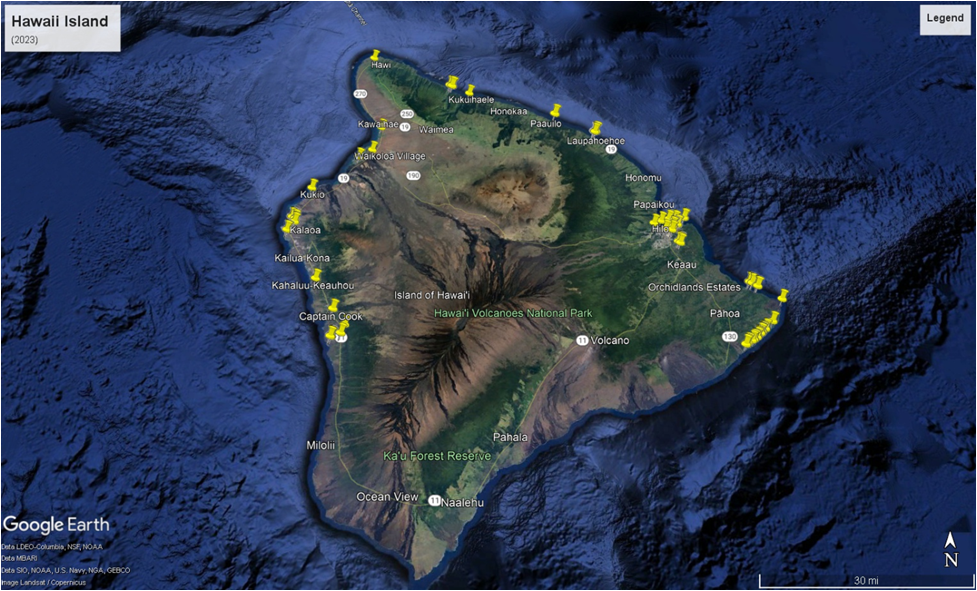
Figure 7: Hawai‘i Island survey conducted 2023. Yellow pins indicate no infestation of T. pandani at available survey sites.
Other Hawaiian Islands. We did not attempt to survey Ni‘ihau. Kaho‘olawe had its last P. tectorius plant die in early 2021. Lāna‘I has no population as of 2023. Maui has widespread populations.
Discussion: This was the most recent and comprehensive survey for T. pandani across the Hawaiian Islands. Although complete eradication of this pest is not possible statewide, it is important to monitor the distribution of pests to determine the likelihood of statewide dispersal. The eradicated populations of T. pandani on Lāna‘i and Hawai‘i Island indicate that crawlers probably cannot survive long-distance dispersal across ocean channels via wind. Currently, the most effective eradication tactics are to cut down, treat, and bury or incinerate the infected trees to ensure complete removal of populations. Preventative measures with the interisland movement of potentially infested material can help mitigate or stop the arrival of T. pandani for years to come. The results of the surveys showed that populations of T. pandani are not yet widespread across all major Hawaiian Islands.
Acknowledgements: This project was funded by Dr. Zhiqiang Cheng’s Hatch and Smith-Lever projects, SEED IDEAS Grant, and GSO 23-02-18. We thank Christina Martiney, Kenneth Choi, Dr. Roshan Manandhar, Nina Ronsted and Mike Demotta from NTBG, Marty Fernandes from Na Aina Kai Botanical Garden, Dr. Roxana Meyers, Glenn Teves, Ane Bakutis, Kamran Fujimoto, Jess Russo, and many others for their help with various aspects of the project.
Zhiqiang Cheng is a Professor and Extension Specialist working on turfgrass and landscape pest management at UH Manoa; Department of Plant and Environmental Protection Sciences, CTAHR, University of Hawai‘i at Mānoa
Mason Russo was a graduate student in Dr. Cheng’s Lab when this survey work was conducted. He is now working at HISC.
Little Fire Ants and You: What Can You Do?
By: Allison Miles
What is the primary responsibility of a landscaper? Are we simply here to keep the grass trimmed, the hedges neat, and the irrigation and lighting systems in working order? Is our job just to get in and out efficiently—or does our role reach deeper, into the health of the land, the longevity of plant life, and the stewardship of our shared environment?
While the bottom line may depend on working quickly—and client expectations often emphasize lush greenery and curb appeal—a forward-thinking landscaper understands that true success lies in creating landscapes that endure: vibrant, functional, and resilient ecosystems that invite enjoyment and well-being, free from persistent distractions caused by pests or plant health issues. It is the landscaper’s kuleana—responsibility and privilege—to diagnose and correct problems as they arise, whether related to irrigation, fertilization, soil health, or pest management.
Ants are a persistent problem in Hawaii’s landscapes. All ants in the state are introduced species—some are minor nuisances, while others are invasive threats to ecosystems, agriculture, and even human health.
In the landscape, ants don’t feed on plants directly. Instead, they form mutualistic relationships with sap-feeding pests such as aphids, scales, whiteflies, and mealybugs. These pests excrete honeydew—a sugary substance that ants consume. In return, ants protect the pests from natural predators, allowing their populations to grow unchecked.
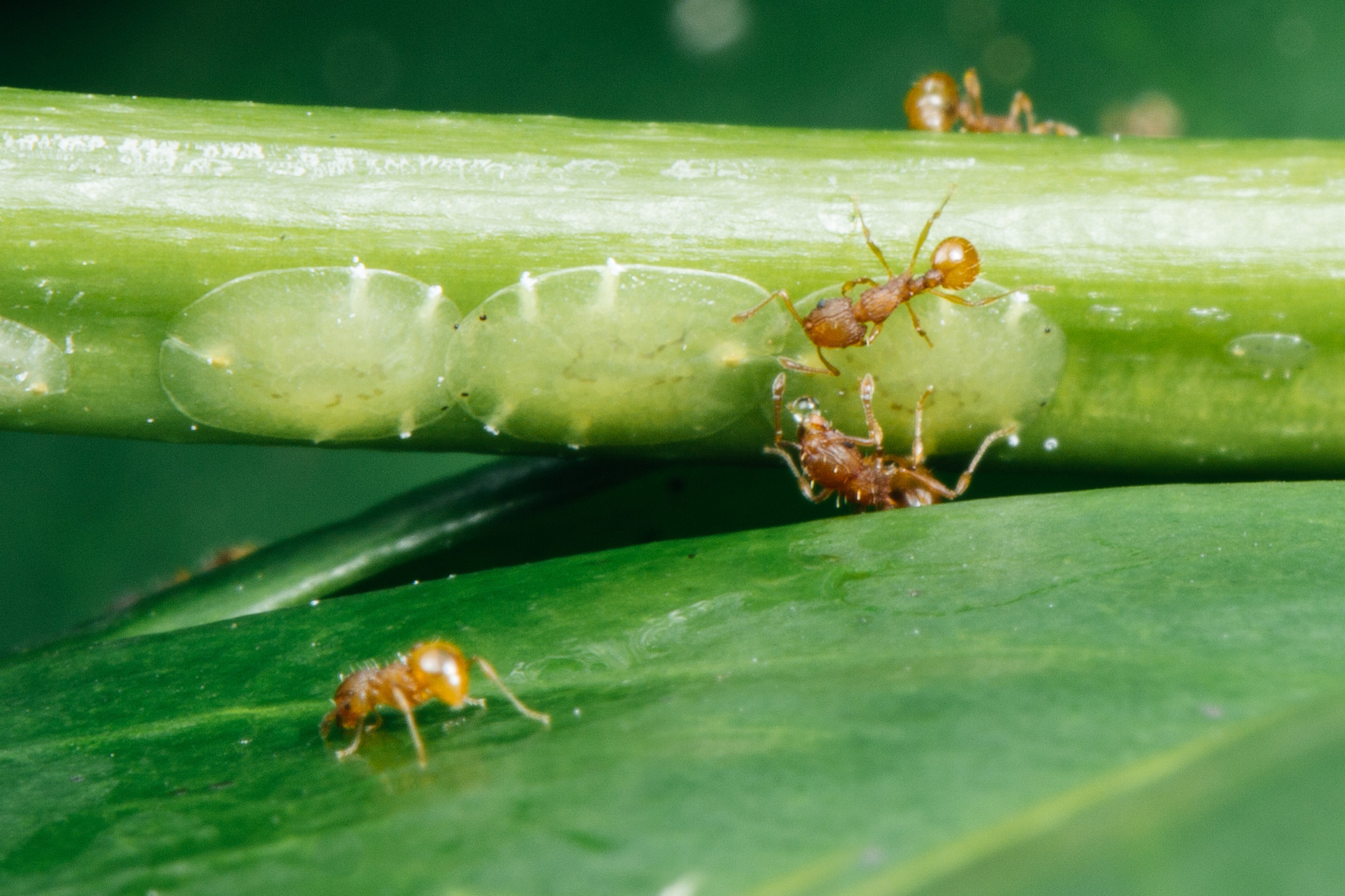
Figure 1. Little Fire Ant tending scale. Photo credit: Melody Euaparadorn, Hawaii Ant Lab.
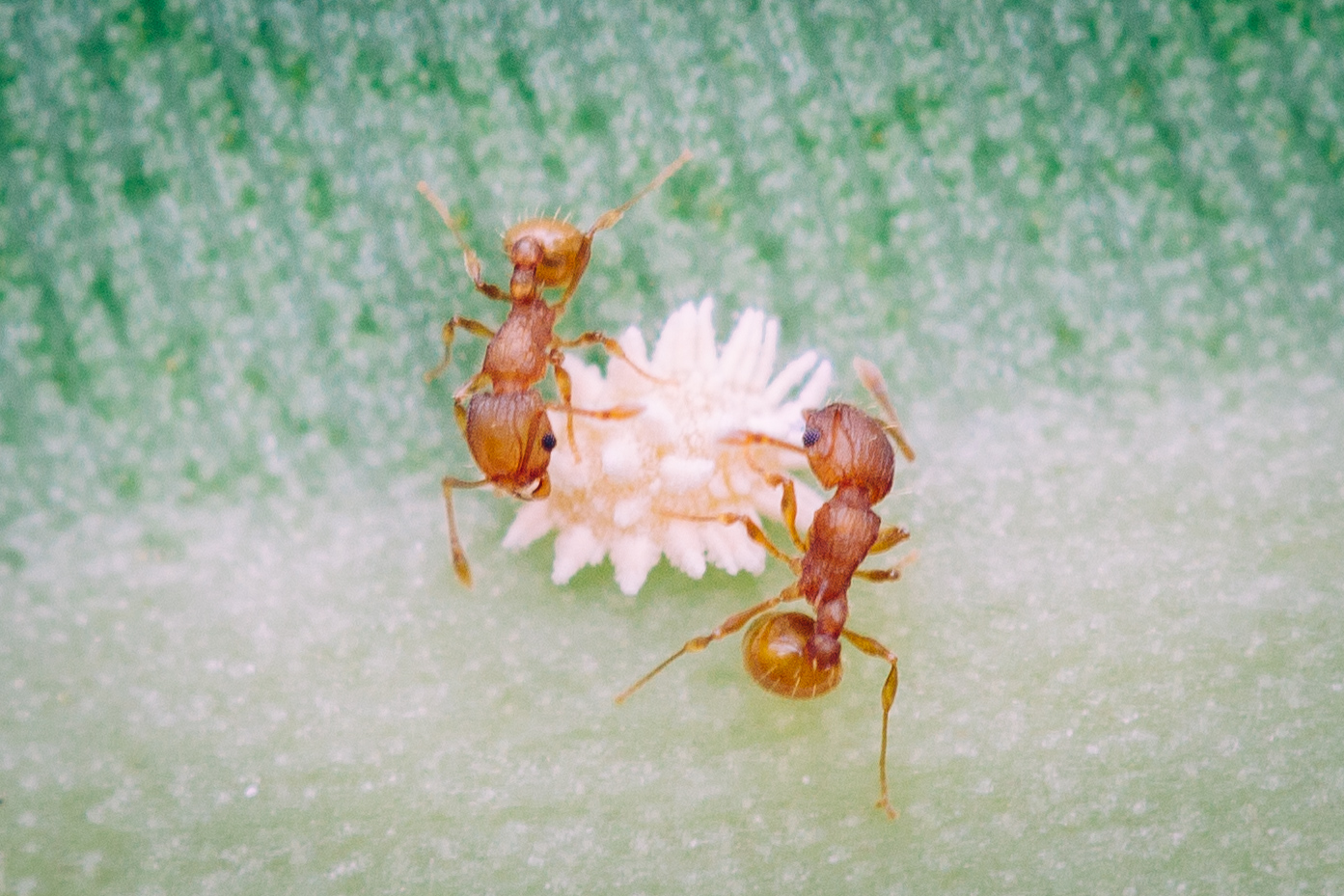
Figure 2. Little Fire Ant feeding on Honeydew excretions mealybug on banana leaf. Photo credit: Melody Euaparadorn, Hawaii Ant Lab.
The result is a cascade of damage. Sticky leaves, blackened foliage, and general plant decline are clear signs it's time to inspect the canopy for sap-feeding pests and follow ant trails along stems, trunks, and into the root zone. Sooty mold and plant stress are common and highly visible outcomes of heavy ant infestations, which can affect leaves, flowers, fruits, and even roots. In edible landscapes, the impact is even more pronounced—yield drops, and fruit quality suffers.
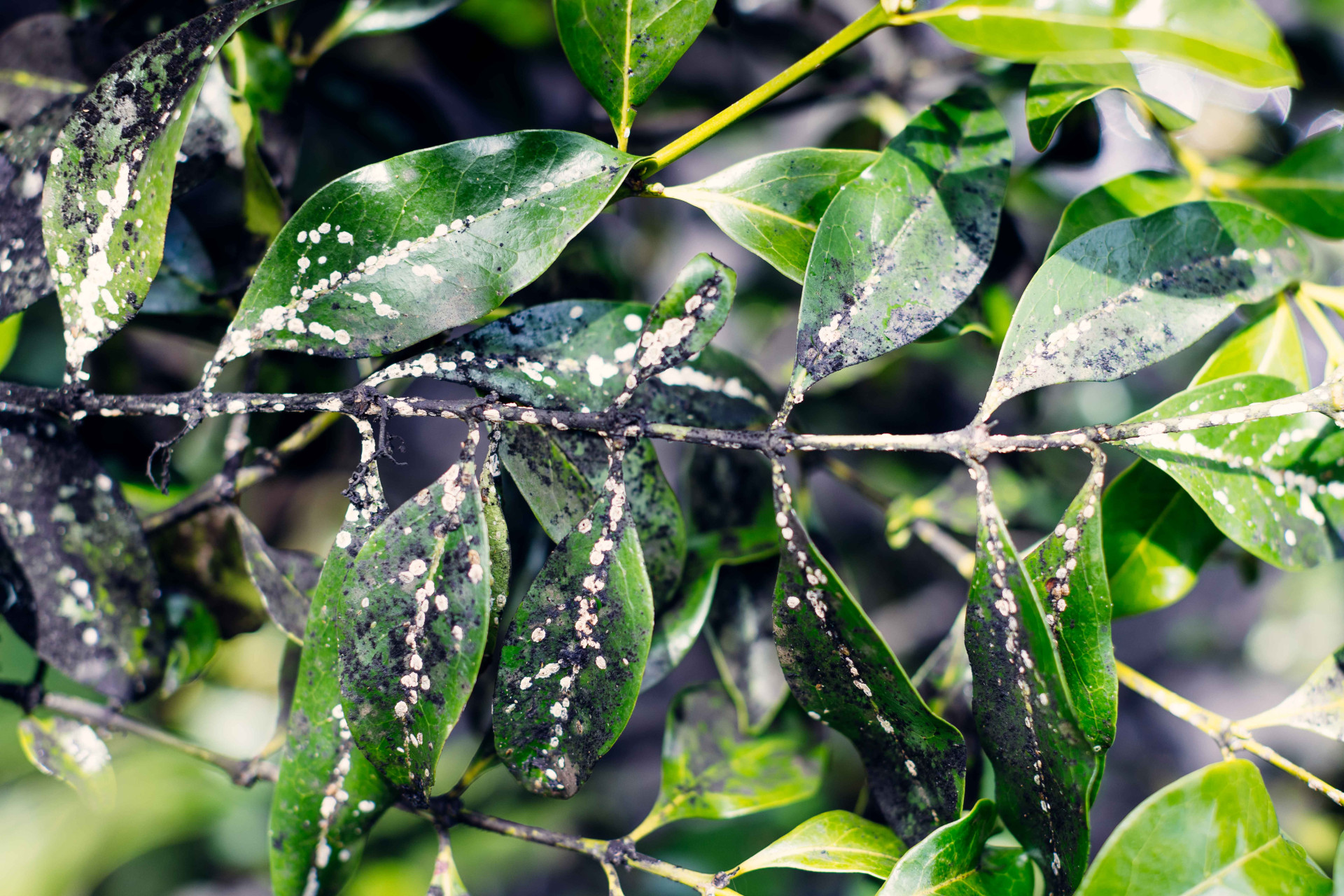
Figure 3. Scale and Sooty Mold on Alahee (Psydrax odorata). Photo credit: Melody Euaparadorn, Hawaii Ant Lab.
Now imagine all of these landscape issues compounded by a single invasive ant species—one with the power to threaten jobsite safety as well as the health and well-being of homeowners, their children, pets, and livestock.
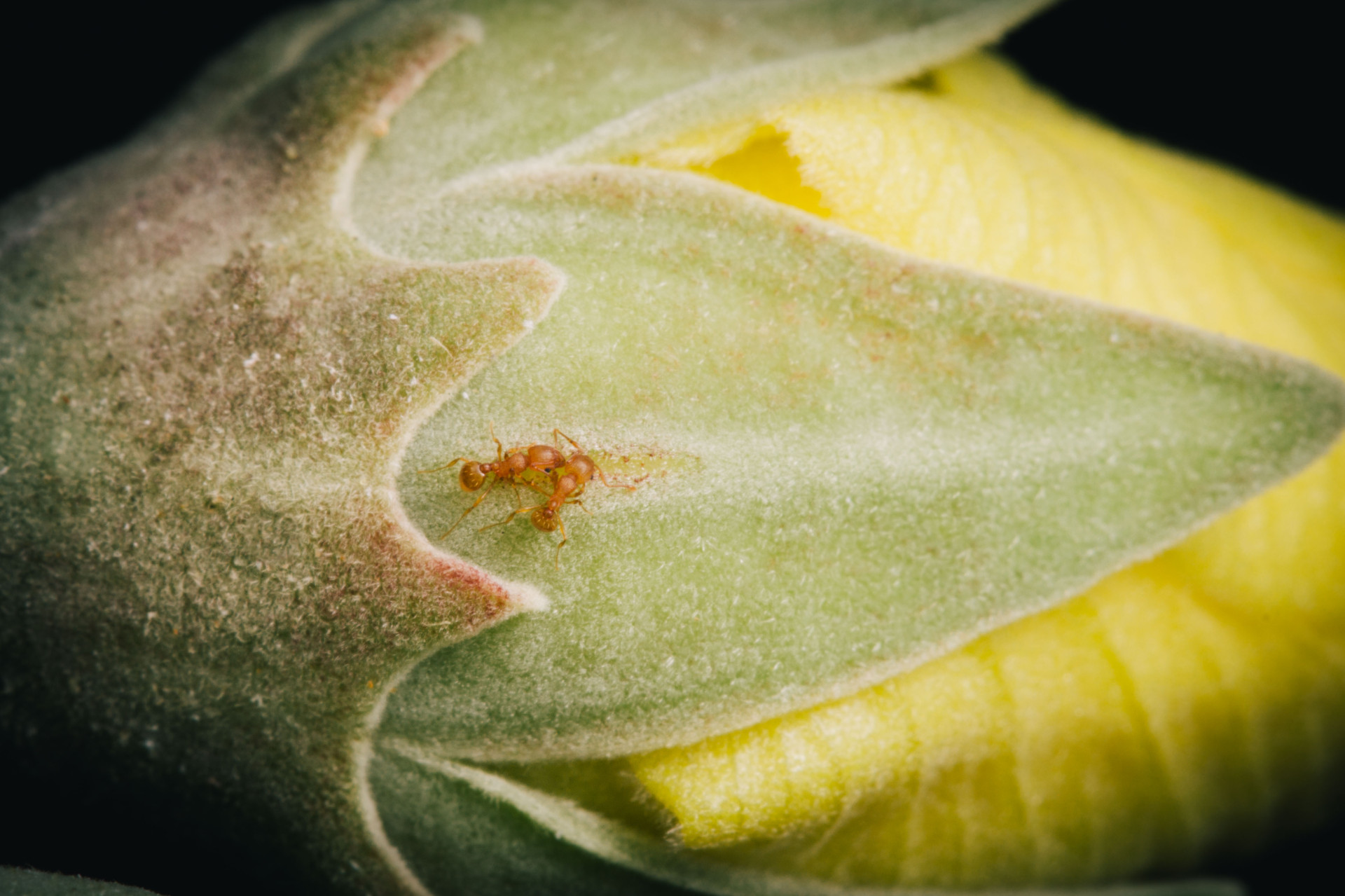
Figure 4. Tiny Little Fire Ant on Hau (Hibiscus tiliaceus) flower bud. Photo credit: Melody Euaparadorn, Hawaii Ant Lab.
The Little Fire Ant (Wasmannia auropunctata), commonly known as LFA, is an invasive pest that some of our islands have unfortunately come to know all too well. A simple brush against a soft palm frond, reaching to pick fruit, pulling on a vine, or even sitting beneath a tree on a breezy day can result in numerous painful stings—often around the neck—that can send some people to the hospital and drive many others indoors. LFA find their way inside shirts or pants, become trapped, and begin stinging. The burning pain can ruin your day, and for some, the discomfort can linger for weeks.
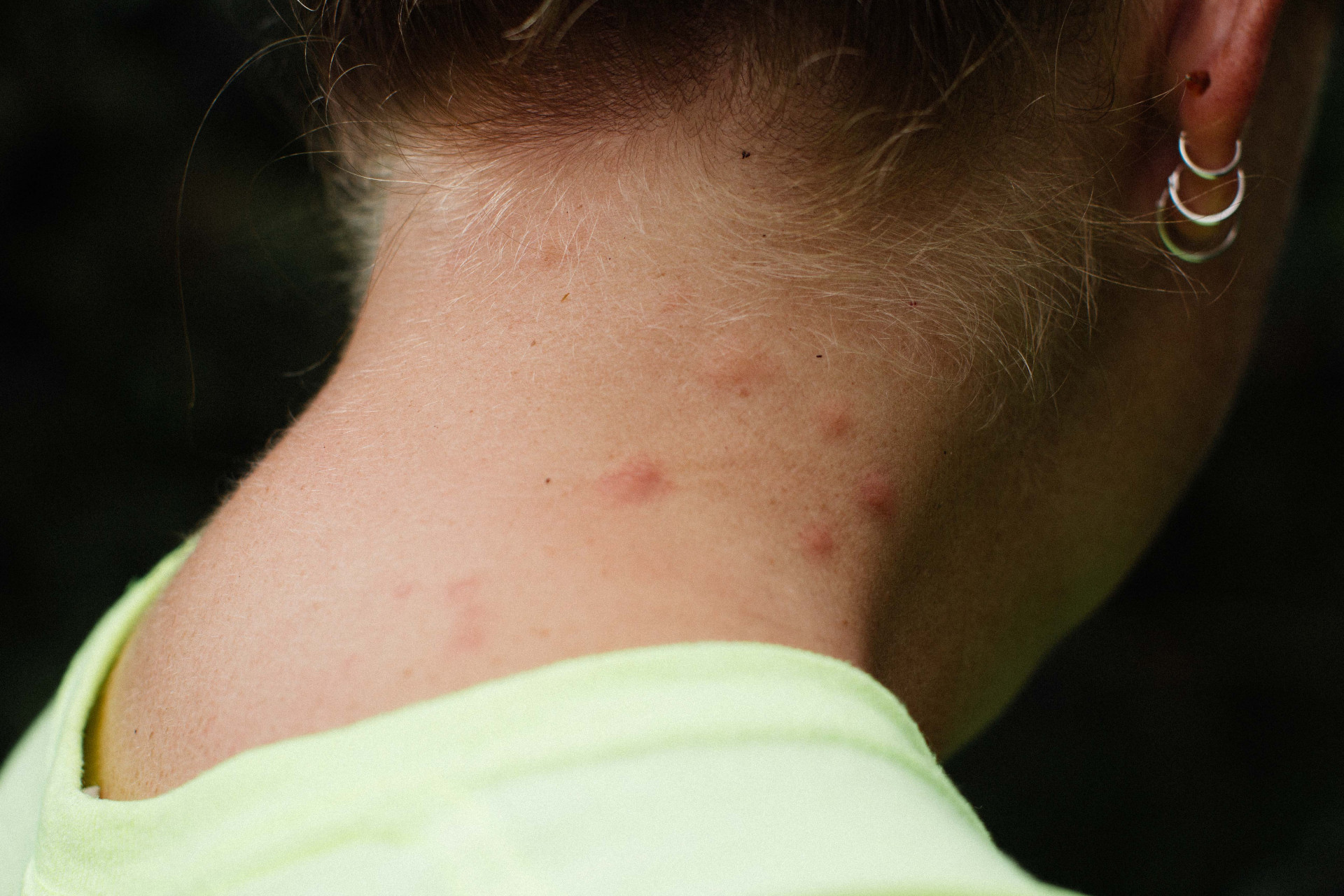
Figure 5. Little Fire Ants often sting on neck after falling from plants. Photo credit: Melody Euaparadorn, Hawaii Ant Lab.
The Little Fire Ant (LFA) ranks among the 100 worst invasive species worldwide and was introduced to Hawaii through agricultural imports in the mid-1990s. It is now firmly established across much of the Big Island, with infestations recorded at elevations up to 4,000 feet. In areas of high density, LFA invade homes—nesting in drains, walls, and furniture. People are stung in their beds and baths, pets suffer eye injuries, children get stung while playing outdoors, and what should be enjoyable yardwork and recreation quickly becomes unbearable.
As LFA spreads through residential neighborhoods and agricultural lands, finding workers who are willing to work in untreated orchards becomes increasingly difficult. Ultimately, landowners face limited choices: treat the infestation, resign themselves to being stung, or alter their lifestyle. However, without firsthand experience, these warnings are often dismissed as “scare tactics.”
LFA working groups—including the Hawaii Ant Lab, Oahu Invasive Species Committee (OISC), Hawaii Department of Agriculture (HDOA), and various community action groups—are actively tracking and treating infestations. But long-term success depends on stopping the spread.
The spread of LFA is largely due to people moving infested materials both within and between islands. Hawaii Island, Maui, Oahu, and Kauai are all in different stages of invasion. Over the past two years, known infestations on Oahu have grown exponentially, and Kauai may be entering a similar phase. In contrast, Maui has taken a zero-tolerance approach, dedicating significant resources to eradicate known infestations. Their continued vigilance in monitoring for accidental introductions gives them a good chance of remaining LFA-free—while also providing a buffer against reinfestation.
Management Strategies- Disrupt the Ant–Pest Relationship
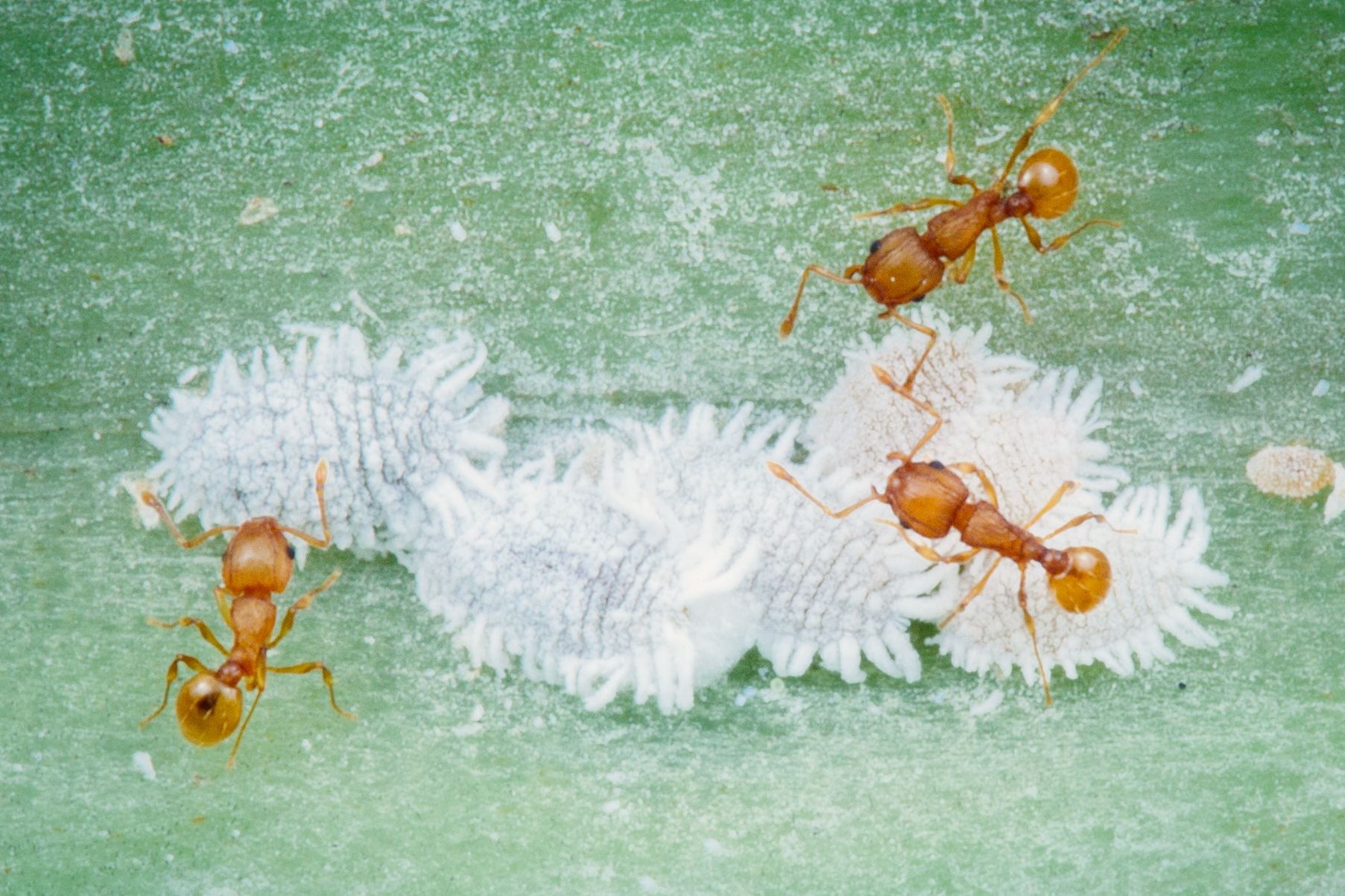
Figure 6. LFA tending scale in their mutualistic relationship. Photo credit: Melody Euaparadorn, Hawaii Ant Lab.
Landscape professionals have the power to break the pest cycle, restore plant health, and help prevent the spread of LFA. Start by maintaining healthy soil and avoiding excessive nitrogen fertilization, which can contribute to outbreaks of sap-feeding pests. By managing these pests effectively, you eliminate one of LFA’s primary food sources and reduce their presence in the landscape.
Designing landscapes with LFA prevention in mind can reduce the likelihood of infestations taking hold. Select plant species that limit LFA habitat and allow for more effective pesticide application. Design planting layouts with enough space to walk between plants for monitoring and treatment, and maintain vegetation at a height that is accessible without special equipment. Thoughtful design can significantly hinder LFA establishment and reduce long-term management challenges.
Prevention
Although it is not the only pathway, the movement of landscape materials and outplanting of infested nursery stock is likely the greatest cause of LFA spread. Fortunately, it is also one of the easiest to mitigate through reasonable precautions. Whether we grow our own planting stock or purchase materials from large nursery retailers, we are also in a unique position to support early detection and support prompt treatment.
The first step is to maintain control over the biosecurity of your jobsites and do everything possible to prevent the spread of LFA. Prevention begins with sanitation—both phytosanitation and equipment decontamination. LFA can live on virtually any surface, including mulch, wall crevices, potted plants, lawns, under pavers, and in trees. Removing vines, pruning trees, and keeping hardscape and storage areas clean helps reduce nesting habitat.
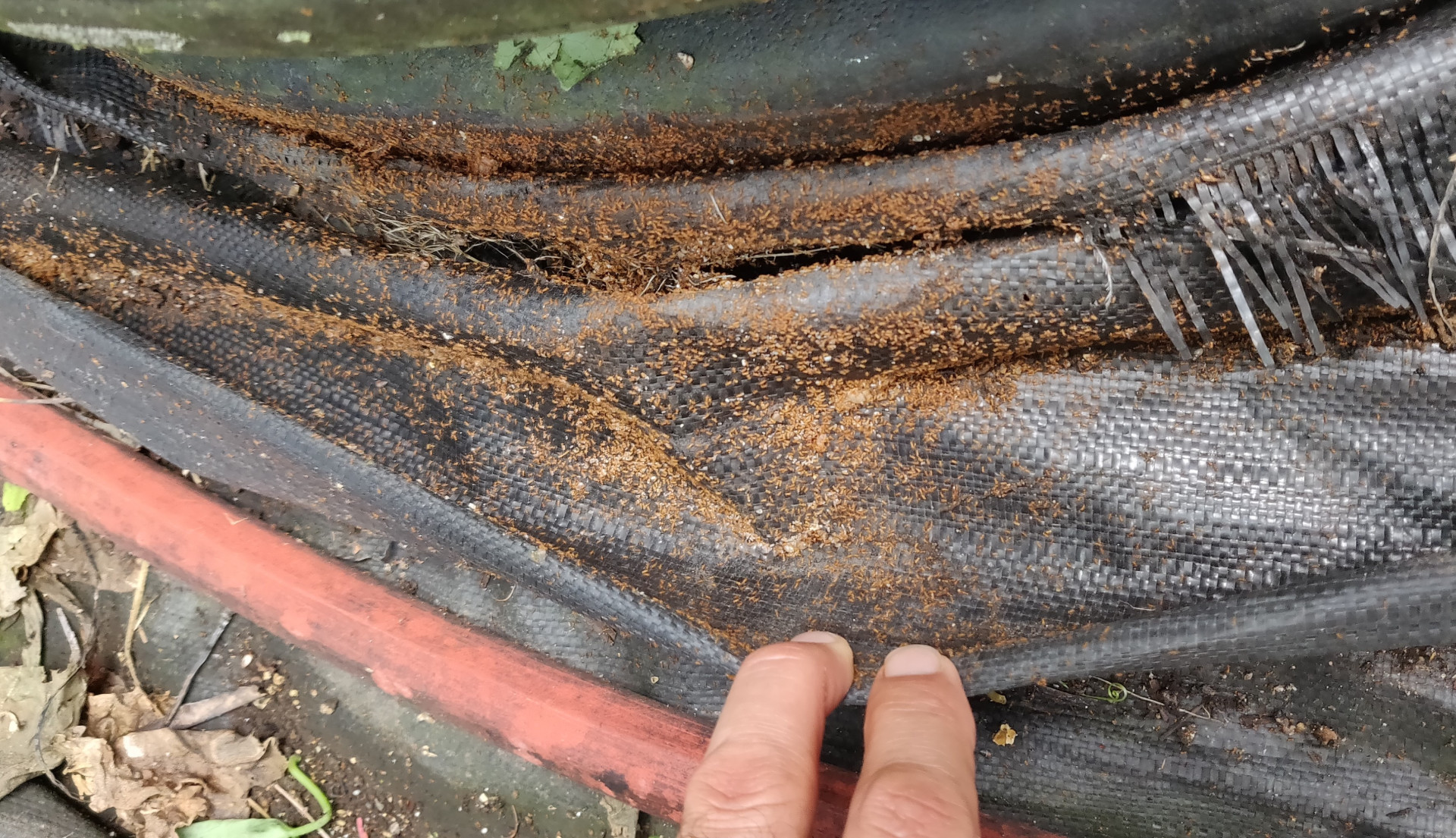
Figure 7. A LFA colony in weedmat can host multiple queens and thousands of workers. Photo credit: Hawaii Ant Lab.
As a precaution, decontaminate equipment by washing off mud and debris at a designated location between jobs. Sanitation not only reduces the risk of transporting LFA between sites, but it also improves the effectiveness of treatments by minimizing habitat availability. Screen your vendors carefully; ask about their pest control and LFA treatment policies. If they cannot provide adequate answers, consider sourcing materials elsewhere.
Set up a staging area—free of weeds and insects—Test all incoming plant and landscape materials before accepting them, and inspect equipment for LFA before unloading. Monitor for LFA using peanut butter lures to detect their presence. Subcontractors and employees should be required to follow Best Management Practices (BMPs) and arrive at the jobsite with clean vehicles and sanitized tools.
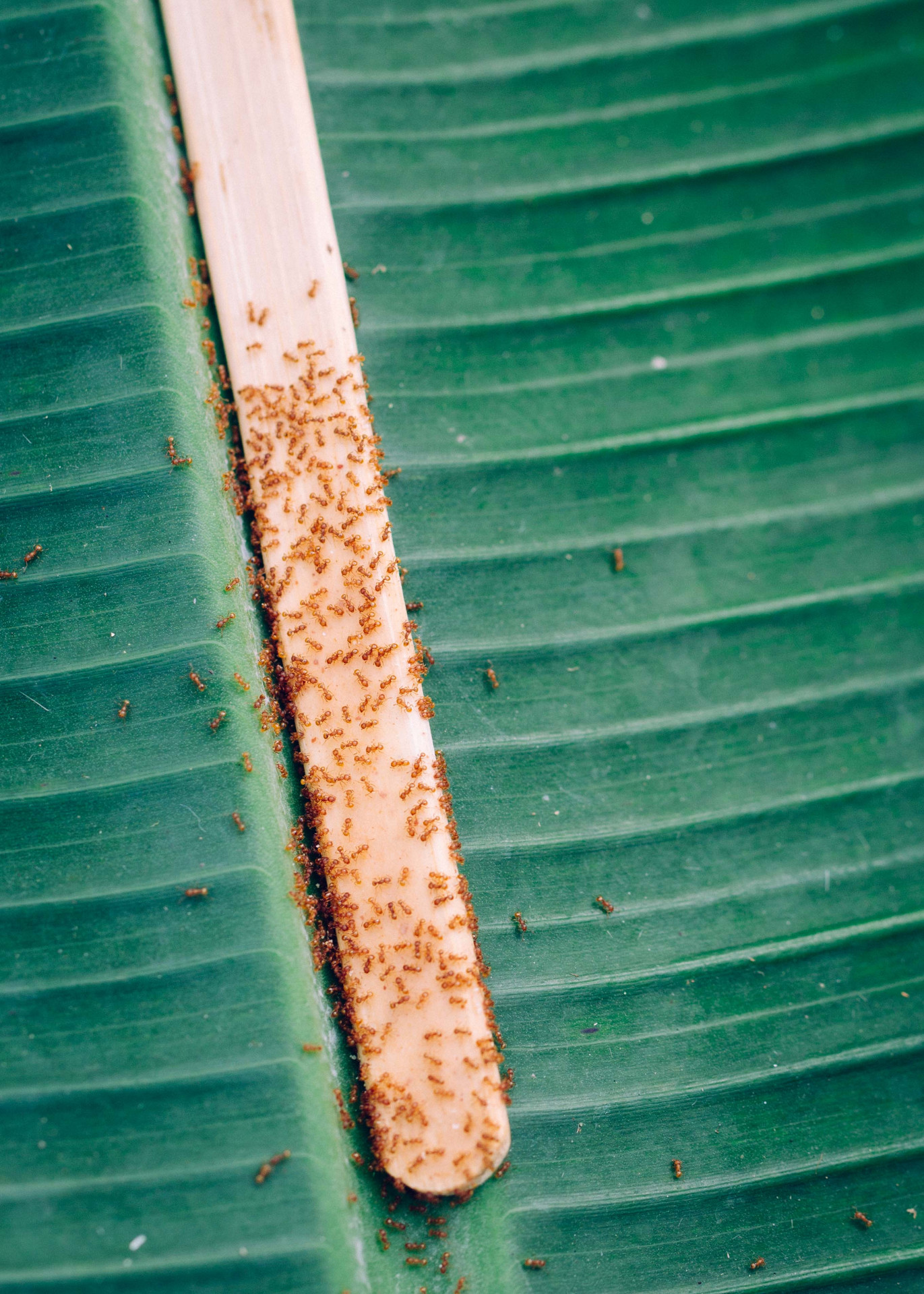
Figure 8. Bamboo stick with a thin layer of peanut butter quickly attracts Little Fire Ants for monitoring. Photo credit: Melody Euaparadorn, Hawaii Ant Lab.
Monitor and Identify: No prevention program is foolproof—accidents can still happen. Older landscapes should be tested for LFA at least at least once a year, and newer installations should be tested at least every six months for early detection. To test for LFA, use a chopstick baited with peanut butter—or mayonnaise for those with peanut allergies. Any ants that are collected can be sent to Hawaii Ant Lab for free identification and treatment advice—you can then implement a targeted treatment approach. Make sure to regularly inspect your growing area and test your stock before transport.
Control Ant Populations: Ant control is very different from other types of pest control. With limited exceptions, landscapers are not legally able to provide add-on LFA control services without holding a valid pest control license and being properly insured for pest control under Hawaii law (Hawaii Administrative Rules Ch. 94). These regulations are governed by the DCCA Pest Control Board.
If you choose not to obtain a pest control license, partner with someone who is qualified and trained in LFA management. As a landscape professional, you can also play a key role in educating your clients about the importance of proper pest identification and Integrated Pest Management (IPM). When clients understand the basics of IPM, they’re better equipped to evaluate potential pest control providers—and to ensure that effective LFA treatment is part of the contract before work begins.
Hawaii Ant Lab: For more information on Little Fire Ants, inquiries, and to register for a free zoom class, visit littlefireants.com. Hawaii Ant Lab staff are available for free consultation and trainings. You can refer clients or provide them with information on self-treating their yard. To order a test kit and send in your samples for a positive ID, visit stoptheant.org. Hawaii Ant Lab also has a vast selection of user-friendly info sheets and comprehensive “how-to guides” for LFA prevention and control that you are welcome to use for education and prevention strategies.
Allison Miles is an Outreach Technician at the Hawaiʻi Ant Lab (HAL) on the Big Island
First Detection of Aroid Leaf Rust (Pseudocerradoa paullula) on Monstera (Monstera deliciosa) in Hawaii
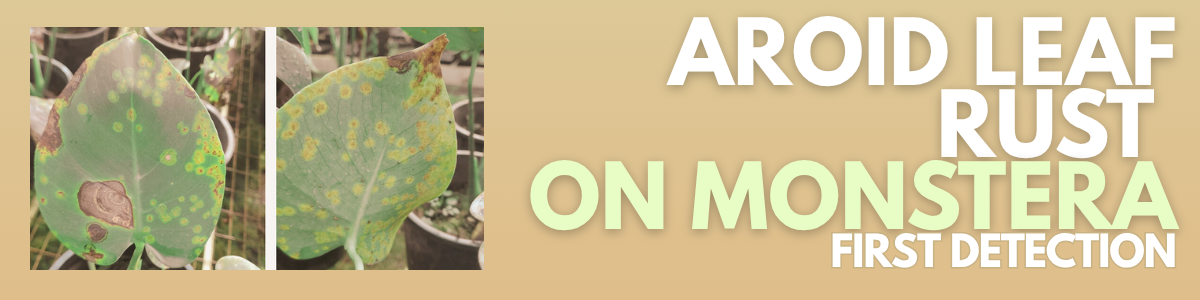
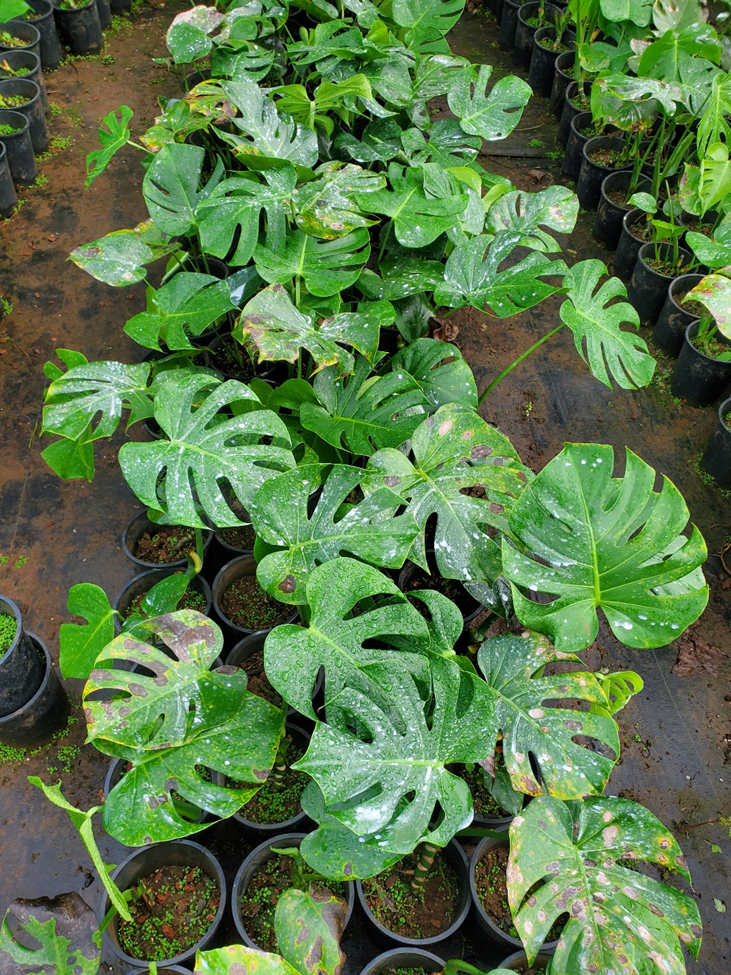
Figure 1. Caption: Images of Pseudocerradoa paullula found on Monstera deliciosa at a Kauai nursery.
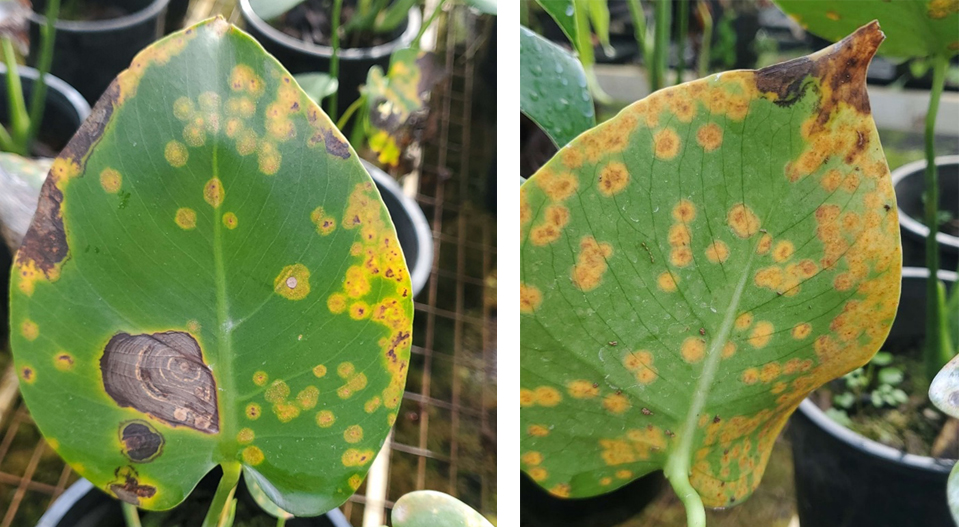
Figure 2. Caption: Yellow leaf spots and brown lesions upper (left) and lower (right) leaf surfaces caused by P. paullula.
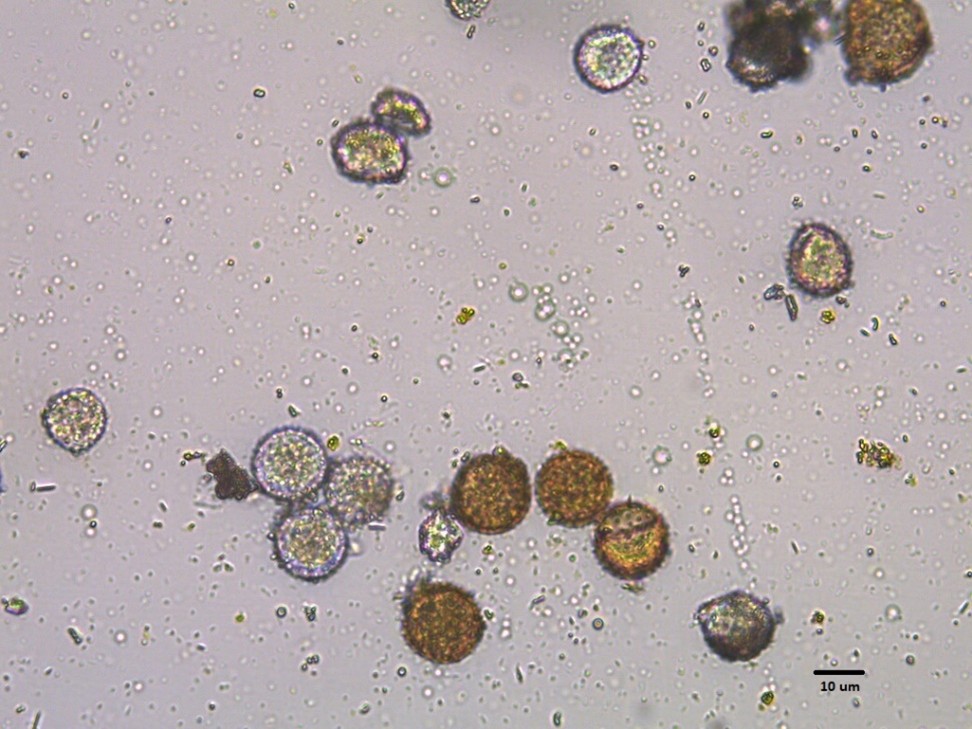
Figure 3. Caption: Image of P. paullula uredospores under the compound microscope, viewed at 400x magnification.
P. paullula is a fungal pathogen known to produce lesions about 1 cm in diameter on the lower leaf surface and small chlorotic spots on the upper side during early stages of infection (Figure 2). The lesions develop an orange to reddish-brown pigment with yellow halos and produce round, orange uredospores that have a powdery texture. Infected tissue can brown over time and may become susceptible to secondary pathogens as lesions expand.
Host Range and Distribution
Aroid leaf rust has previously been reported in the Philippines, Australia (Shaw, 1991), New Caledonia, China (Zheng Xiao Hui, 2001), Japan (Sakamoto et. al., 2023), Malaysia (Lee et. al, 2012, Williams, 1976), Taiwan (Chung et. al, 2009), and Papua New Guinea (Shaw, 1984). It has also been detected in the continental United States, from nurseries in Virginia (Bily et al., 2024), South Carolina (Yang et al., 2023), and Florida (Urbina et al, 2023). This pathogen was also intercepted in 2014 at the port of Los Angeles, California from Malaysia (Urbina et. al, 2023).
This fungal pathogen is host-specific. Currently, the most reported host of P. paullula is M. deliciosa. Other Monstera species, such as M. andansonii, M. subpinnata, and M. standleyana, have also been reported to be susceptible (Shaw, 1991). Other known hosts in the Araceae family include Epipremnum pinnatum (taro vine, dragon-tail plant, centipede tongavine) (Fig. 4), Typhonodorum lindleyanum (water banana), Amorphophallus campanulatus (elephant root yam) (Williams & Liu, 1976), Alocasia sp., and Stenospermation andreanum (Yang et. al, 2023, Urbina et. al, 2024).
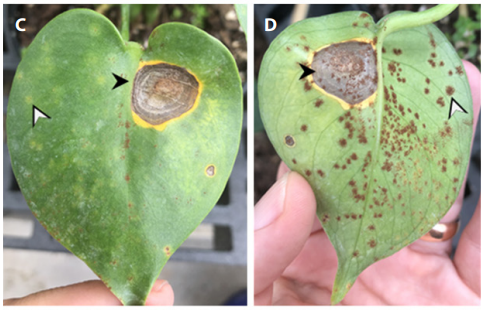
Figure 4: Images of P. paullula leaf spots on Epiremnum pinnatum (taro vine, dragon-tail plant, centipede tongavine) upper (C) and lower (D) surface (white arrows). Enlarged necrotized leaf spot caused by secondary pathogens (black arrows). Images taken by Romina Gazis, University of Florida: Tropical Research and Education Center.
How does the rust pathogen spread?
This rust pathogen is considered an obligate parasite, meaning it requires living host tissue to complete its life cycle and obtain nutrients (Kolmer et. al, 2009). P. paullula can easily spread with warm temperatures and high humidity conditions, particularly in areas with prolonged periods of rain or dampness. It is known to survive cold temperatures by producing thick-walled teliospores for overwintering (Shaw, 1993). However, Hawaii’s warm climate may not support teliospore formation.
Spores can be spread by wind and splashing water. Plants weakened by disease or insect damage are particularly vulnerable, as these wounds provide entry points for rust spores. The pathogen can also spread by humans through plant trade, and extra precautions should be taken when receiving host plants from locations known to have the rust disease. If you think you have encountered this rust, you can report to 643pest.org or call 643-PEST (643-7378). Tools, equipment, and clothing contaminated with spores can also transmit the pathogen, if not properly disinfected.
Management Practices
There are several effective practices to help prevent the introduction and spread of aroid leaf rust. The important step is to avoid introducing the disease into your landscape. When purchasing known host plants, carefully inspect leaf surfaces for any signs or symptoms of infection. Newly purchased host plants from the countries and states listed above should be isolated and carefully monitored for 40 days to watch for rust development.
To reduce the risk of infection, create an environment that is less favorable to rust. This include minimizing leaf wetness by switching overhead irrigation to drip systems and reducing the frequency of watering. Utilizing thorough sanitization practices by regularly pruning and removing symptomatic leaf tissue, reducing plant debris, washing footwear regularly, and disinfecting tools with a 70% alcohol solution or 10% bleach solution are also helpful practices to minimize infections. The use of registered fungicides for ornamentals may help control P. paullula (Table 1).
How to Discard Plants Affected with Aroid Leaf Rust
When discarding the diseased plant tissue, do not discard the symptomatic leaves in the green waste bin, as this may spread viable spores. Instead, consider composting or burying the infected plant material. If the plant tissue is properly covered and allowed to decompose, the pathogen will die along with the host.
Acknowledgement
Special thanks to William Miller (U.H. Manoa Undergraduate Research Assistant) and Dr. Brent Sipes (U.H. Manoa Nematologist) for their assistance in the Kauai survey trip. We would also like to thank Dr. Marian Luis (U.H. Manoa Mycologist) and her lab for their assistance in molecular identification.
Table 1. Fungicides registered in Hawaii and labeled for rust pathogens on Monstera and other ornamental plants.
| Organic | Product | Active Ingredient | Note |
| Debug® Optimo, Debug® Tres, and Debug® Turbo | Azadirachtin, Neem oil | ||
| Seican® | Cinnamaldehyde | broad spectrum | |
| EcoSwing® Botanical Fungicide | Extract of Swinglea glutinosa | ||
| Debug® ON and Rango™ | Neem oil | ||
| TriTek™ and SuffOil-X® | Oil, mineral | broad spectrum | |
| MilStop® SP | Potassium bicarbonate | ||
| M-Pede® Insecticide Miticide Fungicide | Potassium salts of fatty acids | broad spectrum | |
| Sulfur 90W and Microthiol® Disperss® | Sulfur | broad spectrum | |
| Conventional | |||
| Heritage® Fungicide and AzoxyStar® | Azoxystrobin | ||
| Mural™ | Azoxystrobin, Benzovindiflupyr | ||
| Phyton® 35 and Phyton® 27 | Copper sulfate pentahydrate | ||
| Orkestra® Intrinsic® Brand Fungicide | Fluxapyroxad, Pyraclostrobin | ||
| Vacciplant® | Laminarin | ||
| Rellix™ 40 WSP, Eagle® 20EW Specialty Fungicide, and Rally® 40WSP Fungicide | Myclobutanil | ||
| Procon-Z™ Fungicide, Strider™ Fungicide, Banner MAXX® II, and PropiMax® EC Fungicide | Propiconazole | ||
| Insignia® SC Intrinsic® brand fungicide | Pyraclostrobin | ||
| Monsoon® Turf, Tebuconazole 3.6F T&O, Torque™ Fungicide, and Tebuzol® 3.6F | Tebuconazole |
These are some pesticides which are labeled for use on residential ornamentals, don't have restrictive personal protective equipment (PPE) requirements, and have been shown to be effective at controlling fungal pathogens. There may be products not listed here which would also be effective against rust. Whenever you use a pesticide, make sure that the site of application is listed on the label, that you wear all required PPE, and that you follow any relevant label restrictions like maximum annual use rates and environmental protections.
References:
Bily D, Gyatso T, Evans A. 2024. First Detection of Pseudocerradoa paullula Causing Aroid
Chua, L.S.L., Lee, S.S., Alias, S.A., Jones, E.G.B., Zainuddin, N. & Chan, H.T. 2012. Checklist of Fungi of Malaysia, Issue/No. 132. Forest Research Institute Malaysia (FRIM), Malaysia. 556.
Chung, W. H., Ono, Y., Kakishima, M., & Haung, J. W. 2009. The New
Kolmer, J. A., Ordonez, M. E., & Groth, J. V. (2009). The rust fungi. Encyclopedia of life sciences (ELS), 10(9780470015902), a0021264.
Neal, M. C. 1965. In Gardens of Hawai'i. Revised Edition. Bernice P. Bishop Museum Special Publication 40. Bishop Museum Press, Honolulu, HI
Rauch, F. 1997. Monstera.
Shaw, D.E. 1984. Microorganisms in Papua New Guinea. Dept. Primary Ind., Res. Bull. 33, 1-
Shaw, D. E. 1991. Rust of Monstera deliciosa in Australia. Mycological Research, 95(6), 665-
Shaw, D.E., 1993. A note on the further occurrence and viability of teliospores of Puccinia paullula f. sp. monsterae. Australasian Plant Pathology, 22(1), 19-21.
Urbina, H., Jones, C., Moore, M.R. and Gazis, R., 2024. Susceptibility of Centipede Tongavine,
Urbina, H., Jones, C., Moore, M.R. and Gazis, R., 2023. Detection of Aroid Leaf Rust Pseudocerradoa paullula on Swiss Cheese Plant Monstera deliciosa in the Continental United States. Plant Disease, 107(8), 2520.
Williams, T.H., and Liu, P.S.W. 1976. A host list of plant diseases in Sabah, Malaysia.
Yang, X., Colburn, G. C., Roach, K., Zee, T., & Long, S. H. 2023. First Report of
Zheng XiaoHui, Z. X., Qi PeiKun, Q. P., & Jiang ZiDe, J. Z. 2001. Identification on the fungal diseases of ornamental plant (Araceae) in Guangzhou region-II. Journal of South China Agricultural University 22(1): 51-53.0
Sydney Ward, Maxwell Bendes, and Josiah Marquez, PhD Plant Pathologist,
[email protected], Plant Pathology Unit, Department of Agriculture,
Community News

Conference Updates
Have you seen all of the news and updates for the 2025 LICH conference? The conference committees have been hard at work locking down all of the details. The programming committee has also provided an all-new business track to take your skills and business to the next level. The tradeshow committee has been sourcing vendor demonstrations and sponsors. And the tour committee has finalized the tour stops for the Friday, Oct 3rd conference garden tour. They have been posting updates and content on a new event website.
Check it out at greenindustryconference.com



Advertise with Us
Hawaii Landscape magazine is an educational, newsletter that reaches Hawaii’s landscape industry professionals. With a diverse industry readership across the state of Hawaii and beyond, our readers represent some of Hawaii’s most active and influential landscape professionals. As the “Voice of the Green Industry” Hawaii Landscape readers appreciate the authoritative voice on everything from design of great landscapes to irrigation technology, native plants, conservation, community service, small business management, book reviews, machine & tool tips, herbicide & pesticides, invasive species, certifications, and industry events.
To learn more visit https://hawaiiscape.com/Advertising_Information