#86: Native Plants and Conference Updates 
Little Fire Ants: A Growing Threat to Hawai‘i’s Agriculture
By: Serene Gunnison
Little fire ants (LFA), Wasmannia auropunctata, may be tiny, but their impact in Hawai‘i is anything but. LFA invades wherever present, taking over homes, fruit trees, gardens, and even commercial farms with ease. Known for their painful stings and large colonies, LFA have the potential to deal a heavy blow to the islands’ ecosystem and economies, and local agriculture and food production may feel the sting most acutely. Fortunately, early detection and rapid response are the best defenses against these mean little pests—whether protecting your home or preventing establishment island-wide.
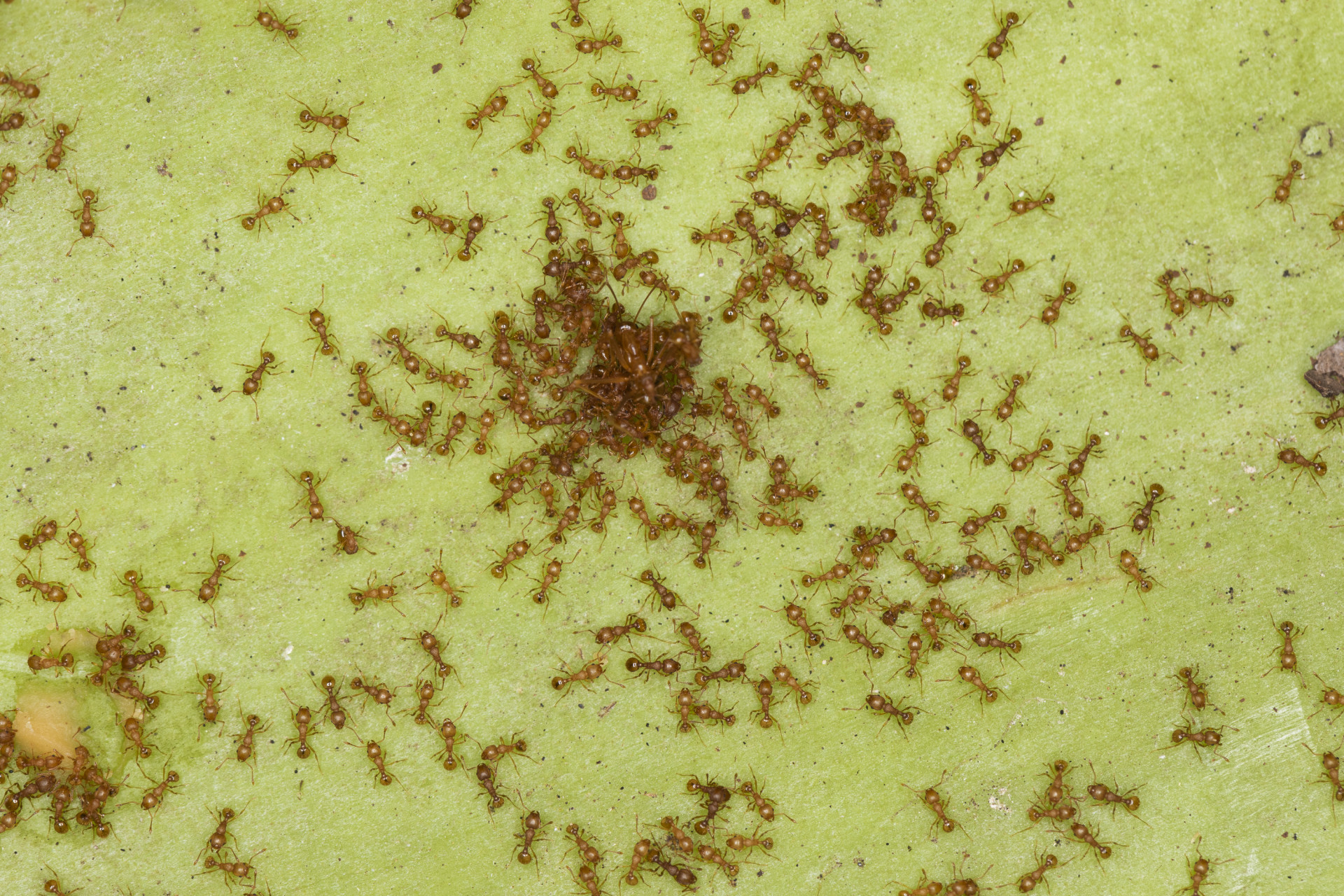
Figure 1. About half the size of a sesame seed, little fire ants form dense colonies that invade acres of land, from the ground to the treetops. Photo credit: Zach Pezzillo.
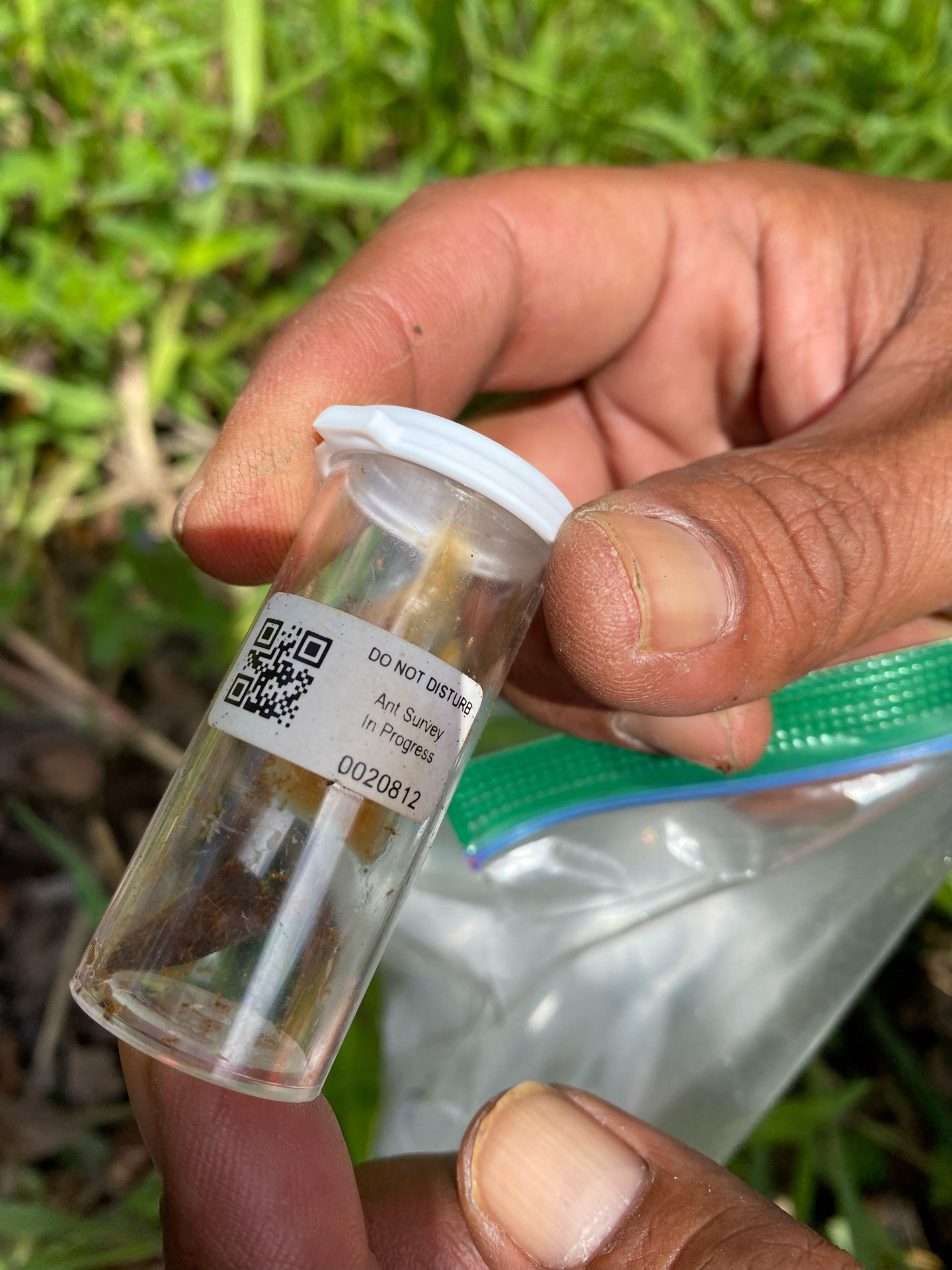
Figure 2. Little fire ants collected in a vial during a survey. Regular surveying is key to detecting new infestations early and preventing their spread. Photo credit: MISC.
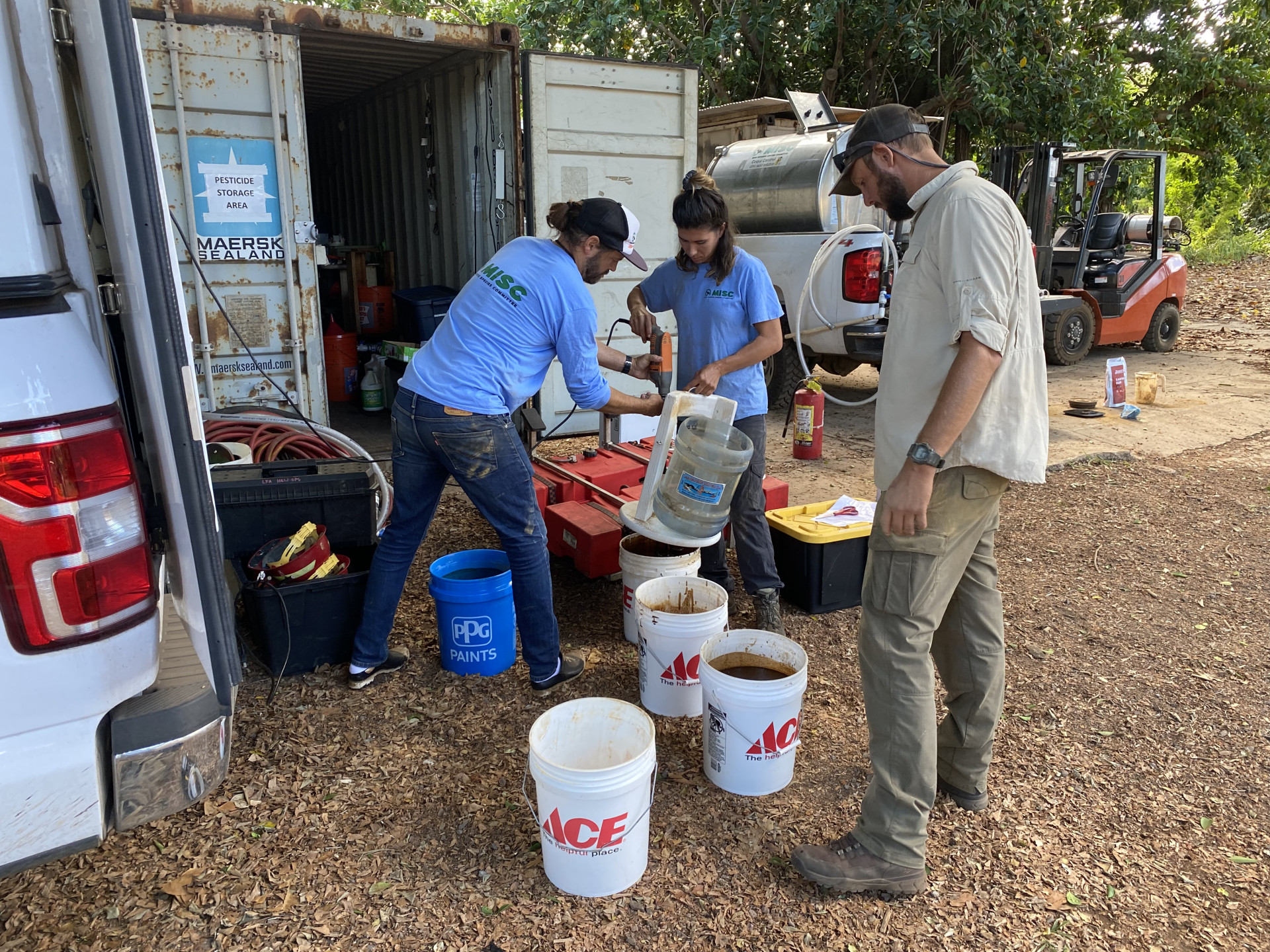
Figure 3. Maui Invasive Species Committee field crew mixes LFA ‘bait:’ methoprene, beef liver, and soybean oil. Photo credit: MISC.
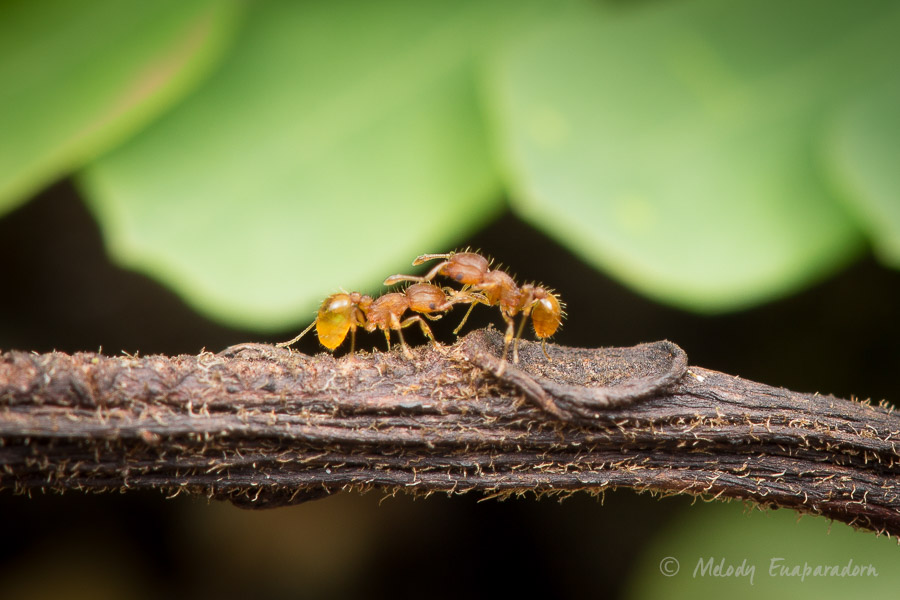
Figure 4. Little fire ants are widespread on Hawai‘i Island, but control or eradication may still be possible on other islands. Photo credit: Melody Euaparadorn.
Serene Gunnison, Social Media and Outreach Assistant, Maui Invasive Species Committee
To Grow or not to Grow: Native Alternatives to Invasive Plants in Hawaii Landscaping
By: Darcy Yogi
About 90% of invasive plants in Hawaiʻi were intentionally imported for agriculture, forestry, and horticulture. Many of these invasive plants are objectively beautiful, but unfortunately, they can become a nightmare in our forests when they escape yards. That’s when the Big Island Invasive Species Committee (BIISC) comes in to help keep the worst invasives out of our high-priority native forests and to prevent new invasives from spreading across Hawaiʻi Island.
If high-risk plants are being sold in local nurseries and garden stores, then BIISC will assess whether or not to add them to the No Grow! List. We encourage the public to please avoid buying the plants highlighted in this article and instead select one of the native plant alternatives provided. You can learn more about any plant at plantpono.org. Remember, once a No Grow! plant is put in the ground, it can be nearly impossible to contain it from spreading.
Each No Grow! plant has particularly harmful invasive traits:
● Shade-tolerant
● Prolific seed producer with seeds lasting more than a year
Autograph tree | HPWRA Score: 9[1]
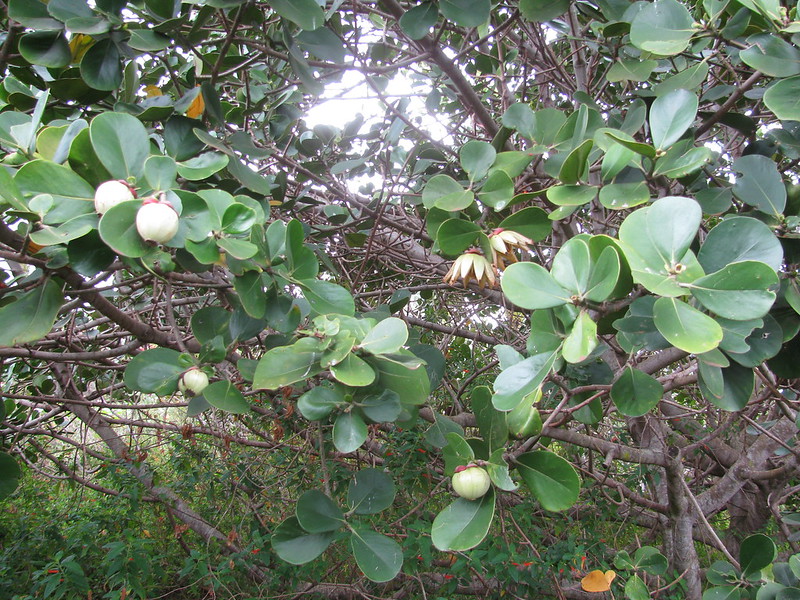
Figure 1. Autograph Tree (Clusia rosea). Photo credit: Forest & Kim Starr. Retrieved at StarrEnvironmental.com
Native to the Caribbean, the autograph tree (Clusia rosea) thrives in Hawai‛i’s climate. First documented here in 1934, this species remains a commonly used landscaping tree. It quickly escapes cultivation, where it can epiphytically strangle other host trees and colonize gutters. When well-established, autograph trees can form dense thickets, effectively shading out other species. This tree reaches reproductive age in less than three years, and more than 1,000 bird-dispersed seeds are produced per square meter every year. Its epiphytic growth, aerial roots, and poisonous sap make controlling this plant extremely difficult.
Night-blooming jasmine | HPWRA Score: 17[2]
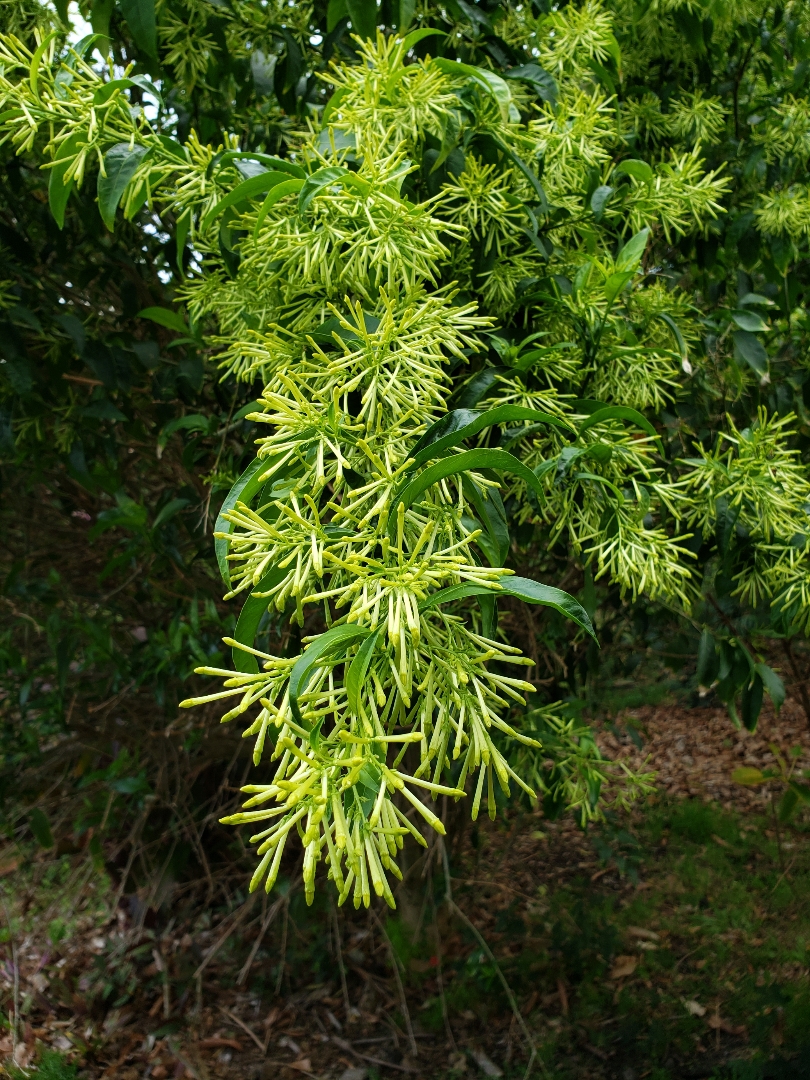
Figure 2. Night-blooming jasmine (Cestrum nocturnum). Photo credit: BIISC
Cestrum nocturnum is a highly invasive plant that has been spreading in native koa forests and preventing new native seedlings from establishing. Therefore, this invasive has been able to thrive far away from its probable origin near human residences. Birds, attracted to the white pea-sized fruit, consume the fruit and can fly to distant places before eventually pooping out the invasive seeds. Night-blooming jasmine’s sweet fragrance can hide its toxic and hazardous qualities.
Suggested native plant substitutes: Alaheʻe (Psydrax odorata), Nāʻū (Gardenia brighamii), Hōʻawa (Pittosporum hosmeri)
Asparagus fern | HPWRA Score: 15[3]
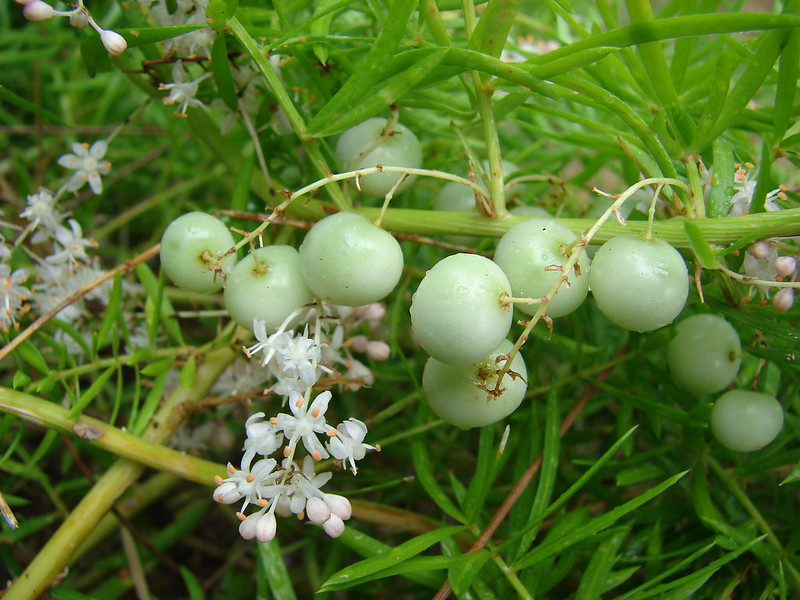
Figure 3. Asparagus fern (Asparagus densiflorus). Photo credit: Forest & Kim Starr. Retrieved at StarrEnvironmental.com
Asparagus densiflorus is a highly invasive, shade-tolerant perennial plant. Once established, this plant will be difficult to eradicate with its extensive root structure and the ability to regrow from even the smallest root left behind. Its needle-like leaves and thorns further complicate control efforts. In Hawai‛i, this species escaped cultivation and now invades low-light habitats and native forests. It has been able to spread far and wide with its bird-dispersed seeds and vegetative tubers. Unfortunately, even though this species is listed as invasive in 9 countries, it's still found for sale and prominently displayed in landscaping.
Suggested native plant substitutes: Palapalai (Microlepia strigosa), ʻUkiʻuki (Dianella sandwicensis), ʻIlieʻe (Plumbago zeylanica)
Tasmanian tree fern | HPWRA Score: 13[1]
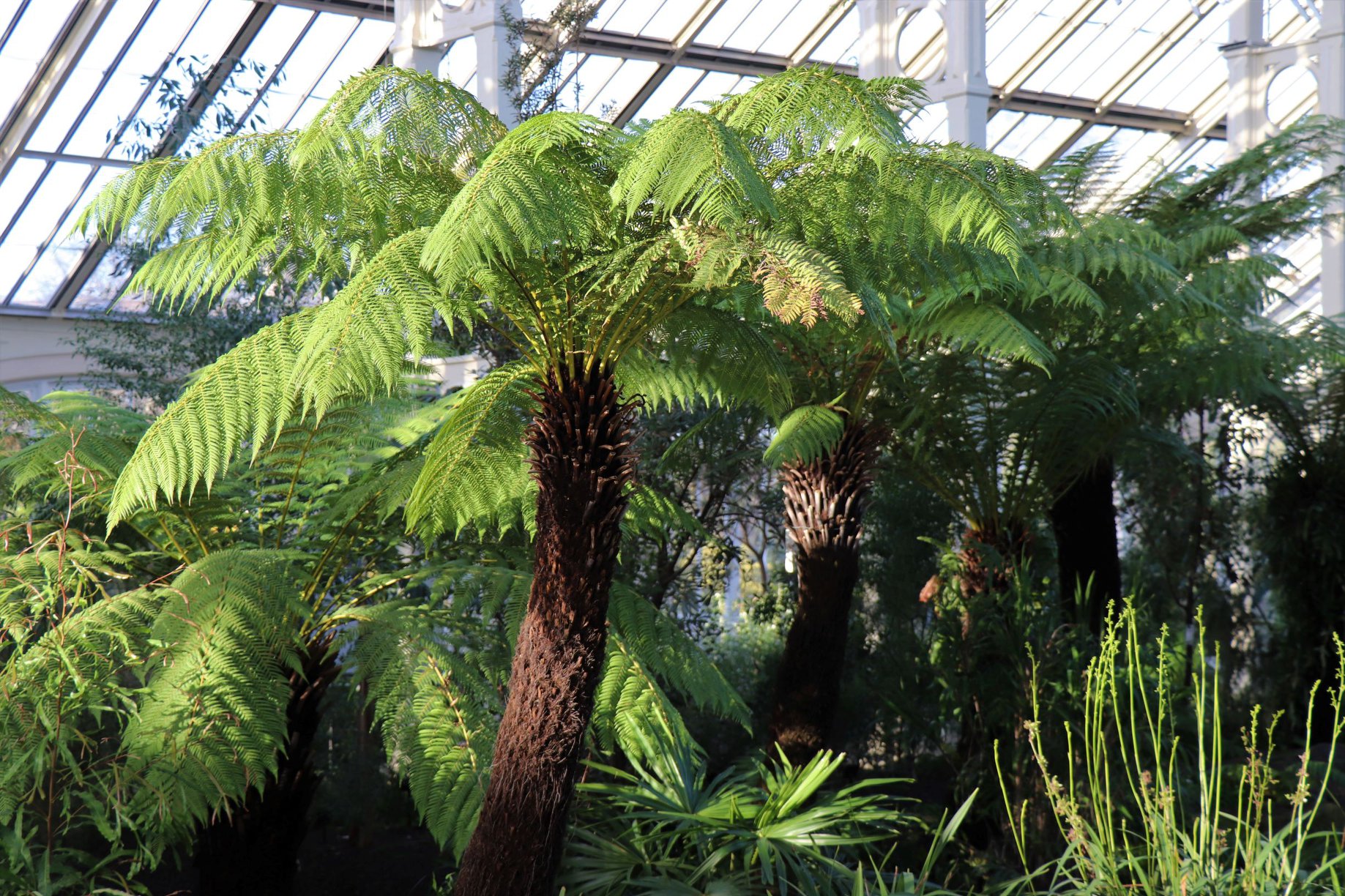
Figure 4. Tasmanian Tree Fern (Dicksonia antarctica) Kew-Gardens. Photo credit: BIISC.
Dicksonia antarctica is an invasive tree fern that’s native to Australia and Tasmania. While it thrives in a broad range of climates, the higher elevation wet forests of the Hawaiian Islands are most at risk. Similar to the invasive Australian tree fern, this species’ shade tolerance and long-distance spore dispersal combo is a dangerous combination for our native forests. It is slow-growing and takes many years to reach reproductive maturity. However, when it does make fertile spores, it does so in massive quantities. A single frond produces as many as 750 million viable airborne spores! Its ability to rapidly spread via wind means there are few barriers to the dispersal of this species.
Suggested native plant substitutes: Hāpuʻu (Cibotium glaucum), Loulu (Pritchardia hillebrandii), ʻĒkaha (Asplenium musifolium)
High-risk Medinilla species | HPWRA Score: 8[5]
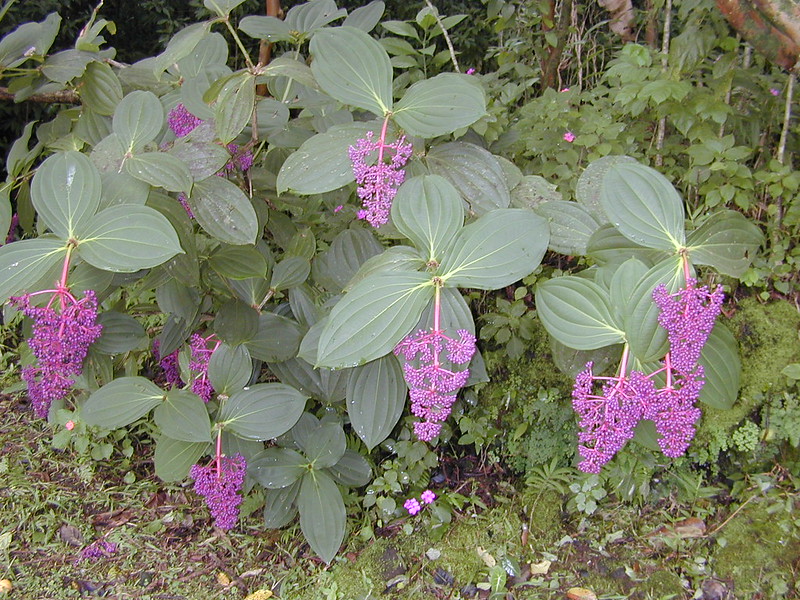
Figure 5. Medinilla cumingii. Photo credit: Forest & Kim Starr. Retrieved at StarrEnvironmental.com
Many plants in the Medinilla genus and Melastomaceae family are weedy and extremely invasive in Hawai’i. The seeds are easily dispersed by birds, water, and unintentionally through human activity (i.e., muddy boots/vehicles). Seeds, propagules, and clippings are often shared and sold due to their beautiful flowers and attractive foliage. However, these disturbance-adapted plants can produce more than 1,000 persistent seeds per square meter every year. Destructive to native habitats, these plants are very aggressive - shading over, crowding out, and smothering surrounding vegetation. Two particular species in this genus to avoid include Medinilla magnifica and Medinilla cumingii.
Suggested native plant substitutes: Māmaki (Pipturus albidus), ʻAkiohala (Hibiscus furcellatus), Kokiʻo keʻokeʻo (Hibiscus waimeae)
Barbados gooseberry | HPWRA Score: 13[6]
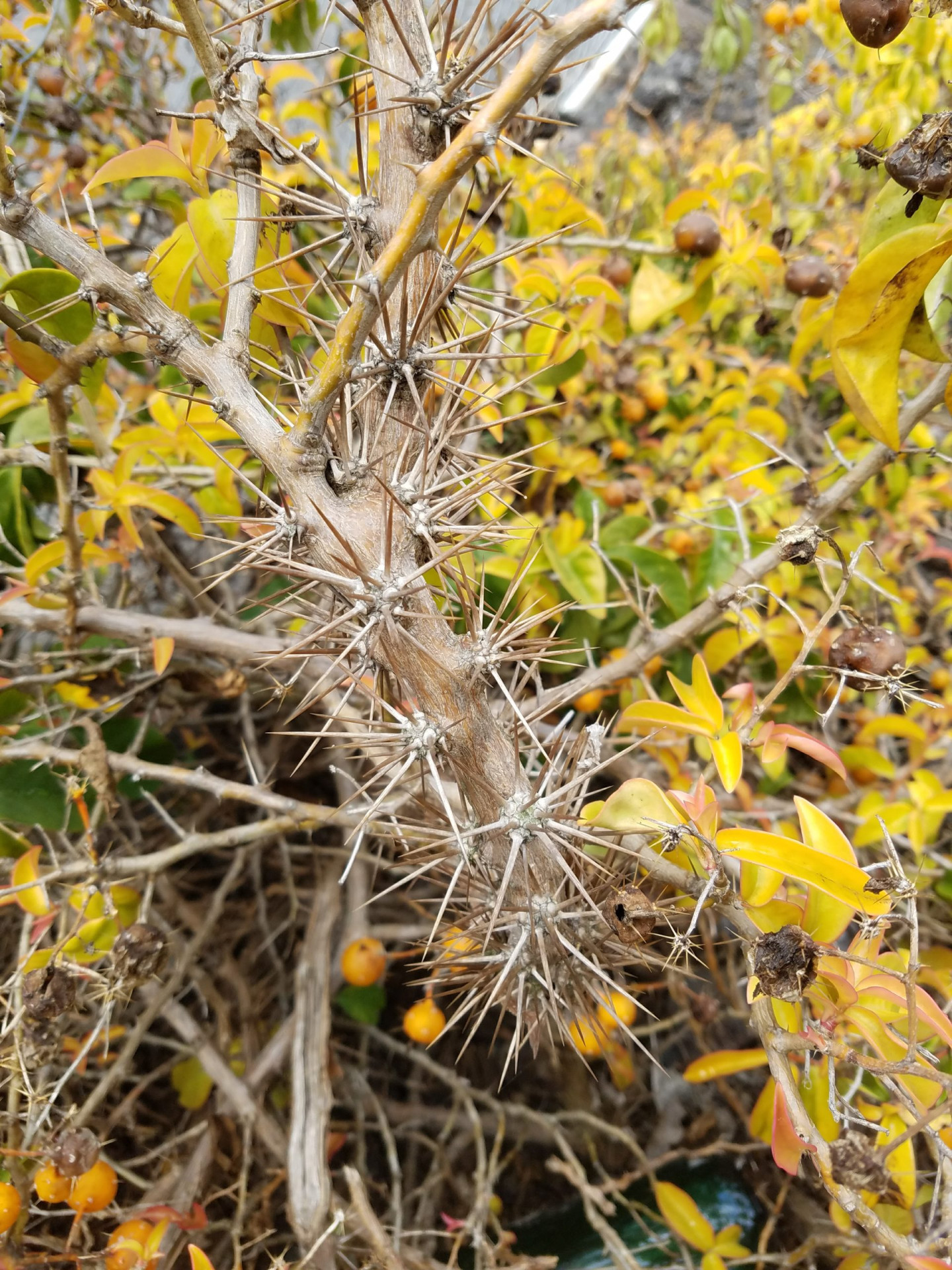
Figure 6. Barbados Gooseberry (Pereskia aculeata ). Photo credit: BIISC
Pereskia aculeata is capable of adapting to a variety of environmental conditions. Viable seeds are spread by water, birds, and humans in the horticultural trade. This sprawling shrub spreads rapidly to form dense, thorny, impenetrable thickets that effectively smother other vegetation. Stems and detached leaves stay alive and can form roots months after removal from the parent plant. Extreme thorniness and vigorous growth from plant fragments make control difficult. Barbados gooseberry is a target species for eradication on Hawaiʻi Island. If encountered, please contact BIISC for free removal.
Suggested native plant substitutes: Pāʻūohiʻiaka (Jacquemontia ovalifolia), ʻŪlei (Osteomeles anthyllidifolia), Maiapilo (Capparis sandwichiana)
Shrubby Dillenia | HPWRA Score: 11[7]
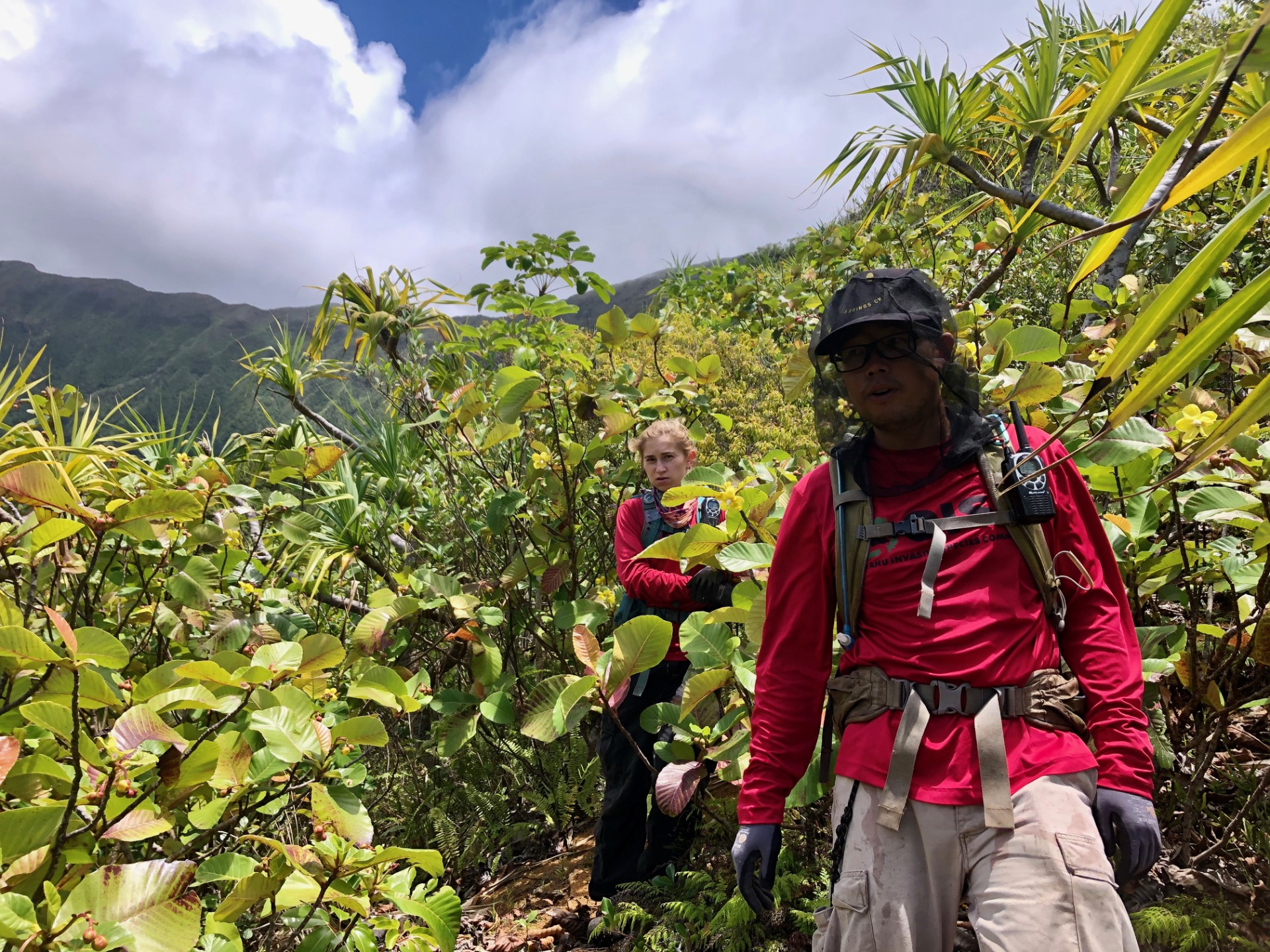
Figure 7. Shrubby Dillenia (Dillenia suffruticosa | Plant Pono). Photo credit: OISC.
Dillenia suffruticosa is an invasive flowering shrub native to the tropical climates of Borneo and Sumatra. In Oʻahu, shrubby Dillenia forms thickets from lowland moist valleys to ridge-top forests. Likely, it was introduced as a botanical specimen at Hoʻomaluhia Botanical Garden, where the first seedlings were found growing in a disturbed area just outside the grounds. This invasive plant makes more than 1000 viable seeds per square meter per plant! Attracted to the red seeds, non-native birds eat and disperse them around our forests.
Suggested native plant substitutes: Maʻo hau hele (Hibiscus brackenridgei), Pāpala kēpau (Pisonia sandwicensis), Kamani (Calophyllum inophyllum).
Bandicoot berry | HPWRA Score: 4[8]
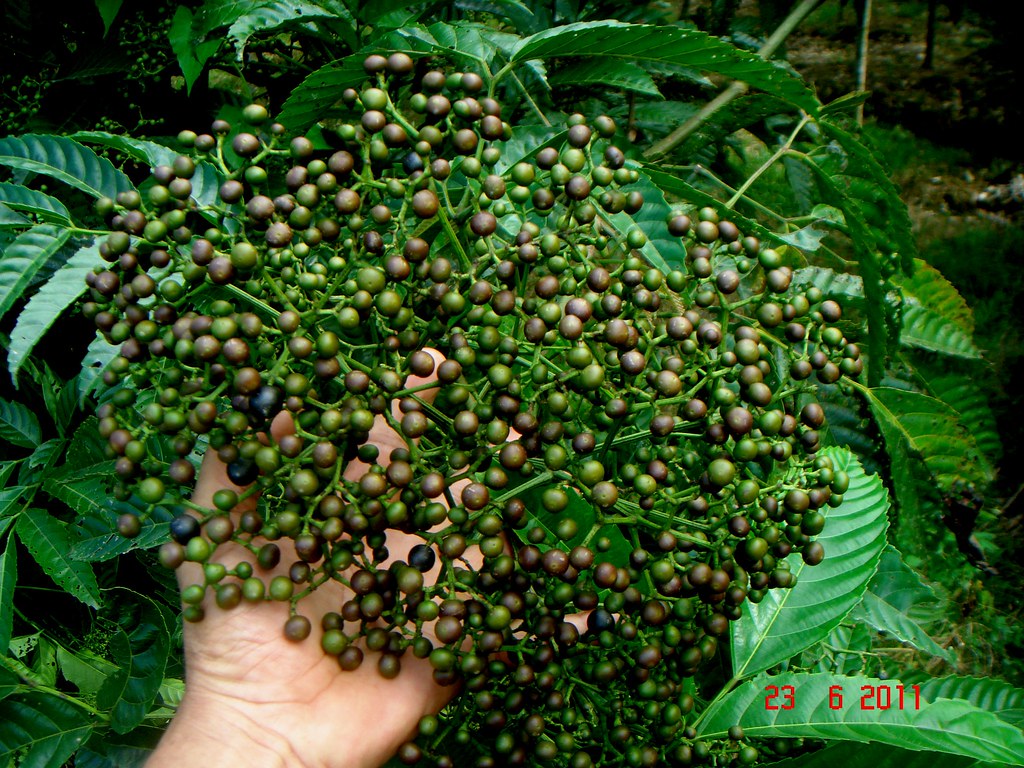
Figure 8. Bandicoot berry (Leea indica). Photo credit: Ahmad Fuad Morad.
Leea indica is a small tree with an extensive native range in tropical Asia. Imported by Joseph Rock and planted in the Lyon Arboretum in 1931, the seedlings were documented spreading only 12 years later. Today, there are naturalized populations on Hawaiʻi Island and possibly Oʻahu. Bandicoot berry thrives in the understory, where it produces many bird-dispersed purplish-black fruit. BIISC always recommends avoiding this plant in the store and trying a pono plant instead.
Darcy Yogi lives in Hilo, HI, and works as the Invasive Plant Prevention Technician for the Big Island Invasive Species Committee. She helps to support the Plant Pono program, which focuses on preventing the spread of invasive plants and insect pests within the nursery trade on Hawaiʻi Island.
Peperomia sandwicensis, Ekahanui, a new native indoor plant with interesting leaf venation
By: Orville C. Baldos
Peperomias are very popular as houseplants because they are easy to care for. Many species and cultivars are sold in grocery stores, nurseries, and big box stores across Hawaii. But did you know that Hawaii is home to 23 endemic and 2 indigenous species of peperomia? Some of these species have colorful leaves and stems that make them very ornamental.
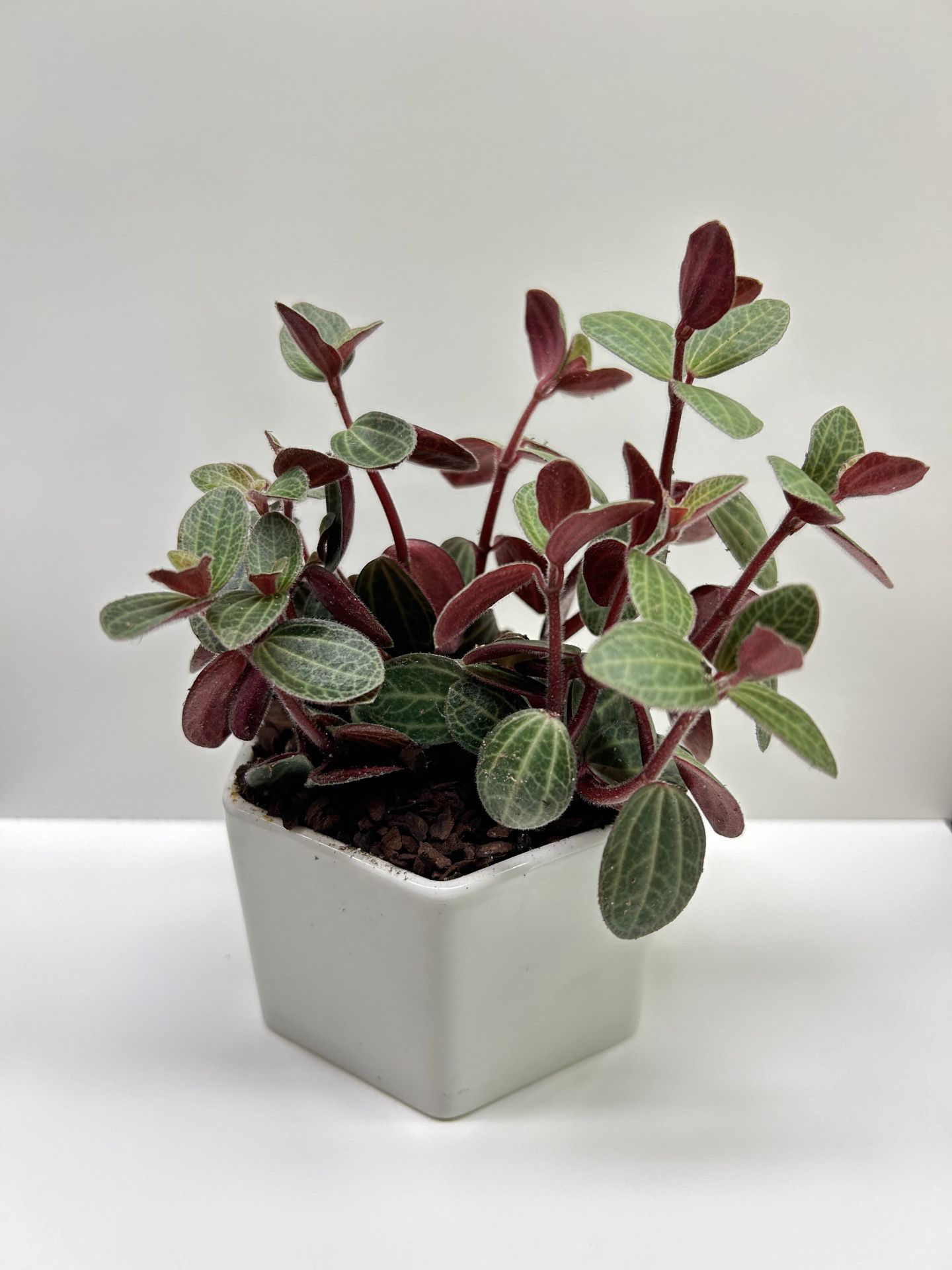
Figure 1. Peperomia sandwicensis ‘Ekahanui’ in a 3.43-inch diameter ceramic pot. Photo by Orville Baldos.
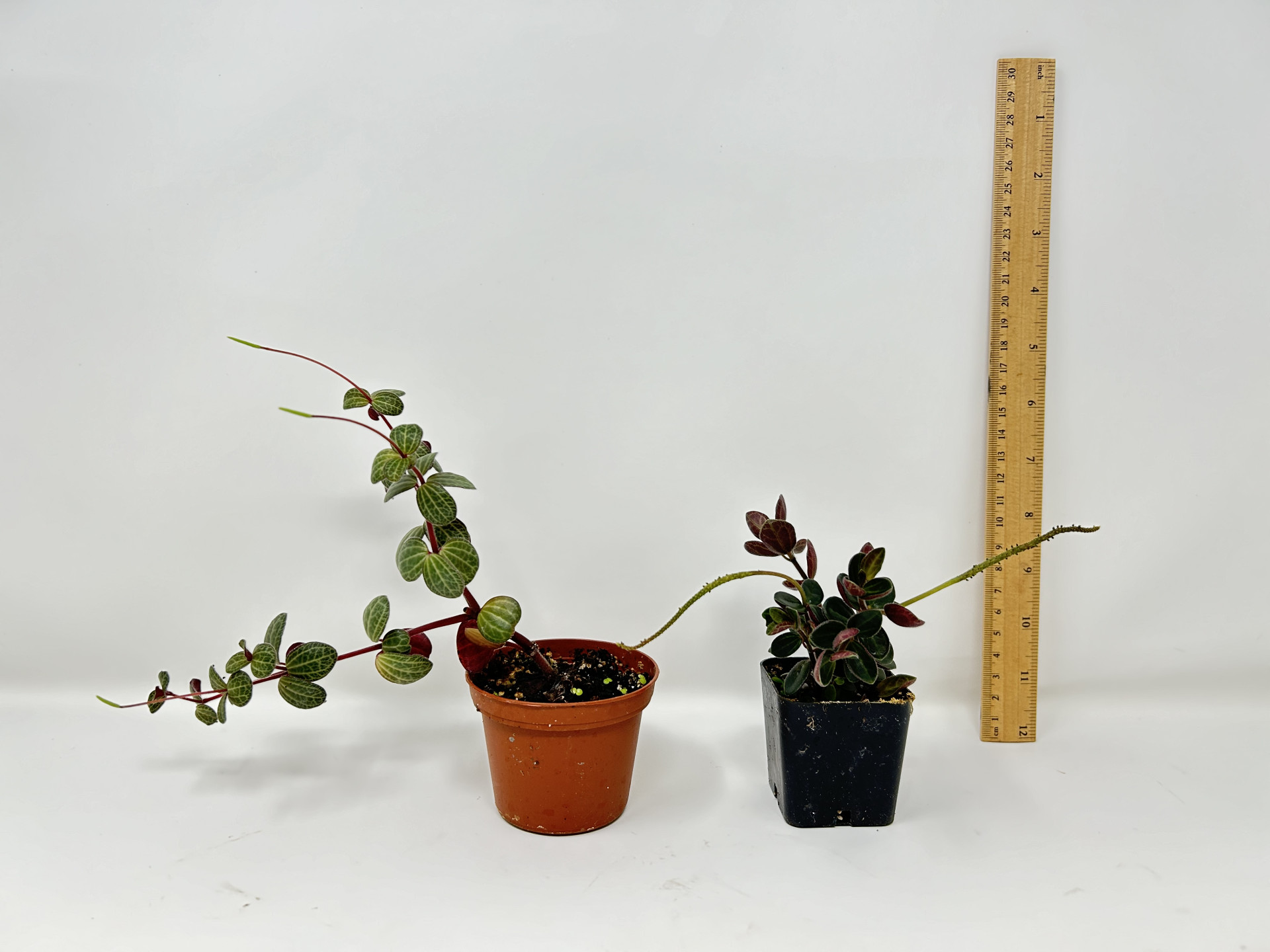
Figure 2. ‘Ekahanui’ (left) and ‘Palikea’ (right) plants side-by-side. ‘Ekahanui’ has a more elongated growth than ‘Palikea’. It also has bigger leaves that possess very prominent leaf venation. Photo by Orville Baldos.
‘Ekahanui’ can be propagated from stem and leaf cuttings. Stem cuttings produce plants the fastest (two to three months) while leaf cuttings may take longer. Applications of rooting hormone (3000 ppm indolebutyric acid) prior to sticking can improve root length and root numbers. Cuttings may be planted in moist calcined clay or succulent potting medium. Allow cuttings to root under bright indirect light or under cool white LED shoplights (placed 11 inches above the cuttings). Rooting takes about a month. Once the roots form, plant cuttings in a well-draining potting medium or succulent mix. Top dress plants with slow-release fertilizer.
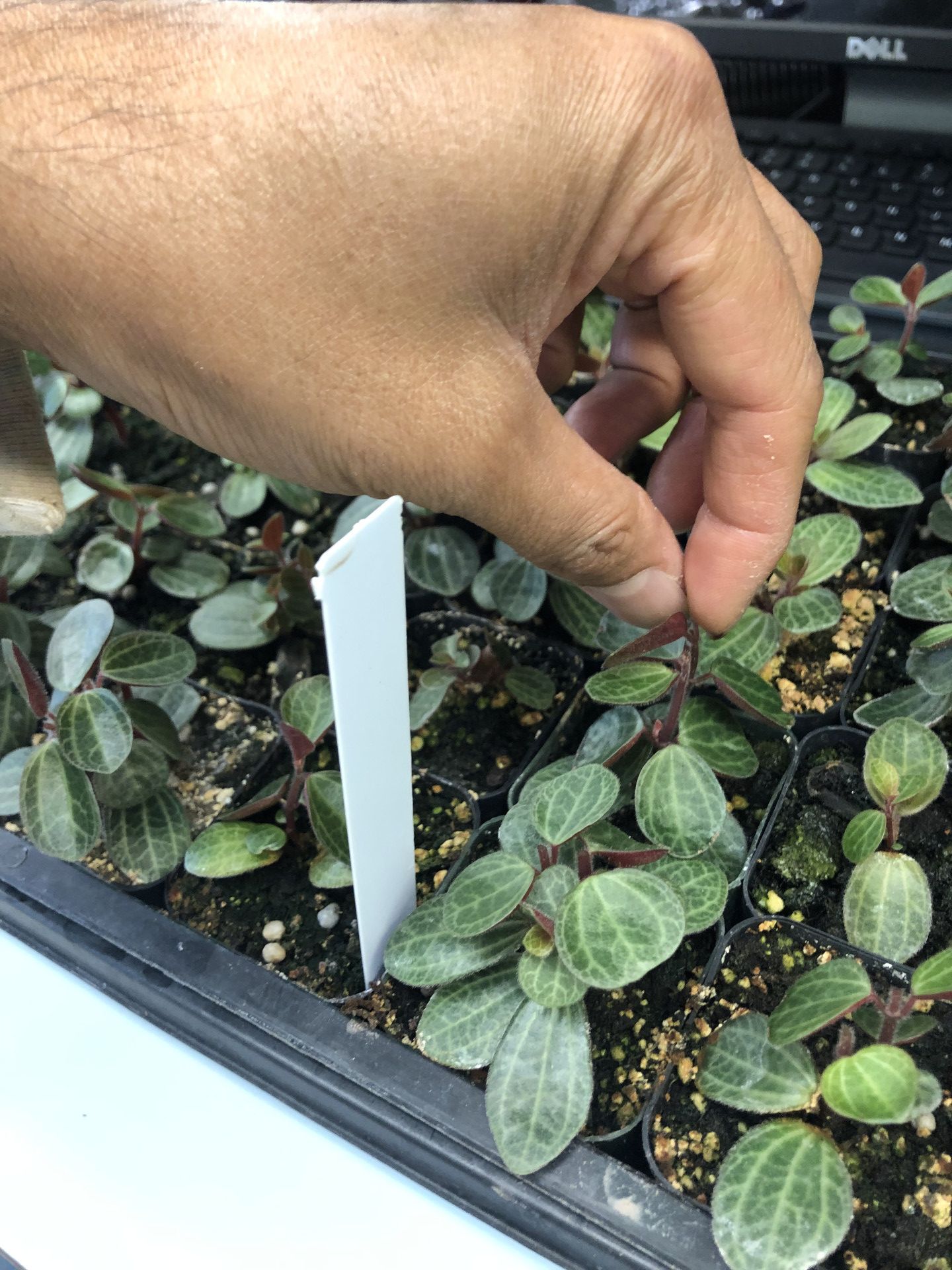
Figure 3.
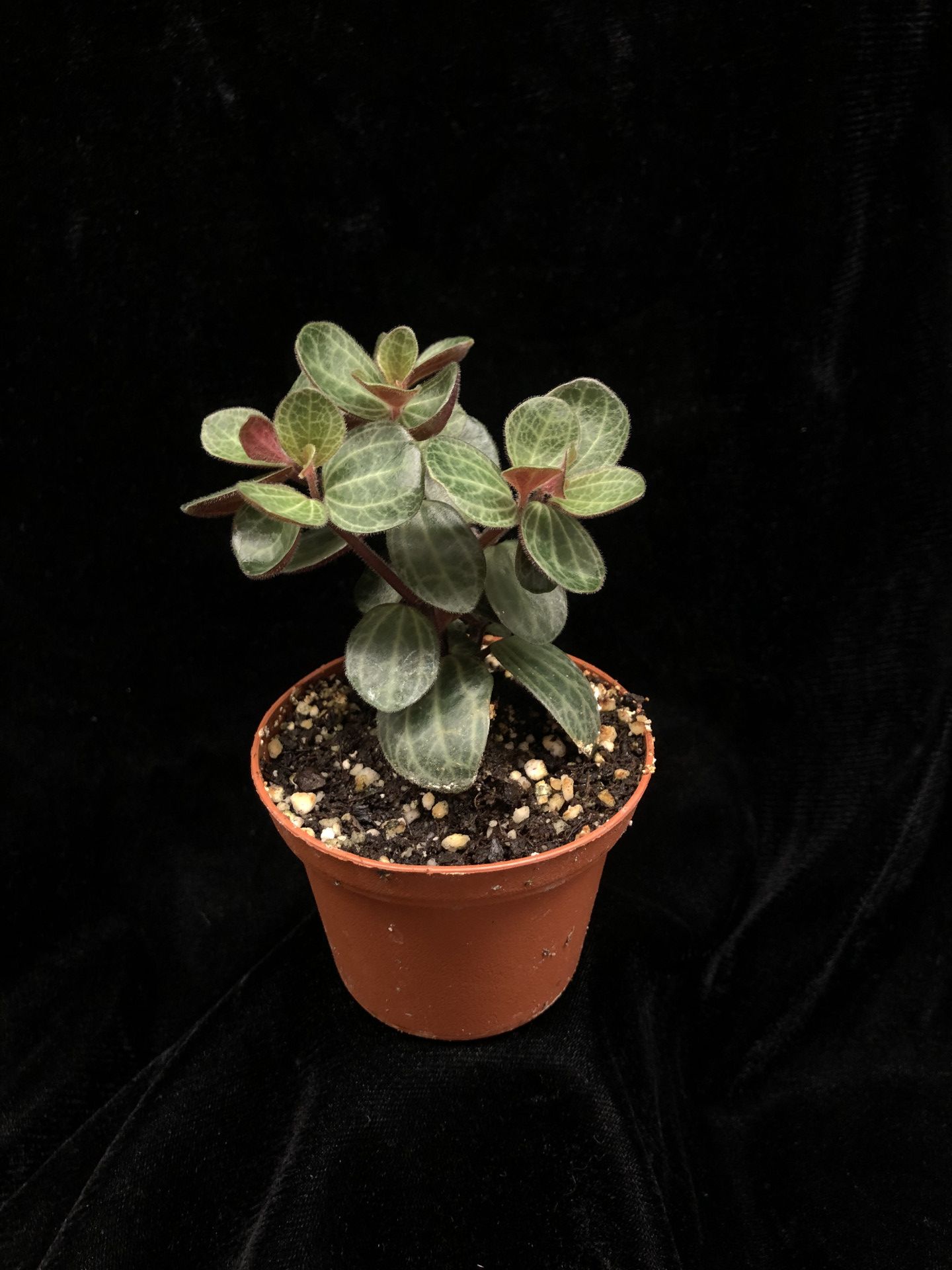
Figure 4. Pinching 2 – Six-month-old plants pinched at 1 and 2 months after propagation from stem cuttings. Photo by Orville Baldos.
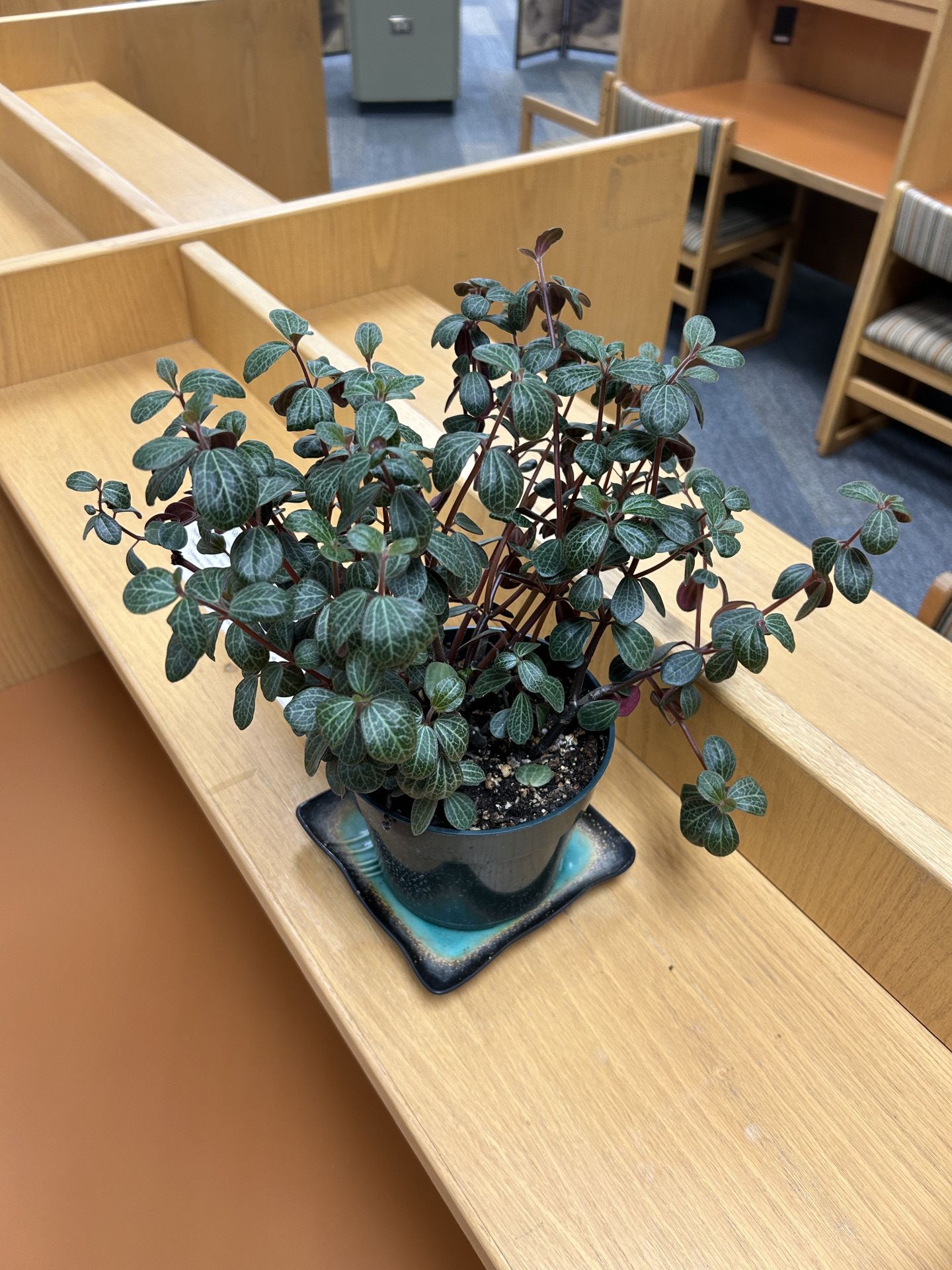
Figure 5. ‘Ekahanui’ in a 6-inch pot, growing for 5 months indoors at the UH Manoa Law Library. Photo by Orville Baldos.
Contact Orville Baldos (e-mail: [email protected]) for inquiries on plants or stem cuttings of Peperomia sandwicensis ‘Ekahanui’.
References:
1.Baldos, O.C., A.K. Corpuz & L. Watanabe. 2021. Peperomia sandwicensis 'Palikea': a small, native Hawaiian plant for compact indoor spaces. HortScience 56(10):1299–1300.
2. Baldos, O.C. & P. V. L. de Matos. 2024. Peperomia sandwicensis ‘Ekahanui’: a new native Hawaiian Peperomia selection for indoor use. HortScience 59(11):1650–1652.
3. Royal Horticultural Society. 2007. Royal Horticultural Society colour chart. RHS. London, UK.
Orville Baldos,
LICH Recognized with National Communications Award

By: Alberto Ricordi, Hannah Lutgen, Karen Smith, LICH Newsletter Team
The Landscape Industry Council of Hawaii (LICH) Newsletter received the “Third Place
Mahalo to all authors who submit engaging articles, and to the editors and staff for your commitment to Hawaii's Landscape Industry! If you are interested in contributing to the newsletter or submitting an article, please contact Alberto Ricordi  at [email protected] and Hannah Lutgen at [email protected].
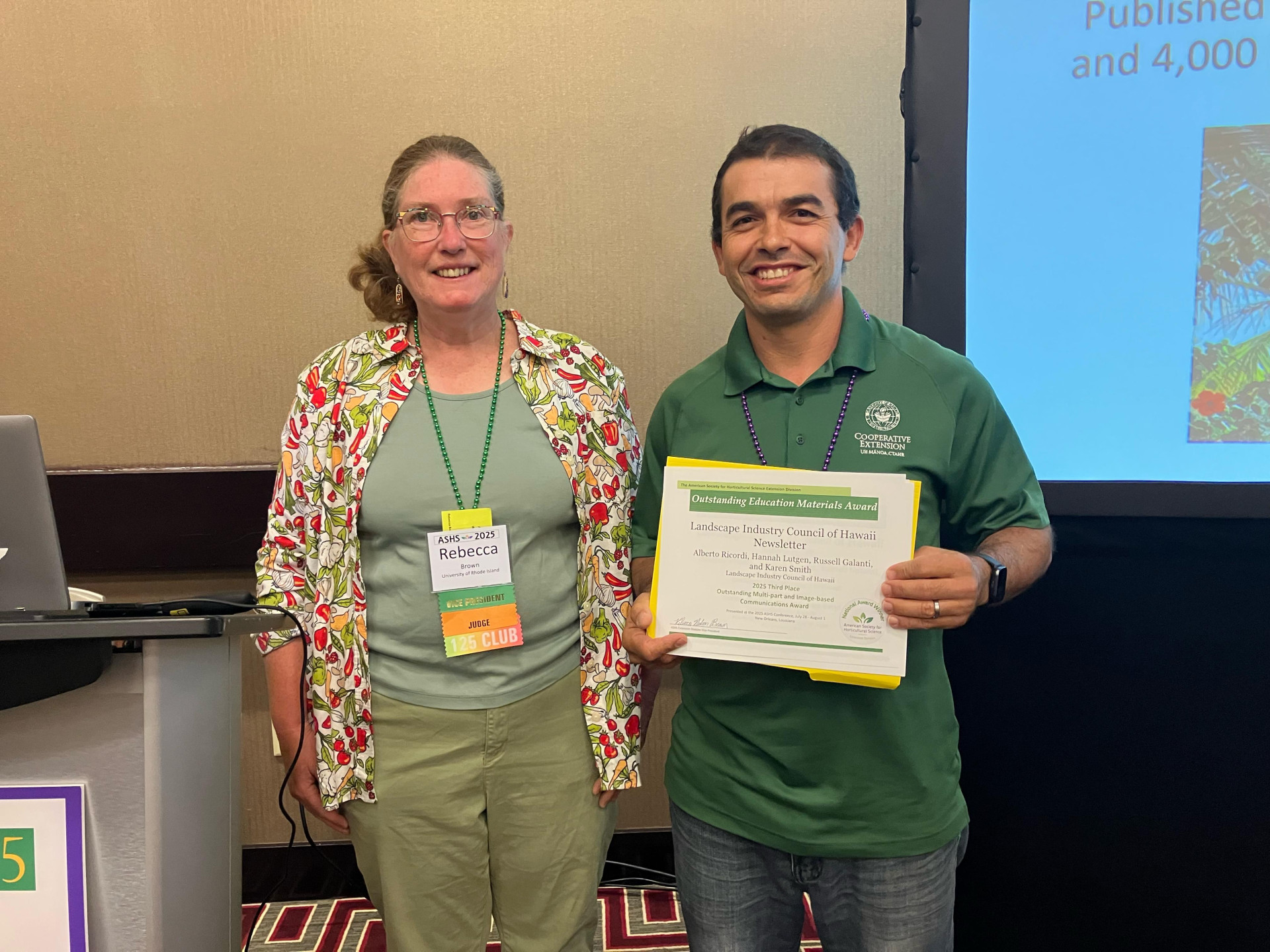
Figure 1. UHM CTAHR Extension Agent Alberto Ricordi received the award on behalf of the LICH Newsletter team. Photo by: Tiare Silvasy, UF/IFAS Extension Hillsborough County.

Figure 2. LICH Newsletter “Third Place Outstanding Multi-part and Image-based Communications Award”, presented at the 2025 ASHS Conference, July 28 - August 1, 2025 in New Orleans, Louisiana. Photo credit: Alberto Ricordi.
Alberto Ricordi, Hannah Lutgen, Karen Smith, LICH Newsletter Team
MemberTalk

This month we reached out to our most active members and asked them questions about the conference. They shared their thoughts on questions like "why do you attend the LICH conference every year? What sessions interest you the most? Is there anything new this year you are anticipating more than others?
Mahalo to Brandon, Christy, Hannah and Larry for participating! If you would like to contribute in future issues, let us know. Email our editors at [email protected]


Conference News

This year’s tradeshow is shaping up to include the most comprehensive list of green industry vendors in years. With 25+ exhibits and a prize-filled pau hana we, once again, expect the end of day networking hour to be a highlight of the event.
If you have team members who don’t need CEU credit and can’t afford a full day off the job, we invite you to secure half-day tradeshow passes. With entrance open any time after 1pm, your team can still participate for a much lower rate. Tradeshow tickets are available through September 18, beginning at $50.
Some of the prizes confirmed include:
- · Quik-Jet, Shortstop, IMA-jet 10, Plugs and F Series from Arborjet | Ecologel
- · Rainbow Ecoscience Quantum Injection unit ($1999 value)
- · (3) $300 Gift certificates for landscape plant material at Aloha 'Aina Landscaping LLC wholesale Nursery in Waimanalo
- · Kid's Tools from Urban Farmer Store
- · $100 Gift Card from Victor Stanley
Mahalo to our participating exhibitors:
- · AHT Hawaii
- · Aloha 'Aina Landscaping LLC
- · Aloha Fertilizer
- · Arborjet | Ecologel
- · B. Hayman Co.
- · EGO Commercial
- · Exacta Sales, Inc.
- · Geobunga an Outdoor Living Supply
- · Hawaii Ant Lab
- · Hawaii Department of Transportation, Oahu District, Storm Water Management Program
- · Hawaii Dept. of Agriculture, Pesticides Branch
- · Hawaiian Earth Products
- · HMAA
- · Pacific Golf & Turf
- · Pacific Pipe Co
- · Proservice
- · Rain Bird
- · Rainbow Ecoscience
- · Simplot Turf & Horticulture
- · Site One
- · STEPSTONE LLC
- · The Urban Farmer Store
- · TIPCO
- · Victor Stanley, Inc.
- · Water Controls & Pump Systems



Advertise with Us
Hawaii Landscape magazine is an educational, newsletter that reaches Hawaii’s landscape industry professionals. With a diverse industry readership across the state of Hawaii and beyond, our readers represent some of Hawaii’s most active and influential landscape professionals. As the “Voice of the Green Industry” Hawaii Landscape readers appreciate the authoritative voice on everything from design of great landscapes to irrigation technology, native plants, conservation, community service, small business management, book reviews, machine & tool tips, herbicide & pesticides, invasive species, certifications, and industry events.
To learn more visit https://hawaiiscape.com/Advertising_Information