#75 Arboriculture & Contracting (November/December 2023) 
A New Anthracnose on Sansevieria
By: Josiah Marquez
Introduction:
Sansevieria, also known as snake plant (Sansevieria trifasciata; syn. Dracaena trifasciata), is a hardy drought-tolerant plant originating in the East African and southeast Asian region (Brand and Wichura, 2023). With few pests and diseases, Sansevieria plants are a popular plant for Hawaii’s commercial and residential landscape. They are also popular houseplants. However, a new anthracnose on Sansevieria has been detected causing water-soaked lesions and leaf blight symptoms by the pathogen Colletotrichum sansevieriae.
Pathogen Diagnosis & Distribution:
Sansevieria plants showing blighted symptoms (Fig. 1) were first detected from a garden store on Oahu during a routine survey conducted by the plant pathologist, Josiah Marquez, at the Hawaii Department of Agriculture (HDOA). It was tentatively identified as a Colletotrichum sansevieriae by the HDOA Plant Disease Clinic and confirmed as Colletotrichum sansevieriae by the USDA Animal and Plant Health Inspection Service Plant Pathogen Confirmatory Diagnostics Laboratory in Laurel, MD. This pathogen was first described in the subtropical Yoron Island of Japan (Nakamura, 2006). Since then, it has been reported in Korea (Park et al., 2013), Australia (Aldaoud et al. 2011), Florida, USA (Palmateer et al, 2012), and Germany (Brand and Wichura, 2023).
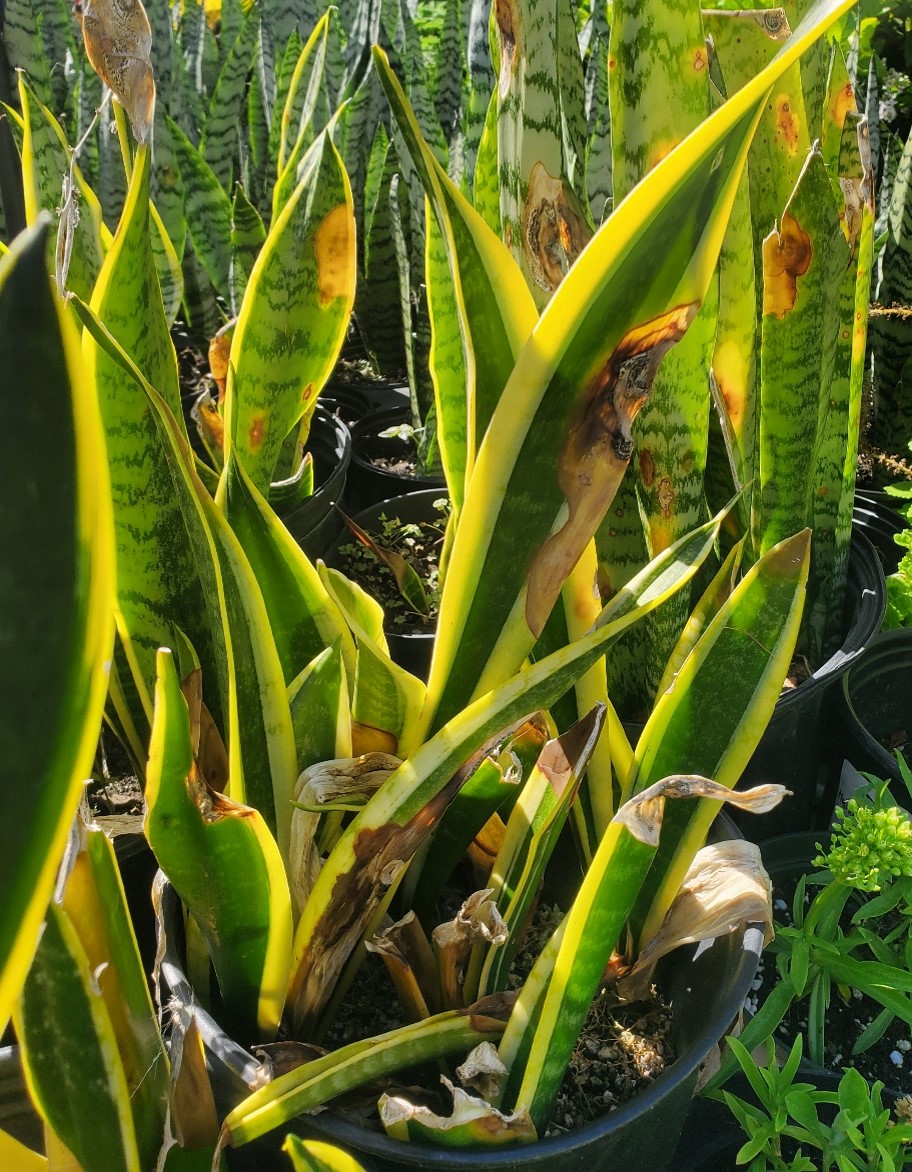
Figure 1. Symptoms of Anthracnose of Sansevieria from a garden store on Oahu. Photo Credit: Josiah Marquez
Background and Significance:
Colletotrichum sansevieriae has a narrow host range, only known to infect Sansevieria plants. This pathogen is comparatively weak and manageable; therefore, it possesses a low economic and ecological risk (Brand and Wichura, 2023). Other plants that have been tested but do not serve as a host include beans (Phaseolus vulgaris), melon (Cucumis melo), cucumber (Cucumis sativus), beach strawberry (Fragaria chiloensis), spinach (Spinacia oleracea), oriental lily (Lilium orientalis), nalta jute (Corchorus olitorius), spineless yucca ( Yucca elephantipes), century plant (Agave americana), Dracaena (Dracaena sanderiana and D. concinna), ti (Cordyline Terminalis), papaya (Carica papaya), mango (Mangifera indica) (Nakamura, 2006). However, this disease can greatly affect the marketability of Sansevieria plants if left unchecked (Aldaoud et al., 2011).
Symptoms & Management:
Symptoms consist of round water-soaked brown lesions. As the disease progresses, lesions coalesce and form large blight symptoms covering a large proportion of the leaf (Aldaoud et al., 2011; Nakamura, 2006). These lesions will eventually develop concentric rings of black acervuli (Park et al., 2013). Since this pathogen disperses by water-splash, changing overhead irrigation to drip or protecting plants from rain splashes can reduce the spread of this disease. Avoiding mechanical injury can also reduce entry points for this pathogen. A good fungicide rotation program may also protect healthy plants from getting infected.
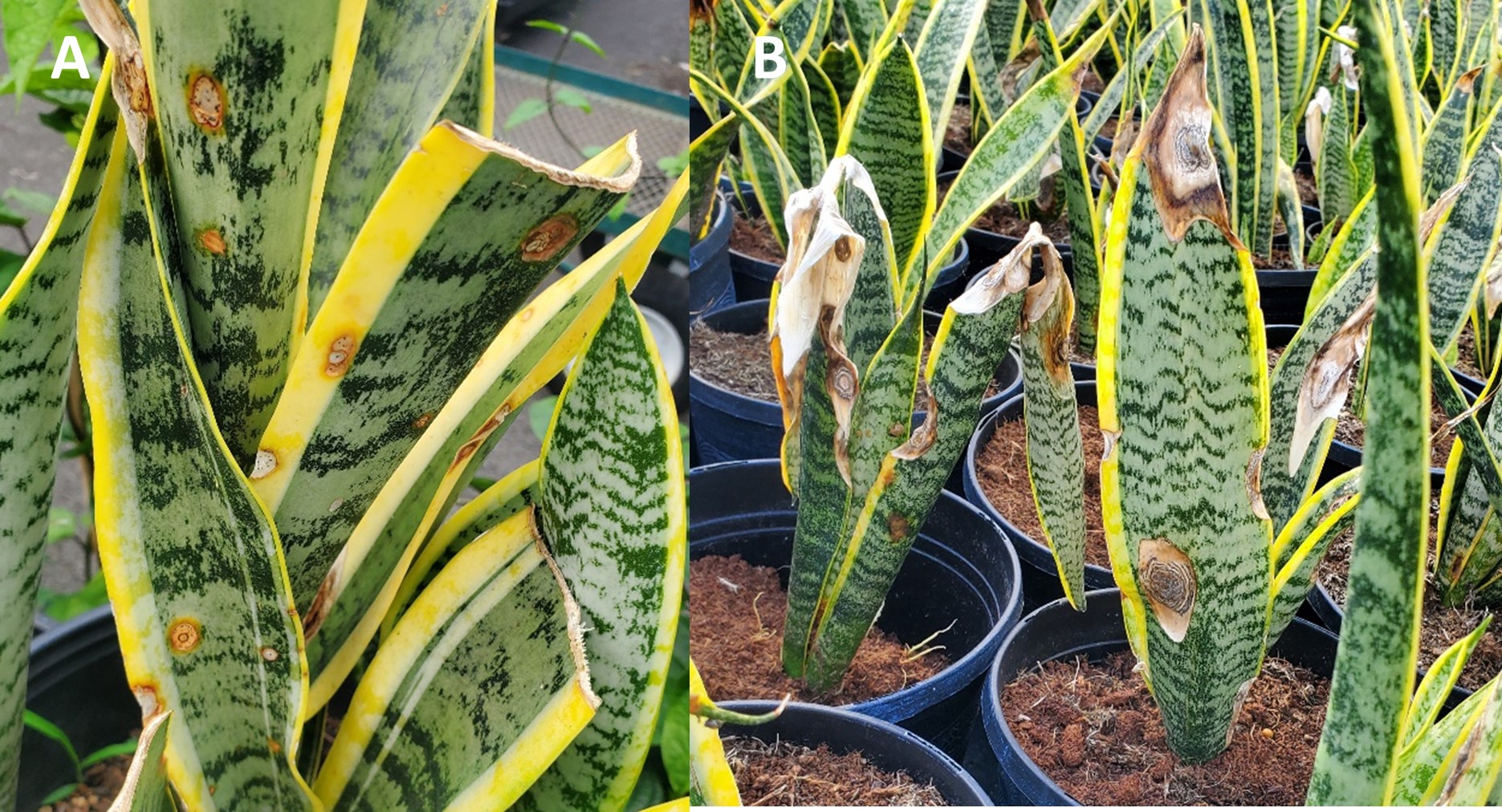
Figure 2. Early symptoms consist of water-soaked brown lesions (A) that mature into coalesced lesions (B) resulting in foliage blight. Photo Credit: Josiah Marquez.
Monitor & Report:
It is our kuleana to prevent the spread of this disease throughout the islands of Hawaii. If you import Sansevieria plants from the mainland or export them between islands, please make sure to have them inspected by the Hawaii Department of Agriculture plant quarantine inspectors (https://hdoa.hawaii.gov/pi/pq/pqcontacts/). If you suspect anthracnose, please contact your local University of Hawaii extension agent (https://cms.ctahr.hawaii.edu/ce/Find-Us).
Aldaoud, R., DeAlwis, S., Salib, S., Cunnington J.H., and Doughty S. 2011. First record of Colletotrichum sansevieriae on Sansevieria sp. (mother-in-law’s tongue) in Australia. Australasian Plant Disease Notes 6, pp. 60–61. https://doi.org/10.1007/s13314-011-0020-z
Brand, T., Wichura, A. 2023. First Report on Colletotrichum sansevieriae Causing Anthracnose of Sansevieria trifasciata in Germany. Gesunde Pflanzen 75, pp. 61–66. https://doi.org/10.1007/s10343-022-00777-1
Nakamura, M., Ohzono, M., Iwai, H. 2006. Anthracnose of Sansevieria trifasciata caused by Colletotrichum sansevieriae sp. nov. Journal of General Plant Pathology 72, pp. 253–256. https://doi.org/10.1007/s10327-006-0280-1
Palmateer A. J., Tarnowski T. L. B., and Lopez P. 2012. First Report of Colletotrichum sansevieriae Causing Anthracnose of Sansevieria trifasciata in Florida. Plant Disease 96(2), pp. 293.
Park J. H., Han K. S, Kim J. Y., and Shin H. D. 2013. First Report of Anthracnose Caused by Colletotrichum sansevieriae on Sansevieria in Korea. Plant Disease 97(11), pp. 1510.
Arborist Wants to Plant Less Trees
By: Steve Nimz and Ilana Nimz
In the late 1800s to early 1900s, there seemed to be a fascination with planting varieties of large trees in Hawaii. In the 1850s, Prussian physicist Dr. Hillebrand planted what we know today as Foster Botanical Garden, which hosts world-class large-canopy specimen trees. He introduced the Weeping Fig (Ficus benjamina) to Hawaii, which has become a popular wide-canopy tree found across the islands. Jared Smith, former director of the Department of Agriculture Experiment Station, planted the iconic Indian Banyan (Ficus benghalensis) at the Moana Surfrider in 1904. It is hard to imagine that from a seven-foot-tall sapling, he was able to foresee what it would become in over 100 years. The massive baobab tree at the University of Hawaii was planted in the early 1900s by botanist Joseph Rock, and the art building was designed around it. Rock contributed greatly to the greenery of the University’s accredited arboretum, which now hosts many interesting large specimens including sausage trees, Indian Beech, Teak, Bayur, Kou, and Blue Marble. ‘Iolani palace also has a wonderful collection of large-canopy trees, including Kapok. This gorgeous species tree is found at the Department of Agriculture and at Queen’s Hospital as well.
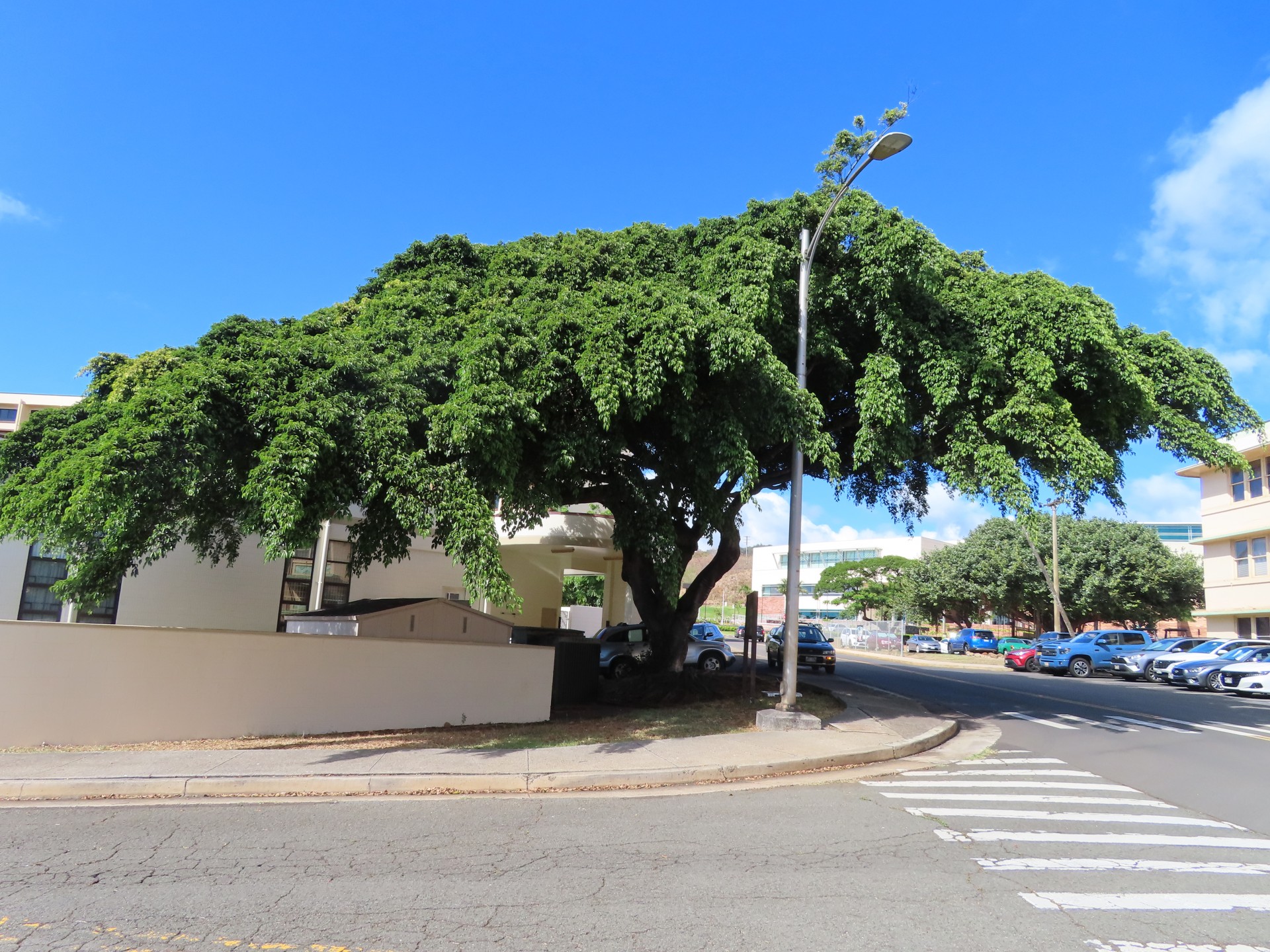
Figure 1. Weeping Fig (Ficus benjamina).
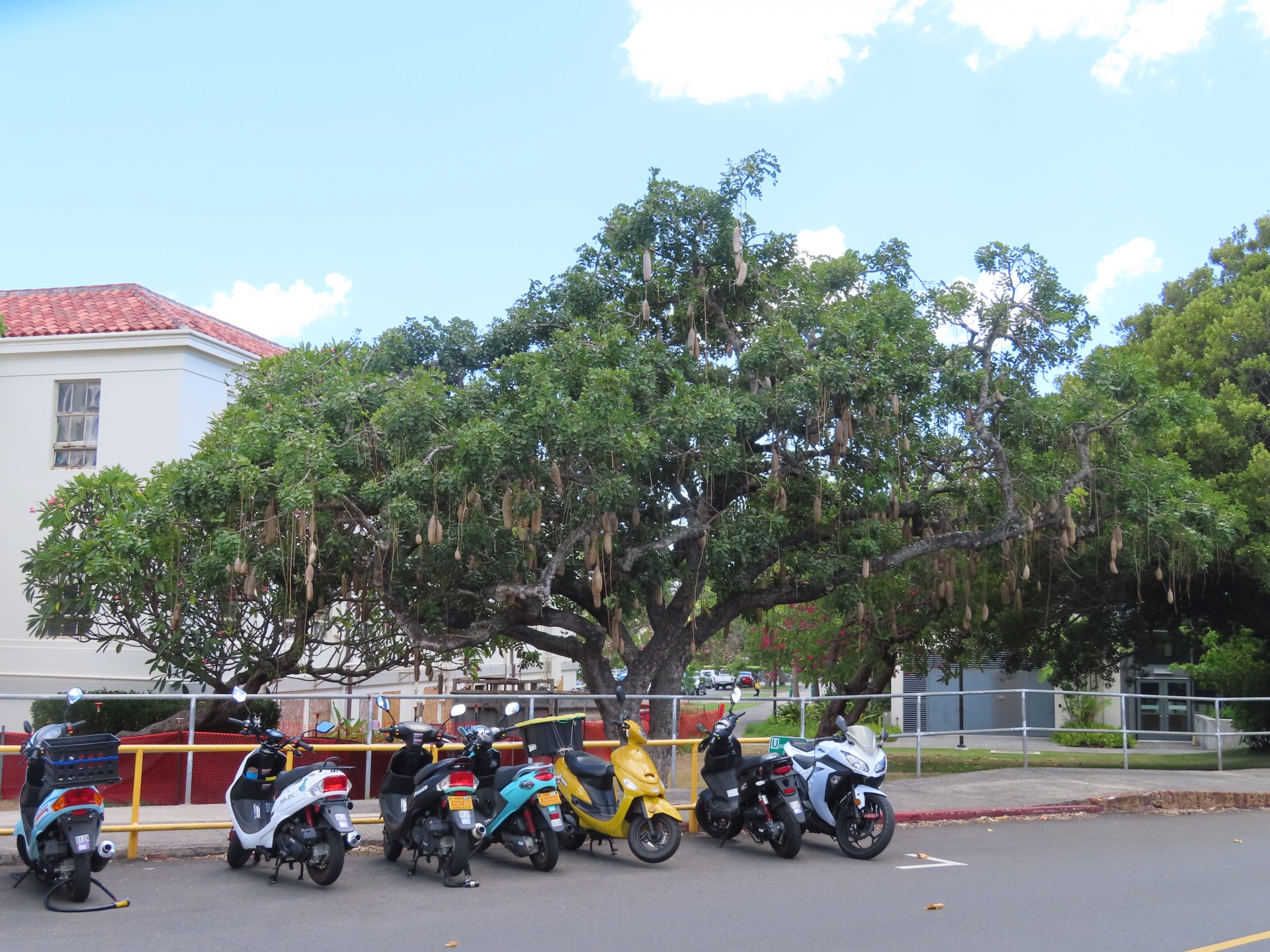
Figure 2. Sausage tree (Kigelia africana).
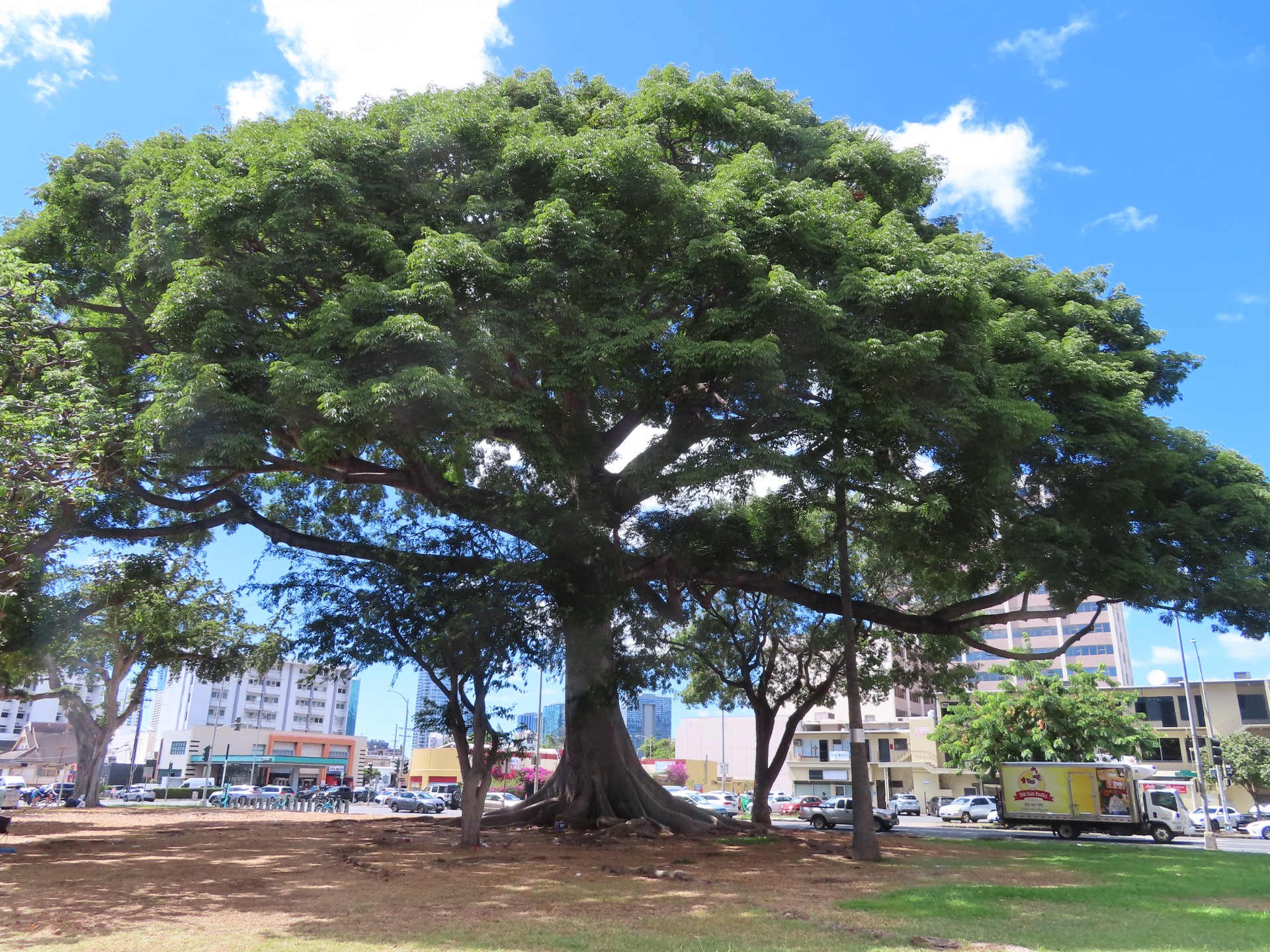
Figure 3. Kapok tree (Ceiba pentandra).
During this time, a wide variety of large-canopy trees were planted across the Hawaiian Islands. We commonly see large trees like Moreton Bay figs, Chinese banyan, mahogany trees, monkeypods, and earpods throughout the urban environment. Several of these historic trees are now on the Exceptional Tree List of the county in which they are planted. The Exceptional Tree List recognizes the unique characteristics of each tree or grove of trees, such as their size, historic status, and aesthetic qualities. County ordinance protects trees on the Exceptional Tree List from damage and removal. Not all large or interesting trees are deemed Exceptional. Each tree is reviewed by the Mayor’s Arborist Advisory Committee and voted on before being submitted to the City Council for acceptance into the protection ordinance.
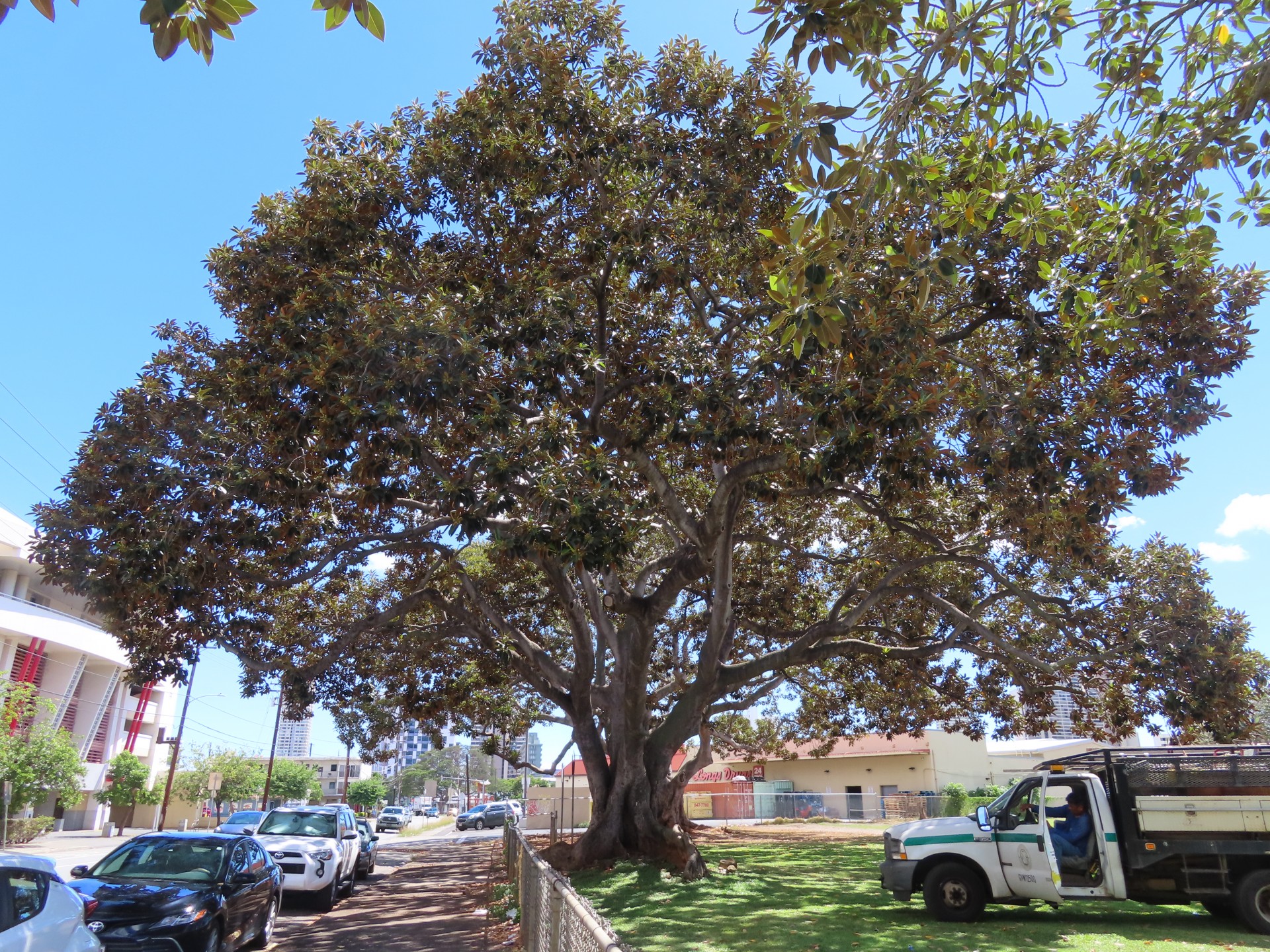
Figure 4. Moreton Bay Fig (Ficus macrophylla).
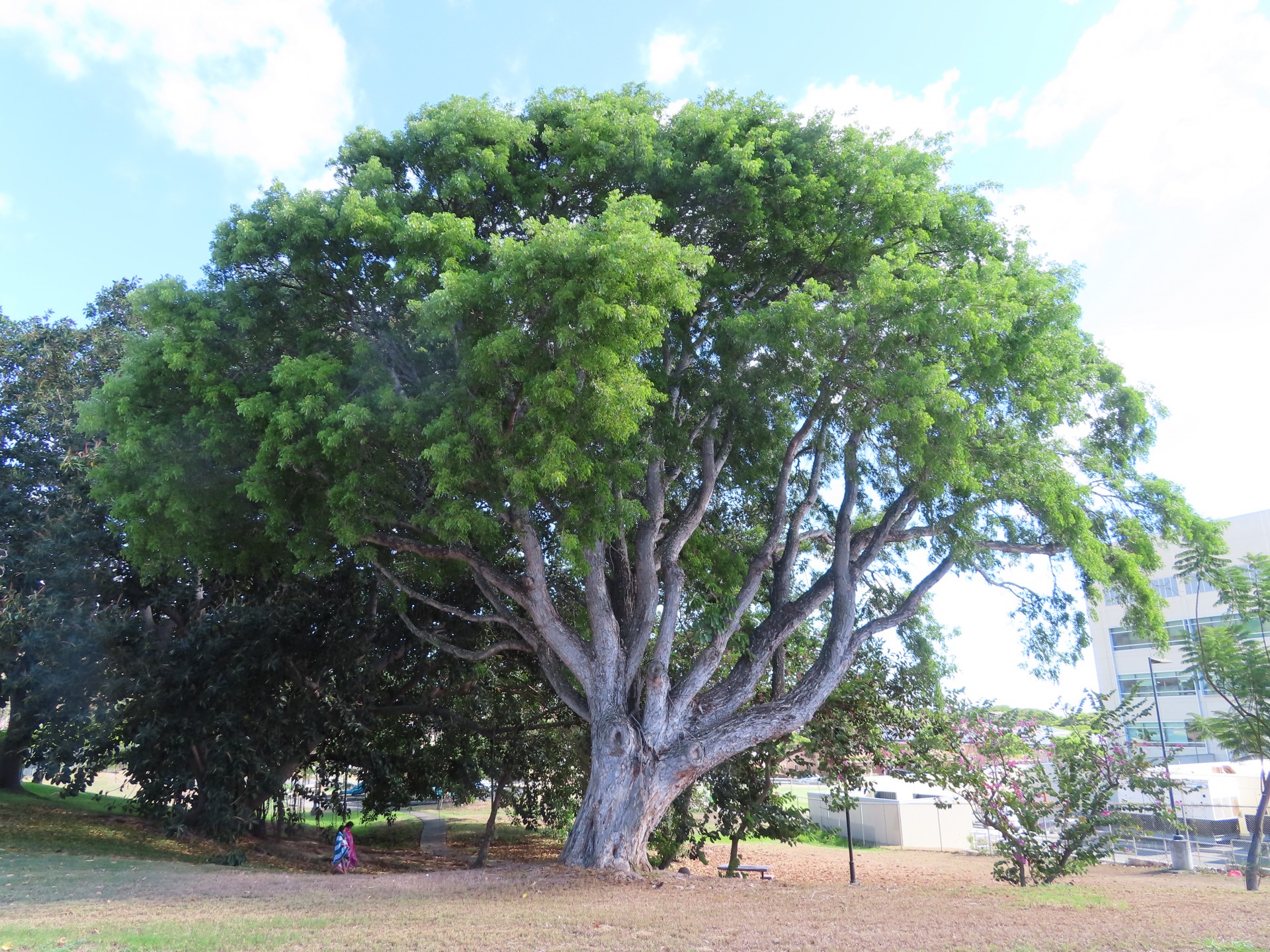
Figure 5. Mahogany tree (Swietenia sp.)
Nowadays, except for monkeypods, a diversity of large-canopy trees is not commonly planted. While monkeypod trees are aesthetically beautiful, planting only this species leads to a monoculture of large-canopy trees. There is a history of concerns over monoculture across the world and within Hawaii. Locally, the Erythrina gall wasp (Quadrastichus erythrinae) caused devastating losses of coral tree species before a natural enemy wasp (Eurytoma erythrinae) was introduced. The Erythrina trees, including the native wiliwili are still negatively impacted by the gall wasp. The Ficus stem gall wasp, which lays eggs in the stems of Chinese Banyan trees, is presently causing the significant decline and loss of many of these large and impressive trees. Coconut rhinoceros beetle is impacting many varieties of palm trees. As of now, coconut, royal, and loulu palms are apparently impacted more than other species. Monkeypod trees are presently considered to be hardy and tolerant trees, with minimal insect problems, but Hawaii is only one pest introduction away from losing its dominant large-canopy trees. Relying on one species of large canopy tree is not a suitable plan for the future treescape of Hawaii.
One large canopy tree (i.e. monkeypod, earpod or ficus) is approximate to the canopy cover of 15-30 medium-sized trees (i.e. shower, tabebuia, or hong-kong orchid trees). Instead of planting more trees, consider a single, well-placed canopy tree in the landscape. The benefits of a large canopy tree are numerous.
I. Environmental Benefits
A well-placed large-canopy tree can help cool an area drastically, which is beneficial in an urban setting. This contributes to energy savings for adjacent buildings, shade for parking lots, reduction of storm-water runoff, and atmospheric carbon reduction.
II. Maintenance
Planting a large-canopy tree can have maintenance benefits as well. Only one sufficient planting space is required, rather than up to 30. This means fewer trees to maintain and lower maintenance costs for pruning, irrigation, and leaf litter management while receiving the benefits of many trees. Planting one tree also reduces the extent of infrastructure damage from roots by concentrating it in one area.
III. Social & Economic
Large trees are providers of economic benefits as well. Large trees can increase property values and aesthetics. They also create gathering areas that benefit nearby businesses and facilitate communities. Large trees are also muses, inspiring awe, and creativity.
While there is still a place for smaller canopy trees in the landscape, and smaller trees should still be integrated into landscape plans, a diverse array of large trees are so much more valuable and necessary. Developers and designers should plan for large-canopy trees in each new development, by designing a sufficient space for a large-canopy tree to reach its full size and provide numerous benefits. Increasing the diversity of species available would help to incentivize new projects to include these large trees into landscape designs. There are many native and Polynesian Introduced trees that could be candidates for large urban trees, including Kou, Manele, Kamani, Ulu and Koa. Our local botanical garden and arboretum specimen trees are also a good place to start with understanding which introduced trees would work well in Hawaii. Additionally, looking at landscape trees in tropical America and Asia can help diversify the planting pallet. Trees that are salt-tolerant, drought-tolerant, and non-invasive are good characteristics to consider, as climate change will surely impact our treescape.
Now is the time to plant the Exceptional Trees of the future and provide for large trees in our future urban tree canopy.
Steve Nimz and Ilana Nimz are a father-daughter team at Tree Solutions Hawaii, a consulting arborist company.
Plant A Tree

By: Ty McDonald
Arbor Day – in which individuals and groups worldwide are encouraged to plant trees – was first held in the U.S. in 1872. Though usually observed in the spring, Hawai’i celebrates Arbor Day in November, due to the mild temperatures and winter rainy season for most of the state.
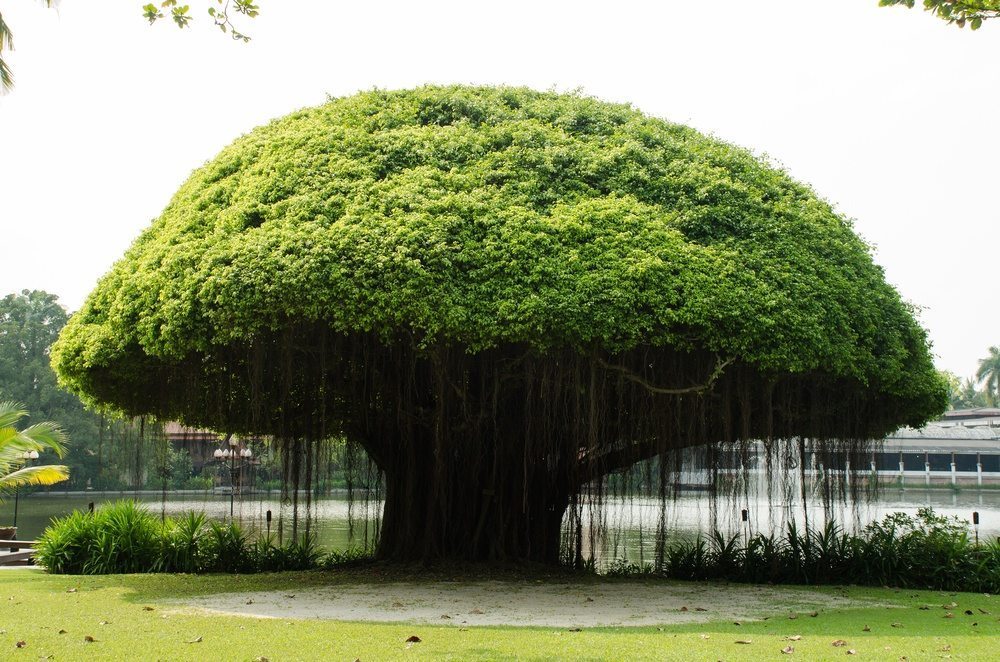
Figure 1. A large ficus tree in all its grandeur, when given ample space both above and below-ground. Photo credit: andyoucreations.com/blog/banyan
Many folks recently celebrated the occasion by planting trees, but don’t worry if you missed out; it’s still a great time to plant a tree. If you have irrigation, it’s more or less always a good time to plant a tree in Hawai’i.
“The best time to plant a tree was 20 years ago. The second best time is today.”
- Chinese Proverb -
The list of benefits of trees to people is a long list and it can’t hurt to remind ourselves from time to time. Trees provide an excellent source of healthful nourishment in the fruits and nuts they produce, as well as emotional nourishment in products mankind derives from them, including chocolate, maple syrup and coffee beverages.
Trees provide both a practical and an aesthetic quality to the built landscape. Trees grown for shade can significantly cool both an indoor and an outdoor environment. Even in hot, sunny, makai areas of Hawai’i, one can gain significant relief simply by retreating under the canopy of a tree. This is especially true if the lowest branches have been removed, allowing for that slight, but savory, onshore breeze to waft by on its way upslope. Trees are also very effective as windbreaks, visual screens and sound barriers in the landscape.
Individual tree specimens, such as weeping willow (Salix babylonica) and monkeypod (Samanea saman), may evoke visual appeal through their shape, leaf texture and overall grace. Less subtle is the sensual splendor of brightly-colored flowering trees, especially those adorned with fragrant blossoms such as plumeria (Plumeria spp.). Whether enjoyed on the tree, gathered in an arrangement or strung into lei, flowers are a universally appreciated product of trees.
There are also many utilitarian benefits of the harvested tree that we garner daily, such as shelter, transportation, furniture, fuel, fiber, and paper. Some trees, such as the attractive and drought-resistant neem (Azadirachta indica), even have horticultural uses: a non-toxic insecticide derived from the leaves and seeds; and organic fertilizer (neem cake) from the seed waste.
"The best friend on earth of man is the tree. When we use the tree respectfully and economically, we have one of the greatest resources on the earth."
- Frank Lloyd Wright -
In terms of environmental benefits, trees are essential for human life on the planet. Forests are important in their positive effects on rainfall and watersheds. Trees (like all plants) provide the irreplaceable oxygen we need to breathe, and then literally clean-up after us by absorbing the carbon dioxide we exhale, converting it to more oxygen. In this light, wanton and reckless deforestation is acutely unwise at best.
Trees as super heroes
If that’s not enough to impress you, then there are heroic trees as well. Perhaps you heard the story that took place outside a courthouse on the U.S. mainland a number of years ago. A disgruntled client sought his own form of justice, attempting to shoot an attorney with a handgun. Luckily for the lawyer, a stout tree happened to be nearby and the victim used it as a shield until his assailant was subdued. I am sure that fella has a profound love of trees. So plant a tree, the life you save may be your own.
Right plant, right place
Once you are motivated to plant that tree, you must choose the type of tree and its location. These two important decisions should go hand-in-hand and may have the largest impact on future success. The mantra one hears over and over regarding landscape design is: “The right plant, in the right place.”
The significance of this plant selection tenet cannot be overstated, especially when considering trees. Due to size and cost of removal, it helps to be sure the home you pick for that spry little sapling will remain suitable as it grows into a mighty tree in the ensuing decades.
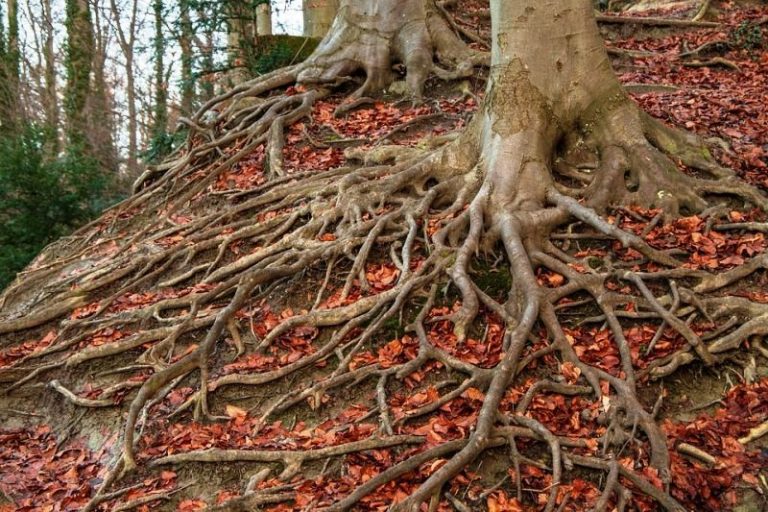
Figure 2. The aggressive surface root system of a banyan tree. Photo credit: Biologyeye.com
Large trees do have a place in the landscape, provided it is spacious enough to accommodate broad canopies and aggressive root systems. In Hawai’i, we often see examples of ill-placed specimens of fast-growing Ficus trees such as Weeping fig (F. benjamina), Moreton Bay fig (F. macrophylla), and Chinese/Malayan banyan (F. microcarpa). The banyans especially, are very successful competitors able to sprout out of rock walls, of all places. Eventually, the aerial roots reach the underlying soil and before long, the rapidly expanding tree engulfs the whole wall. Wow, that’s one impressive tree!
Strangler fig and related marauders
Strangler figs can refer to several large, fast-growing tropical fig species that sprout in crevices in tree trunks, slowly growing their aerial roots downward toward the ground. Eventually, they envelop their hosts in a lattice of thickened and fused roots which prevents the support tree from expanding in growth, ultimately leading to its demise.

Figure 3. (left) A strangler fig with a firm death grip on its host tree – Syzygium emilampra. Photo credit: Wikipedia
Figure 4. (right) Inside a hollow strangler fig tree well after the host died. Photo credit: Wanda von Bremen
I recall an old black-and-white photo in which a specimen of the renowned Florida Strangler Fig (F. aurea) was choking a tall, mature palm. The poor palm eventually died, not by constriction like you might suspect, but due to lack of sunlight.
That photo reminds me of another tragic “fig-related death” that occurred in Kona nearly 20 years ago. It was the fetid stench of decaying flesh emanating from a vacant condo that led authorities to the scene, where an otherwise good plant had gone bad.
Evidently, a renegade root from a nearby banyan had entered the condo between the foundation and a wall. The advancing appendage managed to “root out” and apprehend its prey: the refrigerator, and its freezer laden with sumptuous choice cuts from the nearby butcher shop.
The fated fridge was doomed and eventually yielded its life to the attacking root via an electrical short. However, the banyan burglar was unable to purloin the sirloin from the expired fridge because the frozen meat quickly thawed and soon enough revealed its slayer.
Amazingly, this is a true story. Apparently, the condo association does not believe in capital punishment, however, because the fig still lives, the fig lives, I tell you!
"A society grows great when old men plant trees whose shade they know they shall never sit in."
- Greek Proverb -
Ty McDonald is a University of Hawaii Extension Agent and advisor to the HILA board of directors.
Best Management Practices (BMPs) for Contracting
By: Lissa Strohecker
Hawaii is unlike any place in the world and in the course of doing business, you can protect the special place we call home and safeguard your clients and your business.
The Coordinating Group on Alien Pest Species (CGAPS), program staff from the Hawaiʻi Invasive Species Council (HISC), and the five Invasive Species Committees (ISCs) in Hawaiʻi have compiled a list of best management practices (BMPs) for incorporating into contracting. These BMPs address coconut rhinoceros beetle (CRB), little fire ants, and other hitchhiking pests like two-lined spittlebugs and coqui. Additionally, the BMPs provide guidance on fire risk assessments and non-invasive characteristics when selecting plants.
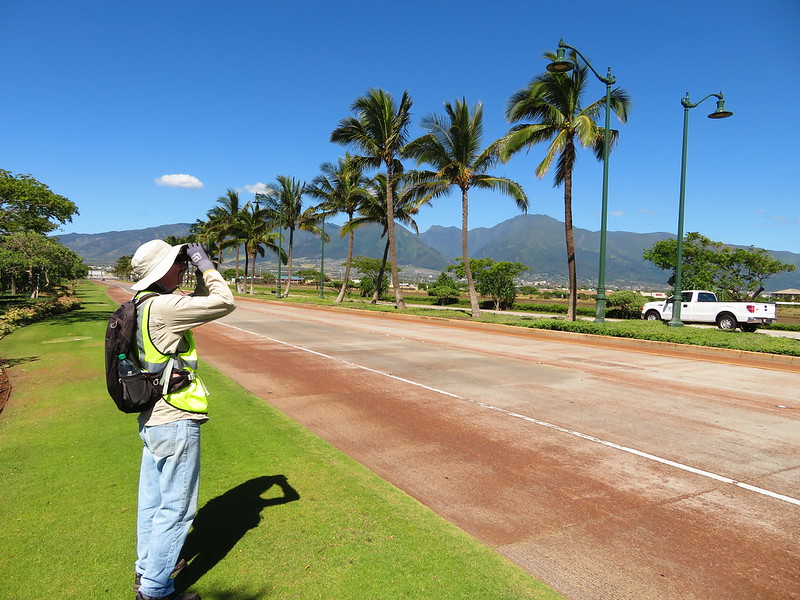
Figure 1. Forest Starr surveys for Coconut Rhinoceros Beetle (CRB) damage as part of the early detection efforts to prevent the spread of CRB. Including best management practices in contracting protects Hawaii from the spread of pests like CRB. Photo by Kim Starr.
The Hawaii Department of Agriculture's re-issuance of the emergency quarantine measure restricting the movement of mulch and other potential CRB host materials from Oʻahu is an important step, but by itself will not be adequate to the spread of this harmful pest.
Your kōkua helps ensure that pests are not unwittingly moved in palm trees, green waste, mulch, loose or bagged compost, bagged soils, and similar items. The BMPs are a resource that can be incorporated into the contracting practice. Find the full list of updated BMPs here: dlnr.hawaii.gov/hisc/files/2023/09/BMPs-for-Invasive-Species-Prevention-091223.pdf
Together we can protect Hawaii. Report a pest at www.643pest.org
Lissa Strohecker is the Public Relations and Education Specialist with the Maui Invasive Species Committee. She has twenty years of experience working with communities to identify, address, and prevent the spread of invasive species.
MISC is a project of the Pacific Cooperative Studies Unit (PCSU) University of Hawai‘i at Mānoa.
New Interim HDOA Rule Designed to Restrict CRB Movement
By: Arisa Barcinas
As Coconut Rhinoceros Beetle (Oryctes rhinoceros; CRB) populations rise across Oʻahu, the risk for accidental transport of CRB has increased. Historically, human-vectored spread has been the main contributor to the geographic spread of CRB. With increased inter-island movement of commodities, the risk of transporting CRB off Oʻahu to neighboring islands has become more imminent, and increased diligence is needed. The commitment to prevent the spread of CRB will be a community-wide effort. Implementing best management practices is crucial for the protection of Hawaiiʻs ecosystems, industries, and communities. In addition to the adoption of best practices, HDOA has also established a new rule to regulate the movement of high-risk material off Oʻahu.
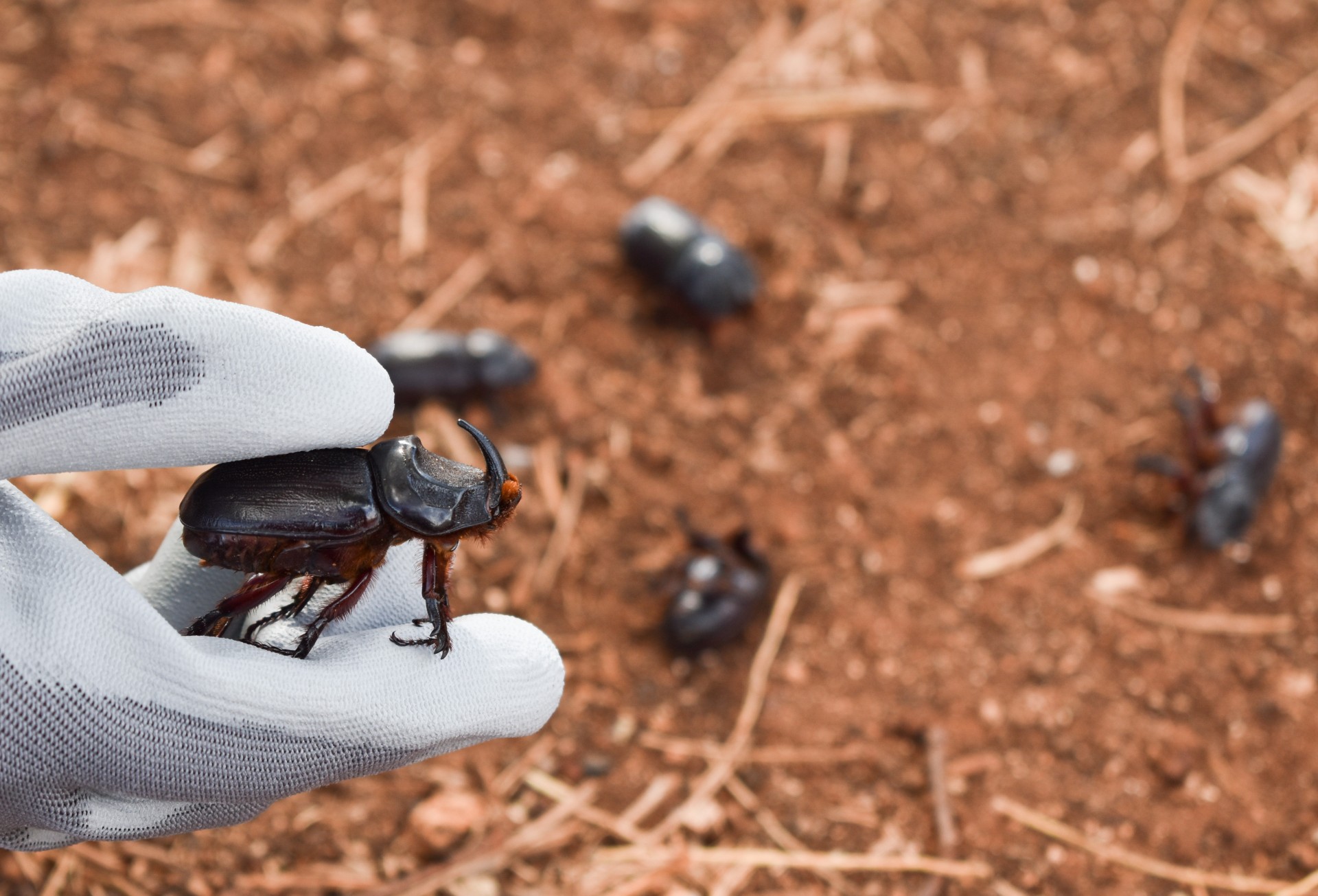
Figure 1. Adult Coconut Rhinoceros Beetle
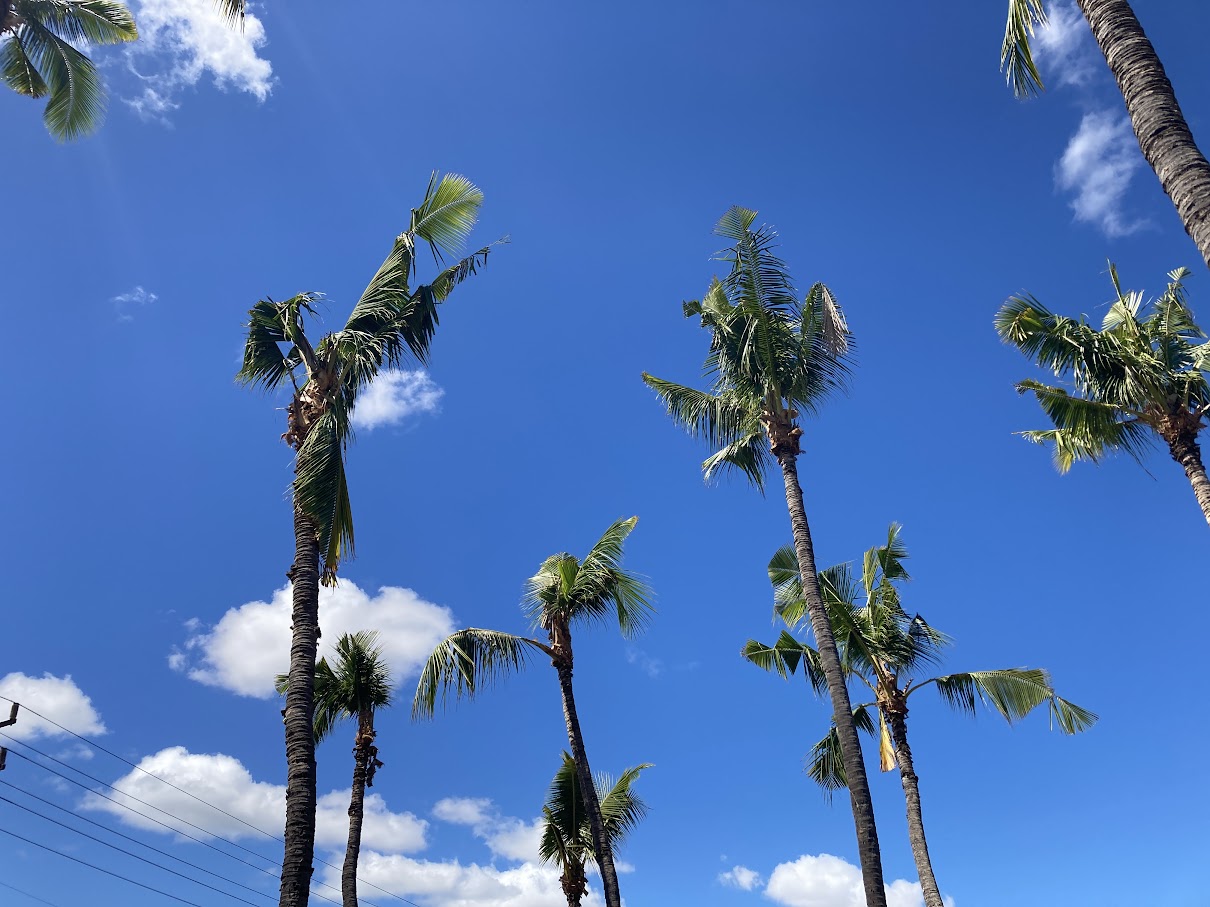
Figure 2: Coconut Palm damage on Oahu caused by CRB.
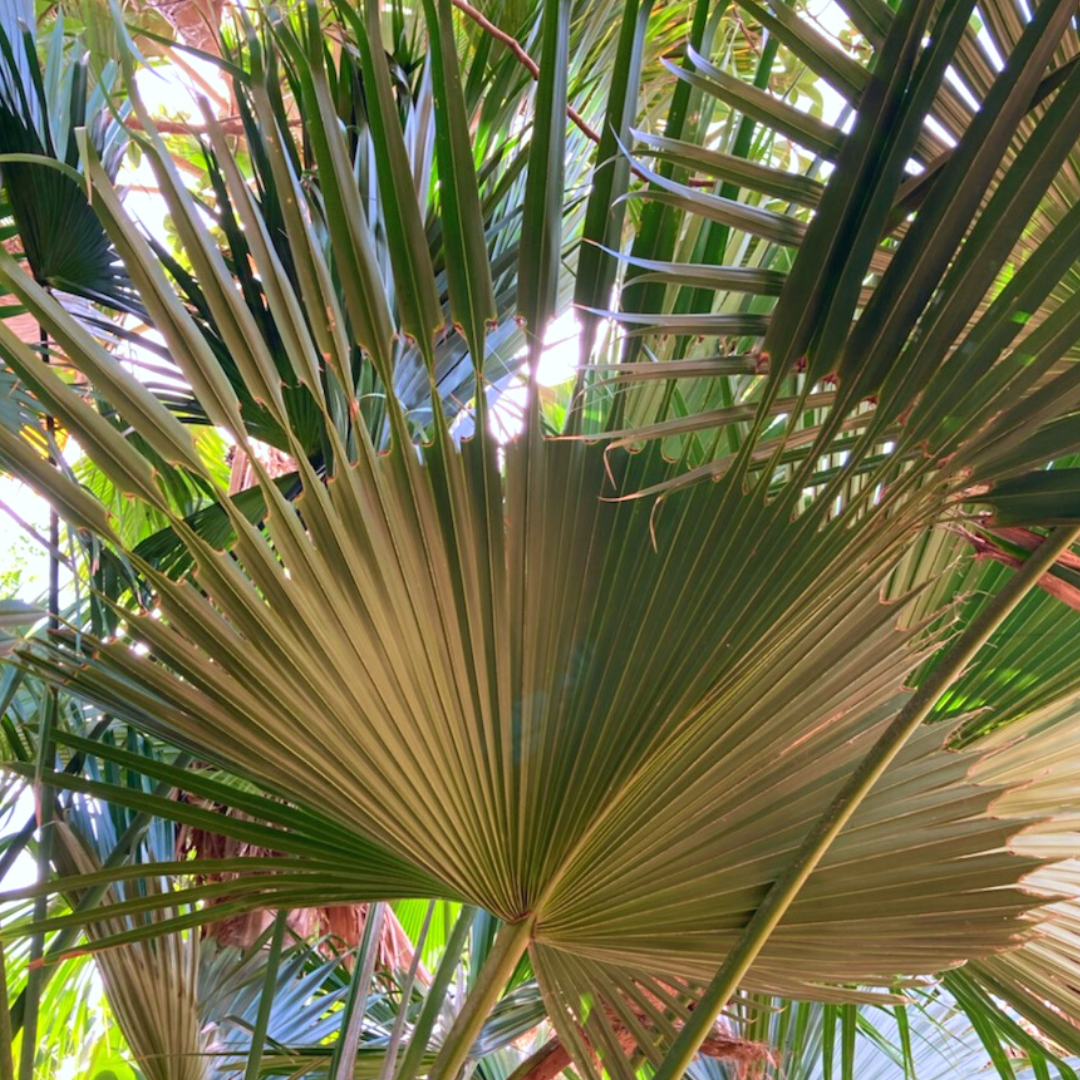
Figure 3. Fan palm damage caused by CRB.
On October 4, 2023, the Hawaiʻi Department of Agriculture (HDOA) established Plant Quarantine Interim Rule 23-1 to help stop the movement of the Coconut Rhinoceros Beetle from designated CRB-infested areas to non-infested areas in the state. Oʻahu is currently the only island that has been determined infested, despite the presence of CRB on neighboring islands, specifically Kauaʻi. The current defined infested area may be updated if CRB numbers increase on other islands. This rule restricts the movement of CRB host material leaving Oʻahu, including host palms larger than 48 inches, and breeding material such as compost, mulch, potting soil, and other landscaping products. Under this rule, high-risk material is quarantined, and any material originating from Oʻahu is allowed only through permits from HDOA.
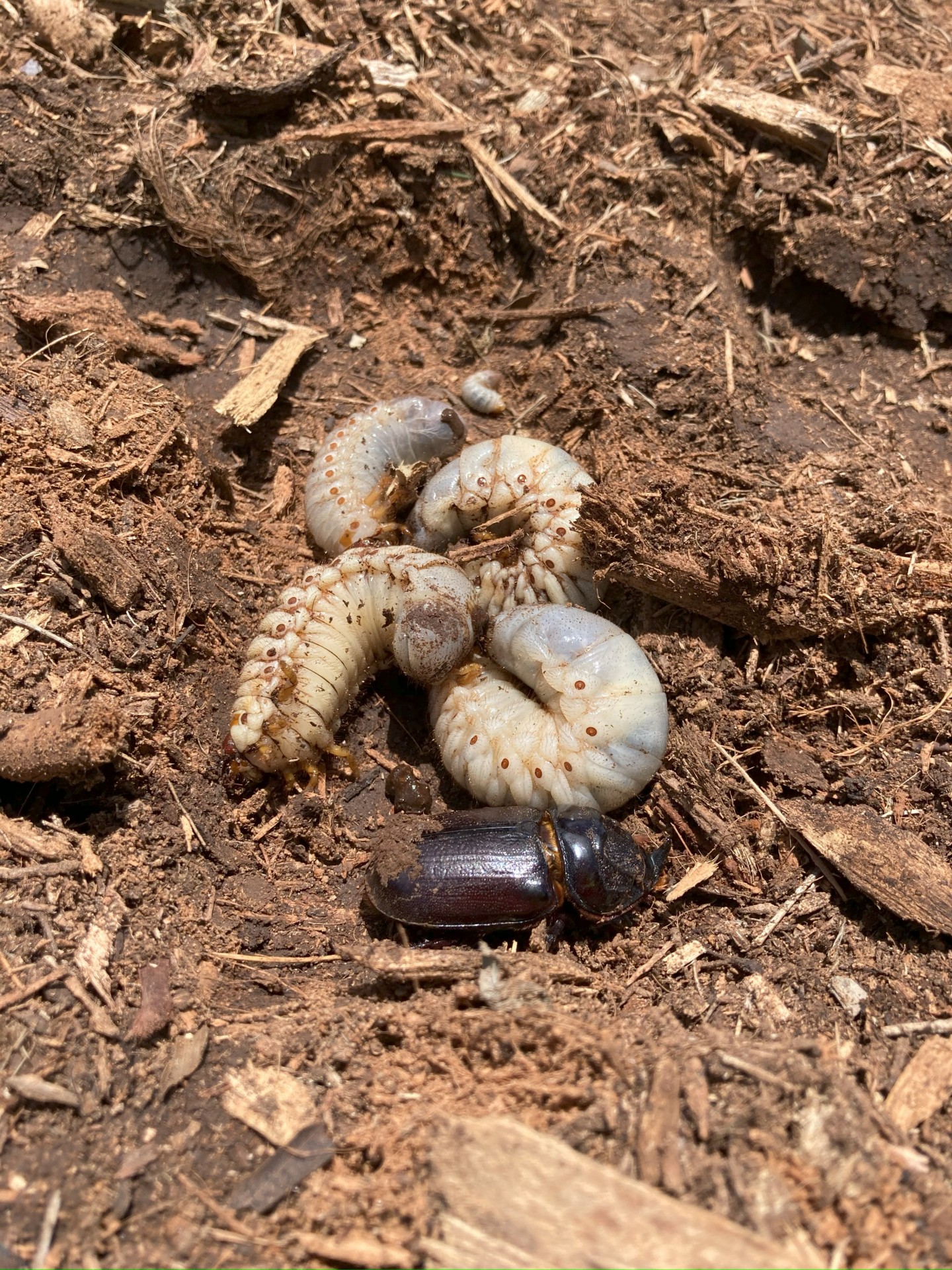
Figure 4. CRB adult beetle and larvae found in breeding material on Oahu.
CRB spend most of their lifecycle in decomposing plant material including but not limited to compost, mulch, potting soil, manure, etc. CRB feeds on host plants including palms, as well as other crops such as hala, sugarcane, and banana. While HDOA Interim rule restricts the movement of most high-risk material, understanding potentially unregulated vectors of spread and following best practices is important. When receiving, maintaining, or working with green waste or other host material, always check for any signs of CRB, including CRB damage, or the presence of eggs, larvae, pupae, or adult beetles. It is recommended that all material moving, even locally on each island, is properly treated. Proper treatment can include chipping, grinding, heat treatment, or fumigation. When maintaining potential host material, periodic inspections (~ every 3-4 months) are helpful in monitoring for CRB. Additionally, all host plants should undergo thorough inspections before movement to prevent the accidental spread of CRB across each island.
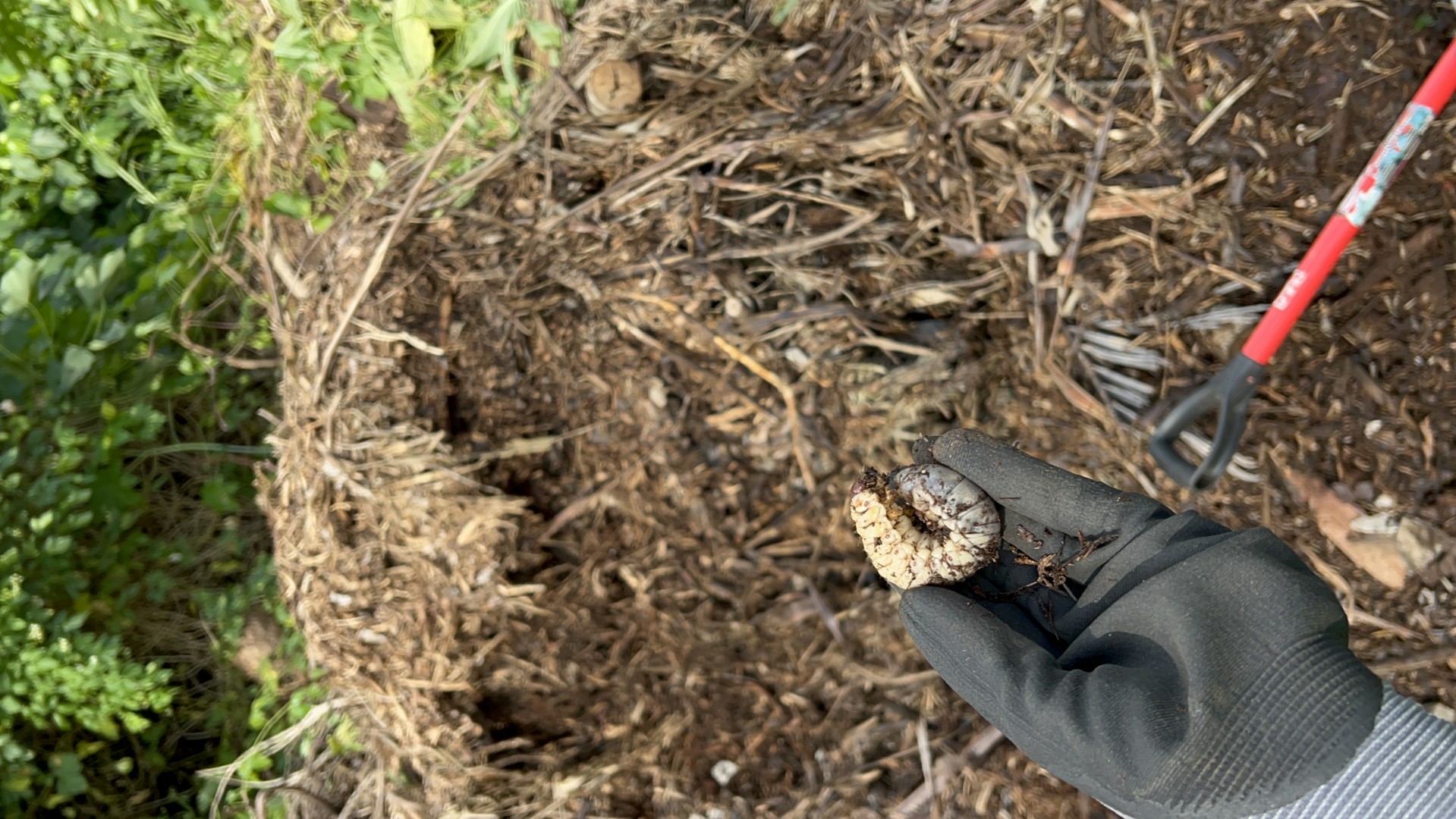
Figure 5. CRB larvae found in a pile of breeding material (mulch).
Oʻahu is currently designated as an infested area, emphasizing the need for community control. For more information on recommendations for individuals located on Oʻahu, please visit crbhawaii.org/treatments. For any signs of CRB found on neighboring islands, please report immediately to the CRB Response at [email protected] or (808) 679-5244.
Arisa Barcinas is an outreach associate for the Coconut Rhinoceros Beetle Response.
The Coconut Rhinoceros Beetle Response is a collaboration between the Hawaiʻi Department of Agriculture, the United States Department of Agriculture, and the University of Hawaiʻi, among other partners. The CRB Response regularly posts updates at crbhawaii.org, on Instagram @crbhawaii, and on Facebook at facebook.com/crbhawaii. CRB Outreach can provide free presentations that may be eligible for ISA or RUP CEU credit if scheduled in advance.
Christy Martin Honored
Christy Martin was recognized with the green industry's highest honor bestowed by the Landscape Industry Council of Hawaii, LICH Director Emeritus. The award was presented by Tree Solutions Hawaii.
The award ceremony was held Thursday, September 14th at the 2023 Green Industry Conference & Tradeshow at the Hawaii Convention Center.
The Landscape Industry Council of Hawaii or LICH Board of Directors are the leaders of the green industry. They are the master craftsman representing the green industry professions: arborists, contractors, maintenance, plant nurseries, irrigation, research, education and landscape architects.
To be recognized as a director emeritus requires exceptional leadership, teamwork and innovation sustained over five years rooted in caring for the environment, community and green industry. Previous recipients include Steve Nimz, Garrett Webb, Lelan Nishek, Jay Deputy, Boyd Ready and Chris Dacus.
"Christy Martin joins an exclusive club only achieved by six individuals in 37 years. Christy will be the seventh LICH Director Emeritus,” said Jay Deputy, LICH President.
Christy Martin has been an exceptional liaison between conservation and the green industry. She gracefully led the landscape industry away from using invasive plants through the use of the Hawaii Pacific Weed Risk Assessment and later the website plantpono.org. Christy Martin is the Program Manager and PIO of the Coordinating Group on Alien Pest Species (CGAPS).
Hawaii’s landscape industry is one of the fastest growing and largest segments of the green industry with an economic impact of over $520 million annually and full-time employment of over 11,000 landscape professionals. LICH was established in 1986.
Community News
The post Conference field trip, Soothing Landscapes, was held on Friday, September 15th, one day after the Thursday conference. 24 LICH members and guests toured some of Honolulu's most interesting landscaping projects.
In addition to the 3 planned locations (Koula, Arcadia, and the Manoa Heritage Center)