



In this issue
Archives
Side Articles
Editors
Hannah Lutgen
Alberto Ricordi
#91 Invasives & Edible Landscapes (July / August)
Think Beyond Shade Trees: Plant Ulu
By: Dr. Noa Lincoln, Dana Shapiro, Tamara Sherrill, and Anne Dorland
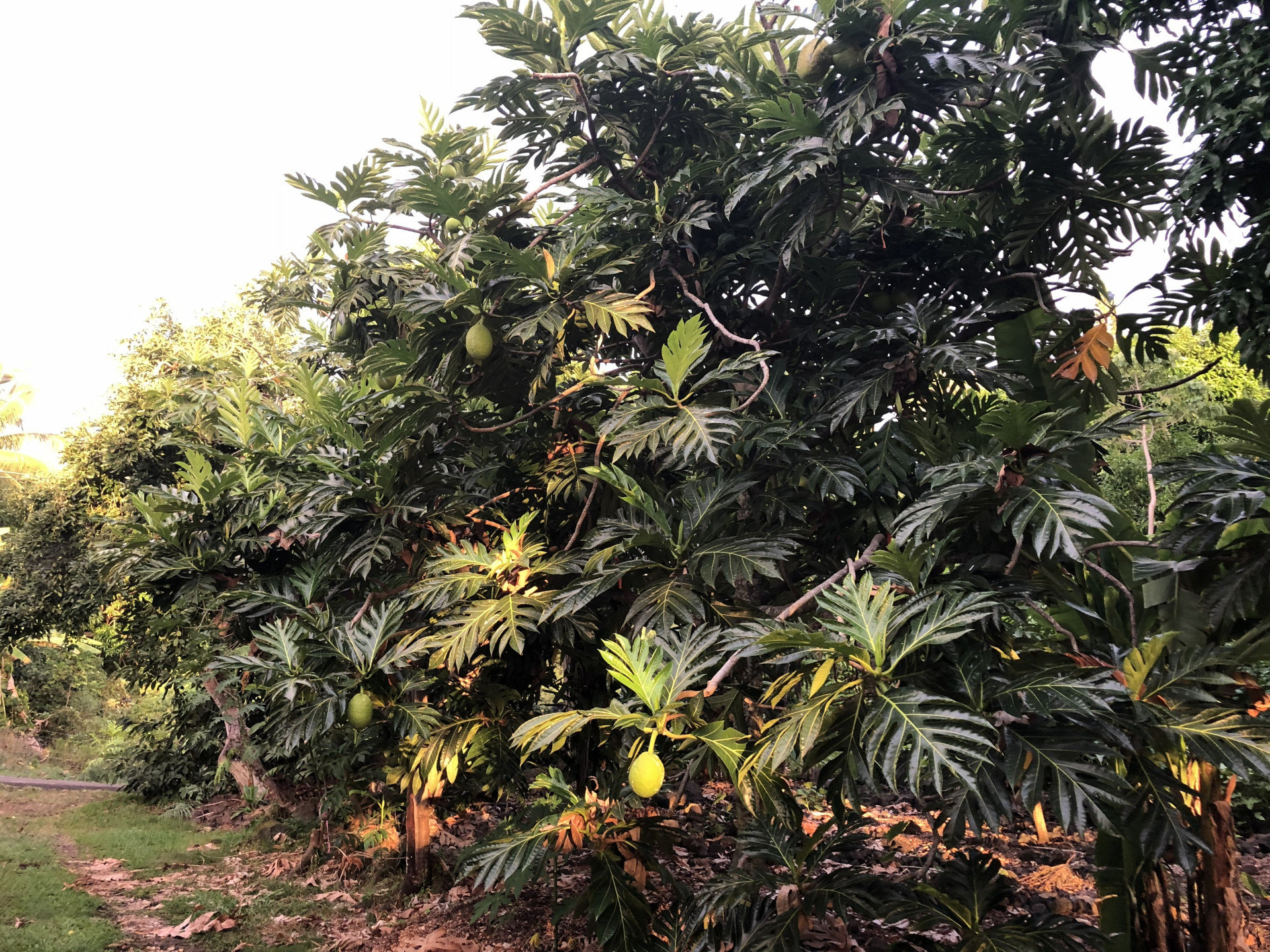
Figure 1. Mature Ulu Tree.
Ancient Breadfruit in Hawai’i
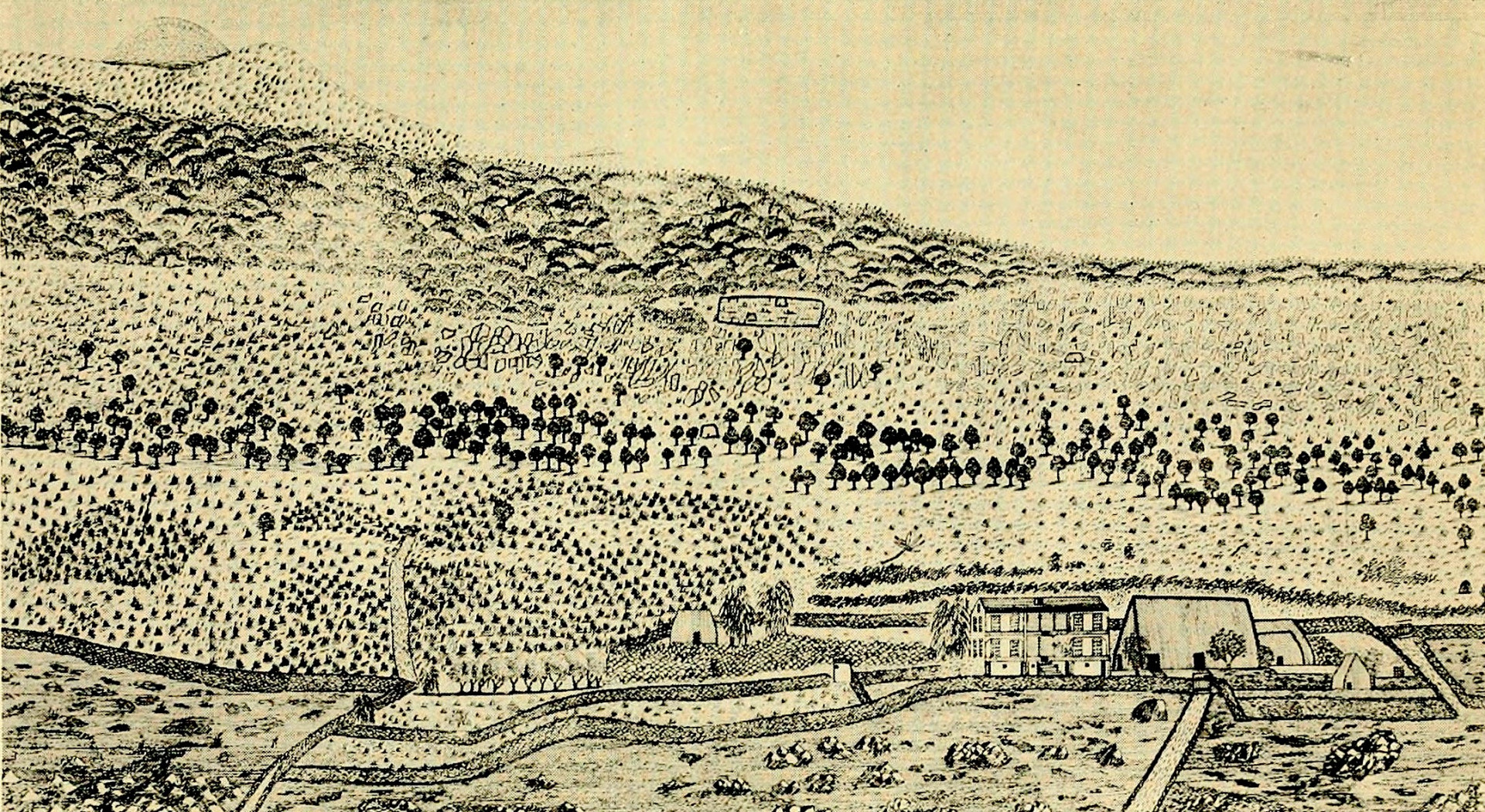
Figure 2. Konaʻs ancient breadfruit belt.
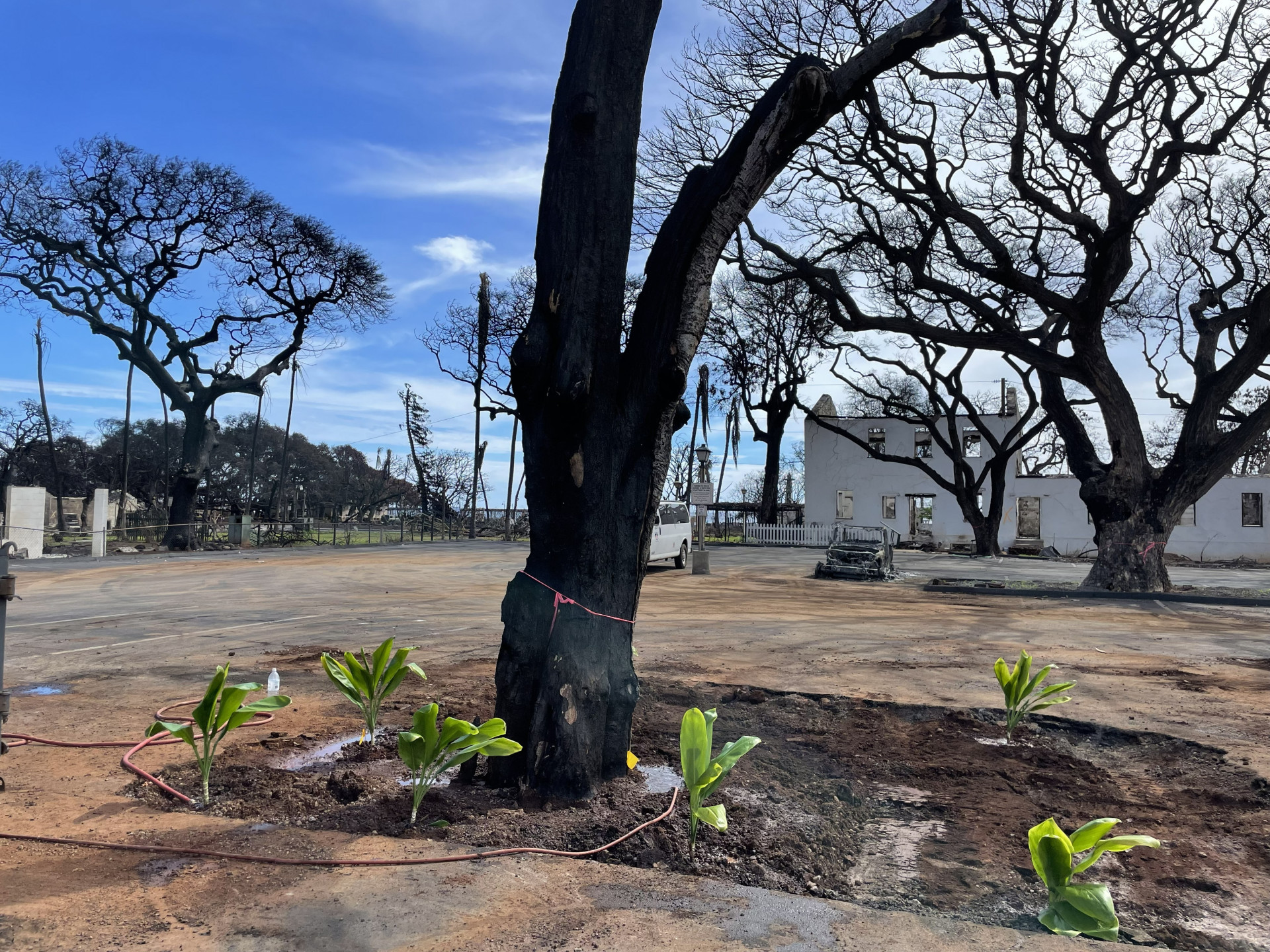
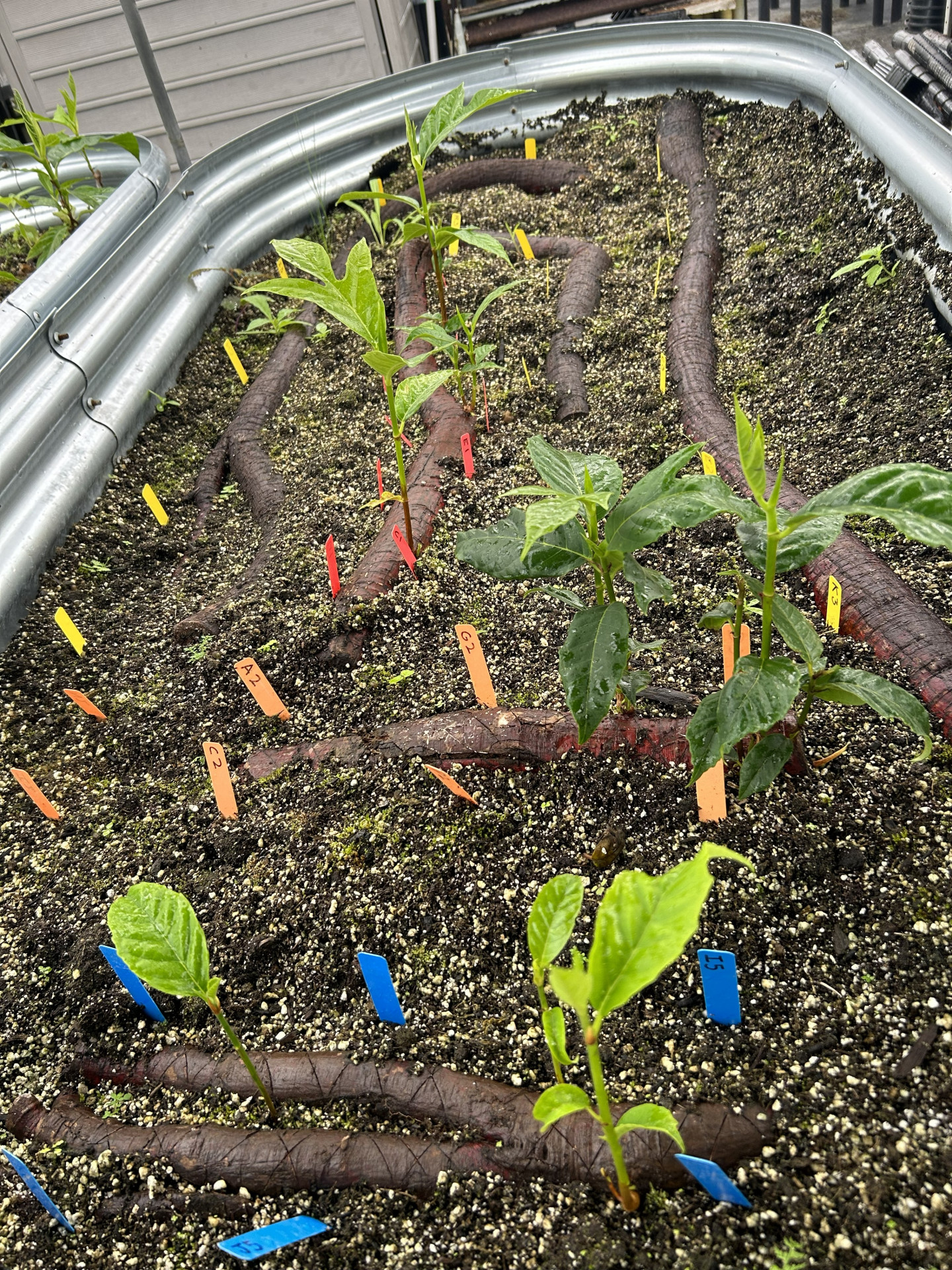
Figures 3-4. Top image: Burnt Lahaina Tree. Lower image: Roots of Lahaina Trees Showing Sprouts.
While propagation efforts are helping preserve the legacy of Lāhainā’s historic kumu ‘ulu (pre-European contact breadfruit trees), some of the original trees still stand on the landscape today. These survivors, which endured the 2023 wildfires, are now in a critical period of recovery. Many appear to be experiencing heat stress and canopy dieback, leaving them increasingly vulnerable to pests and diseases and underscoring the need for expert arborist assessment and care.
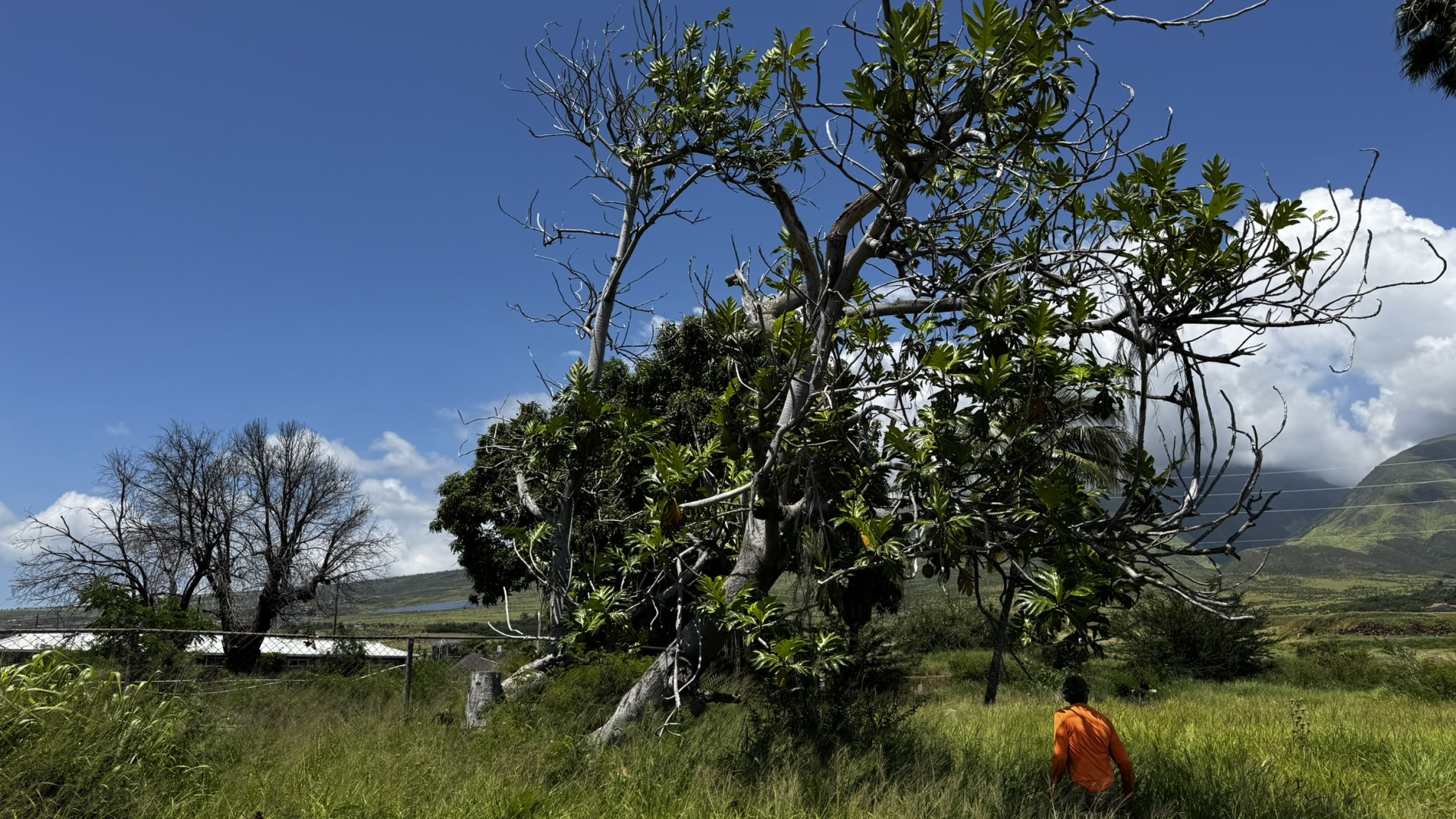
Figure 5. Jeff Gray, Maui Arborist, with the Kumu ‘Ulu at the Hanakao'o Cemetery.
To help address these needs, Maui Nui Botanical Gardens’ I Mua I Ke Ola community forestry fire recovery initiative is developing an arborist program to support survivor trees in Lāhainā and Kula, including the kumu ‘ulu. Through I Mua I Ke Ola, tree services are expected to begin this year and may continue through May 2028, depending on need and available funding. In the months ahead, I Mua I Ke Ola hopes to connect the stewards of survivor trees with professional arborists to identify and implement measures that will best support the long-term health and viability of these trees.
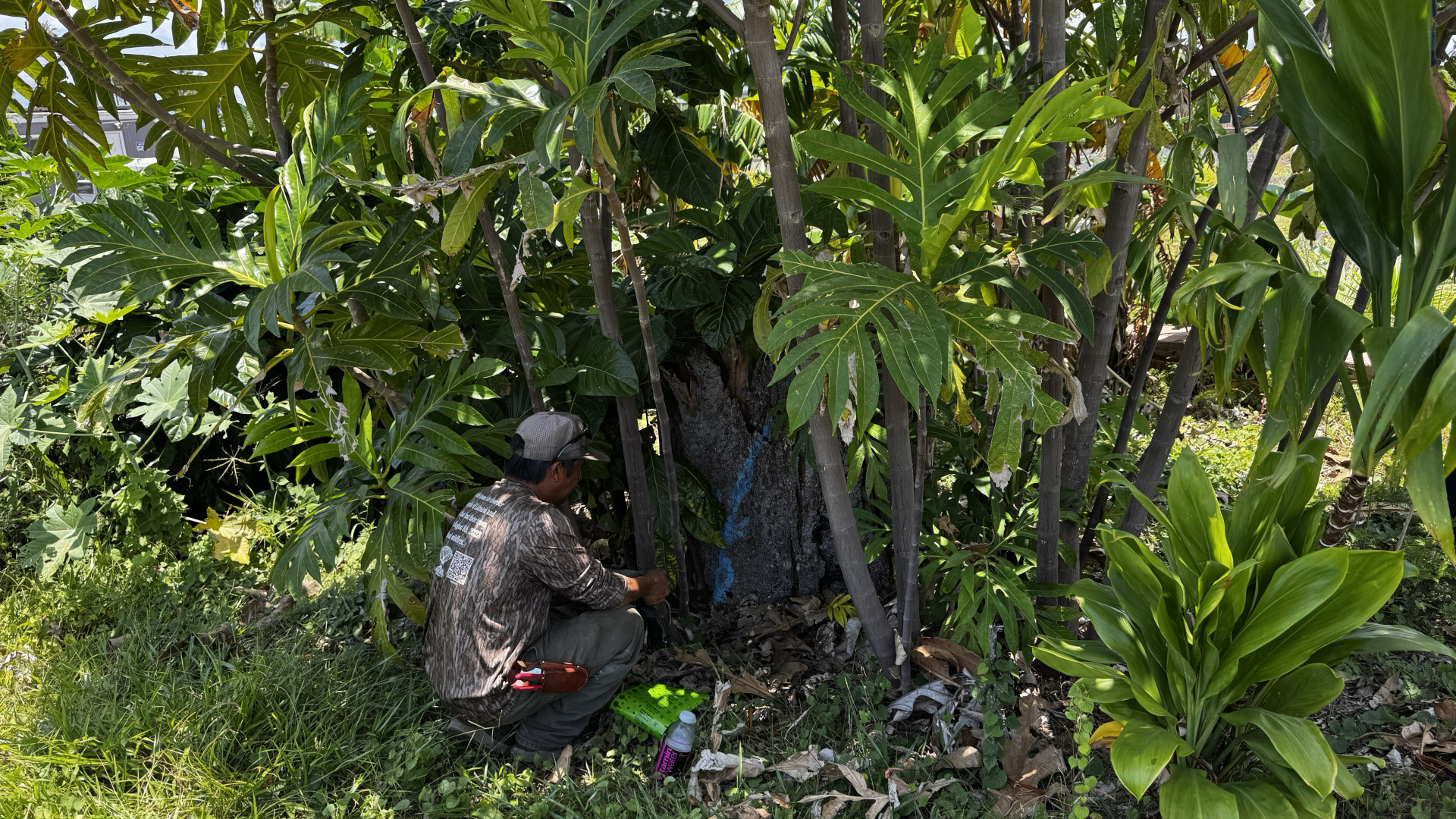
Figure 6. Kimo Simpliciano of Treecovery Hawai’i with the kumu ‘ulu at Waiola Church.
To many Lāhainā ‘ohana, the kumu ‘ulu are no ordinary trees; these are their kūpuna. Caring for the surviving kumu ‘ulu is not only an act of stewardship for Lāhainā’s living heritage, but also an investment in the future. Services provided through the I Mua I Ke Ola initiative will help to ensure that these culturally significant trees can continue to provide food, shade, habitat, and propagation material for generations to come.
Breadfruit Revival
While consumption and production of breadfruit in Hawaiʻi has declined significantly since the days of the Hawaiian Kingdom, community-led efforts to revive the crop’s important role in our food system and landscapes have helped to rebuild awareness among both farmers and the public at large. A key component fueling the revival of ‘ulu in Hawaiʻi is breadfruit festivals. In 2011 and 2012, The Breadfruit Institute partnered with the Hawaiian Homegrown Food Network on Hawaiʻi Island to host two festivals each year, one at the Amy Greenwell Ethnobotanical Garden in Kona and another at the Kua o Ka La public charter school in Puna. This year, the Hawaiʻi Island festival will finally return to Amy Greenwell Garden in September 2026 as the opening part of the weeklong ʻUlu Hoʻolauleʻa celebration. On Maui, the Maui Nui Botanical Garden has hosted Lā ʻUlu, another breadfruit festival, for 6 years. These public community events feature ʻulu-focused educational booths, food vendors, live music, cooking demonstrations, and more, and generate enthusiasm and excitement for breadfruit throughout diverse segments of our community and across generations. Inspiration seeded at such festivals has led to the establishment of Hawaiʻi’s now burgeoning commercial breadfruit industry, myriad value-added food products and entrepreneurs, student research projects, new restaurant menus, and even a farmer cooperative with some 230 members across four islands. The impact of such festivals cannot be overstated.
Right ‘Ulu, Right Place
Fruit trees are not traditionally included in public landscapes in part due to liability concerns regarding the fruit fall. ʻUlu fruit can average 3-5 pounds each, as heavy as a coconut. At the Maui Nui Botanical Gardens in Kahului, a 50-foot-tall, 50-year-old Otea variety tree stands sentry at the main entrance. The tree is harvested from the reachable lower half, with fruit in the top half being left to fall for the most part. The trunk is 14 feet away from the leeward entrance sidewalk, which puts people in the danger zone within 8 feet of the sidewalk edge. With an 18-inch average rainfall in Kahului, this tree is drip irrigated bi-weekly to prevent immature fruit drop and maximize fruit set. It is worth noting that in 20 years of observation, only one person had a near miss, with one hapless dog getting a squishy ʻulu to the shoulder. Soft, ripe fruit fall is a less dangerous situation than hard, immature fruit fall, but fruit is a daily nuisance to clean up. Trees that are under drought stress cause the tree to prematurely drop hard, unripe fruit from great heights, a clear danger. A guideline for dry low elevation areas would be to plant ʻulu trees 20 to 30 feet from frequently traversed paths, and keep trees well watered in areas with less than 60 annual inches of natural rainfall. ʻUlu trees also tolerate pruning, so if pruned regularly while young, they can be kept to a height of 15-18 feet at maturity (Elevitch, Ragone, and Cole 2014).
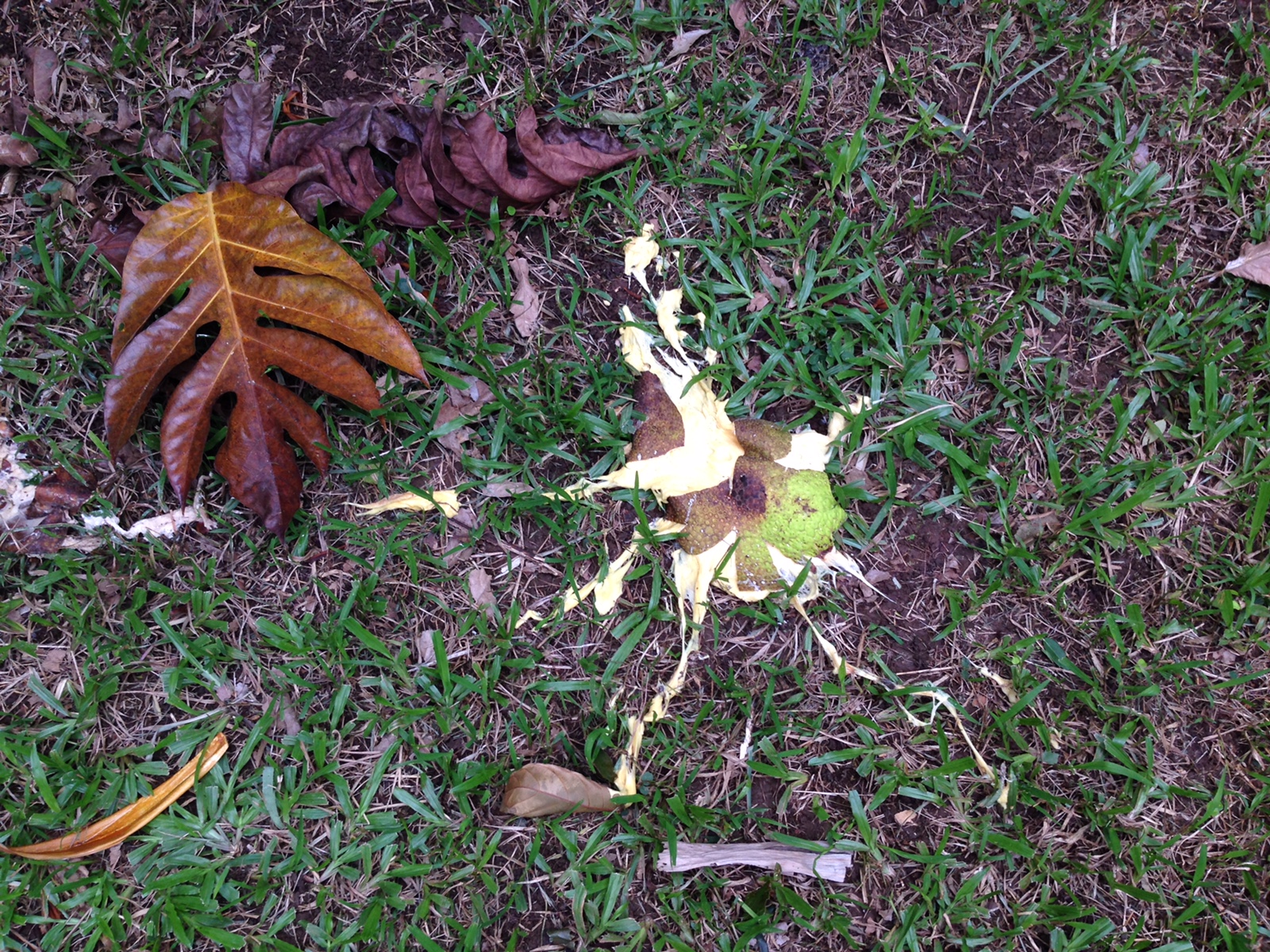
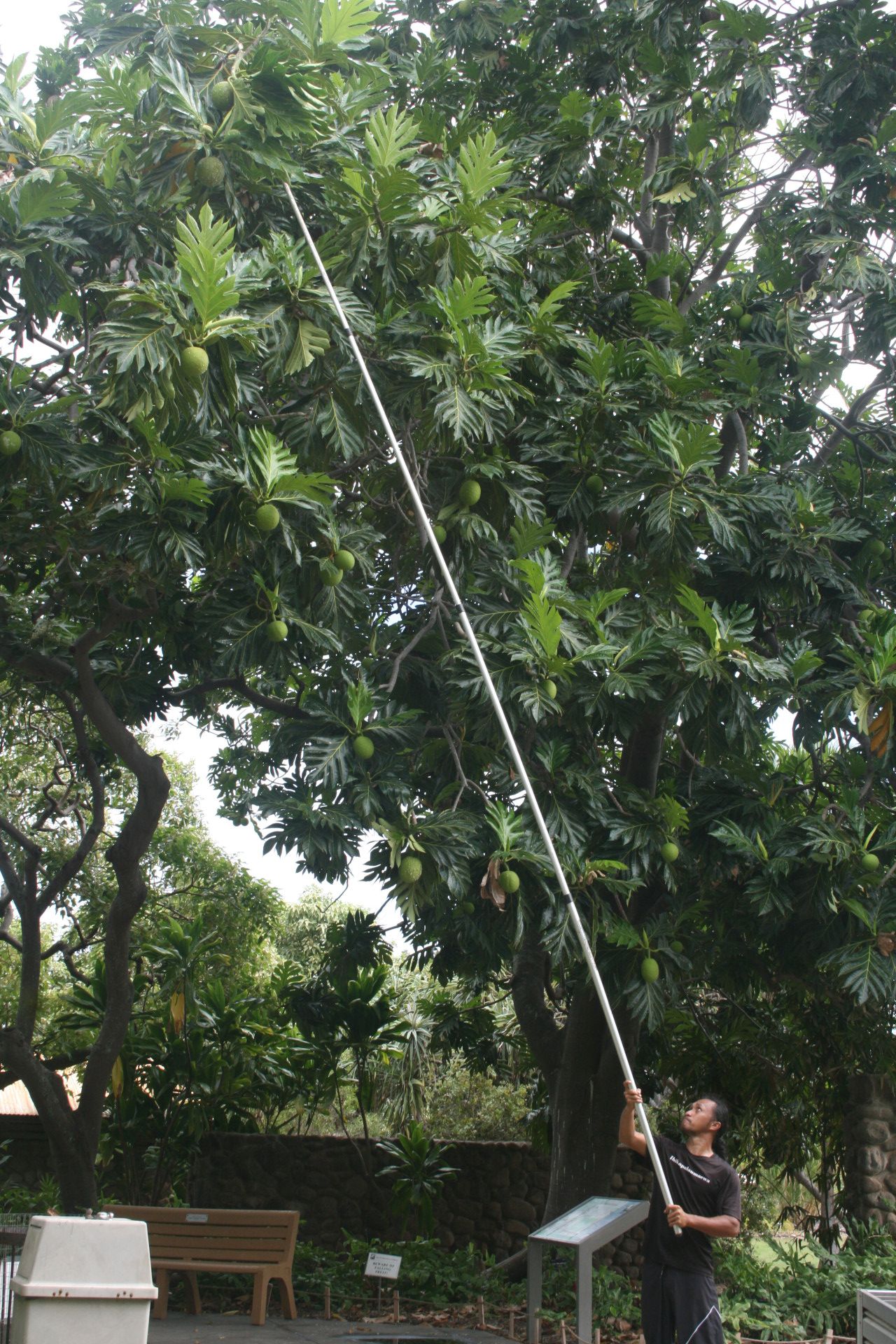
Figures 7-8. Top image: Overripe fruit can be a slipping hazard. Lower Image: 50-year-old tree at MNBG being harvested by staff member Namea Hoshino.
ʻUlu also has surface roots that will buckle concrete or asphalt over time. The roots at the 14-foot distance at the botanical garden have never buckled the sidewalk. Elsewhere in the garden, ʻulu trees with asphalt laid within 3 feet of the trunks resulted in severe buckling, though the trees were fine. It is best to plant at least 20 feet from constructed hard surfaces to minimize root upheaval and use root barriers.
In public landscapes, ‘ulu can offer shade, support the urban water cycle, and serve as an abundant food source for Hawai’i’s communities. ‘Ulu is an exceptionally productive tree. Just one mature ‘ulu can produce hundreds of fruits annually and, under favorable conditions, may yield hundreds to thousands of pounds of food each year. What’s more, breadfruit contains significant amounts of complex carbohydrates, dietary fiber, vitamin C, potassium, and other essential nutrients. Because of this, ‘ulu is increasingly recognized as a cornerstone of Hawai’i’s food security (Jones et al. 2011; Ragone 1997).
Yet these remarkable benefits do not happen by chance. Like any public resource, productive food trees require intentional stewardship. Through regular harvesting and tree care, communities can transform what might otherwise become a maintenance concern into a pillar of food resilience. Fortunately, Hawai’i organizations committed to supporting thriving public foodscapes, like Common Ground Collective (CGC) and Grow Some Good (GSG), have exemplary models for harvesting and sharing ‘ulu.
CGC’s Foster Farming Project provides harvesting and distribution services that allow property owners to either donate or sell their produce, reducing green waste while increasing access to fresh, locally grown food. Meanwhile, GSG stewards Nā Māla Kaiāulu (NMK), a multi-acre urban agroforest on County of Maui property at the Maui Family YMCA in Kahului. The purpose of NMK is to strengthen both food and climate resilience while supporting cultural preservation through native and canoe plants grown in a traditional agroforestry model. GSG hosts weekly harvest events at NMK, where community members can take home produce and even plant cuttings to grow some good in their own neighborhoods. And when their ‘ulu trees are fruiting heavily, they share the harvest with the Maui Food Bank.
Propagation Today
As the interest in ‘ulu has grown, so too does the need for trees. The Indigenous Cropping Systems Laboratory at the College of Tropical Agriculture and Human Resources has been working on tissue culturing trees to ramp up production. Over the past 8 years, they have distributed an astonishing 20,000 breadfruit trees, and are currently producing about 1,000 per month. Multiple varieties are available in bulk, including the local Hawaiian variety “Maoli”, the backyard Samoan variety “Ma‘afala”, and a host of others including Puou, Pu‘upu‘u, Apuapua, Fiti, Otea, and more.
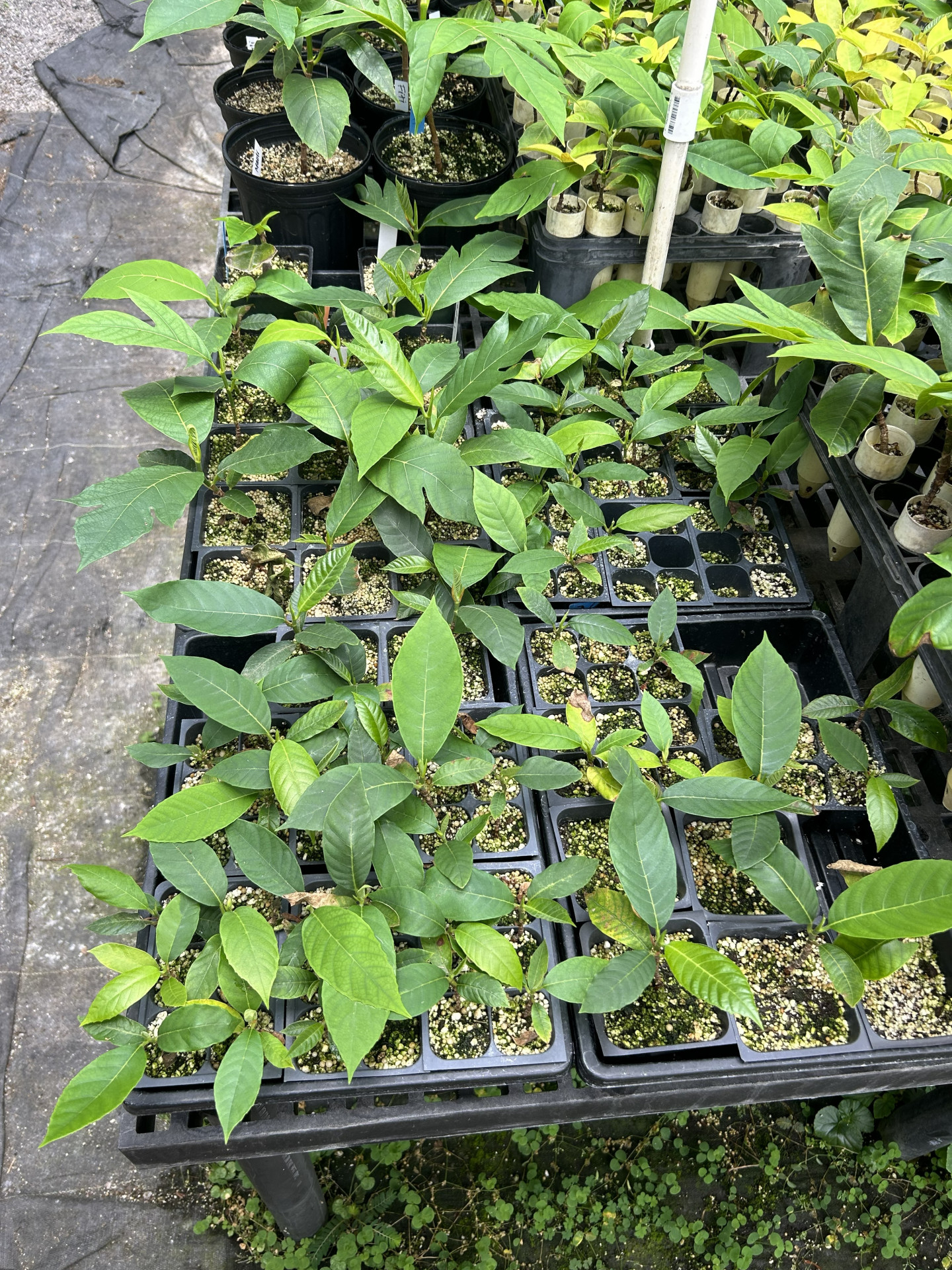
Figure 9. Tissue cultured trees at the CTAHR lab.
Breadfruit Festivals
This year there will be festivals on both Maui and Hawaiʻi Island. On Maui, the 7th Lā ʻUlu Breadfruit Day will be held on September 5, 2026, at Maui Nui Botanical Gardens in Kahului. The free event features cooking demonstrations, ʻulu trees for sale and tree care presentations, cultural activities using all parts of the tree, and a variety of foods made with ʻulu for purchase, including ready-to-eat small portions under $9. The event website can be found at mnbg.org. In Kona, Amy Greenwell Ethnobotanical Garden’s breadfruit festival will be held on Saturday, September 19th, and serve as the opening event kicking off the weeklong ‘Ulu Hoʻolauleʻa or Breadfruit Celebration throughout the region. Subsequent events include an Aha ʻUlu or cultural exchange on September 20-21st, a Global Breadfruit Summit on September 22-24th, and an ʻUlu Culinary Showcase on September 23rd at Outrigger Kona Resort. Visit the Hoʻolauleʻa event website here for more information: https://2026celebration.breadfruitpeople.com/.

Figure 10. Lā ʻUlu 2025 at MNBG.
References Cited:
Jones, A. & Ragone, Diane & Tavana, Namulau’ulu & Bernotas, David & Murch, Susan. (2011). Beyond the Bounty: Breadfruit (Artocarpus altilis) for food security and novel foods in the 21st Century. Ethnobotany Research and Applications. 9. 129. 10.17348/era.9.0.129-149.
Lincoln, N. K., Ragone, D., Zerega, N. J., Roberts‐Nkrumah, L. B., Merlin, M., & Jones, A. M. P. (2018). Grow us our daily bread: A review of breadfruit cultivation in traditional and contemporary systems. Horticultural Reviews, 46, 299-384.
Ragone, Diane & Heller, J & Engels, Johannes. (1997). Breadfruit, Artocarpus altilis (Parkinson) Fosberg.
Understanding Heat Stress
By: Edmar Castillo
Overview
Heat is the leading cause of weather-related deaths in the United States1. Workers across many industries face significant risks of heat-related illness and injury due to hazardous heat exposure. While the general population can often avoid or limit prolonged heat exposure, workers—particularly those in landscaping and horticultural services—are routinely exposed to conditions that increase their risk of occupational heat stress.
Terminology2
Heat Stress2 – the load of heat that a person experiences due to sources of heat or heat retention, or the presence of heat in a work setting
Heat Strain – the physiological response to heat exposure
Heat-Related Illness – adverse clinical health outcomes that occur due to exposure to hazardous heat
Heat-Related Injury – an injury linked to heat exposure that is not considered one of the typical symptoms of heat-related illness, such as a fall or cut.
Background
Occupational heat stress occurs when metabolic heat, environmental heat, and the insulating effects of clothing or personal protective equipment (PPE) combine to increase the body’s internal heat load. Prolonged or intense exposure to extreme heat can lead to a range of occupational illnesses and injuries.
The U.S. Department of Labor’s Bureau of Labor Statistics (BLS) reports that between 2021 and 2024, exposure to environmental heat resulted in an estimated average of 3,793 days away, restricted and transfer (DART) cases per year. BLS data also indicates that between 2021 and 2024, exposure to environmental heat resulted in an average of 48 fatalities per year.
Employer Responsibility (HIOSH Law)
Under HIOSH Law (§396-6(a), Hawaii Revised Statutes), employers are required to provide their employees with a workplace free from recognized hazards that are causing or likely to cause death or serious physical harm to employees. This includes heat-related hazards that are likely to cause death or serious bodily harm.
The National Weather Service (NWS) classifies environmental heat using the heat index. When the heat index3 is 80°F or higher, the risk of serious occupational heat-related illnesses and injuries increases significantly—especially for unacclimatized workers performing strenuous tasks (e.g., intense arm and back/lifting work, carrying, shoveling, manual sawing), working in direct sunlight, near radiant heat sources, or without easy access to cool water or shaded/cool areas.
Days when the heat index is expected to reach 80°F or above are considered Heat Priority Days, signaling the need for heightened employer precautions and protective measures.
3 According to the NWS, the Heat Index (also referred to as apparent temperature) is given in degrees Fahrenheit and is a measure of how hot it really feels when relative humidity is factored in with the actual air temperature.
Serious Heat-Related Illnesses and Common Symptoms
Employers and workers should become familiar with the heat symptoms. When any of these symptoms are present, promptly provide first aid. Do not try to diagnose which illness is occurring. Diagnosis is often difficult because symptoms of multiple heat-related illnesses can occur together. Time is of the essence. These conditions can worsen quickly and result in fatalities.
The symptoms of heat illness will intensify with time if actions are not taken to hydrate, rest, and cool down. If not treated promptly, minor symptoms of heat illness could quickly lead to a life-or-death situation.
When in doubt, cool the worker and call 911.
HEAT-RELATED ILLNESSES4
Heat Stroke
Symptoms & Signs:
● Confusion, slurred speech, unconsciousness, seizures
● Heavy sweating or hot, dry skin
● Very high body temperature
● Rapid heart rate
Response:
● Call 911 and get emergency medical help immediately
● Stay with the worker until help arrives
● Move to a shaded, cool area; remove outer clothing
● Wet with cool water and circulate air to speed cooling
● Place cold wet cloths or ice on the body, or soak clothing with cold water
Heat Exhaustion
Symptoms & Signs:
● Fatigue, irritability, thirst
● Nausea or vomiting
● Dizziness or lightheadedness
● Heavy sweating
● Elevated body temperature or fast heart rate
Response:
● Take to a clinic or ER for evaluation; call 911 if care isn't available
● Stay with the worker until help arrives
● Remove from heat; give liquids to drink
● Remove unnecessary clothing (shoes, socks)
● Cool with cold compresses to head, neck, face; encourage sips of cool water
Heat Cramps
Symptoms & Signs:
● Muscle spasms or pain
● Usually in legs, arms, or trunk
Response:
● Replace fluids with water, a snack, and/or electrolyte drinks every 15–20 minutes
● Avoid salt tablets
● Get medical help if the worker has heart problems, is on a low-sodium diet, or cramps last over an hour
Heat Syncope (Fainting)
Symptoms & Signs:
● Fainting
● Dizziness
Response:
● Call 911 for the worker
Heat Rash
Symptoms & Signs:
● Clusters of red bumps on skin
● Often on neck, upper chest, and skin folds
Response:
● Provide a cooler, less humid work environment
● Keep the rash area dry; powder may add comfort
● Do not use ointments or creams — anything warm or moist may worsen the rash
Rhabdomyolysis
Symptoms & Signs:
● Muscle pain
● Dark urine or reduced urine output
● Weakness
Response:
● Call 911 for the worker
Acute Kidney Injury
Symptoms & Signs:
● Damage from inadequate blood flow, or rhabdomyolysis of kidney muscle tissue
● Diagnosed by elevated blood creatinine; reduced urine output
● May lead to kidney failure
Response:
● Call 911 for the worker
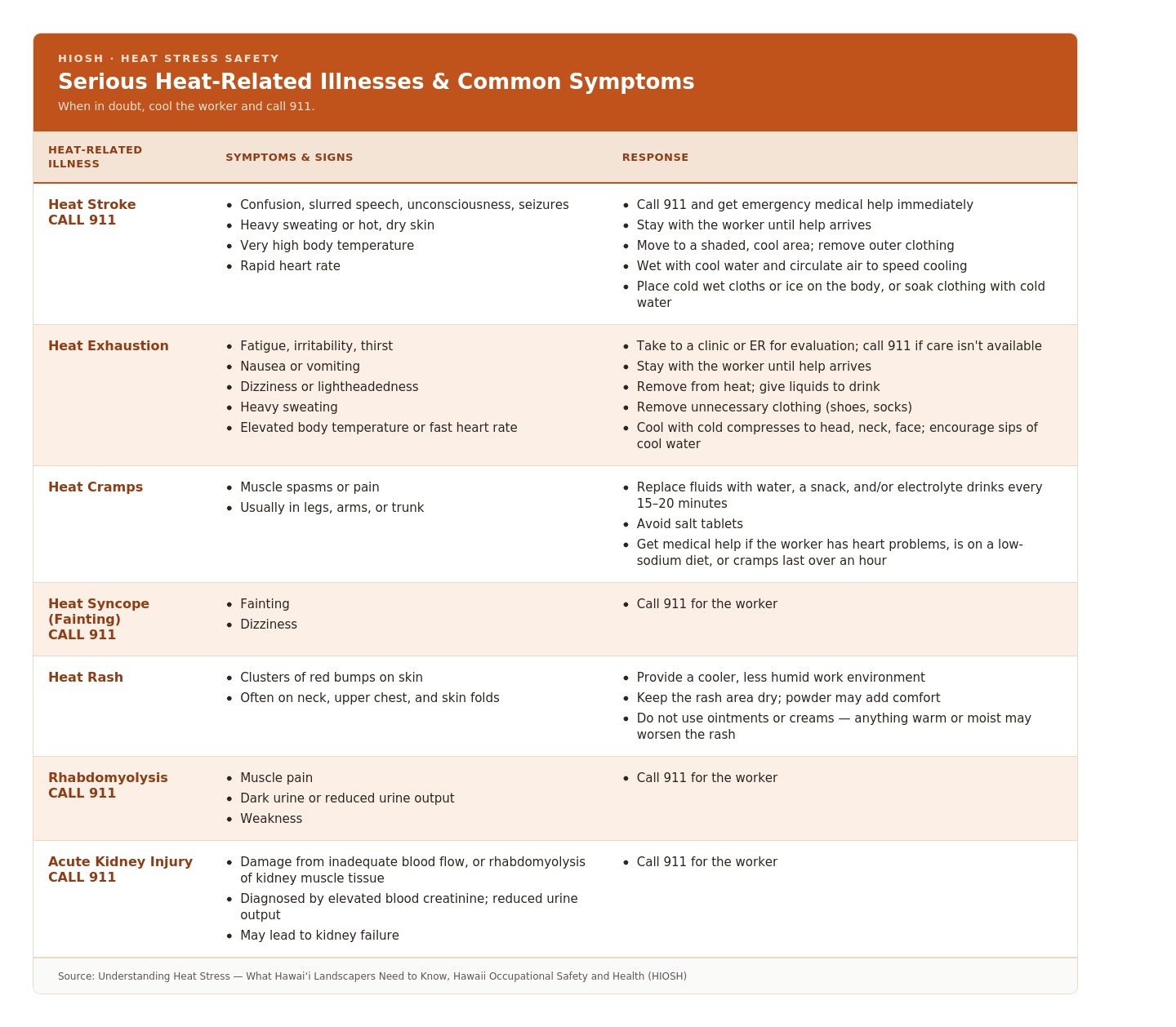
Figure 1. Summary Table of Heat-Related Illnesses.
Mitigation Strategies
Over 70% of heat-related deaths occur during a worker's first week5. Moreover, almost half of heat-related deaths occur on a worker's first day on the job or a worker's first day back after an extended absence6.
Access to Cool Water
Employers must provide cool drinking water for workers, as proper hydration is essential for preventing heat-related illnesses.
● For short-duration jobs: cool potable water is enough. Workers should be encouraged to drink frequently, not only when they feel thirsty.
● For longer jobs (more than two hours): employers should supply beverages with electrolytes, such as sports drinks. Sweating causes the body to lose salt and other electrolytes, and large losses can lead to muscle cramps and other serious health problems. Water alone cannot replace electrolytes. All fluids provided should be cool, easy to access, located near the work area, and available in sufficient quantities for the entire shift.
Workers should also know that certain types of PPE—such as some respirators or impermeable clothing—can increase the risk of heat-related illness. Because thirst is not a reliable indicator of hydration, workers should be reminded to drink regularly throughout their shift to stay properly hydrated.
Rest
When heat stress is high, employers must ensure workers take rest breaks. As heat stress increases, both the length and frequency of breaks should also increase.
Breaks must be long enough for workers to cool down. The recovery time needed depends on factors such as environmental heat, workload, and individual risk factors. The break location also matters: workers recover faster in a cool or shaded area, and breaks must be longer if no cool location is available.
Workers may be tempted to skip breaks, but in hot conditions this is unsafe. Employers should ensure all recommended rest breaks are taken to prevent heat-related illness.
Shade
Workers should be given a cool location where they can take their breaks and recover from the heat.
● Outdoors: a shady area, an air-conditioned vehicle, a nearby building or tent, or an area with fans and misting devices.
● Indoors: a cool or air-conditioned area away from heat sources.
Training
Provide training for all workers and management on heat illness risks, symptoms, and response procedures, as well as prevention methods. Train workers in a language and format they understand.
Acclimatization
Acclimatization is the physiological process through which the body gradually builds tolerance to working in hot conditions7. Most acclimatization develops within the first 4–6 days of repeated or continuous daily heat exposure and is typically fully established within two weeks. However, these benefits fade quickly—within 3 to 4 weeks without continued heat exposure8.
To protect workers, new and returning workers should be acclimatized gradually by increasing both workload and heat exposure over a 7–14-day period, following established guidelines for safely building heat tolerance9.
New Workers (20% Rule)10
● 20% on Day 1: New workers should work only 20% of the normal duration.
● +20% Each Additional Day: increase work duration by 20% on subsequent days until the worker is performing a normal schedule.
For example, if the normal workday lasts 8 hours, new workers should work no more than an hour and 40 minutes on their first day in the heat. They can spend the rest of the workday without heat stress and should be given at least one break during the period when they are working.
Returning Workers11
Workers can maintain their acclimatization even if they are away from the job for a few days, such as a weekend or holiday. However, if workers are absent for a week or more, there may be a significant loss in the beneficial adaptations, leading to an increased likelihood of heat-related illness and a need to gradually reacclimate to the hot environment.
● 50% or less on Day 1: Returning workers should work only 50% or less of the normal duration.
● 60% on 2nd Day: Returning workers should work 60% of the normal duration.
● 80% on 3rd Day: Returning workers should work 80% of the normal duration.
● 100% on 4th Day: Returning workers should be able to work 100% of the normal duration.
Right to Working Conditions
Workers have the right to working conditions that do not pose a risk of serious harm, to receive information and training about workplace hazards and how to prevent them, and to file a complaint with HIOSH to inspect their workplace without fear of retaliation.
For more information about workers’ rights, visit labor.hawaii.gov/hiosh/home/forworkers. To file a complaint, visit labor.hawaii.gov/hiosh/complaint or call (808) 586-9092.
Disclaimer: This article is not a standard nor regulation, and it creates no new legal obligations. It contains recommendations as well as descriptions of mandatory safety and health standards. The recommendations are advisory in nature, informational in content, and are intended to assist employers in providing a safe and healthful workplace. HIOSH Law requires employers to comply with safety and health standards and regulations promulgated by the HIOSH division, and (§396-6(a), Hawaii Revised Statutes) requires employers to provide employees with a workplace free from recognized hazards likely to cause death or serious physical harm.
References
- 89 Fed. Reg. 70698 (August 30, 2024) at https://www.federalregister.gov/documents/2024/08/30/2024-14824/heat-injury-and-illness-prevention-in-outdoor-and-indoor-work-settingsosa
2. Bureau of Labor Statistics, U.S. Department of Labor, The Economics Daily, It’s summer, and it’s hot on the job at https://www.bls.gov/opub/ted/2024/its-summer-and-its-hot-on-the-job.htm
3. Centers for Disease Control. Heat Stress, Acclimatization at https://www.cdc.gov/niosh/heat-stress/recommendations/acclimatization.html
4. Gubernot DM, Anderson GB, Hunting KL. The epidemiology of occupational heat exposure in the United States: a review of the literature and assessment of research needs in a
5. National Oceanic and Atmospheric Administration (NOAA) . [Accessed: November 22, 2011];National Weather Service. Heat: a major killer. 2011. Available
6. National Weather Service (NWS). Heat at https://www.weather.gov/bgm/heat
7. Occupational Safety and Health Administration, U.S. Department of Labor, Heat Illness Prevention, Protecting Workers from the Effects of Heat at https://www.osha.gov/sites/default/files/publications/OSHA3743.pdf
8. Occupational Safety and Health Administration, U.S. Department of Labor, OSHA Instruction, National Emphasis Program – Outdoor and Indoor Heat-Related Hazards at https://www.osha.gov/sites/default/files/enforcement/directives/CPL_03-00-024_0.pdf
9. Occupational Safety and Health Administration, U.S. Department of Labor, Heat, Prevention at https://www.osha.gov/heat-exposure/water-rest-shade
10. Tustin AW, Cannon DL, Arbury SB, Thomas RJ, Hodgson MJ. Risk Factors for Heat-Related Illness in U.S. Workers: An OSHA Case Series. J Occup Environ Med. 2018 Aug;60(8):e383-e389. doi: 10.1097/JOM.0000000000001365. PMID: 29851740.
11. World Health Organization. Technical Report series No 412. Geneva: 1969. Health factors
Further Reading:
● 89 Fed. Reg. 70698 (August 30, 2024), Heat Injury and Illness Prevention in Outdoor and Indoor Work Settings. Available at https://www.federalregister.gov/documents/2024/08/30/2024-14824/heat-injury-and-illness-prevention-in-outdoor-and-indoor-work-settingsosa.
● Bureau of Labor Statistics, U.S. Department of Labor. "It's Summer and It's Hot on the Job." The Economics Daily. Available at https://www.bls.gov/opub/ted/2024/its-summer-and-its-hot-on-the-job.htm.
● Gubernot DM, Anderson GB, Hunting KL. "The Epidemiology of Occupational Heat Exposure in the United States: A Review of the Literature and Assessment of Research Needs in a Changing Climate." Int J Biometeorol. 2014 Oct;58(8):1779-88. PMID: 24326903.
● Occupational Safety and Health Administration, U.S. Department of Labor. Heat Illness Prevention: Protecting Workers from the Effects of Heat. Available at https://www.osha.gov/sites/default/files/publications/OSHA3743.pdf
● Occupational Safety and Health Administration, U.S. Department of Labor. National Emphasis Program — Outdoor and Indoor Heat-Related Hazards. Available at https://www.osha.gov/sites/default/files/enforcement/directives/CPL_03-00-024_0.pdf
● Occupational Safety and Health Administration, U.S. Department of Labor. Heat, Prevention. Available at https://www.osha.gov/heat-exposure/water-rest-shade
Edmar Castillo,
labor.hawaii.gov/hiosh • [email protected]
National Priority and Program Pest Survey Announced
By: Kennedy Pack
The State of Hawai’i Department of Agriculture and Biosecurity Plant Pathology Unit is conducting a new statewide survey in conjunction with the University of Hawai’i at Mānoa College of Tropical Agriculture and Human Resiliency. This new survey focuses on National Priority and Program pests.
These pests are potential invasive species that may pose a serious threat to Hawai’i’s environment and agriculture industries. We are targeting a total of 12 pests that have increased risk to the state of Hawai’i because of their large and tropical plant host ranges that include ornamentals, fruits, and vegetables. At least one of these priority pests has already been detected in Hawai’i, so this survey serves to aid the crucial process of detection and eradication in the state. Some examples of hosts are banana, citrus, cucurbits, geranium, hibiscus, papaya, perennial peanut, solanums, stone fruits, and strawberries. The survey’s main goals are to detect pests early, reduce the risk of current and future outbreaks, generate the data necessary to develop risk mitigation and control plans, and ultimately support Hawai’i’s agriculture.
These pests have the potential to cause prevent establishment and spread major devastation to the islands, so your participation would be imperative in our efforts to prevent establishment and spread.
WHAT DOES MY PARTICIPATION INVOLVE?
Site Visit: Scheduling a visit to your site at a convenient time.
Visual Inspection: Examination of plants for any signs of plant pathogens.
Sample Collection: If necessary, collection of leaf, root, and/or soil samples for further analysis.
Feedback: Sharing diagnostic results with you to assist in managing your plant health.
WHO DO I CONTACT TO PARTICIPATE?
Hawaii Department of Agriculture and Biosecurity – Plant Pathology Unit
Email: [email protected]
Phone: (808) 798-1497
COMMONLY ASKED QUESTIONS
What is the duration of the site visit?
The visit typically lasts between 1 to 2 hours, depending on the size of your property and the number of plants being surveyed. We will coordinate with you to ensure minimal disruption to your operations.
How often will these surveys be conducted?
This survey is scheduled to start July 2026. Future surveys may be conducted based on the findings and needs identified during this period.
Will this survey cost me anything?
No, there is no cost to you. The survey is funded by the United States Department of Agriculture Animal and Plant Health Inspection Service under the Plant Protection Act.
What happens if a pest is detected at my site?
If one or more pests are detected, we will inform you promptly and provide guidance on management practices to mitigate its impact. Our goal is to support you in maintaining healthy plants.
INFECTED PLANT EXAMPLES
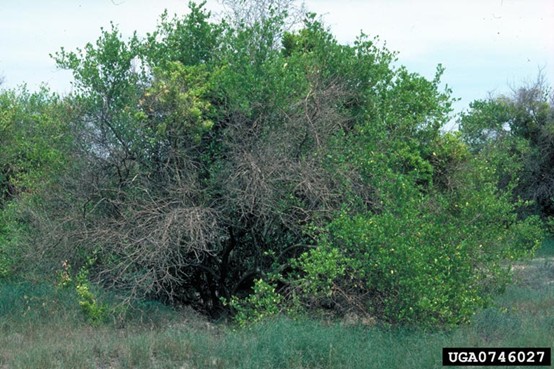
Figure 1. Severe dieback of lime tree infected with Lime Witches’ Broom Phytoplasma. Photo Credit: J.M. Bové, INRA Centre de Recherches de Bordeaux, Bugwood.org
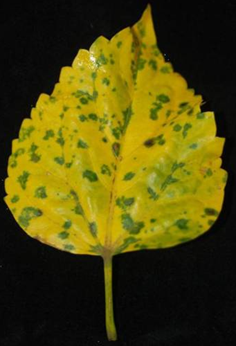
Figure 2. Foliar leaf symptoms of hibiscus leaf infected with citrus leprosis virus. Photo Credit: Melzer, M.J., Simbajon, N., Carillo, J., Borth, W.B., Freitas-Astúa, J., Kitajima, E.W., ... & Hu, J.S. 2013. A cilevirus infects ornamental hibiscus in Hawai‘i. Archives of virology, 158, 2421-2424.
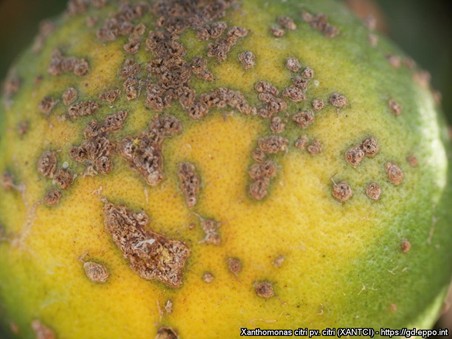
Figure 3. Cankers on orange fruit that is infected with Asiatic Citrus Canker.
Community News
Plant ID Workshop at Native Farms
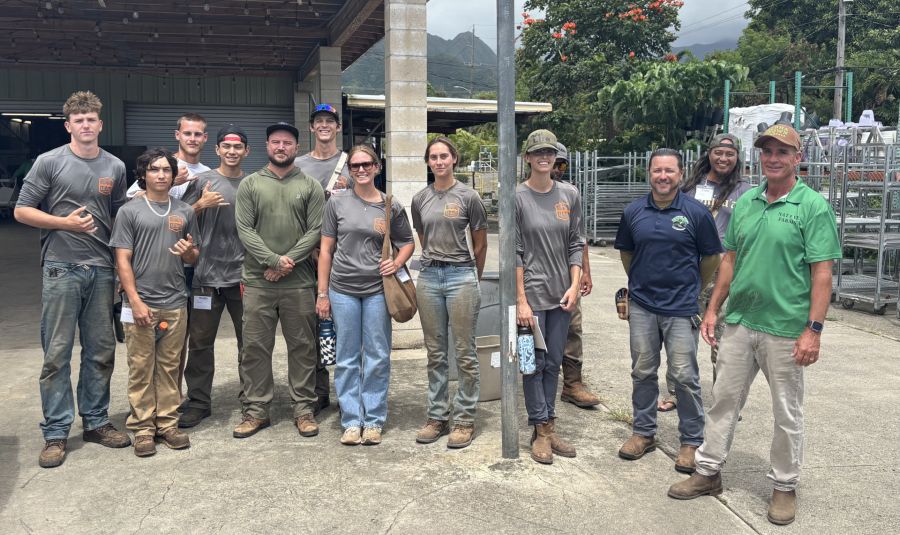
Mahalo to the Dedrick family for hosting the LICH Plant ID Class at their 14-acre nursery, Native Farms.
The sold-out event brought together 50 members of Hawaiʻi’s landscape industry to share knowledge and experiences about the propagation, installation, and maintenance of a variety of popular landscape plants.
Originally developed by UH Extension Agent Russell Galanti, the class provided a valuable opportunity for participants to learn from one another and exchange their experiences in growing and caring for plants. Attendees represented a broad cross-section of the industry, including landscape contractors, landscape architects, nurseries, hotels, and City and State employees.
It was a great example of the collaborative spirit that strengthens Hawaiʻi’s green industry. Mahalo to everyone who participated and helped make the event a success!
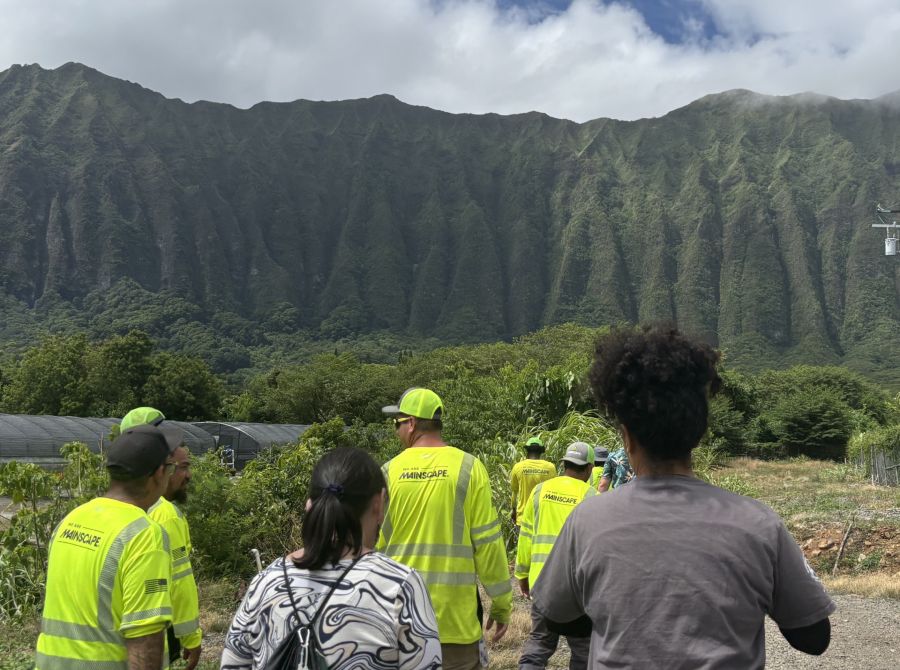
Beautiful Day At Native Farms
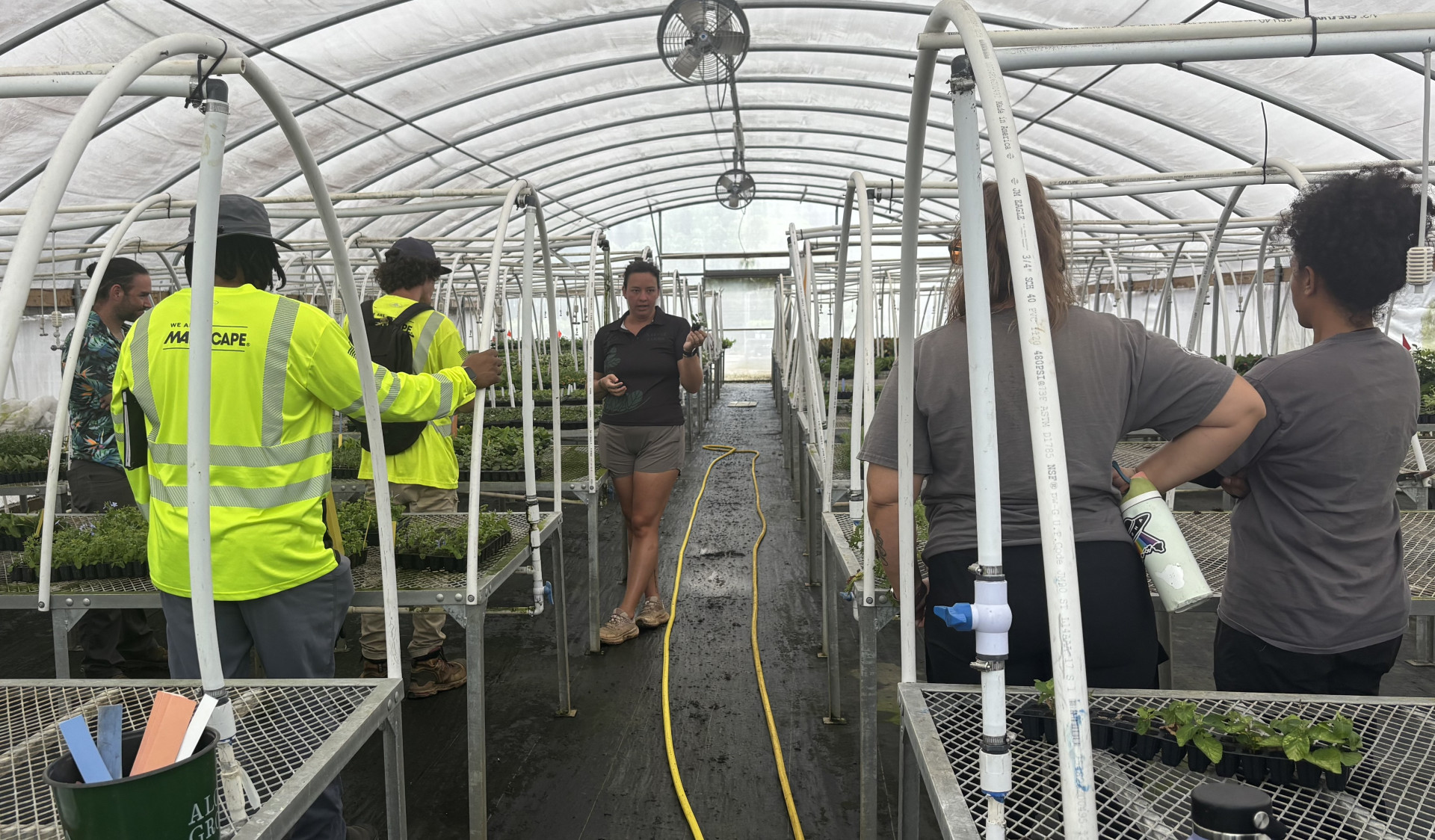
La'akea Dedrick explaining Greenhouse production 1
Andrew Dedrick leading a tour at Native Farms
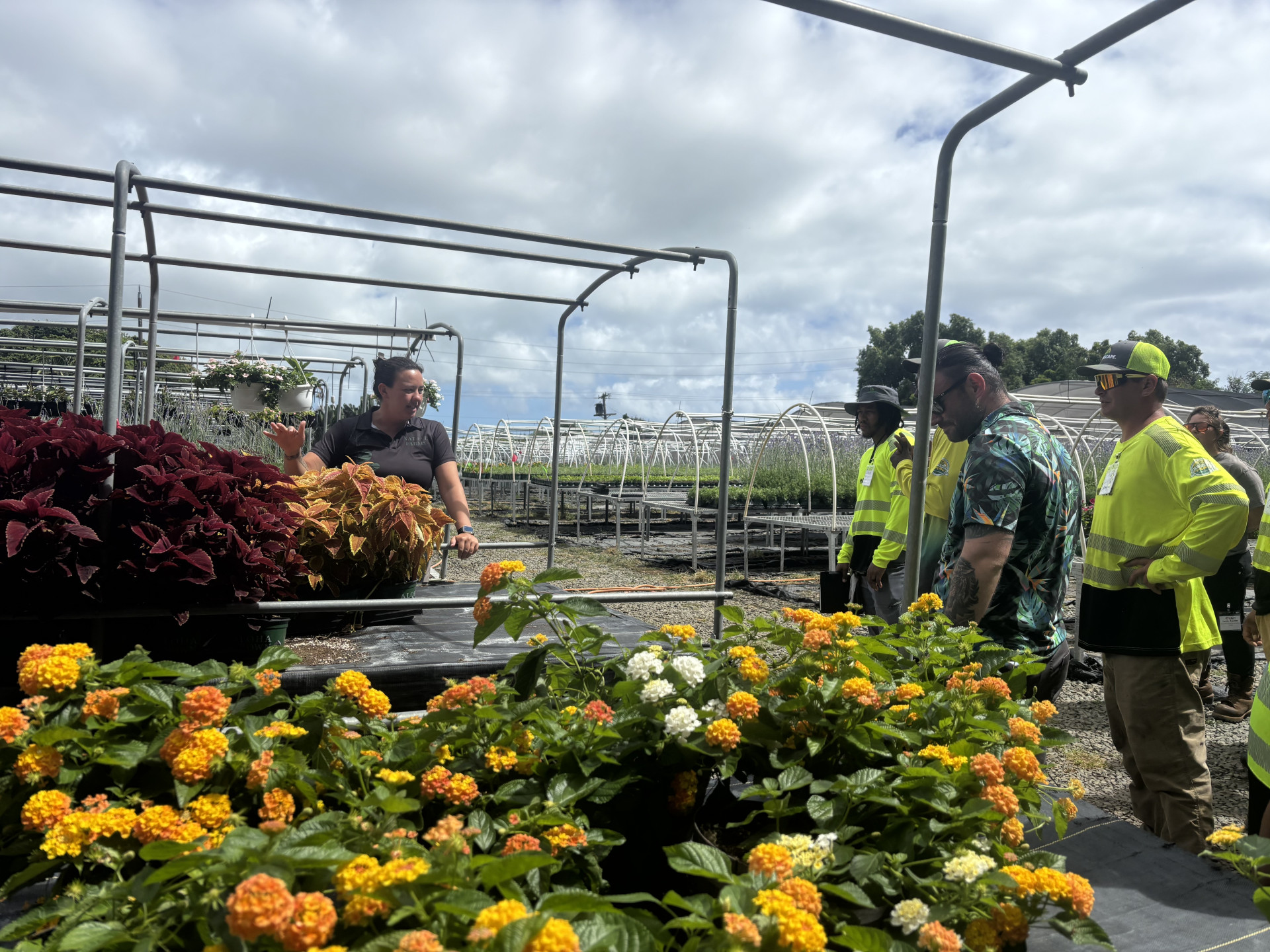
La'akea Dedrick giving Farm Tour
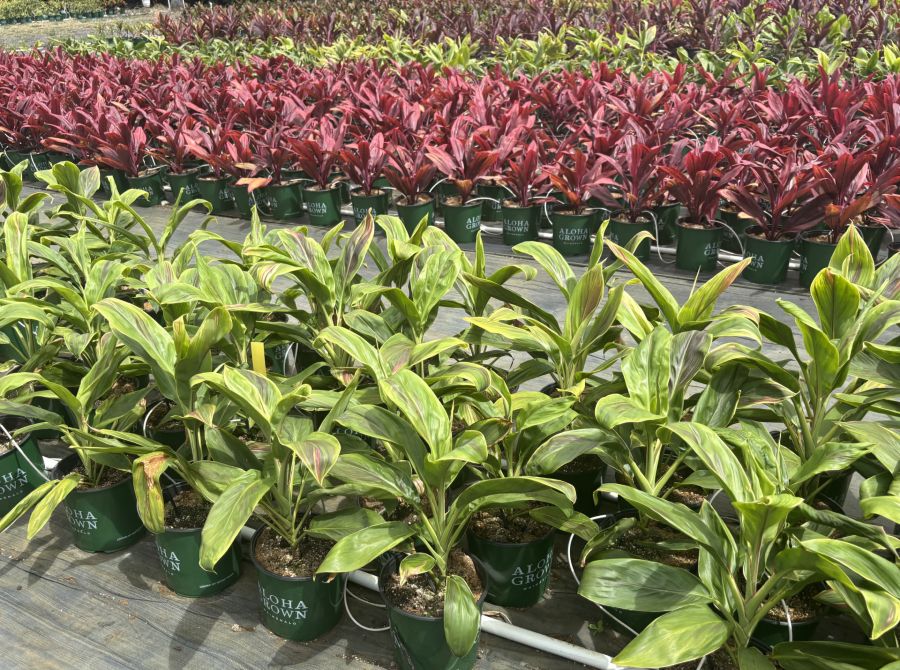
Aloha Grown
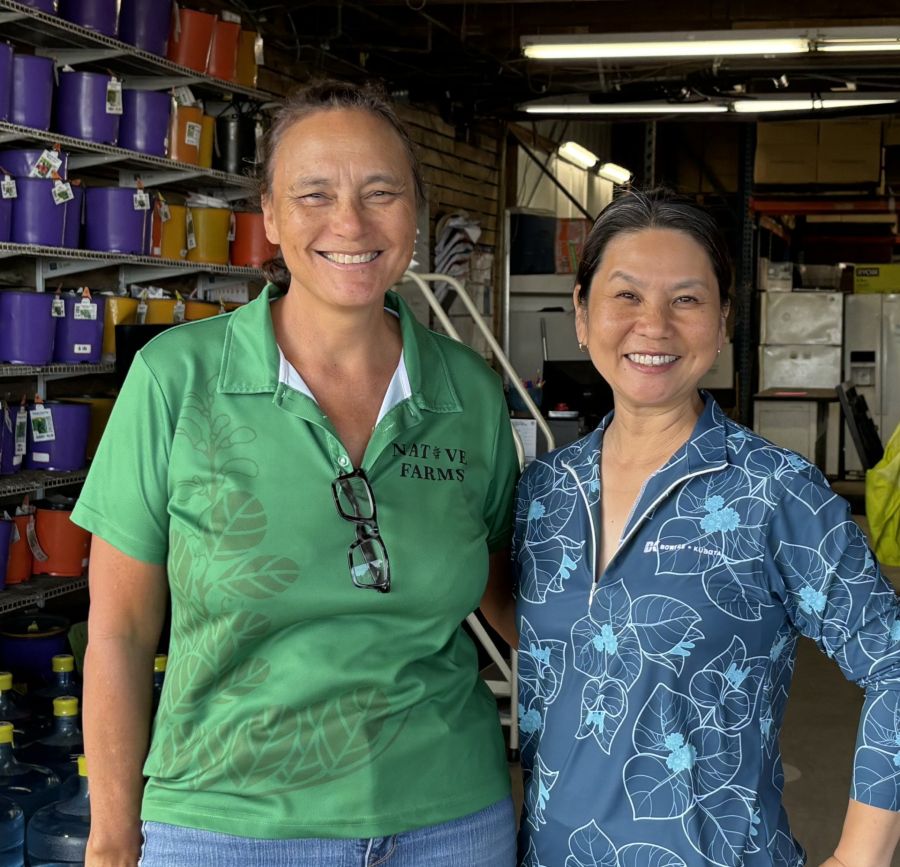
Layla Dedrick of Native Farms and Tomoko Naka of Bowers Kubota
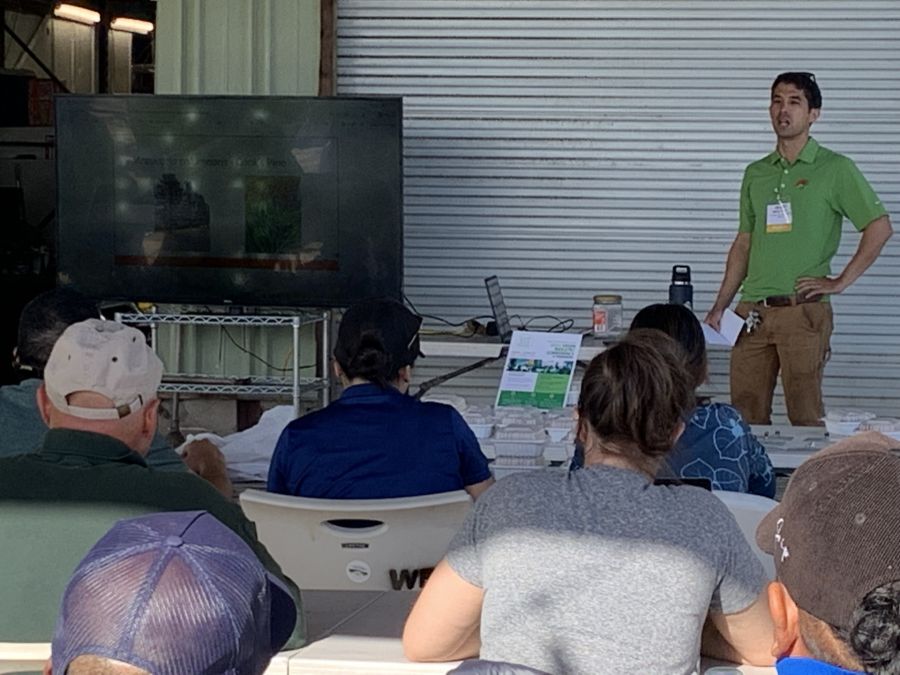
Mark Fukui of Contemporary Landscaping
Pacific Pipe Maui bids Aloha to LONG TIME TEAM MEMBER
Pacific Pipe celebrated the 10th Anniversary of their Maui location on July 10, 2026. This milestone was made even more special as they honored the retirement of longtime team member Jim Kinney.
For more than two decades, Jim has been a familiar face in Hawaii's landscaping and irrigation industry. Beginning his career with HISCO in 2003, then serving at Diamond Head Sprinkler, Jim finished his remarkable career with Pacific Pipe, where he spent the past 11 years building lasting relationships with customers and colleagues alike.
During the celebration, many learned something new about Jim. For instance, before entering the irrigation industry, Jim was a professional drummer and even opened a show for Kenny Loggins early in his music career.
Jim, mahalo for your years of dedication, your friendship, and the positive impact you've made on our team and the industry. We wish you and your family nothing but happiness as you begin this next chapter in Tennessee.
Although... we have to ask, 'Is retirement really in the cards, or will Jim be dusting off the drumsticks and getting the band back together?'
Congratulations on a well-earned retirement, Jim—you'll always be part of the Hawaii Landscaping ʻohana!
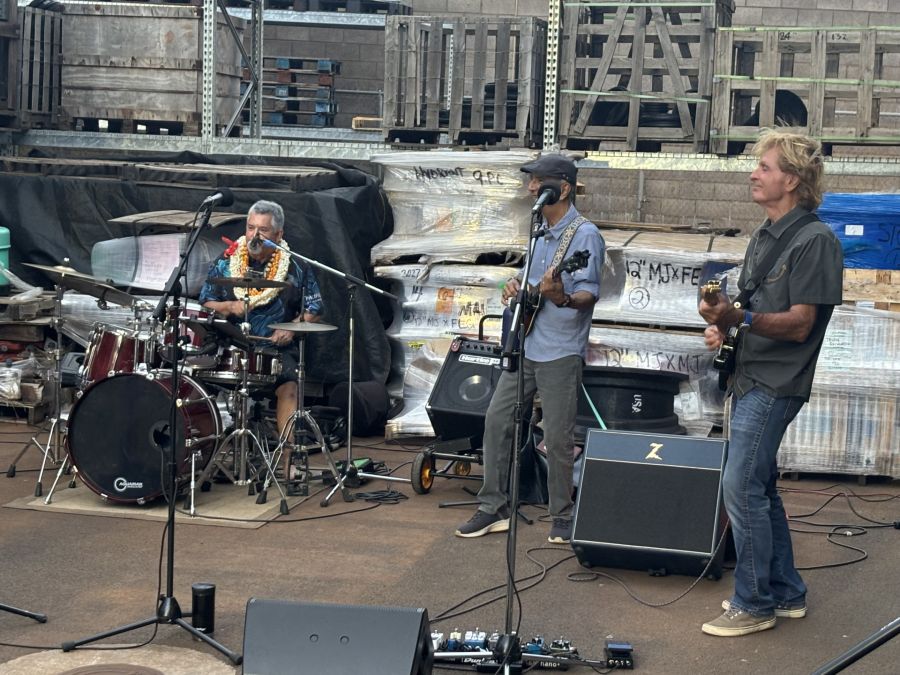
Jim Kinney and the band surrounded by Irrigation Supplies
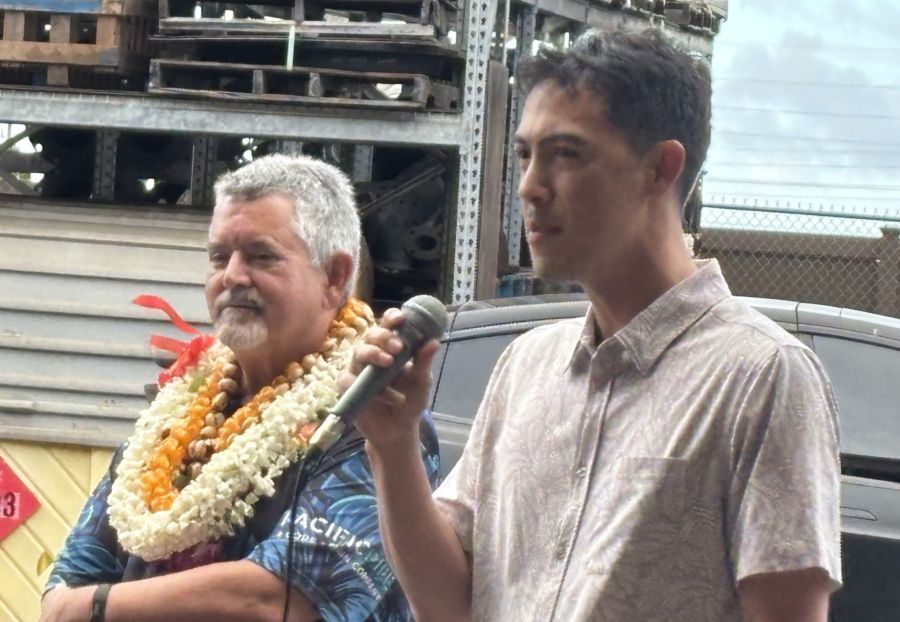
Branch Manager John Takitani giving farewell speech to Jim Kinney

Conference News
We are pleased to announce that Christine Camp, President and CEO of Avalon Group, will serve as the keynote speaker at the Green Industry Conference on October 15. As the founder of Avalon Group, a Hawaiʻi-based real estate development, investment, and services company, Christine has built a career around creating stronger communities and advancing projects that support how people live, work, learn, and gather.
Christine is an excellent choice for this year’s keynote because she brings a practical, business-minded perspective on growth, leadership, and community investment. Her work across residential, commercial, industrial, and community-focused development gives her a broad understanding of the built environment and the partnerships needed to shape it. For green industry professionals, her keynote offers a valuable opportunity to hear from a proven Hawaiʻi business leader whose work connects land use, community needs, and long-term economic vitality.
Join us on October 15 for a day of learning, connection, and industry collaboration. Register
