In this issue
Hannah Lutgen
Alberto Ricordi
#79 Invasives & Edible Landscapes (July / August) 
Management of Banana Growing in the Landscape
By: Alberto Ricordi and Amjad Ahmad
Banana (Musa spp.) is one of the most common fruit producing plants in managed landscapes in Hawaii. The plants are frequently found in residential and institutional properties, such as school gardens. Botanically speaking, banana is a large herbaceous plant in the Musaceae family, and not a tree, although it is commonly referred to as “banana tree”. One of the main challenges for landscapers dealing with banana is the maintenance of the clump or banana mat (the bunch of banana plants from the same corm) including suckers, keiki and dead leaves to prevent the development of disease, particularly banana bunchy top virus (BBTV).
Roles in landscape design
Fruit Production
Banana is most commonly used in landscapes for its edible fruits or as part of a tropical landscape design. It bears fruit in one to two years after planting, is readily available in local nurseries, and is relatively easy to eradicate if needed with the appropriate tools. It requires full to partial sun, a consistent water supply for good production but tolerates drought. It’s also very versatile when it comes to soil conditions, however, it grows better in soils high in organic matter and low wind conditions.
Wind break, visual screen, and border plantings
Bananas may be used as windbreaks and border plants (Figure 1). However, unmanaged banana mats can lead to pest and diseases, which will be discussed in more details below.
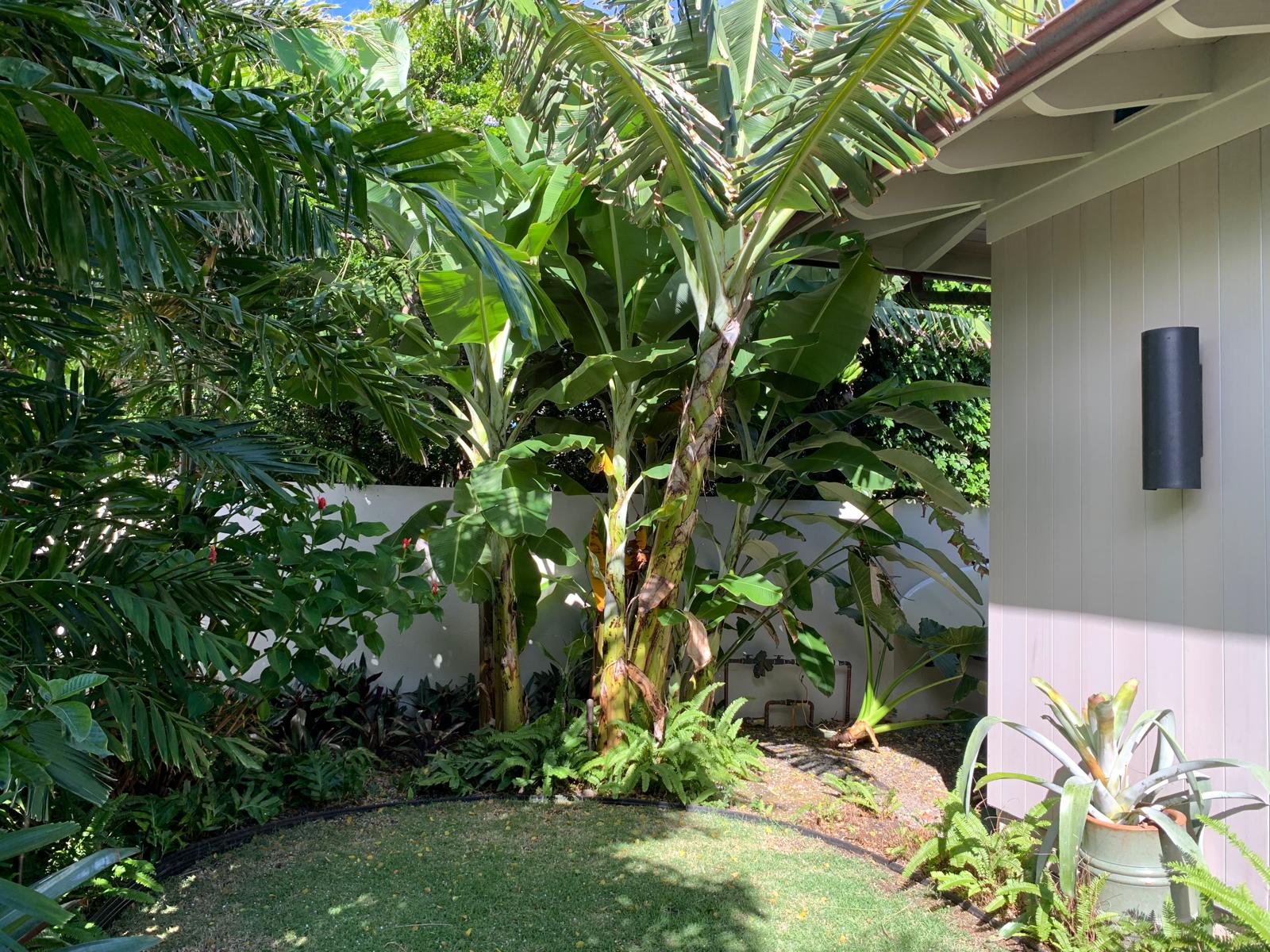
Figure 1. Banana used as an accent plant in a residential landscape. Note that one of the stems is touching the roof, which is a cause of concern for pest control. In this case, the banana bunch was harvested but the stem was not removed. Photo: Alberto Ricordi
Accent or Shade
Banana plants can be quite attractive in a tropical landscape as an accent in the garden, especially in small to medium-sized residential gardens. They can also be planted in groupings in larger landscapes. Banana mats can provide shade, however, the location and amount of shade is not consistent since fruiting stems are removed or left to die off after harvesting (Figure 2).
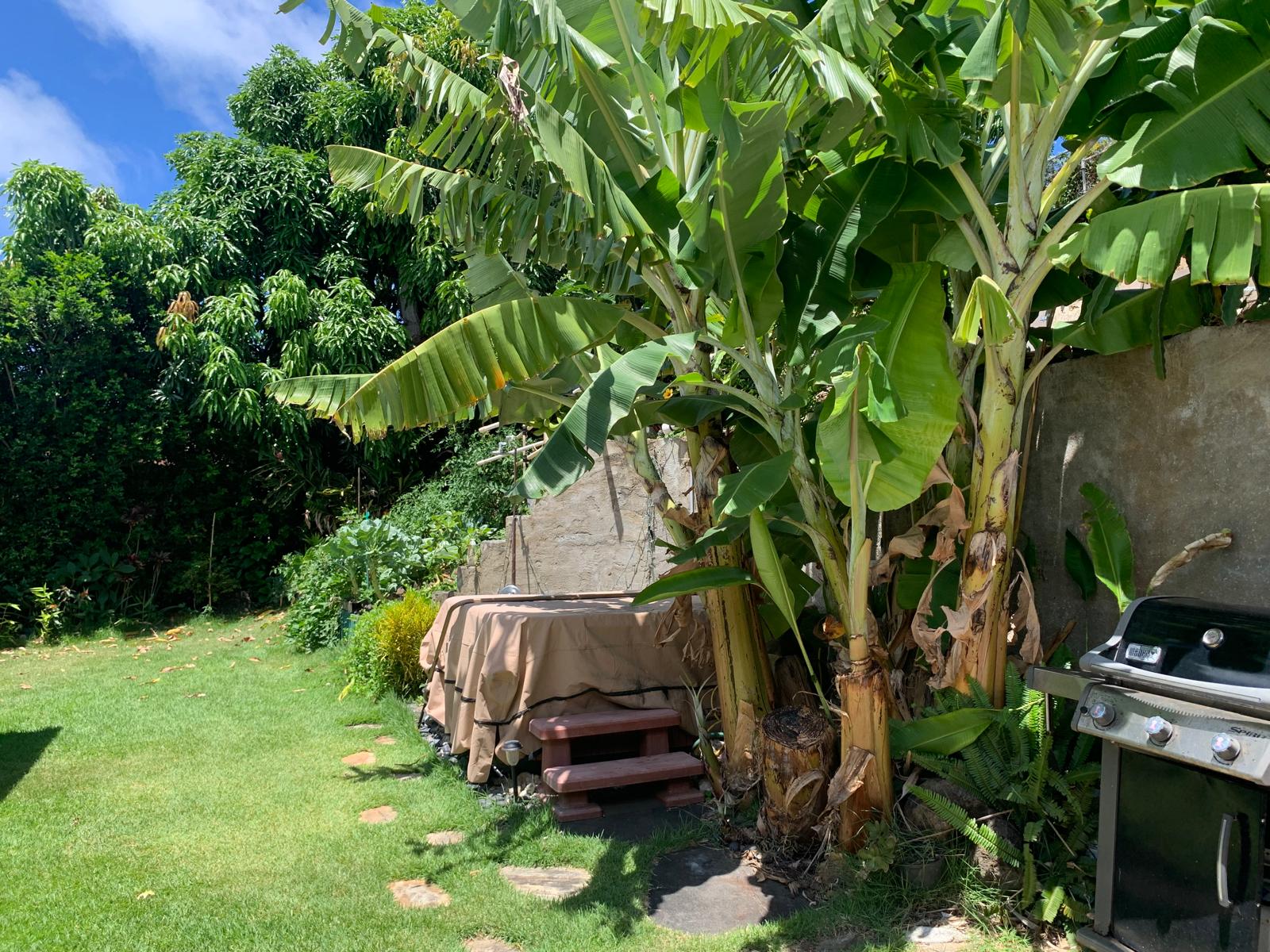
Figure 2. Banana used as an accent plant in a residential landscape, to also provide shade to the adjacent hot tub. Note that one of the stems, in the foreground, “re-sprouted”. Photo: Alberto Ricordi
Maintenance of the banana clump/mat
It is very important to trim the clump consistently. The rule of thumb is to keep three stalks: grandmother, mother, keiki (Figure 3). Once the grandmother stalk fruits are harvested, it should be removed, and a new keiki should be allowed to grow. Pay attention to the direction of the keiki. Remove keiki that does not grow in the desirable direction and to keep relatively consistent distance between banana mats. If properly removed, keikis can be replanted to start new banana plants.
Keiki should be removed from the base and preferably with some roots (Figure 4). They will continue to grow if the meristem (growing tip) is left attached to the mother plant. Re-grown stems from improperly cut stems or keiki tend to be weaker and produce smaller bunches.
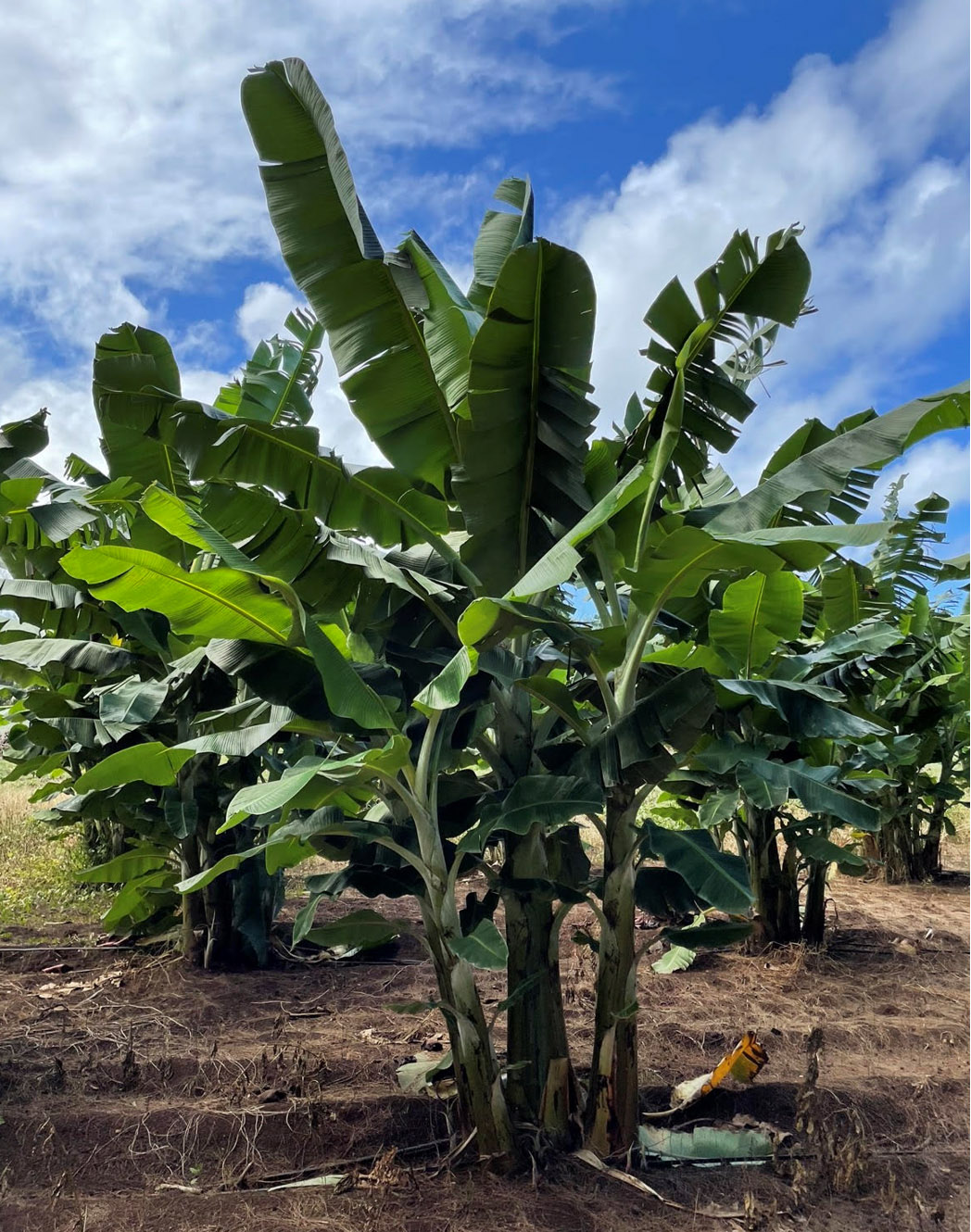
Figure 3. A managed banana clump in a farm with the 3-stem practice: grandmother, mother and keiki. Photo: Amjad Ahmad
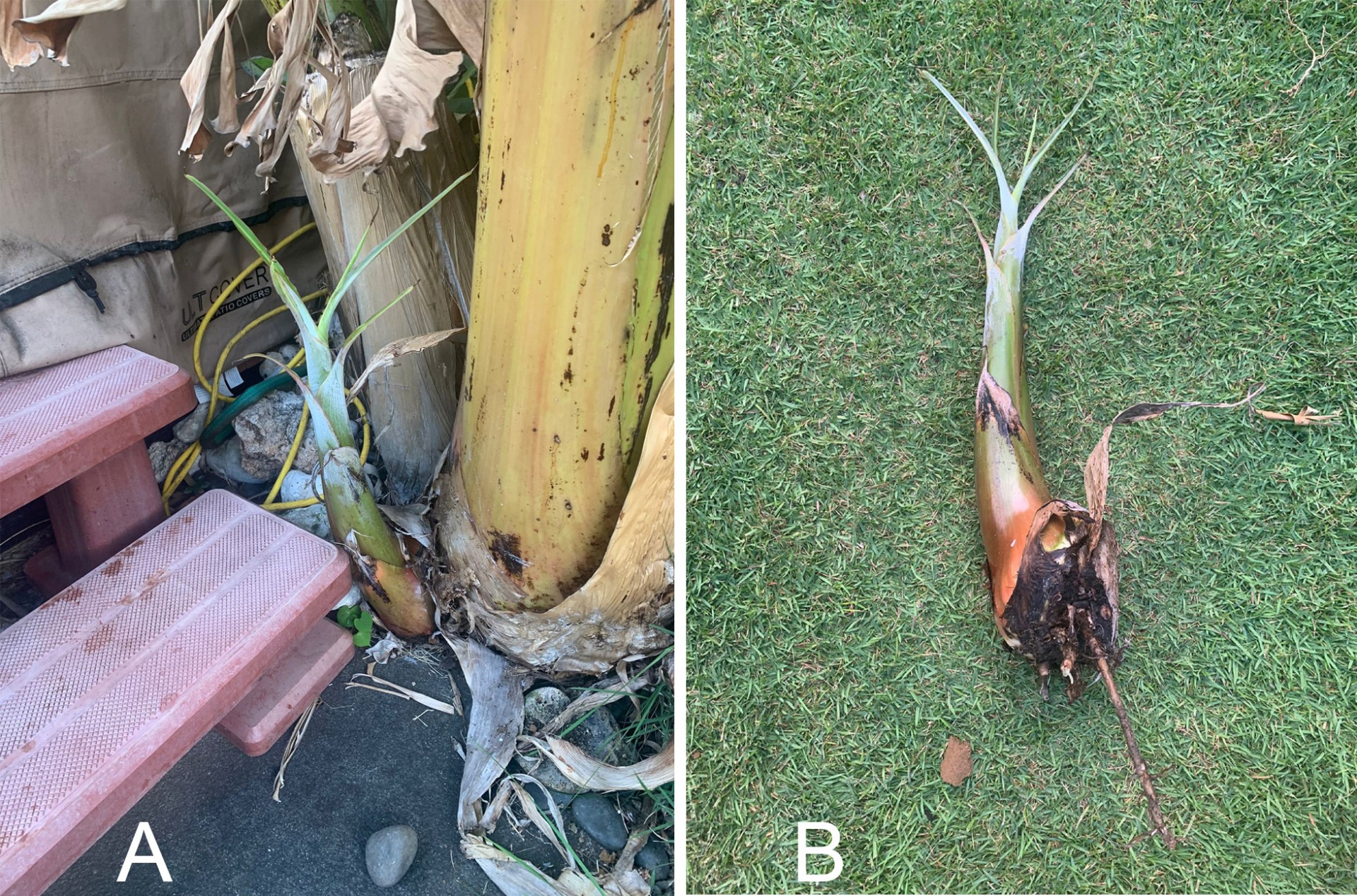
Figure 4. How to properly remove keiki to allow propagation and prevent re-growth of the stem from the clump. This keiki was selected for removal because it was growing towards the hot tub steps, which would block access to the hot tub or cause damage to the steps or equipment if left unattended (A, left). Note that the keiki was removed with roots attached to it (B, right). A spade shovel or o'o bar with a flat end (Truper Bar-Post Hole Digger/Tamping Bar) are good tools for keiki removal for propagation. Photos: Alberto Ricordi
Banana Bunchy Top Virus (BBTV)
BBTV is a plant pathogenic virus of the family Nanoviridae known for infecting banana plants and other crops. The virus is transmitted by the banana aphid (Pentalonia nigronervosa) and is also spread through infected planting material, such as keiki removed from infected corms. Therefore, pest control and use of clean starting material are very important (Figure 5).
For a more in-depth look at Banana Bunchy Top Virus, reference our previous article published in the July/August 2022 issue.
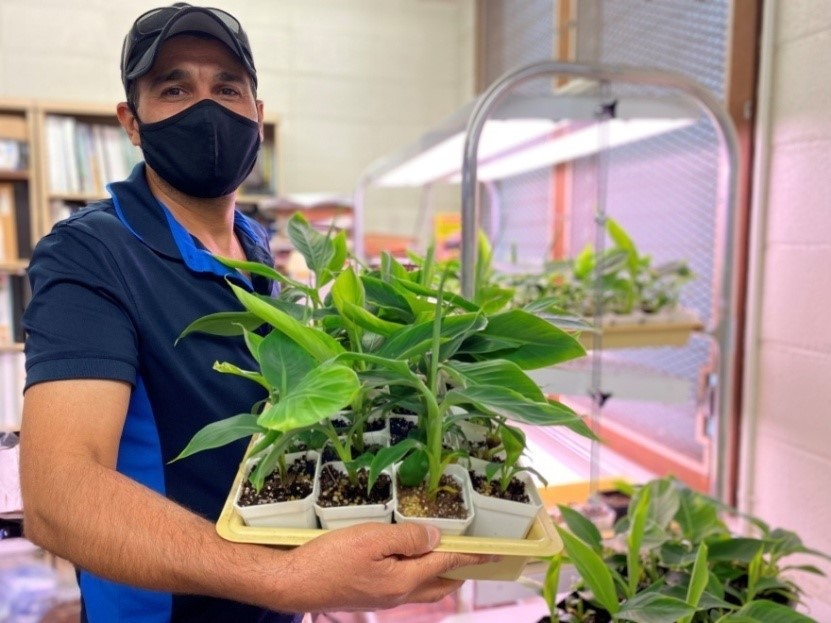
Figure 5. Dr. Amjad Ahmad with virus free banana plantlets propagated via tissue culture. Source: CTAHR 2023 Extension Award
Once infected, plants do not recover, which shows the importance of preventive measures. Infected banana keiki may take up to 3 months (based on variety) to show infection symptoms (Figure 6). The typical symptoms of BBTV are very distinctive and readily distinguished from those caused by other viruses of banana.
The most distinctive symptoms of BBTV are:
- Infected plants exhibit a rosetted or ‘bunchy top’ appearance (thus the name of the disease);
- Yellowing and curling of leaf margins on BBTV-infected banana;
- Stunted plants arising from infected suckers, and
- Dark green 'dot-dash' patterns in minor leaf veins forming 'hooks' where they enter the edge of the midrib.
As mentioned before, there is no cure for BBTV. Infected plants should be completely removed and clean plant material should be planted. The longer an infected plant is left in an area before removal, the longer will be needed to replant banana in the same area due to the concentration of the infection in that area. Here are some methods to test for BBTV and properly remove infected plants:
1. If an infection is suspected, a BBTV testing kit would confirm the visual diagnosis (example of BBTV testing). However, this kit requires additional tools and is not suitable for individuals. Seeking a laboratory with testing capacity would be more suitable. Field scouting and testing suspected plants is very important, prior to using them for propagation (macro- and micro-propagation techniques) to ensure all propagated plant materials are disease-free.
2. Removal of infected plants: remove all parts of the plant, including the corm, to prevent new shoots from growing. Any keiki from an infected corm will most likely be infected too. Glyphosate may be used to kill plants via trunk injection using at the rate of 1ml of Roundup per 2 inches diameter of the banana pseudostem (trunk);
More information on BBTV is available in this CTAHR website.
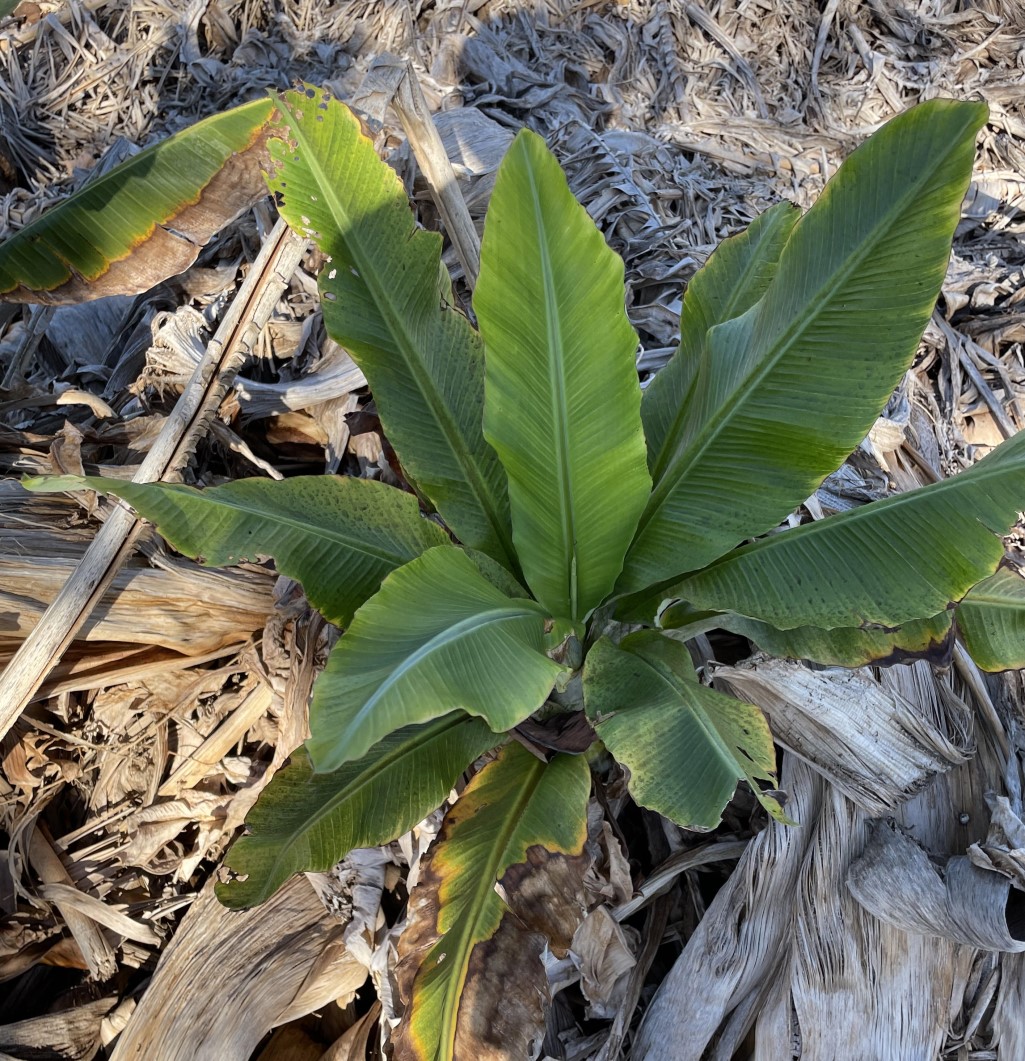
Figure 6. Symptoms of bunchy top: bunchy growth, yellowing and curling leaf margins, and stunted growth. Photo: Amjad Ahmad
Pest control – (Conventional & Organic)
The use of crop protection chemicals may help to prevent and delay BBTV infection in a field setting. The banana aphid (Pentalonia nigronervosa) is the insect vector for BBTV. The use of crop protection chemicals (synthetic or organic) in a rotation of at least 3 products, will prevent the banana aphid from developing resistance to the chemicals, allow chemicals to be used over a longer duration of time, and reduce the chance of reaching the maximum allowed rate or applications of each product. Keep in mind, the label is the law, and application of any chemicals has to follow the approved rates and number of applications per growing season. For banana this would translate to one application per year.
Table 1 Pesticides’ active ingredients with products approved for management of aphids on banana fields and in the landscape. Plants which exhibit signs of BBTV should be removed immediately and destroyed (as there is no cure if plants become infected with the virus. Banana keiki may take over a month to show symptoms). Consult your local extension agent for BBTV symptoms verification. Only clean, disease-free plantlets should be used for re-planting (propagation).
|
|
IRAC Group |
Active Ingredients (a.i.) |
|
CONVENTIONAL |
4A |
Imidacloprid |
|
4D |
Flupyradifurone |
|
|
23 |
Spirotetramat |
|
|
3A |
Pyrethrins+Piperonyl |
|
|
3A |
Pyrethrins |
|
|
ORGANIC |
N/A |
Potassium salts of fatty acids |
|
UN |
Azadirachtin |
|
|
3A |
Pyrethrins |
|
|
UNE |
Neem oil |
Disclaimer: Mention of a trademark or proprietary name does not constitute an endorsement, guarantee, or warranty by the University of Hawaii Cooperative Extension Service or its employees and does not imply recommendation to the exclusion of other suitable products. Pesticide use is governed by state and federal regulations. Read the pesticide label to be sure that the intended use is included on it and follow all label directions.
Fertilizing
Banana is a rapid grower and a heavy feeder. It is very demanding of potassium. Fertilizer needs vary by soil and cultivar; however, an example of general recommendation is: one-fourth pound of 16–16-16 synthetic fertilizer, preferably in the slow-release form, or a half-pound of Sustaine 8-2-4 organic fertilizer, per year. Boron deficiency could show symptoms similar to banana bunchy top infection. A soil and tissue analysis are recommended for large plantings to identify issues related to nutrition. In high rainfall areas, you may want to consider splitting the application of fertilizer to avoid the risk of leaching nutrients. Consult your local extension agent for assistance with soil analysis and management of soil health.
The banana heart: Cut or not?
One of the most frequent questions regarding banana growing in residential areas is if the purple heart at the end of the bunch should be cut. That section of the bunch is actually a part of the banana inflorescence. Once the fruits start to set that part of the flower is not needed anymore. Therefore, the heart can be cut to reduce debris and keep the landscape cleaner, as sections of the flower may drop until the bunch is ready to harvest.
The banana heart can be used in cooking and baking. Another popular reason for cutting the heart is to claim the bunch. If someone cut that section, it means the bunch is claimed and “not for grabs” (Figure 7).
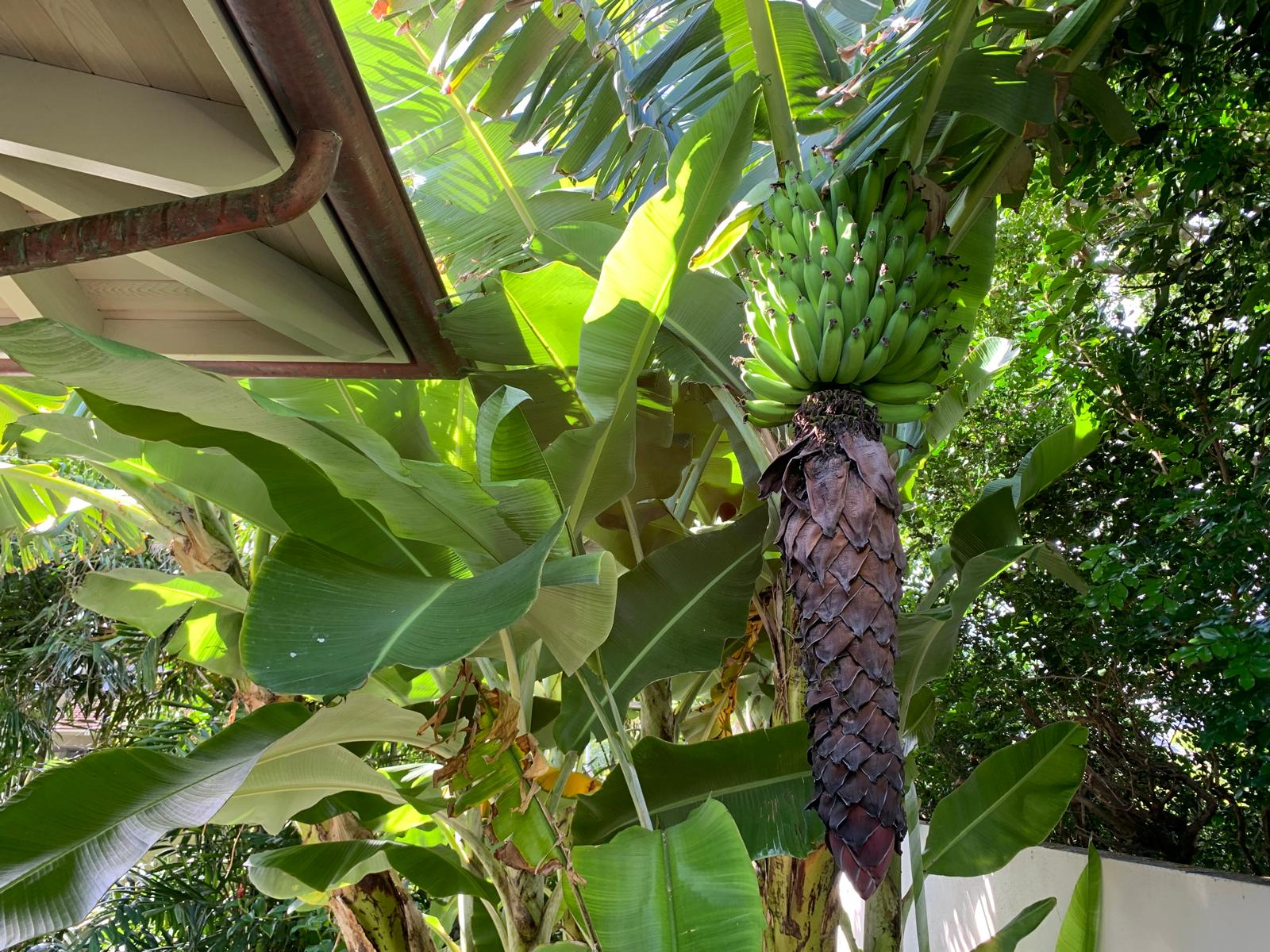
Figure 7. Banana bunch with the entire section of the heart. The brown and purple section of the inflorescence, beyond the fruits, can be removed for easier management and to “claim” the bunch. The purple heart can be used for cooking and baking. Photo: Alberto Ricordi
Disclaimer: Mention of a trademark or proprietary name does not constitute an endorsement, guarantee, or warranty by the University of Hawaii Cooperative Extension Service or its employees and does not imply recommendation to the exclusion of other suitable products. Pesticide use is governed by state and federal regulations. Read the pesticide label to be sure that the intended use is included on it and follow all label directions.
References:
Amhad, Amjad, 2022. A Short Guide to the Diagnosis, Control & Prevention of Banana Bunchy Top Virus (BBTV), LICH Magazine July/August 2022.
Banana Bunchy Top Virus, College of Tropical Agriculture and Human Resources (website)
Alberto Ricordi, D. Arch. is an Assistant Extension Agent of Ornamentals & Landscape Program at The College of Tropical Agriculture & Human Resources, University of Hawaii at Manoa. Amjad A. Ahmad, Ph.D. is an Associate Extension Agent of Sustainable and Organic Agriculture Program at The College of Tropical Agriculture & Human Resources, University of Hawaii at Manoa.
Avocado Lace Bug Management
By: Hannah Lutgen and Rosemary Gutierrez-Coarite
The Avocado lace bug, Pseudacysta perseae (Heidemann), is a new invasive pest of avocado in Hawaii. It has been found attacking avocado trees on multiple islands since December 2019.
Description and Life Cycle
Adult avocado lace bugs measure about 2 mm in length, their body is black with yellow legs, wings, and antennae. The eggs are often covered with black, tar-like globs of excrement. After about 5 molts, nymphs mature into adults and are visible to the naked eye. All life stages (adults, eggs and nymphs) of this pest live in colonies on the underside of avocado leaves. The avocado lace bug completes its life cycle in about 3 weeks during warm weather and it could take several months when temperatures are cool. The avocado lace bug has several generations per year in Hawaii.
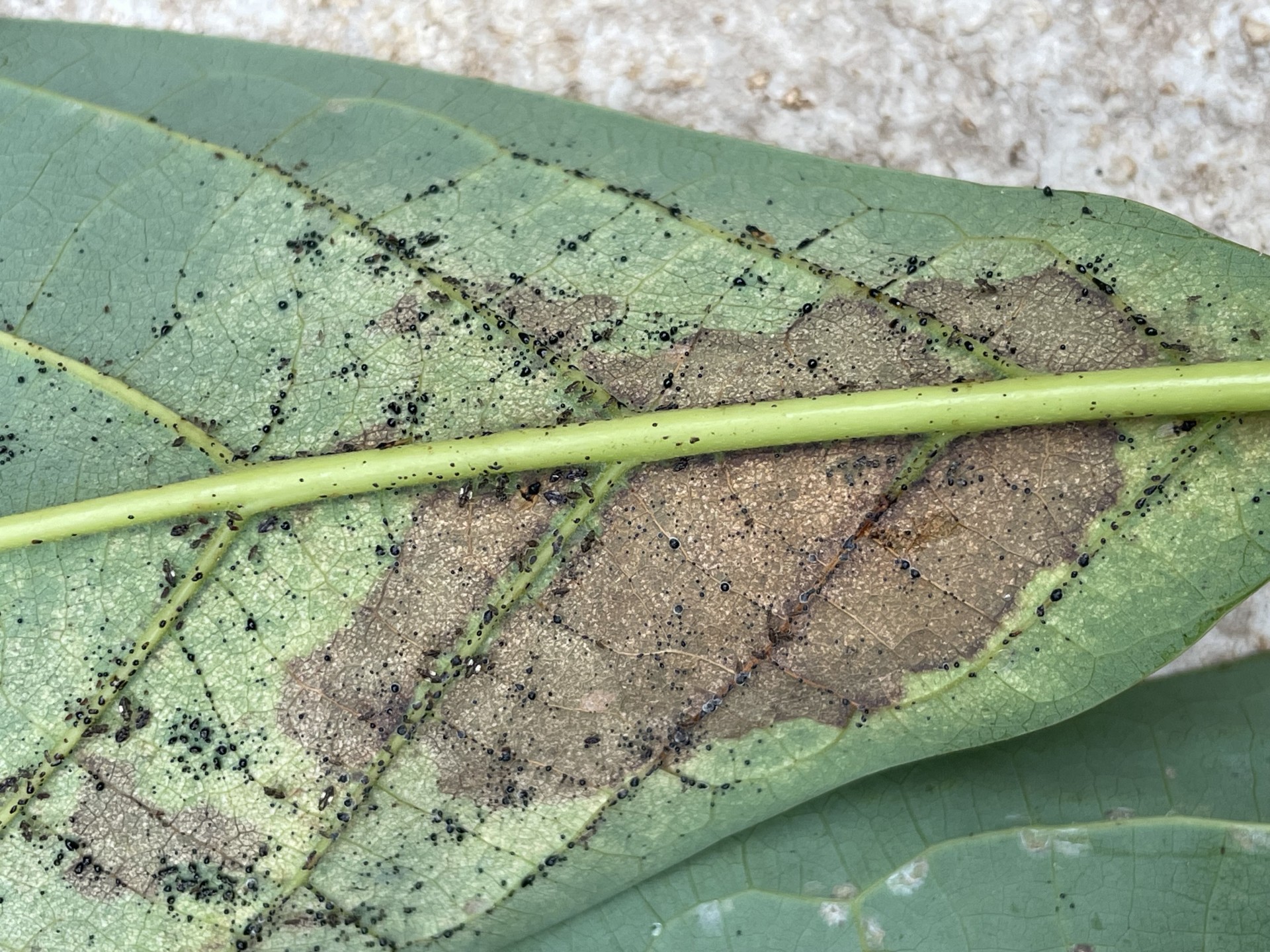
Figure 1. Colonies of avocado lace bug on the underside of the leaf.
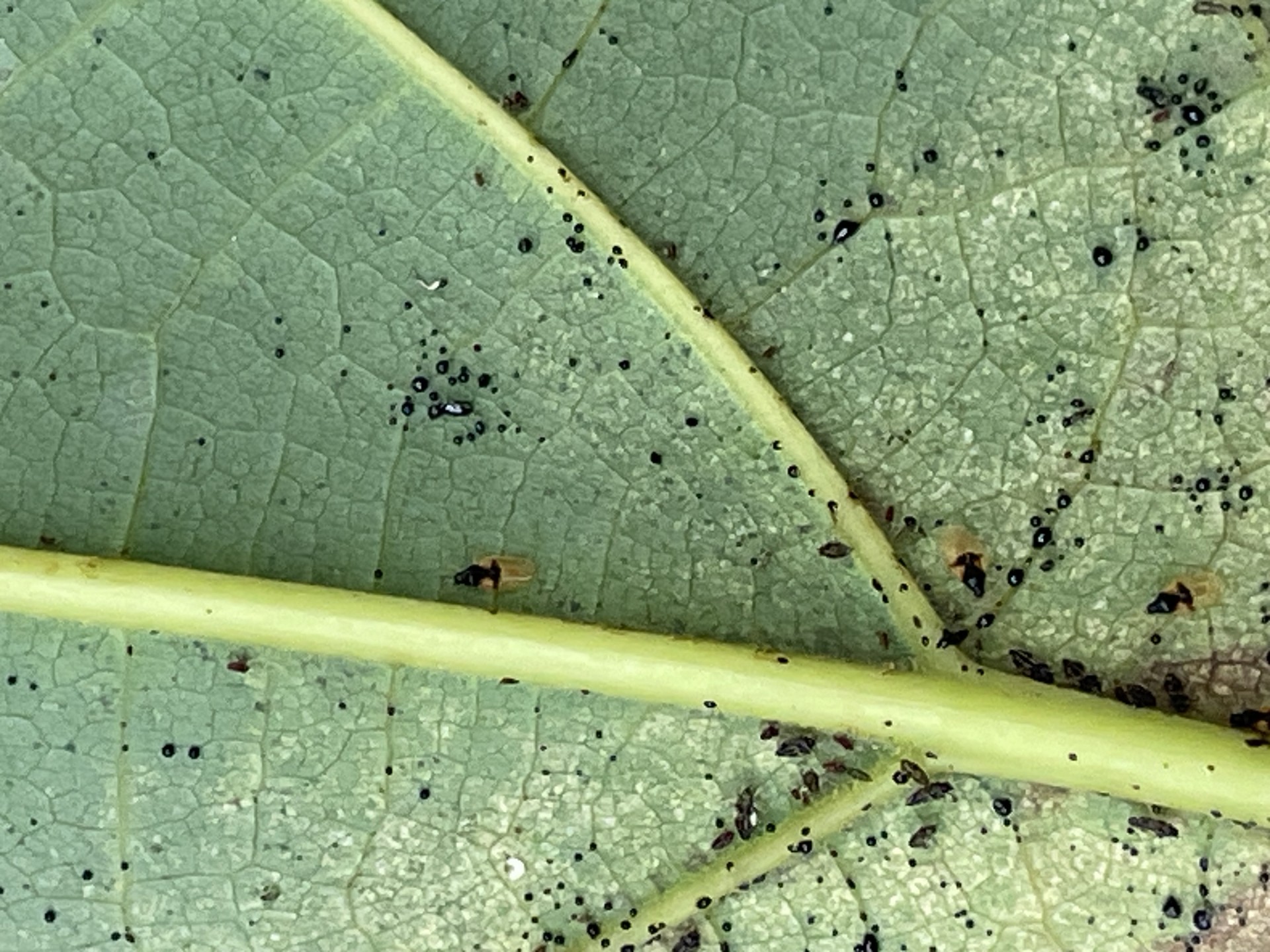
Figure 2. The adult stage of Avocado Lace Bug.
Damage
Avocado lace bugs feed by sucking sap on the underside of leaves. A colony of lace bugs feeding activity causes yellowish blotches on leaf surfaces and highly damaged leaves become dry and drop prematurely. Severe leaf damage results in sunburned limbs and fruits when leaves fall from trees. Tree defoliation may reduce subsequent fruit yields.
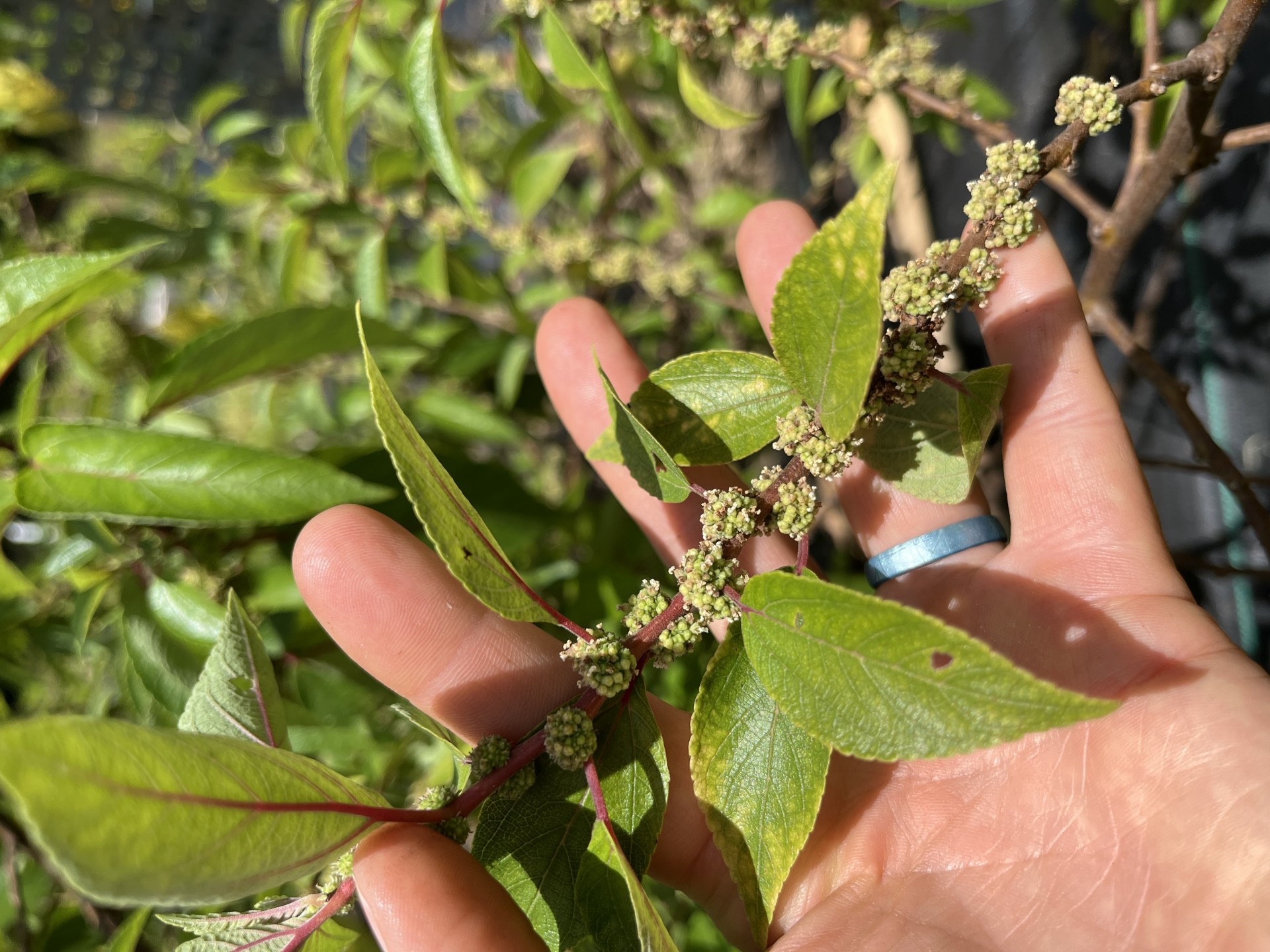
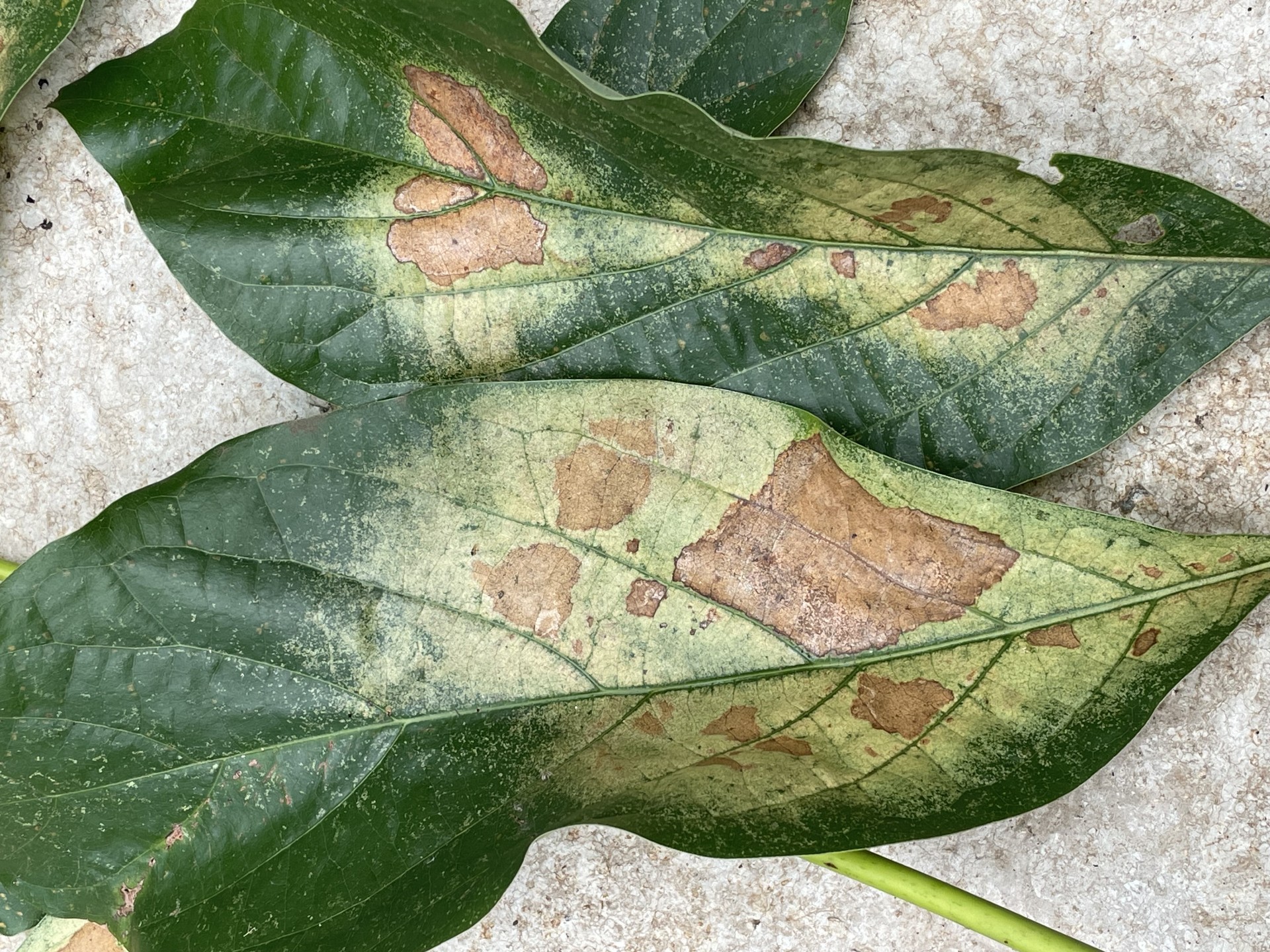
Figure 3-4. Yellow blotches caused by Avocado Lace Bug feeding activity.
Management
Maintaining tree and soil health is essential to boosting a plant's immunity to pests. Providing good soil drainage, maintaining a thick layer of organic matter, and applying appropriate amounts of irrigation will keep avocado trees healthy.
A rotation of different pesticides may treat high infestations of avocado lace bugs. Conventional insecticides recommended to control this pest are Admire Pro, Sivanto Prime, and Malathion. The organic insecticides are Pyganic, insecticidal soap, azadirachtin, and Ecotec. These organic and conventional insecticides are effective and can be used in a rotation, applying contact insecticides every two weeks and systemic insecticides once a month. For more information, please contact your local extension office. Contact insecticides must directly touch the insect to be effective. Systemic insecticides are translocated and move within the plant (commonly used for tall trees where complete foliar applications are not feasible).
Table 1. Pesticides labeled for use on Avocado in the State of Hawaii.
|
Product name or type |
Active ingredient |
Conventional Insecticide |
Organic Insecticide |
Contact or Systemic |
Group |
|
|
Imidacloprid |
X |
|
Systemic |
4A insecticide |
|
Flupyradifurone |
X |
|
Systemic |
4D insecticide |
|
|
Terpene Constituents of the Extract of Chenopodium ambrosioides near ambrosioides |
X Not for residential use |
|
Contact |
|
|
|
Malathion* |
Malathion |
X |
|
Contact |
1B insecticide and more |
|
Pyganic* |
Pyrethrins |
|
X |
Contact |
|
|
Insecticidal *Soaps |
Various |
|
X |
Contact |
|
|
Azadirachtin |
|
X |
Contact |
|
|
|
Rosemary, peppermint oil |
|
X |
Contact |
|
*=may negatively affect beneficial insects, pollinators, aquatic organisms, and water quality.
Disclaimer:
Mention of a trademark or proprietary name does not constitute an endorsement, guarantee, or warranty by the University of Hawai‘i Cooperative Extension Service or its employees and does not imply recommendation to the exclusion of other suitable products. Before applying any pesticide, applicators must determine if the product under consideration is correct for the intended use site. Always read the container/package label to determine if the intended use site is included on the label. READ AND FOLLOW LABEL INSTRUCTIONS BEFORE PURCHASING AND USING ANY PESTICIDE PRODUCT.
Rosemary Gutierrez-Coarite is the Edible Crops Extension Agent in the Department of Tropical Plant and Soil Sciences for Maui County. Her program focuses on integrated pest management, vegetable crop improvement, soil nutrient management, and agricultural best management practices. Her BS degree is in agriculture from Bolivian Catholic University, MS in Horticulture and Ph.D. in Entomology both from South Dakota State University.
Hannah Lutgen, Maui County Landscape and Floriculture Extension Faculty Member, University of Hawai‘i at Mānoa, College of Tropical Agriculture and Human Resources.
Growing Progress: Utilizing Conservation and Community to Manage Albizia Trees
By: Alanna Miyashiro
Hotspots of invasive species are spreading across Oʻahu. It has become apparent that the control of invasives is not only integral to ecological preservation but also to protecting our ways of life in Hawaiʻi and the health and safety of our people. How do we combat what seems like a never-ending list of pests that continue to grow? Conservation organizations cannot do it alone. It will take the collective efforts of organizations, legislators, and members of the public to collaborate on and enact long-lasting, effective solutions.
At the Koʻolau Mountains Watershed Partnership (KMWP), invasive albizia (Falcataria falcata) trees are an imperative target species. The work being done across the partnership demonstrates how united actions can lead to landscape-scale changes. These trees are being cleared one by one in summit regions by their field crew. In low-elevation urban areas, KMWP trains people to identify and eradicate albizia to protect their homes and loved ones.
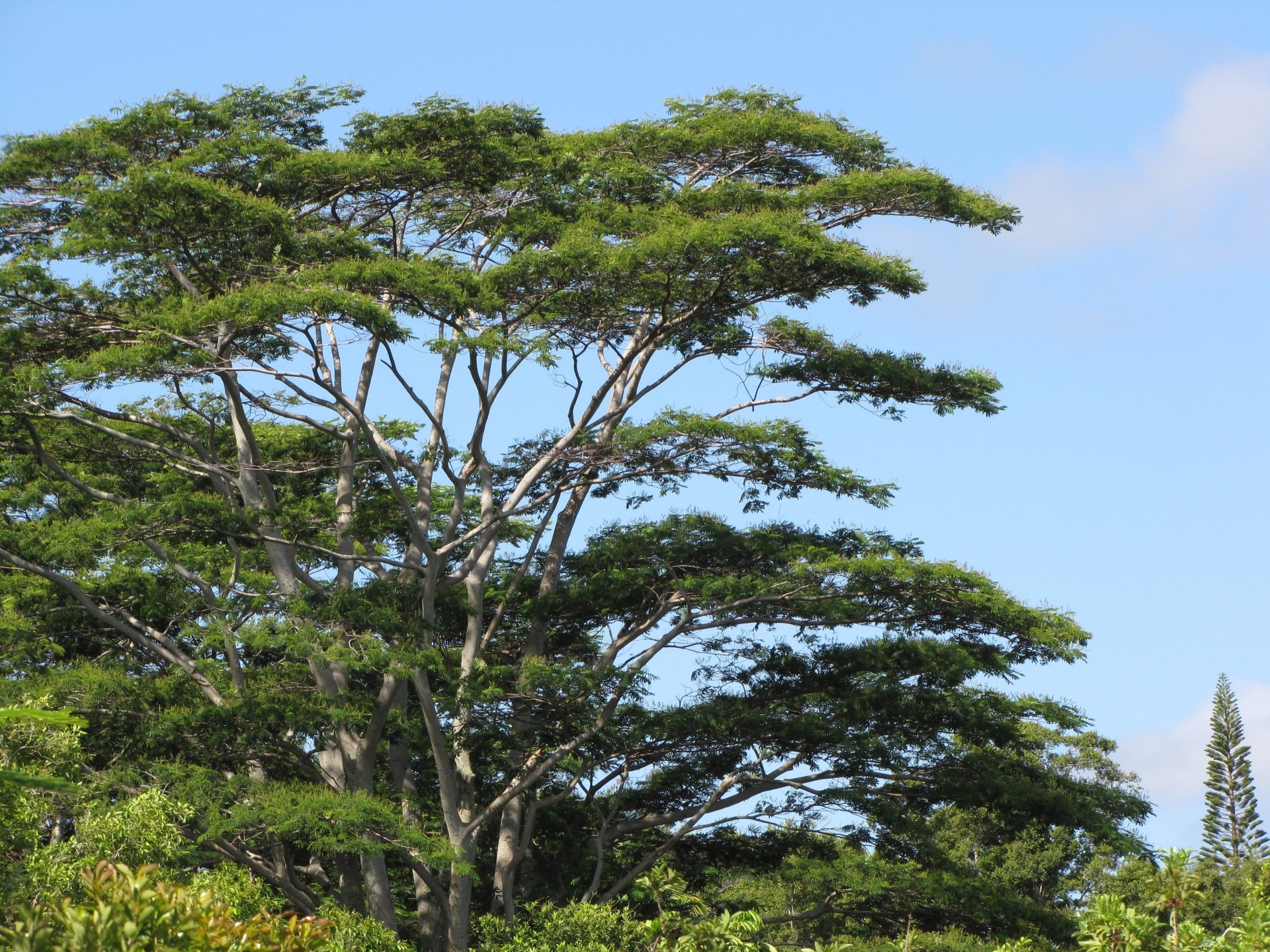
Figure 1. A mature albizia (Falcataria falcata) tree. Photo by Forest & Kim Starr.
Albizia was introduced throughout Hawaiʻi in the early 20th century to reforest degraded watersheds with timber trees. They can be identified through their smooth, grayish bark, flat canopies, and compound leaves. Unfortunately, the timber industry never boomed in the state and the tree was left to spread across the islands. In Hawaiʻi, albizia is considered one of the fastest-growing trees in the world, growing as much as 15 feet in one year and to heights of over 100 feet tall. Due to its fast-growing nature, albizia has a brittle wood structure, making it prone to a phenomenon called “sudden limb shear” or “sudden branch drop.” This means that at any moment, albizia can drop large branches. Entire trees can tip over in high-wind events because of their shallow root systems, making them dangerous when growing over homes and roads. After Tropical Storm Iselle in 2014, large stands of albizia on Hawaiʻi Island blocked major roadways and fell on powerlines and homes, leaving some people without power for over three weeks. Ecologically, this species increases erosion and changes soil chemistry and light levels to allow other invasive plants to grow. Currently, about 20,000 acres of Oʻahu are considered infested with albizia.
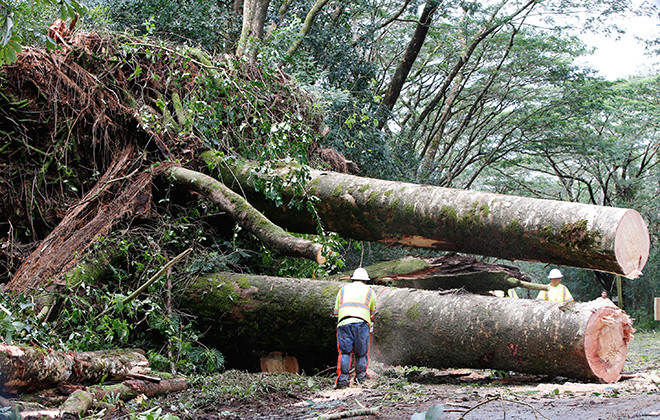
Figure 2. A fallen albizia on Hawaiʻi Island after Tropical Storm Iselle. Photo by Star Advertiser.
For over a decade, albizia has been targeted by KMWP. Their field team controls this species throughout the Koʻolau mountain range. In total, over 11,000 trees have been treated so far. For their operations, the crew utilizes aerial imagery and drone footage. After picking out albizia hotspots, staff will fly by helicopter or hike into an area to individually treat each tree. Through their hard work and perseverance, KMWP has been able to successfully clear entire valleys and declare them “albizia free.” These valleys include Hālawa along the H3 highway, Moanalua, and portions of Waiawa and the State of Hawaiʻi Kaluanui Natural Area Reserve. The most recent success is the clearing of albizia in Waiʻalae Nui in 2023. “By finishing the last albizia in Waiʻalae Nui, it marks a big step in albizia control and management in the Southern Koʻolau. This is the catalyst to fully eradicate albizia south of Waiʻalae Nui,” remarks Jordan Lewis, the KMWP Wildlife Management Specialist. Areas that are deemed free of albizia will be continually monitored for any new regrowth. The field crew will continue with albizia control in areas like Mānoa, Waiheʻe, and Haʻikū. They have plans to expand to Pālolo and Wailupe within the next two years.
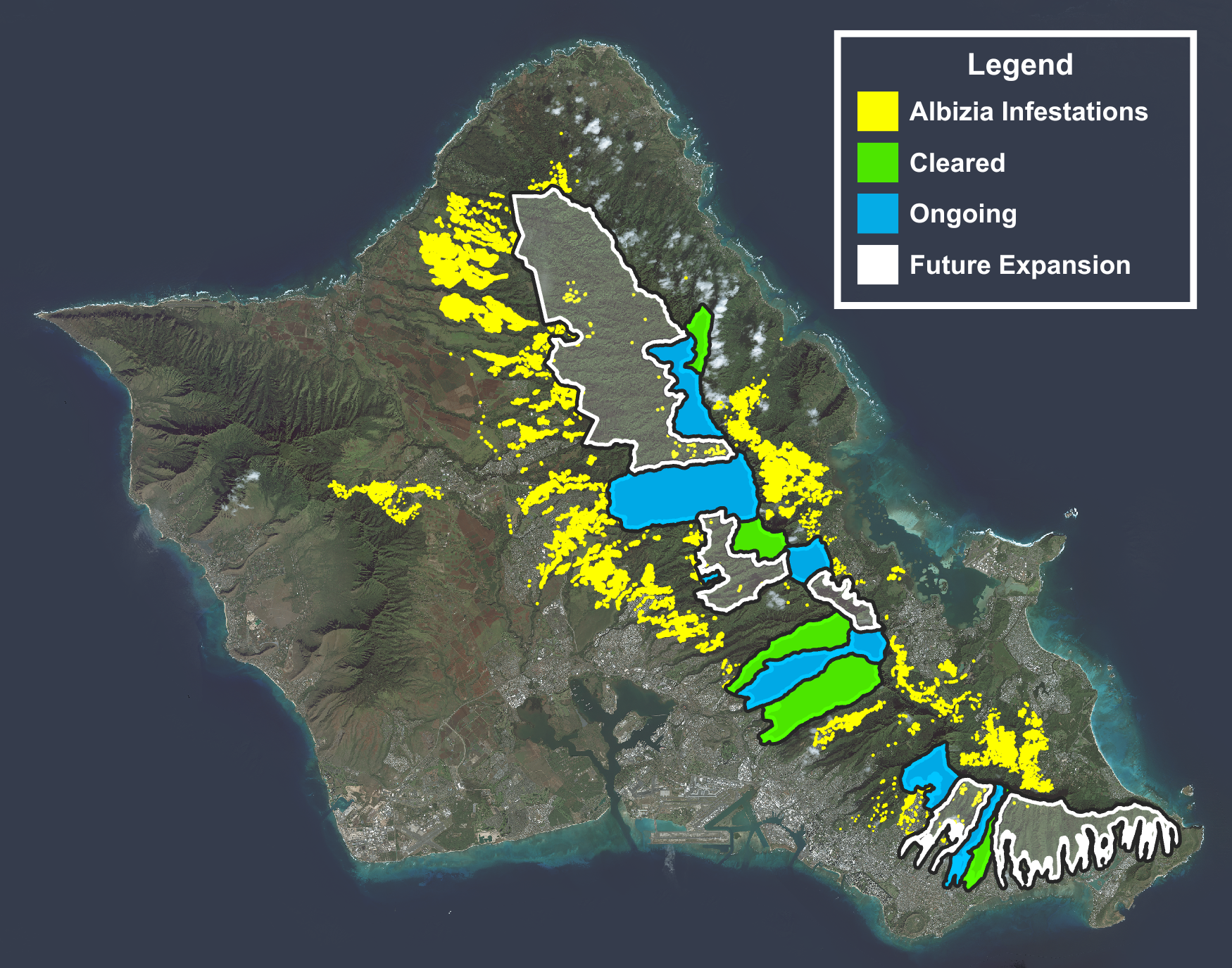
Figure 3. Map of Oʻahu showing current albizia infestations and KMWP albizia operations.
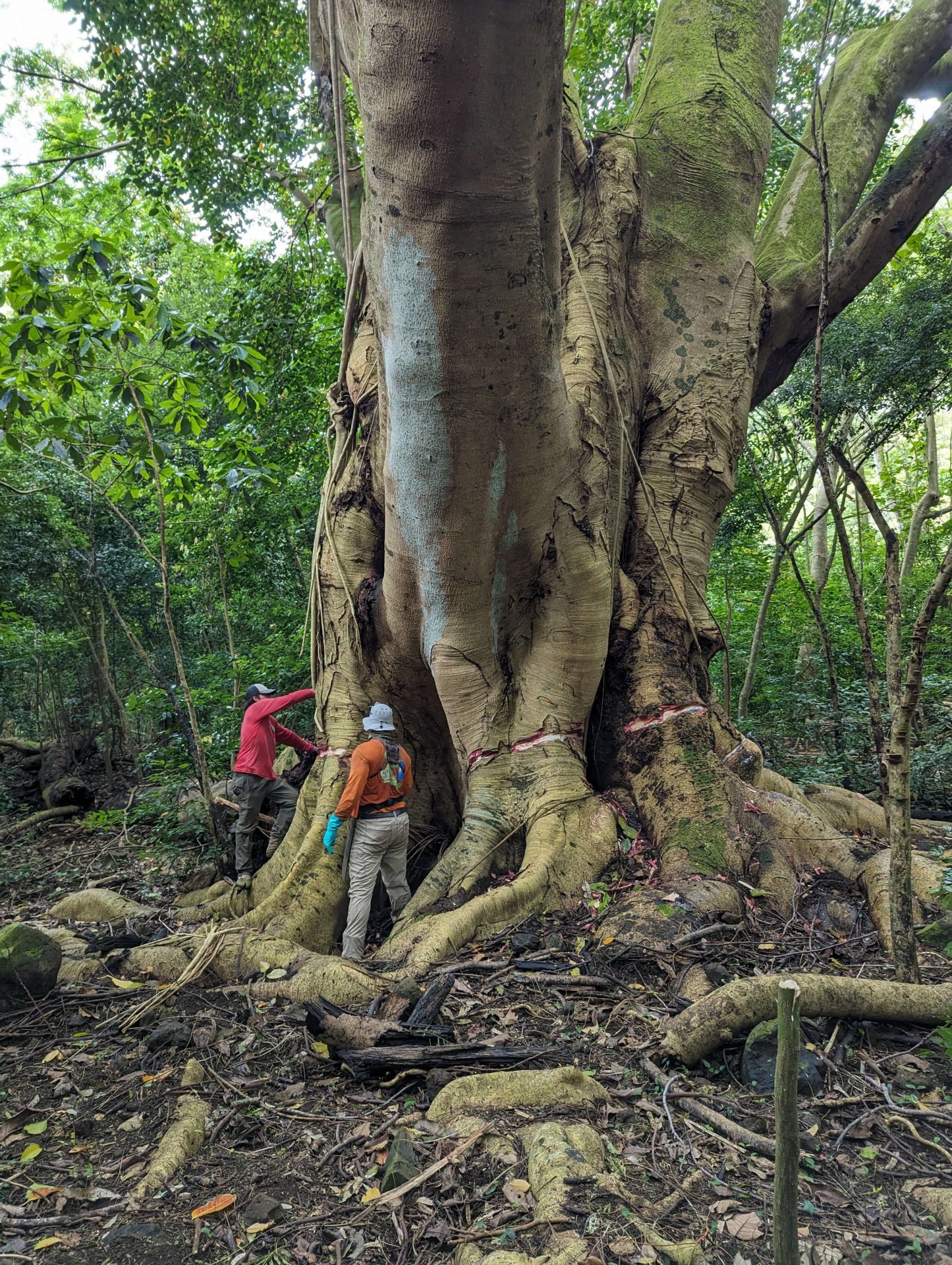
Figure 4. KMWP field crew members treating a large albizia in Waimalu.
The Rapid Albizia Death (RAD) program is KMWP’s outreach component connected to controlling this species. This effort targets “high priority” communities—those with large albizia infestations growing in and around an urban setting. These areas are the most at risk of having hazardous trees and mitigation there can have the greatest positive impact on public safety. Some factors complicate mitigation efforts, for example: contracting an arborist to remove a mature hazard tree can cost upwards of $10,000 or more, making it virtually impossible for any average homeowner to afford. After these areas are identified, informative mass mailers are sent to every home and KMWP collaborates with local legislators and community leaders to host public discussions and workshops. These events are the initial start for creating new RAD groups. They are meant to educate, train, and empower community members on identifying albizia, assessing their hazard levels, and treating non-hazard trees on their properties. These trainings hopefully lead to grassroots movements that are spearheaded by the community itself because they have the tools necessary to organize and advocate.
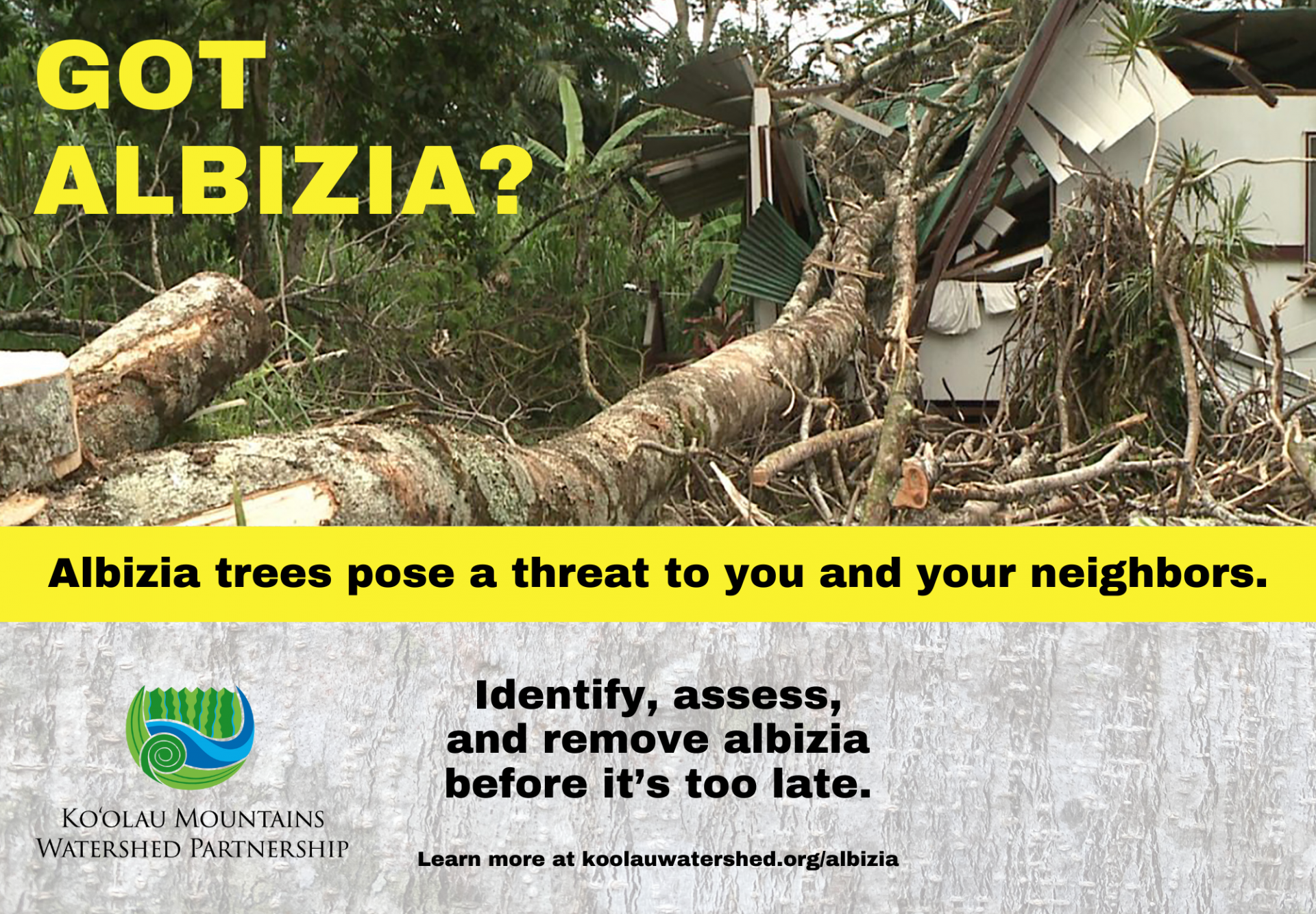
Figure 5. Albizia mass mailer postcard.
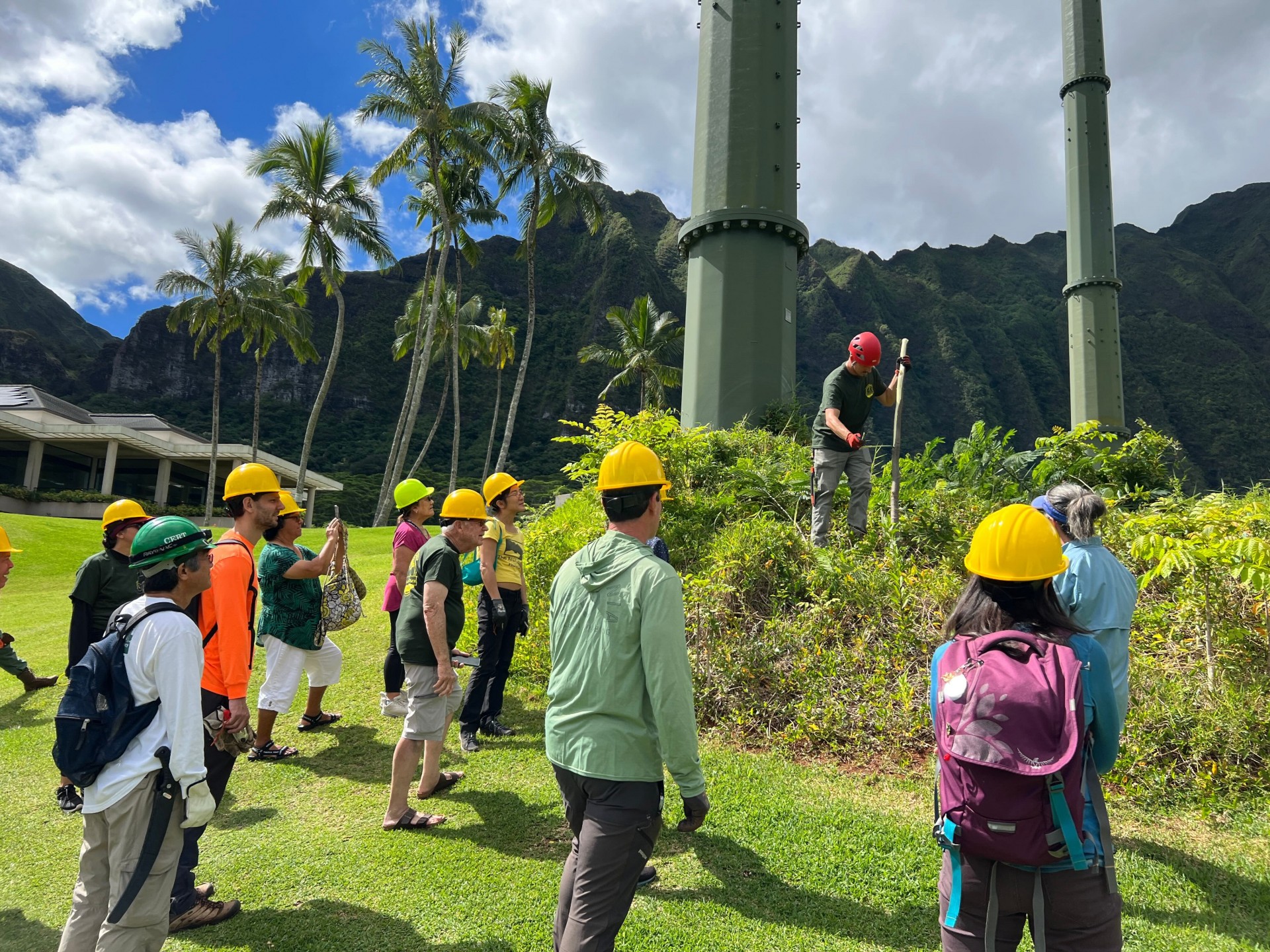
Figure 6. Previous KMWP Manager, JC Watson, demonstrating ring-barking technique on a young tree during an albizia workshop held at First Presbyterian Church 10/23/23.
The initial RAD Hui was first coordinated in Mānoa Valley. Mānoa has one of the largest urban-interfacing populations of albizia and numerous hazardous trees are growing throughout the community. Collaborating with the organization Mālama Mānoa, volunteers survey the length of Mānoa Stream and remove albizia seedlings. To date, over 2,400 albizia seedlings have been removed from the stream, preventing future hazards and saving thousands of dollars in future removal costs for homeowners. In 2025, KMWP and Mālama Mānoa will use State Grant-In-Aid funds to remove hazardous albizia along the stream, protecting homes and preventing future flooding impacts.
In Kāneʻohe, First Presbyterian Church leads a RAD Hui to remove large albizia during their monthly volunteer workdays. This will gradually transform the Koʻolau Ballrooms golf course into a more natural area for recreation, conservation, and research. So far, KMWP has also hosted community albizia events in Heʻeia, Waiāhole, Maunawili, Pālolo, and Kalihi. KMWP is hoping to continue supporting existing RAD efforts and expand into Koʻolauloa.
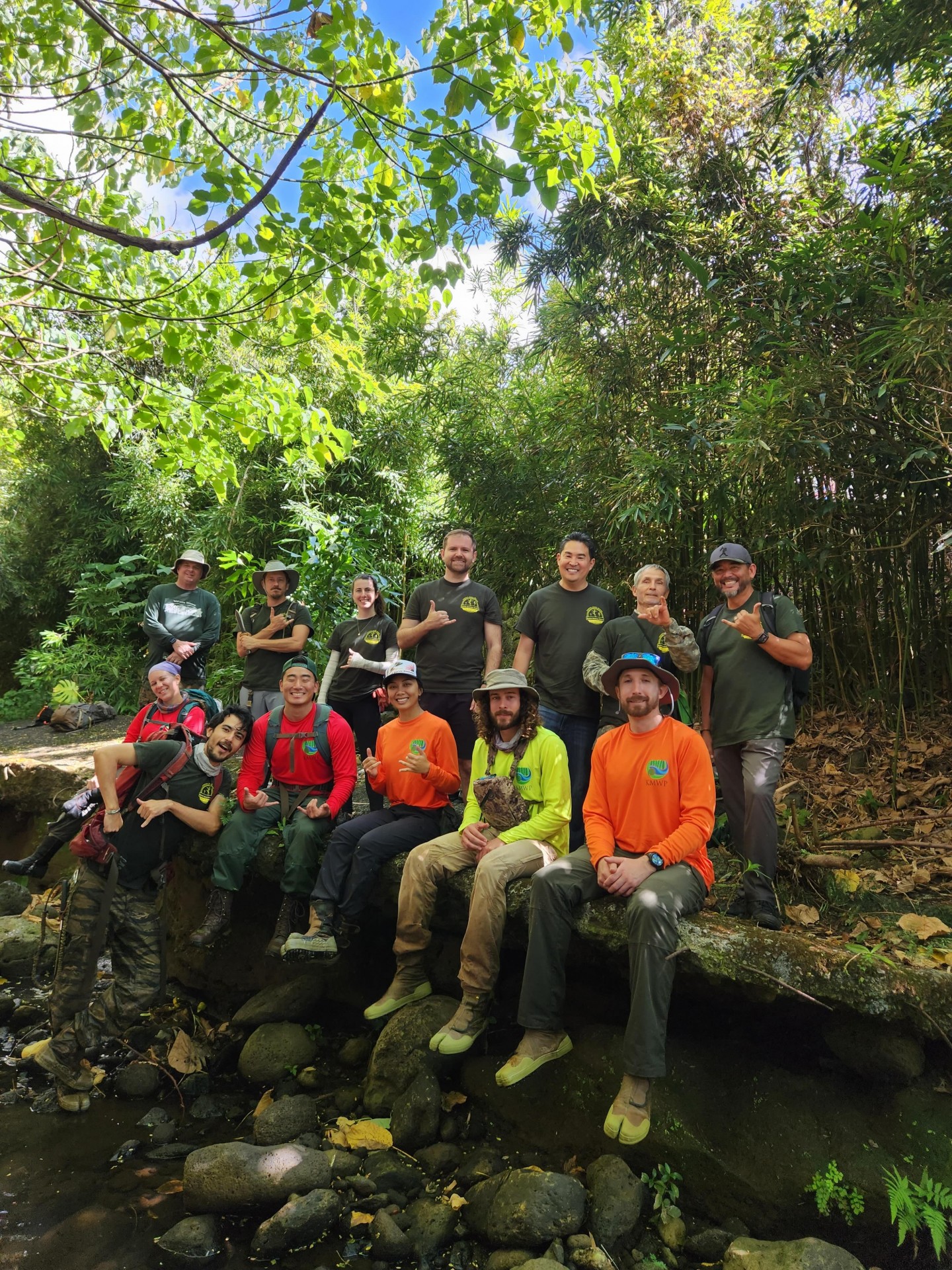
Figure 7. KMWP staff, Mālama Mānoa volunteers, Representative Andrew Garrett, and Representative Scott Matayoshi during the Mānoa Stream survey 11/11/23.
Numerous albizia movements are happening across the state as the topic of invasive species management continues to make headlines. Other organizations like the Albizia Project focus on using this species as a sustainable lumber and woodworking resource, integrating invasive species management as a tool for a more circular economy and reducing the reliance on imported materials. The founders of this organization also started Bizia Surf & Coffee Bar, a cafe and studio in Wahiawā, selling household goods and surfboards made out of this tree. On Hawaiʻi Island, the Big Island Invasive Species Committee (BIISC) coordinates the Albizia Assassins program which provides education, training, and volunteer events. Albizia Assassins served as a blueprint for KMWP’s RAD program.
There is some form of albizia management on almost all of the main Hawaiian Islands. Therefore, the State Wide Albizia Group (SWAG) was formed under the Hawaiʻi Invasive Species Council (HISC). It provides a space where organizations can regularly meet to share developments related to legislation, control techniques, and funding opportunities. Working in partnership, we can leverage our strengths and support one another in times of need, protecting our Hawaiʻi one tree at a time.
Managing Coconut Rhinoceros Beetle in infested areas through wide-scale management
By: Arisa Barcinas
Coconut Rhinoceros Beetle (Oryctes rhinoceros; CRB) is a threat to palms and other crops in Hawaii. Their primary food sources include Cocos (coconut), Phoenix (date), Elaeis (oil), Pritchardia, Washingtonia, Livistona, and Roystonea (royal). However, they are able to host shift to other crops such as hala, banana, sugarcane, pineapple, and other crops. CRB has spread across Oahu, with devastating impacts to hosts. Collaborative management of CRB is crucial for reducing impacts of CRB.
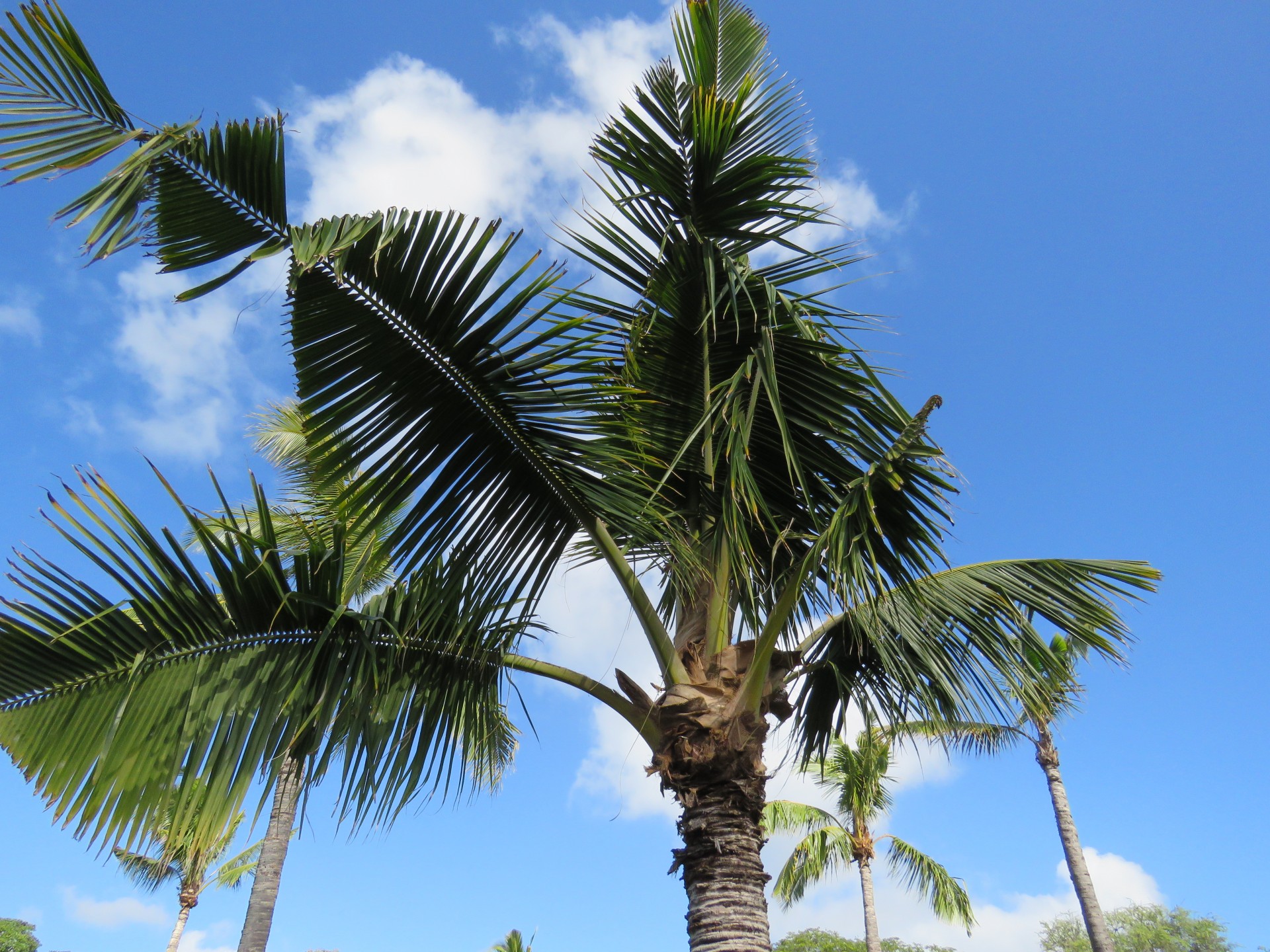
Figure 1. Coconut Rhinoceros Beetle damage on Oahu.
For proper CRB management, wide-scale adoption of treatments are needed. If only one property applies proper green waste management or palm treatments their efforts may be minimal in the context of their entire area. Neighborhood-wide treatment and management will have the best results for CRB reduction due to the 4 following reasons:
- CRB need two things: palms and breeding sites
CRB needs host plants (like palms) for the adults to feed and decomposing plant material like mulch, compost, logs, or potting soil for the larvae to feed. Adult beetles must feed on a host plant to produce viable eggs.
- Regional population reduction saves trees
Most current treatments including pesticide application and green waste management work by reducing the total population of CRB that are feeding on the trees in the area rather than repelling beetles.
- CRB infests regions, not individual plants
Beetles can fly very far if they need to and one adult may feed on different trees during their life. The infestation is not in a tree or single property but across whole neighborhoods.
- Most properties must manage CRB to have regional improvement
If one property treats its trees and manages breeding material, but nearby properties are unmanaged, the local populations could still be high and all the trees in that zone will be affected (even treated trees).
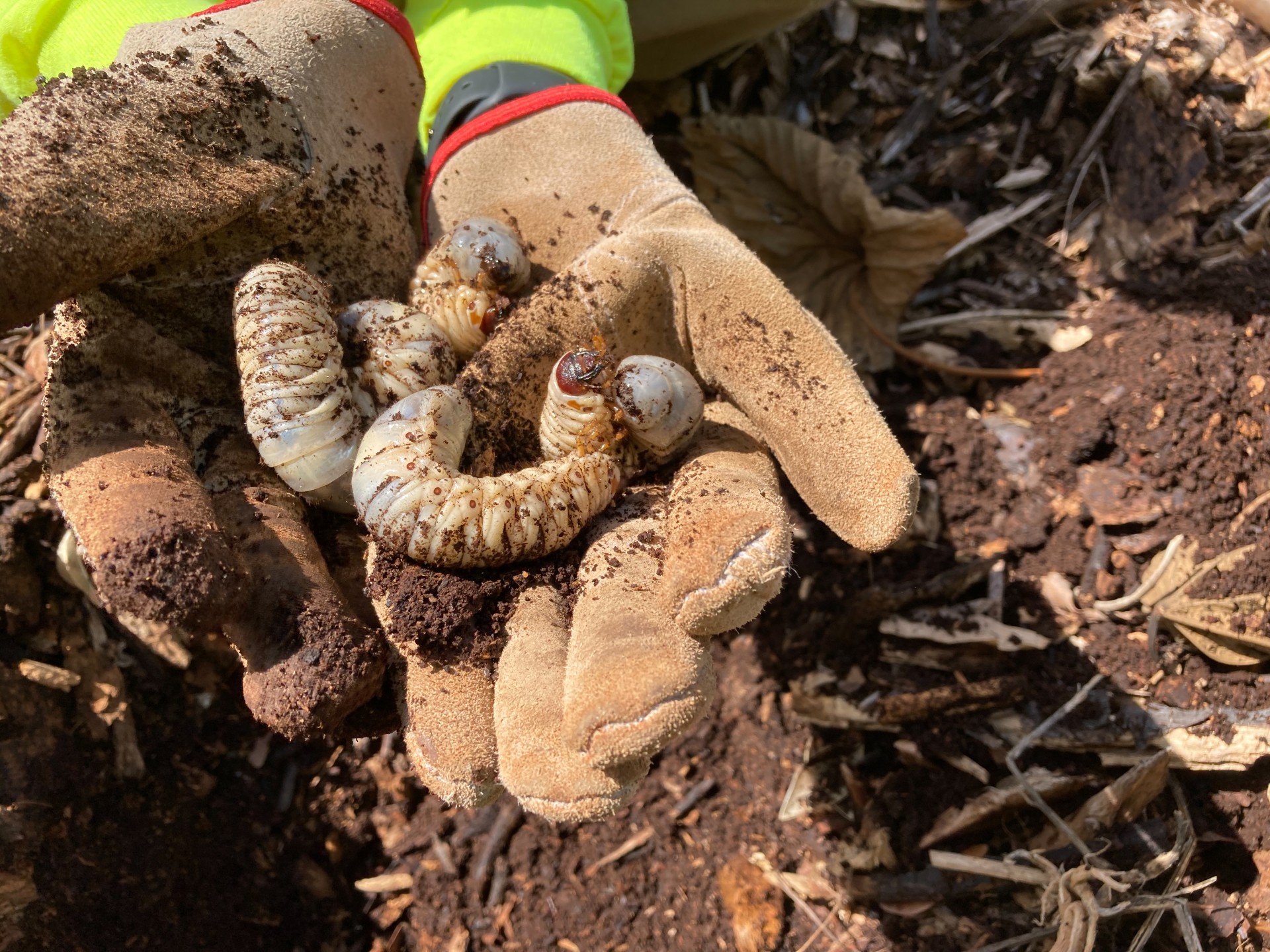
Figure 2. CRB larvae found in breeding material (mulch).
Green waste management is the most effective way to reduce beetle populations, since CRB breed and develop in any decaying plant material. Common breeding sites are mulch and compost piles, dead stumps, standing dead palms, and potting soil. Green waste management was a key component of control actions in areas with the best control of CRB populations and impacts. CRB can take ~4-6 months to develop from an egg into an adult, so periodic treatment of potential breeding sites is an important tool to manage CRB risk.
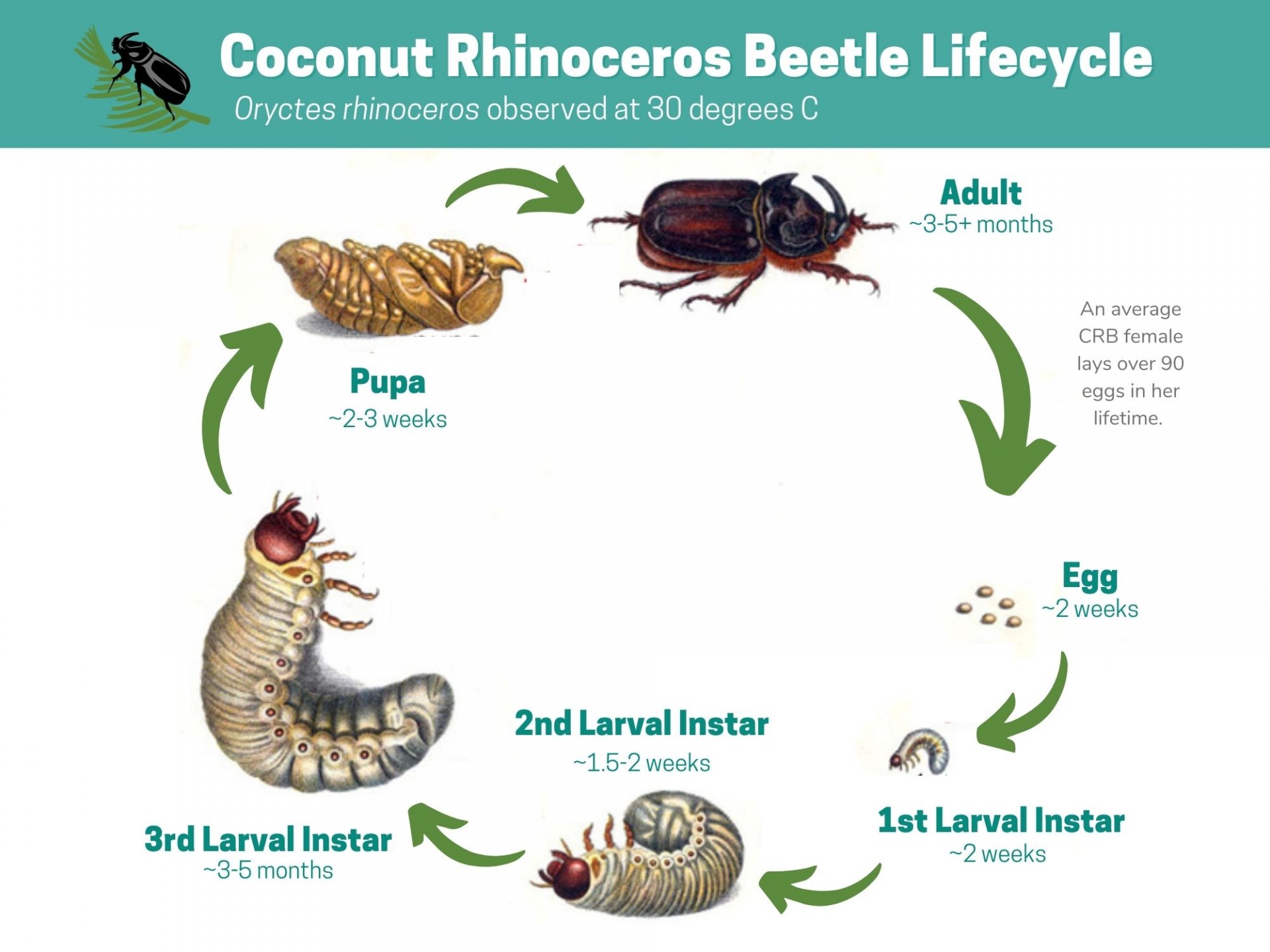
Figure 3. Coconut Rhinoceros Beetle lifecycle; photo credit: Aubrey Moore.
There are multiple treatments and management options to kill CRB, or slow growth and disrupt their lifecycle in breeding material. The best practice for reducing CRB risk is to remove all excess potential breeding material, however, for long-term management of material, a CRB treatment should be done every 4 months. This will prevent adult CRB from emerging and causing feeding damage to hosts. Treatments that kill all CRB in green waste can include chipping, hot composting, submersion, steam treatment, fumigation, or incineration. Treatments that will slow CRB developement, kill some CRB, or make it harder for CRB to establish can include grinding, burial, netting, tilling, spreading thin, tarping, insecticides, grazing with animals that can eat larvae, or manual search and removal.
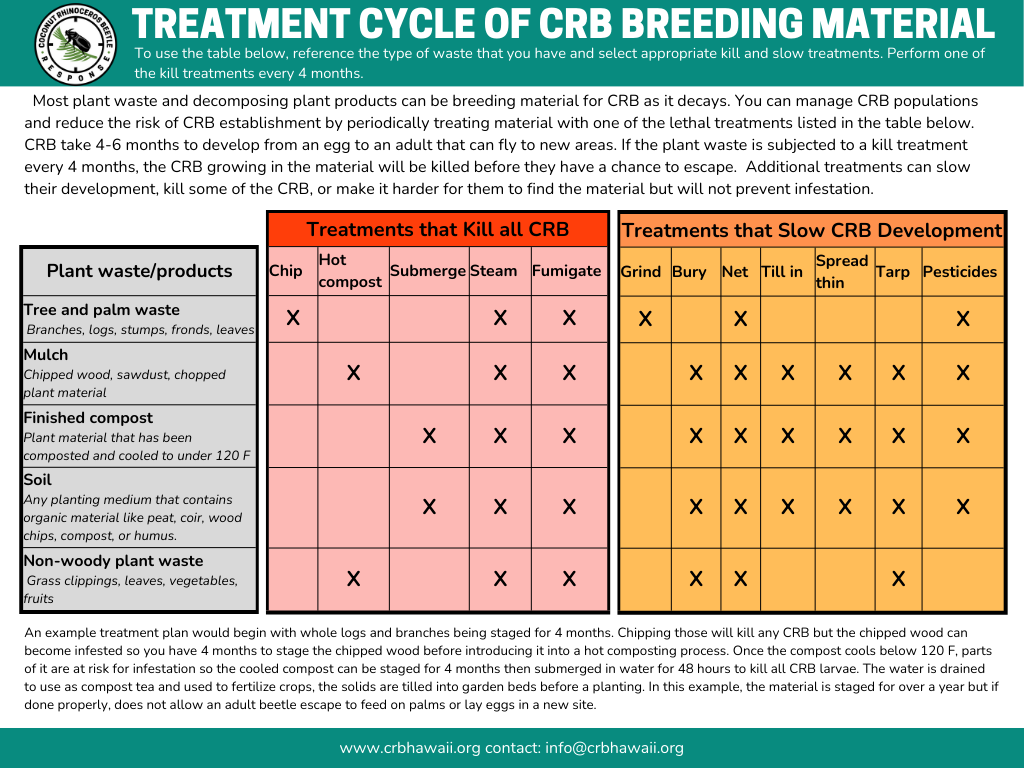
Figure 4. CRB breeding material treatment table.
In addition to breeding site treatments, there are also palm treatments that can be used to help suppress populations. Treatments can include physical treatments, such as netting of palm crowns, or chemical treatments applied through injections, soil drenches, or foliar applications. For each treatment mentioned, more details can be found at CRB Response Treatments.
Oʻahu is currently designated as an infested area, emphasizing the need for community control. For neighboring islands, reporting is crucial to response. Kauaʻi had its first detection of CRB in May 2023. Hawaiʻi Island had its first detection in October 2023. Maui had its first detection in November 2023. For more information on recommendations for individuals located on Oʻahu, please visit crbhawaii.org/treatments. For any signs of CRB found on neighboring islands, please report immediately to the CRB Response at [email protected].
Arisa Barcinas is an outreach associate for the Coconut Rhinoceros Beetle Response.
Chain Saw Safety Checklist
By: Jolie Goldenetz Dollar
Using chain saws can be an efficient and effective invasive plant management tool in Hawaiʻi. Invasive plants can grow fast and cutting them down before they get big can be a huge time-saver and can be much safer for workers. Below is a checklist that you should run through each time you or your crew suit-up for chain saw work. Invasive plant management is very important; however, our personal safety and our teammates’ safety should be of the utmost concern. Let’s all work together to encourage a culture of safety within our workplaces!
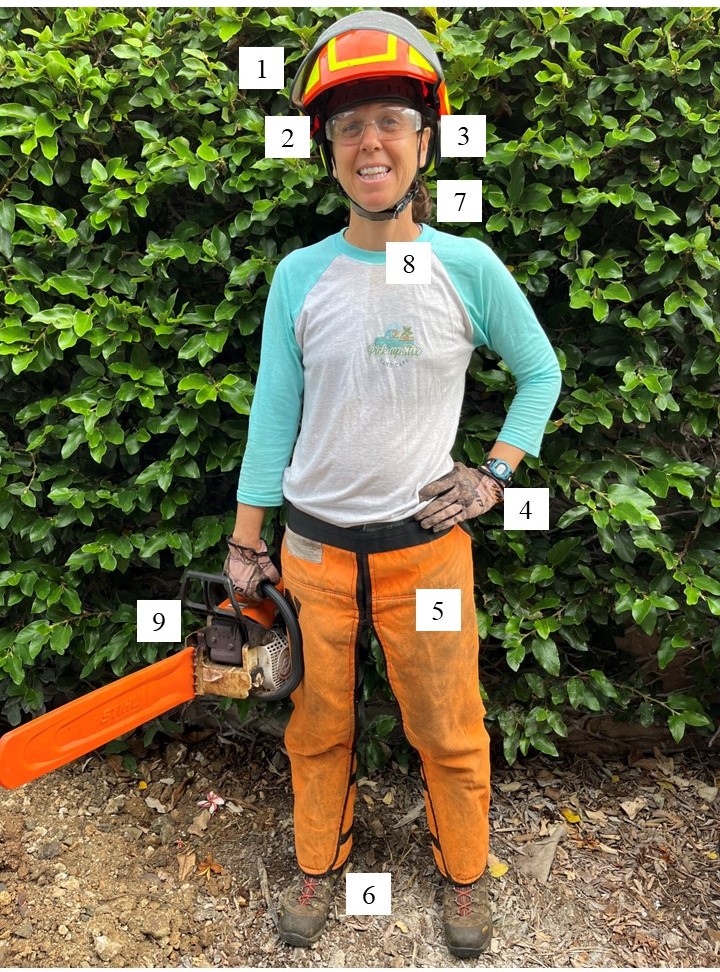
Figure 1. Proper chain saw protection checklist
Chain Saw Safety Checklist:
1. Hard hat or helmet that won’t fall off or slide around while you work.
2. Eye protection in the form of a screen face shield, glasses, or goggles.
3. Ear protection that fits your ears well and is rated for chain saw noise levels.
4. Gloves that fit snug around the wrists (optional)
5. Chain saw chaps or pants that allow you to move comfortably and cover entire length of legs.
6. Sturdy, above-ankle boots with secured laces.
7. Long hair tied back if needed.
8. No jewelry, drawstrings, or anything else that can get caught in chain saw or plant parts.
9. A chain saw with all functioning safety features and a sharp chain.
Jolie Goldenetz Dollar, [email protected] , is a
Peanut Rust (Puccinia arachidis) on Perennial Peanut (Arachis pintoi)
By Josiah Marquez and Alberto Ricordi
Introduction
Perennial peanut (Arachis pintoi and Arachis glabrata) are commonly grown in Hawaii as a perennial groundcover for landscaping and a cover crop for orchards due to their ability to fix nitrogen. Particularly, A. pintoi has become a popular landscaping groundcover, especially along slopes. Two cultivars of A. pintoi are grown in Hawaii, Golden Glory and Amarillo (Hensley et al., 1997). With few pests and diseases, perennial peanut plants are a popular plant for Hawaii’s commercial and residential landscape. However, a rust disease on perennial peanut could become a major challenge for perennial peanut cultivation.
Pathogen Diagnosis and Distribution
Perennial peanut plants showing leaf spots, yellowing, and leaf drop symptoms were first detected by Plant Quarantine Inspector Laura Ishii, at Hawaii Department of Agriculture (HDOA) in Kauai. It was tentatively identified as a Puccinia arachidis by the HDOA Plant Pathology Unit (HDOA-PPU) and confirmed by the USDA Animal and Plant Health Inspection Service Plant Pathogen Confirmatory Diagnostics Laboratory in Laurel, Maryland. This disease was later detected in perennial peanut groundcover landscapes in Lihue (Fig. 1) by Laura and confirmed by HDOA-PPU. Further investigation by HDOA-PPU has confirmed this pathogen is also present on Oahu. This pathogen was first reported in South America in 1827 (Mondal and Badigannavar, 2015), where the peanut plant originated (You et al, 2024) but now has a worldwide distribution anywhere peanuts are grown (PlantwisePlus Knowledge Bank, 2022).
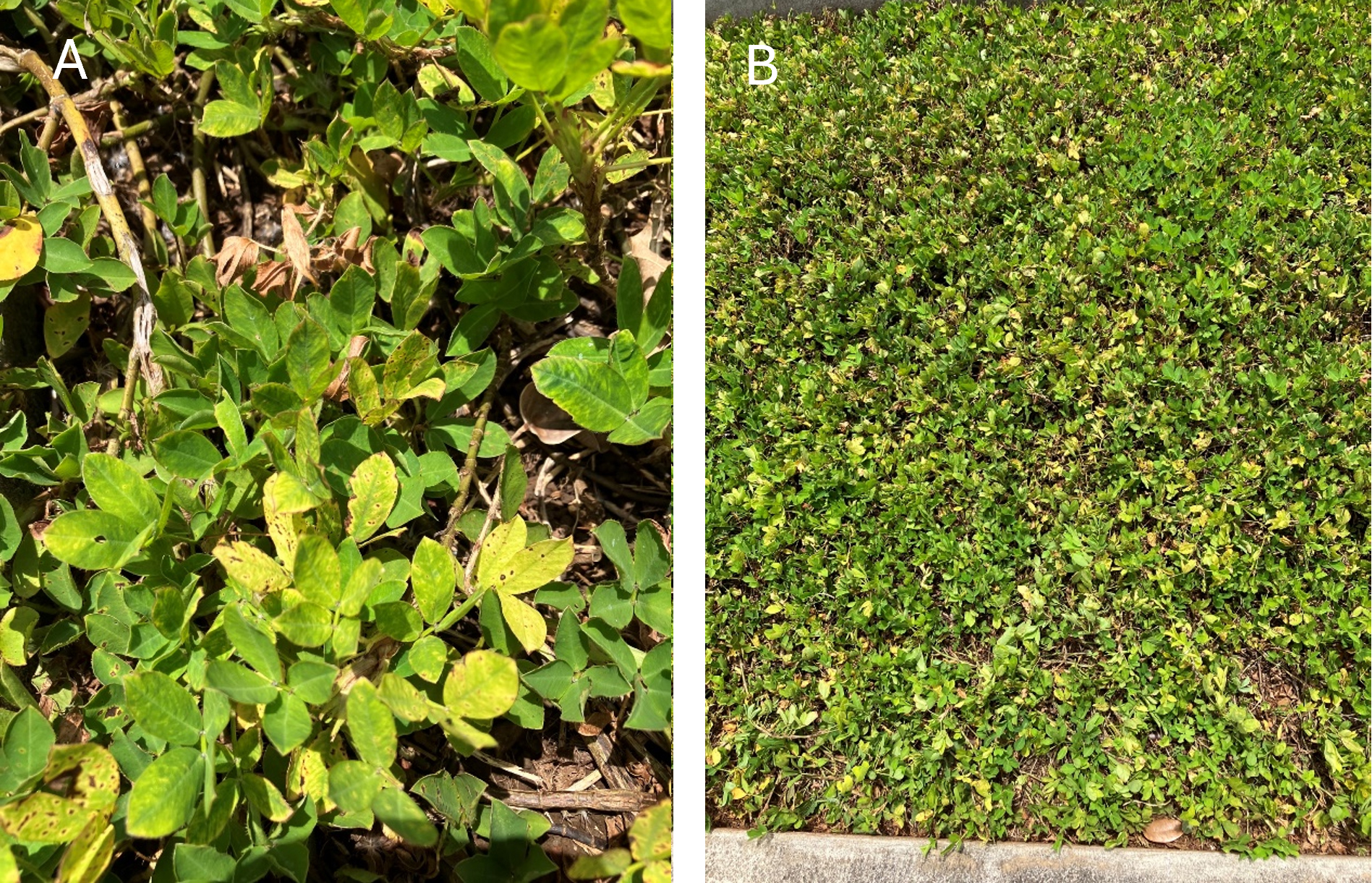
Figure 1. Symptoms of rust on perennial peanut (Arachis pintoi) from a landscaped area on Kaui, Lihue [close-up (A) and at a distance (B)]. Photo Credit: Laura Ishii.
Background and Significance
Puccinia arachidis is a serious peanut pathogen (Mondal and Badigannavar, 2015) only known to infect the peanut plant (Arachis hypogaea) (PlantwisePlus Knowledge Bank, 2022). Perennial peanut is not known as a host of P. arachidis (Korus and Dufault, 2019). Therefore, this would be the first confirmed case of peanut rust on a perennial peanut although Florida Department of Agriculture and Consumers Services have intercepted P. arachidis on another perennial peanut species (A. glabrata). Therefore, the threat of this pathogen on perennial peanut is unknown.
Signs, Symptoms and Management
Symptoms appear 8-10 days after infection begins with whitish flecks on the lower leaf surface. These flecks will develop into yellow spots that show on the upper leaf surface, while orange pustules (uredinia) start to form and erupt with uredinospores (Fig. 2). These uredinospores initially look dark orange but become a redish-brown color when matured. Brown leaf spots eventually develop where there are pustules (Fig. 3A and B), and result in leaf defoliation (You et al., 2024). This pathogen is adapted to a warm tropical environment, therefore, this rust has a preference for high humidity (>78%) and continuous warm temperatures (68 to 86⁰ F) (Mondal and Badigannavar, 2015; You et al., 2024). Since this is an airborne pathogen, dispersion is greatly affected by wind.
Chlorothalonil has been reported as the most effective fungicide for control of peanut rust (You et al., 2024), however, it is important to have a good fungicide rotation program to prevent the development of fungicide resistance from the peanut rust. See table below for a list of fungicides labeled for control of the peanut rust on peanut crops, landscape, or ornamentals, approved for use in Hawaii as of 06/05/2024. Always follow the label when using pesticides.
Table 1. Fungicides labeled for control of peanut rust (Puccinia arachidis) approved for use in Hawaii.
|
Group |
Active ingredient |
Product |
zOMRI |
|
3 |
Metconazole |
Quash |
|
|
Propiconazole |
Fitness, PropiMax EC, and Tilt |
|
|
|
Prothioconazole |
Proline 480 SC |
|
|
|
Tebuconazole |
Buzz Ultra DF, Folicur 3.6 F, Monsoon, Orius 3.6F, Tebuzol 3.6F, and Toledo 3.6F |
|
|
|
7 |
Penthiopyrad |
Fontelis |
|
|
11 |
Azoxystrobin |
Abound Flowable, Aframe, Azoxystar, Heritage, Heritage TL, Mika SC, Quadris Flowable Fungicide, Satori, and Trevo |
|
|
Pyraclostrobin |
Headline and Headline SC |
|
|
|
Bacillus amyloliquefaciens strain D747 |
Double Nickel 55 and Double Nickel LC |
OMRI |
|
|
Fluoxastrobin |
Aftershock |
|
|
|
Hydrogen Peroxide + Peroxyacetic Acid |
OxiDate 5.0 |
|
|
|
Hydrogen Peroxide Peroxyacetic Acid |
Rendition |
|
|
|
Hydrogen PeroxidePeroxyacetic Acid |
Oxidate 2.0 |
|
|
|
11, 3 |
Azoxystrobin, Propiconazole |
Avaris 2XS |
|
|
Fluoxastrobin, Tebuconazole |
Evito T |
|
|
|
11, 7 |
Pyraclostrobin, Fluxapyroxad |
Priaxor Xemium brand fungicide |
|
|
3, 1 |
Propiconazole, Thiophanate-methyl |
Protocol |
|
|
7, 11 |
Boscalid, Pyraclostrobin |
Pageant Intrinsic |
|
|
BM 01 |
Banda de Lupinus albus doce (BLAD) |
ProBlad Verde |
OMRI |
|
BM 02 |
Bacillus subtilis, Strain QST 713 |
Serenade ASO |
OMRI |
|
M |
Cuprous Oxide |
Nordox 75 WG |
|
|
M1 |
Basic Copper Sulfate |
Basic Copper 50W HB, Basic Copper 53, Cuprofix Ultra 40 Disperss, and Cuproxat Flowable |
OMRI |
|
Copper Hydroxide + Copper Oxychloride |
Badge X2 |
OMRI |
|
|
Copper Octanoate |
Camelot O and Cueva Fungicide Concentrate |
OMRI |
|
|
Copper Sulfate Pentahydrate |
MasterCop |
|
|
|
M1 |
Copper Hydroxide |
Certis Kocide 2000-0, Champ Formula 2 Flowable, Champ WG, ChampION++, Kentan DF, Kocide 3000-0, Nu-Cop 30 HB, Nu-Cop 3L, Nu-Cop 50 WP, Nu-Cop 50DF, and Nu-Cop HB |
OMRI |
|
M1, M3 |
Copper Hydroxide, Mancozeb |
Mankocide |
|
|
M3 |
Mancozeb |
Dithane 75DF Rainshield, Dithane F-45 Rainshield, Dithane M-45, Fore 80WP Rainshield, Manzate Max, Manzate Pro Stick, Pentathlon DF, and Roper DF Rainshield |
|
|
M5 |
Chlorothalonil |
ECHO 720 and Initiate 720 |
|
|
Chlorothalonil (tetrachloroisophthalonitrile) |
Bravo Ultrex, Bravo Weather Stik, Equus 720 SST, and Rialto 720 F |
|
|
|
P4 |
Laminarin |
Vacciplant |
|
|
P5 |
Extract of Reynoutria sachalinensis |
Regalia CG |
OMRI |
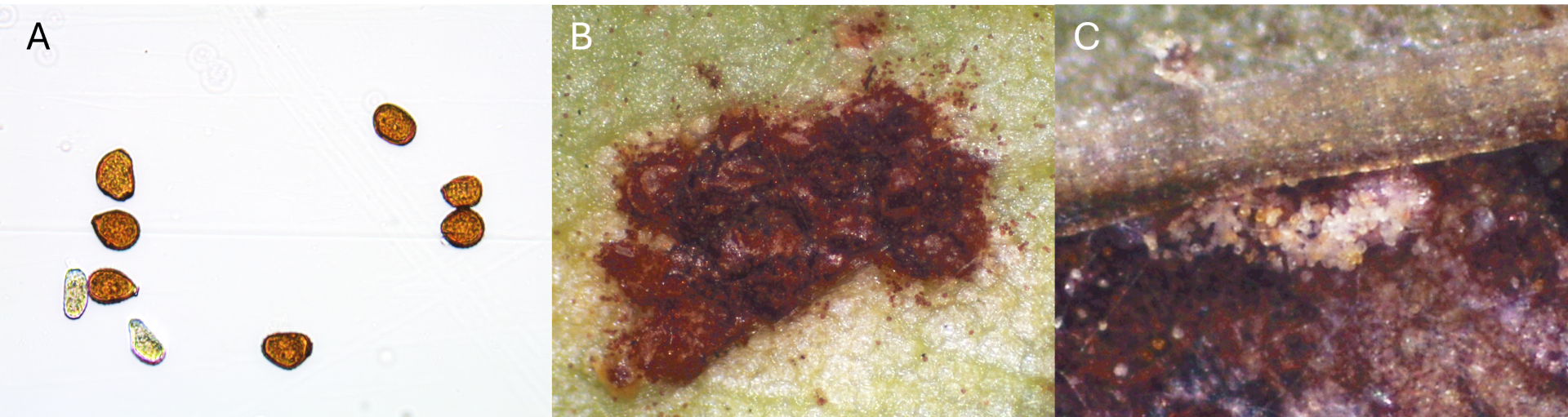
Figure 2. Reddish-brown urediniospores (A) can be observed from uredinia pustules (B and C) located on the lower leaf surface of the leaf spots. Photo Credit: Josiah Marquez.
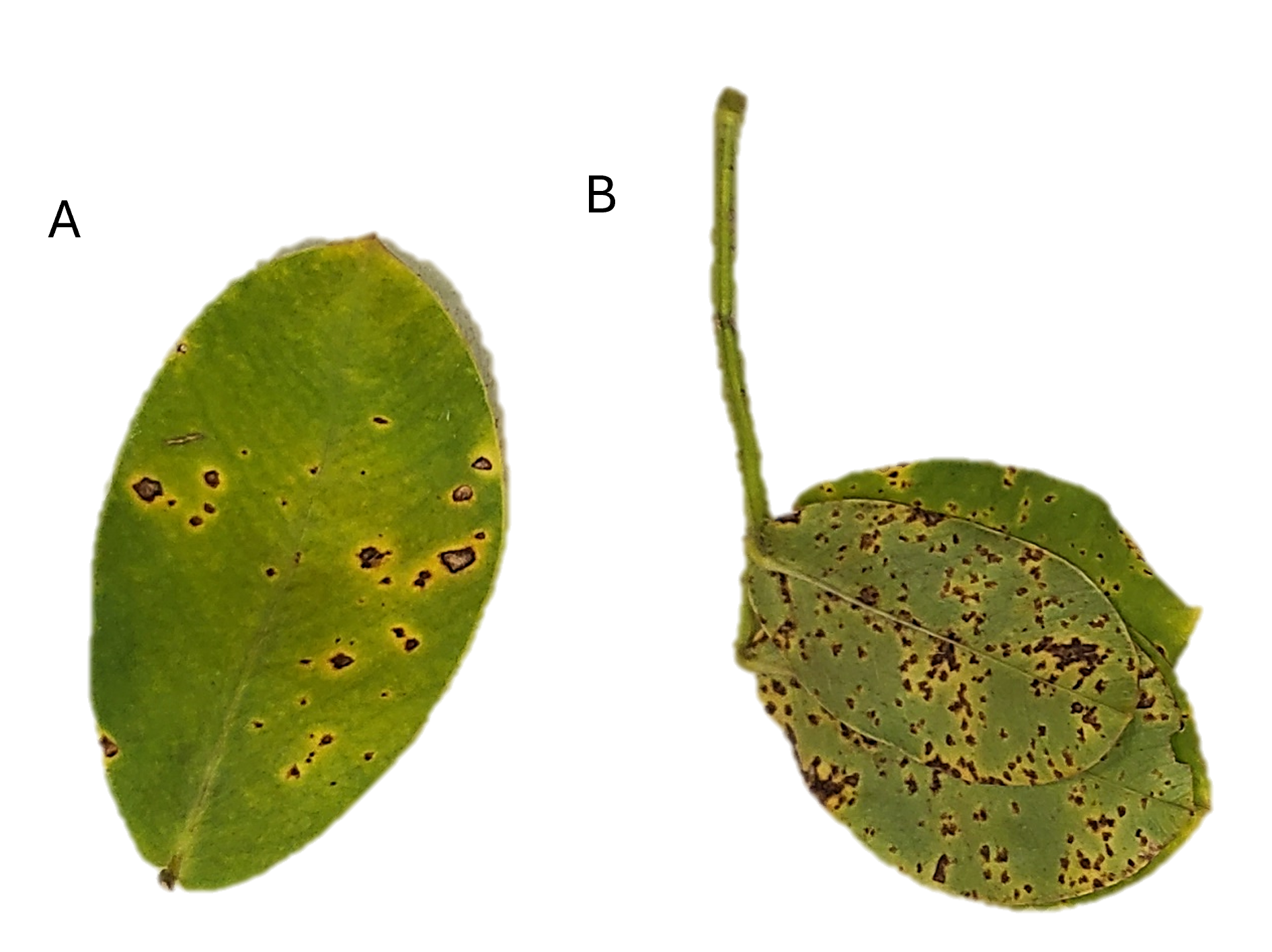
Figure 3. Leaf symptoms consist of brown lesions with yellow margins on the upper (A) and lower (B) leaf surface eventually leading to leaf drop. Photo Credit: Josiah Marquez.
Monitor and Report
It is our kuleana to prevent the spread of this disease throughout the islands of Hawaii. If you suspect peanut rust on your perennial peanut plants, please contact your local University of Hawaii extension agent (https://cms.ctahr.hawaii.edu/ce/Find-Us).
References:
Hensley D., Yogi J., and DeFrank J. 1997. Perennial Peanut Groundcover. University of Hawaii Extension. OF-23, pp. 1-2. https://www.ctahr.hawaii.edu/oc/freepubs/pdf/OF-23.pdf
Leppik, E.E. 1971. Assumed gene centers of peanuts and soybeans. Economic Botany. 25, pp. 188–194.
Korus, K. A., and Dufault, N. 2019. Peanut Rust Fungus: Puccinia arachidis Speg. - FACT SHEET. University of Florida IFAS Extension. #2019003, pp. 1-2. https://sfyl.ifas.ufl.edu/media/sfylifasufledu/alachua/images/pdf/Peanut-Rust.pdf
Mondal S, Badigannavar AM. 2015. Peanut rust (Puccinia arachidis Speg.) disease: its background and recent accomplishments towards disease resistance breeding. Protoplasma. 252, pp. 1409-20. https://doi.org/10.1007/s00709-015-0783-8.
PlantwisePlus Knowledge Bank. 2022. Puccinia arachidis (groundnut leaf rust), CABI International. https://
You Y, Liao J, He Z, Khurshid M, Wang C, Zhang Z, Mao J, Xia Y. 2024. Effects of Peanut Rust Disease (Puccinia arachidis Speg.) on Agricultural Production: Current Control Strategies and Progress in Breeding for Resistance. Genes. 15: pp. 1-24. https://doi.org/10.3390/genes15010102
Josiah Marquez, PhD, is a Plant Pathologist at the Hawaii Department of Agriculture, Plant Industry Division. Alberto Ricordi, D.Arch, is Oahu's Ornamentals & Landscape Assistant Extension Agent, Department of Tropical Plant and Soil Sciences, Cooperative Extension, CTAHR, University of Hawaii at Manoa.
