In this issue
Hannah Lutgen
Alberto Ricordi
#88: Nursery, Fertilizer & Irrigation (Jan/Feb 2026) 
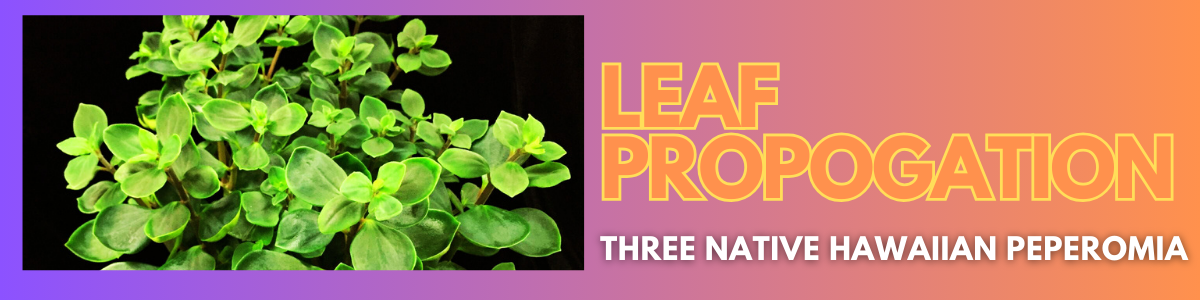
Leaf propagation of three native Hawaiian Peperomia
By: Orville C. Baldos and Aleta Corpuz
Peperomias are popular houseplants due to their easy maintenance and propagation. Here in Hawaii, we have several native and endemic Peperomia species that have potential as potted/indoor or landscape plants. The development of propagation techniques is one step that needs to be achieved for possible commercialization. This article discusses our experiences in propagating three native Hawaiian Peperomia species from whole leaf cuttings: P. cookiana (weakstem peperomia), P. leptostachya (aridland peperomia), and P. oahuensis (Oahu peperomia).
P. cookiana or weakstem peperomia is an endemic species growing in wet forests and mesic shrublands of Kauai, Molokai, Maui, and Hawaii at elevations between 1,509 ft to 6,496 ft above sea level [1]. Plants can grow up to a foot tall and possess hairy red stems and pale green leaves with red undersides between veins. It has potential use as a potted plant in air-conditioned settings.
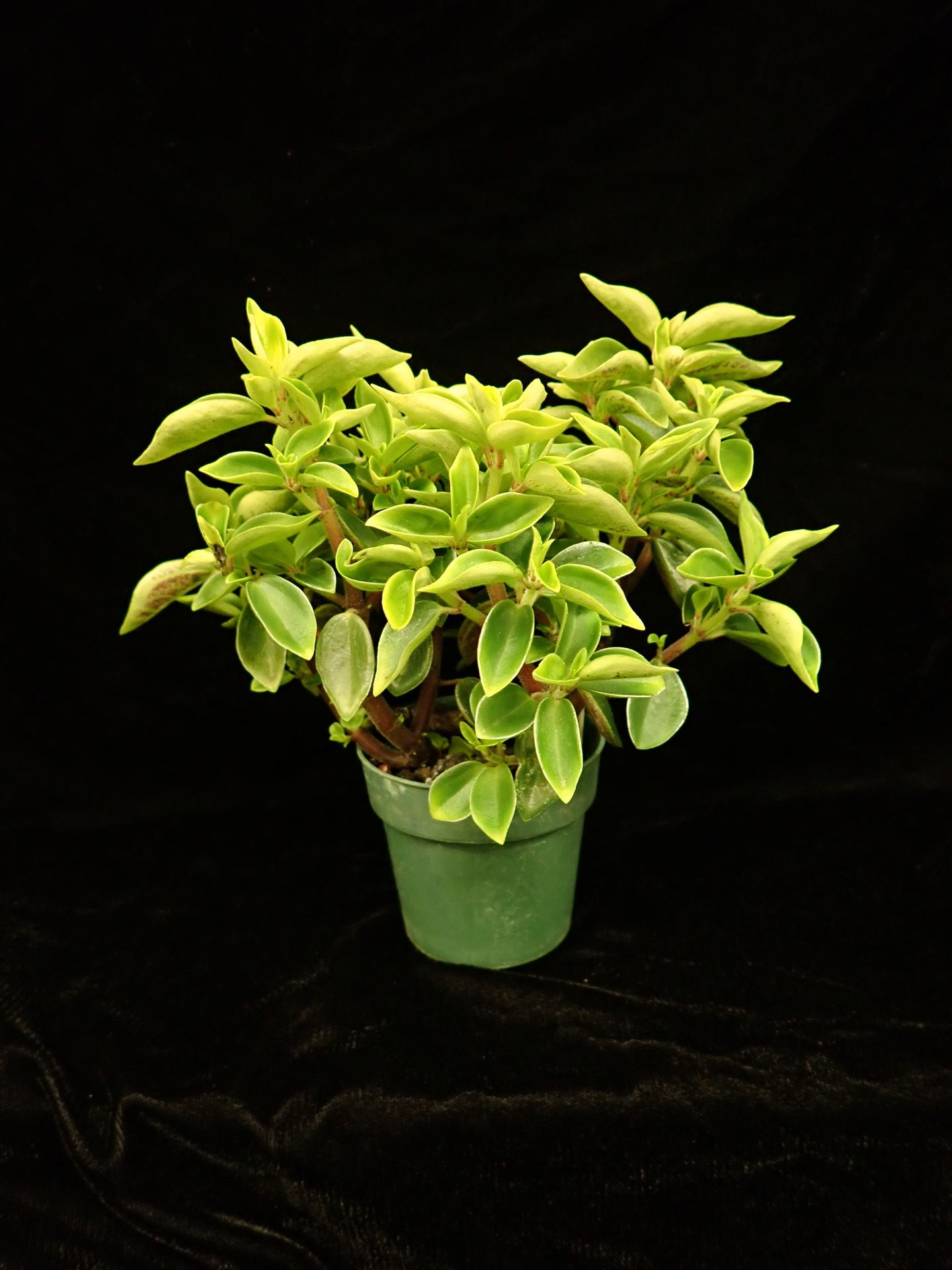
Figure 1. Peperomia cookiana (weakstem peperomia) in cultivation.
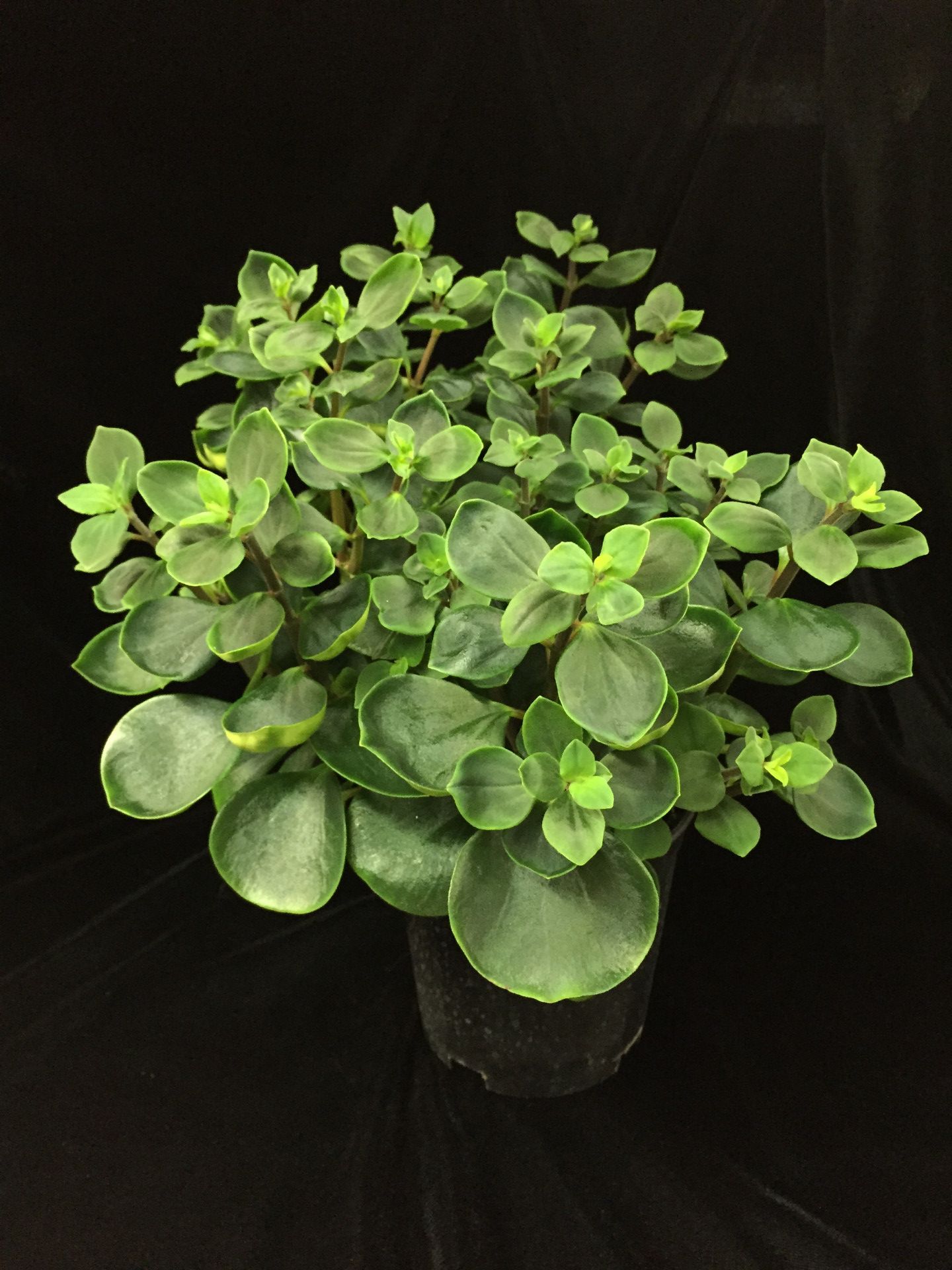
Figure 2. Peperomia leptostachya (aridland peperomia) in cultivation.
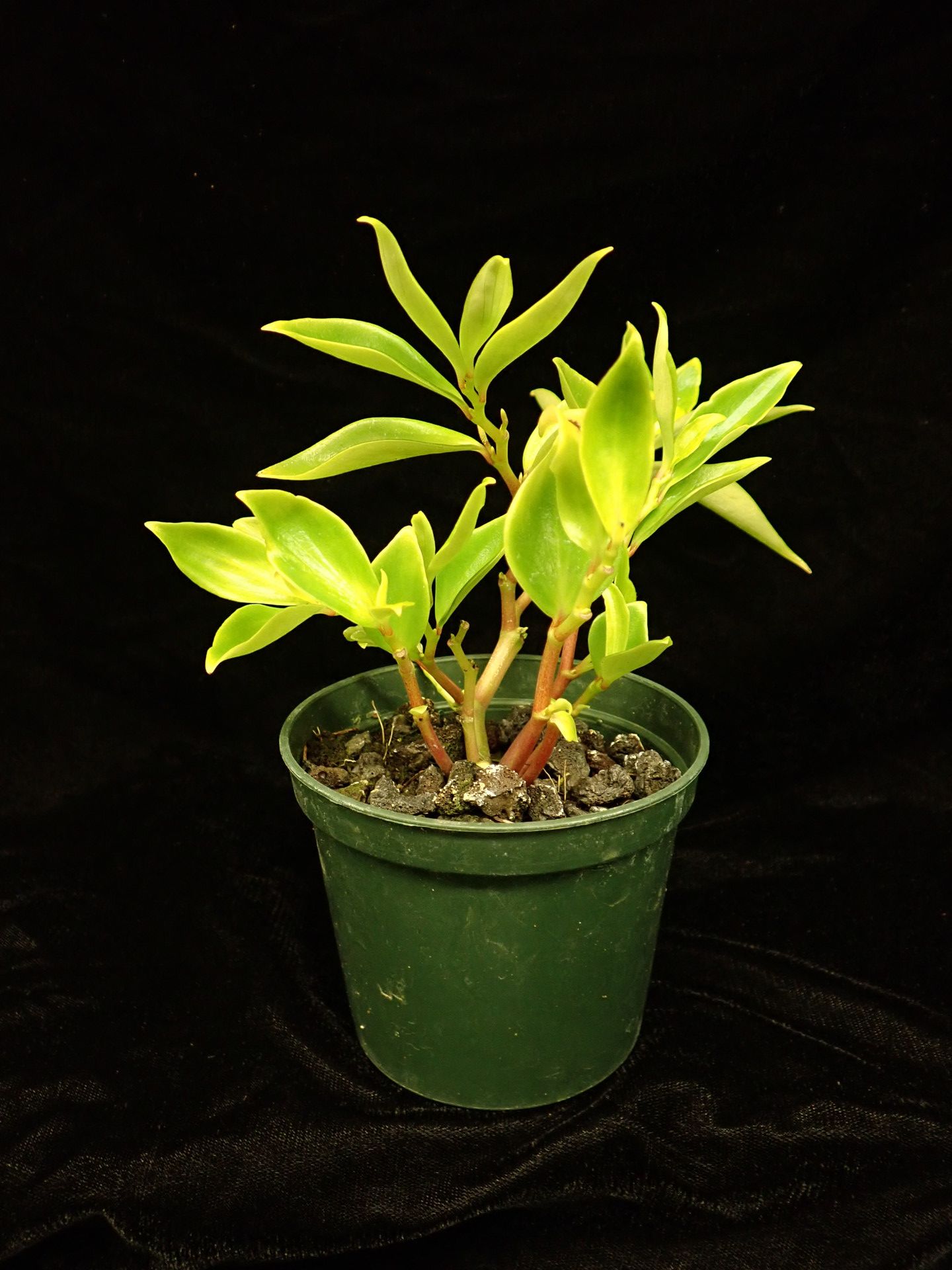
Figure 3. Peperomia oahuensis (Oahu peperomia) in cultivation.
Results of our experiments indicate high rates of rooting, regardless of rooting hormone application, in weakstem (97% rooting), aridland (>80% rooting) and Oahu (97% rooting) peperomias. We saw more roots that are longer in Oahu peperomia whole leaf cuttings treated with rooting hormone, but not with the treated weakstem or aridland peperomia.
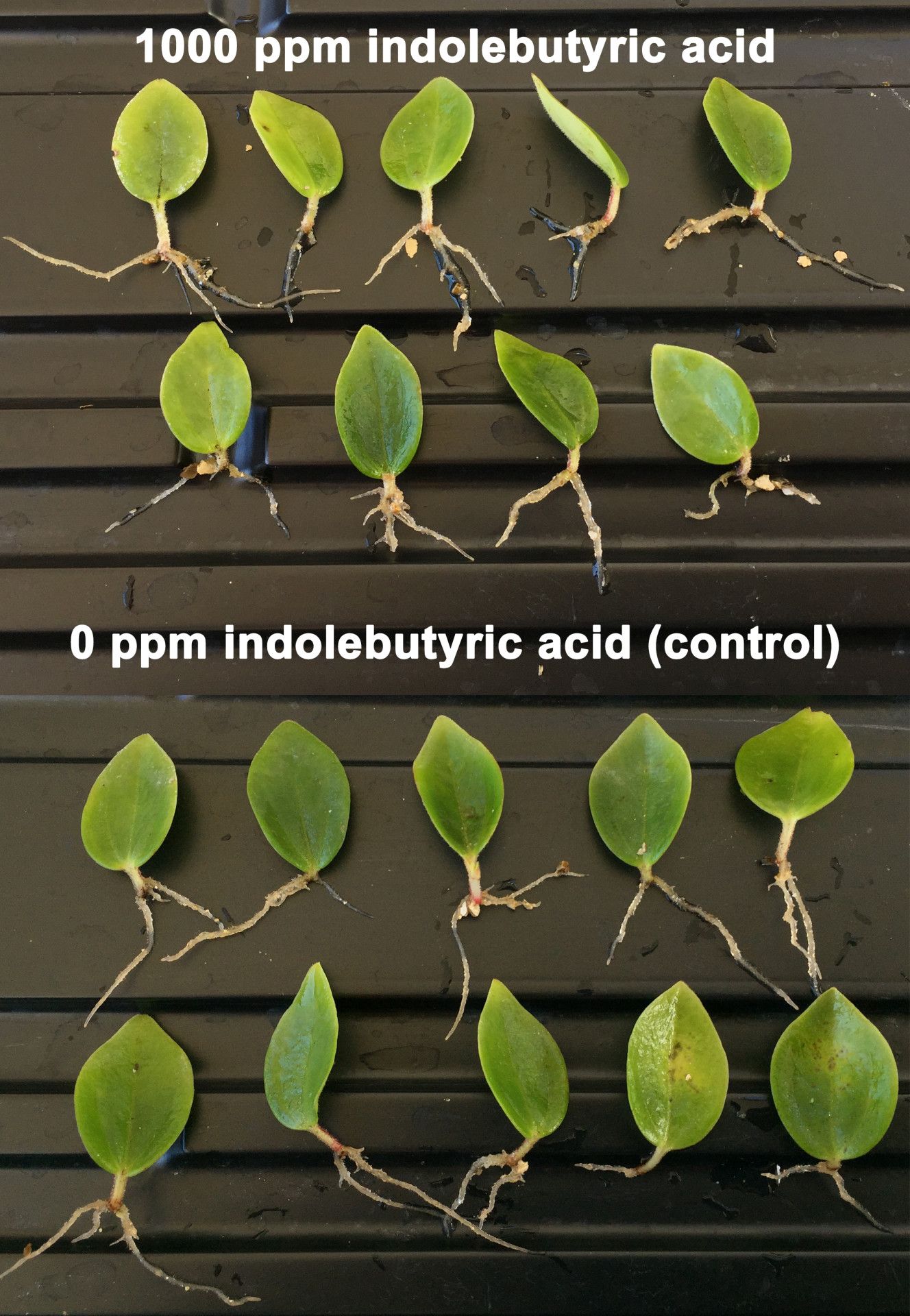
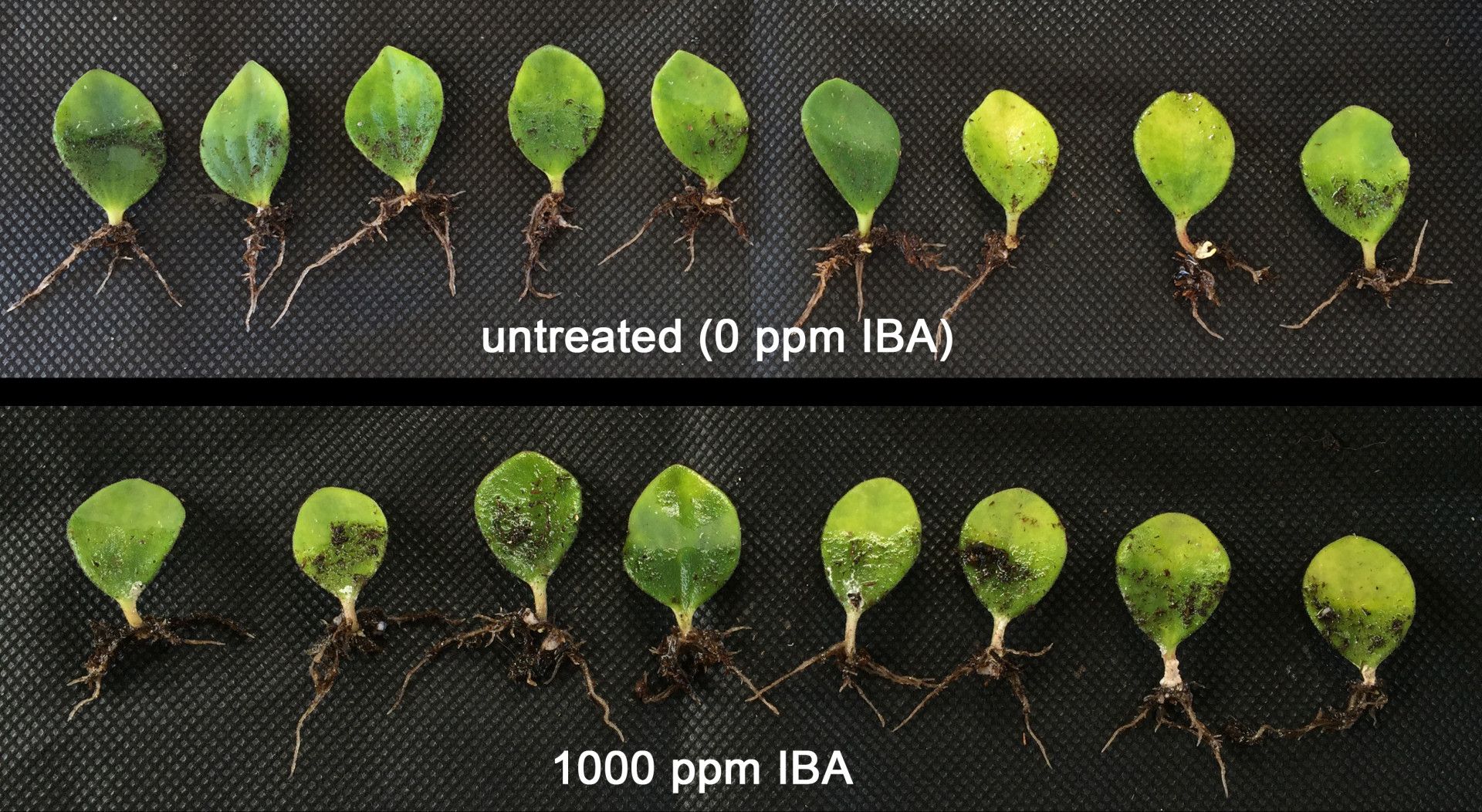
Figure 5: Rooting of Peperomia leptostachya (aridland peperomia) whole leaf cuttings treated with or without 1,000 ppm indole-3-butryic acid (IBA).
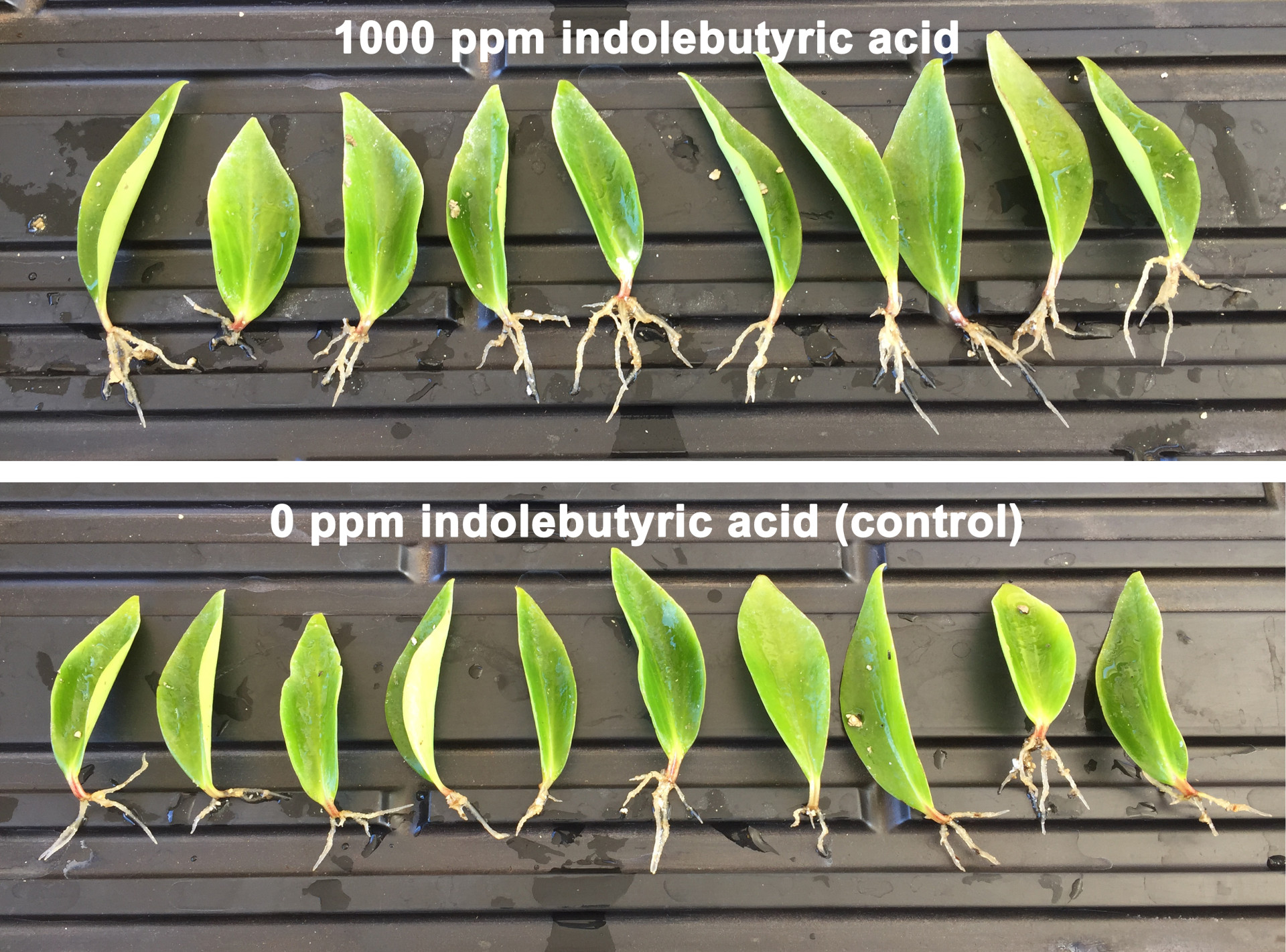
Figure 6. Rooting of Peperomia oahuensis (Oahu peperomia) whole leaf cuttings treated with or without 1,000 ppm indole-3-butryic acid.
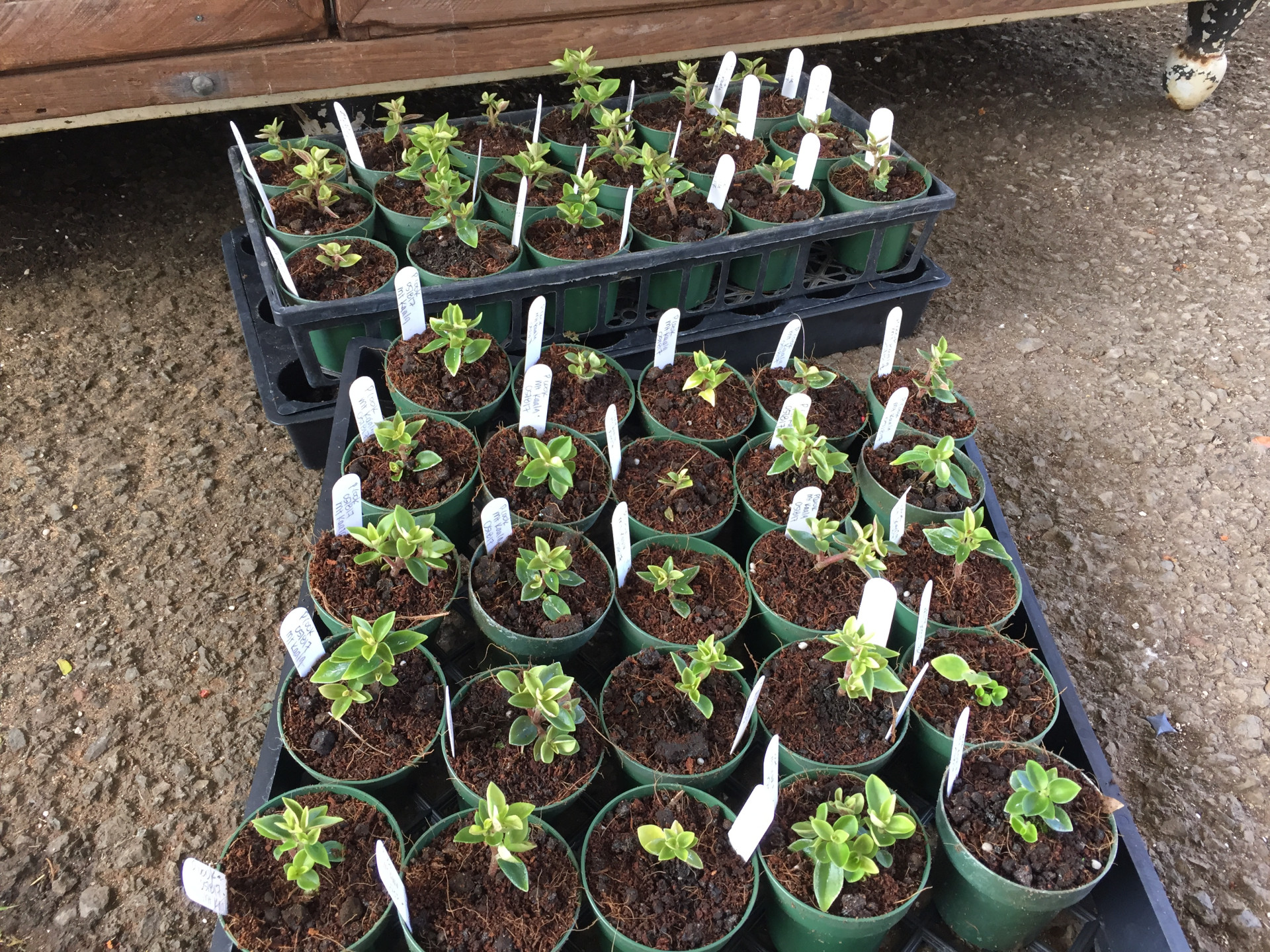
Figure 7. Peperomia cookiana (weakstem peperomia) plantlets emerging from leaf cuttings 2 months after rooting.
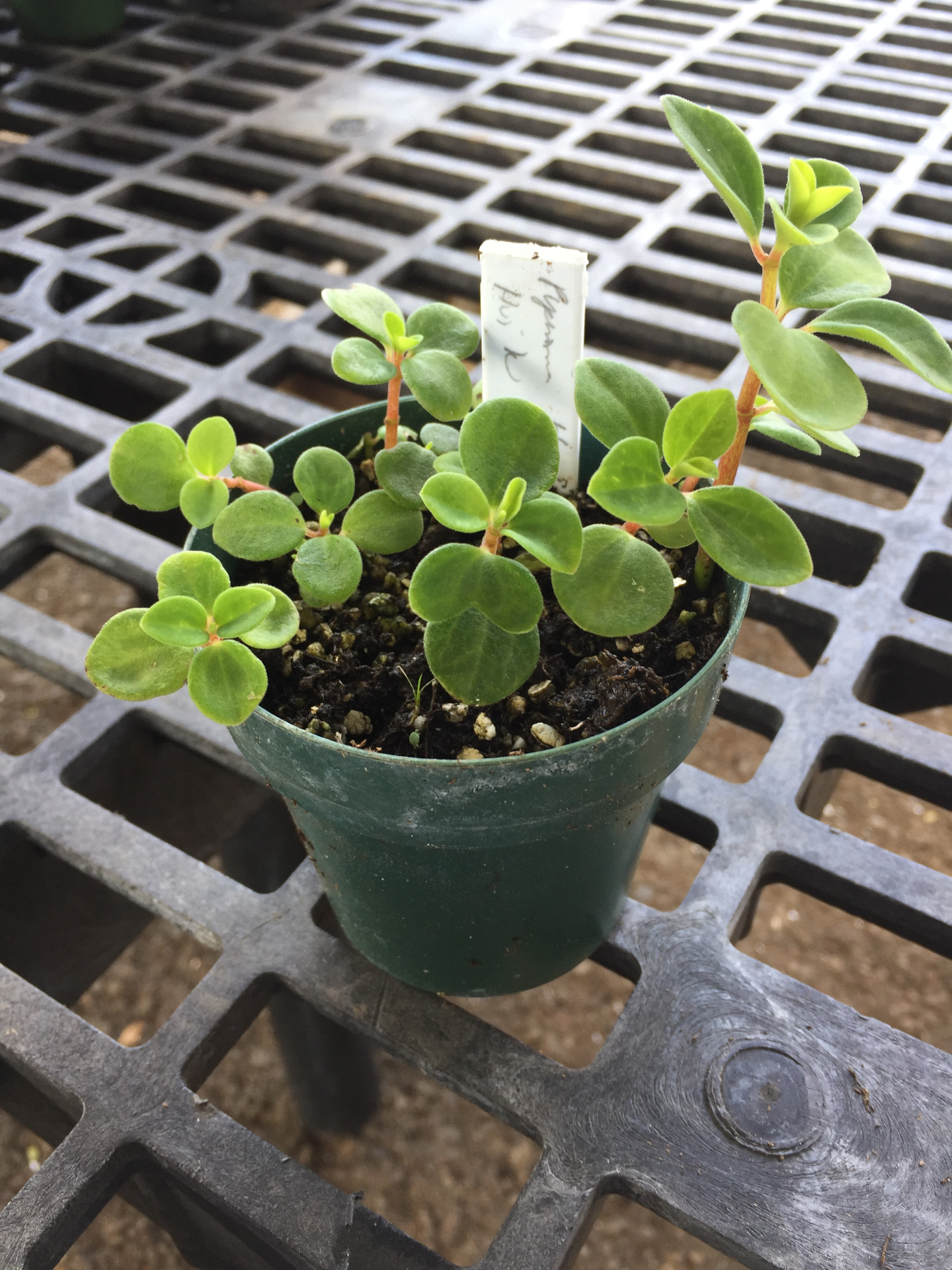
Figure 8. Peperomia leptostachya (aridland peperomia) plantlets emerging from leaf cuttings 3.8 months after rooting.
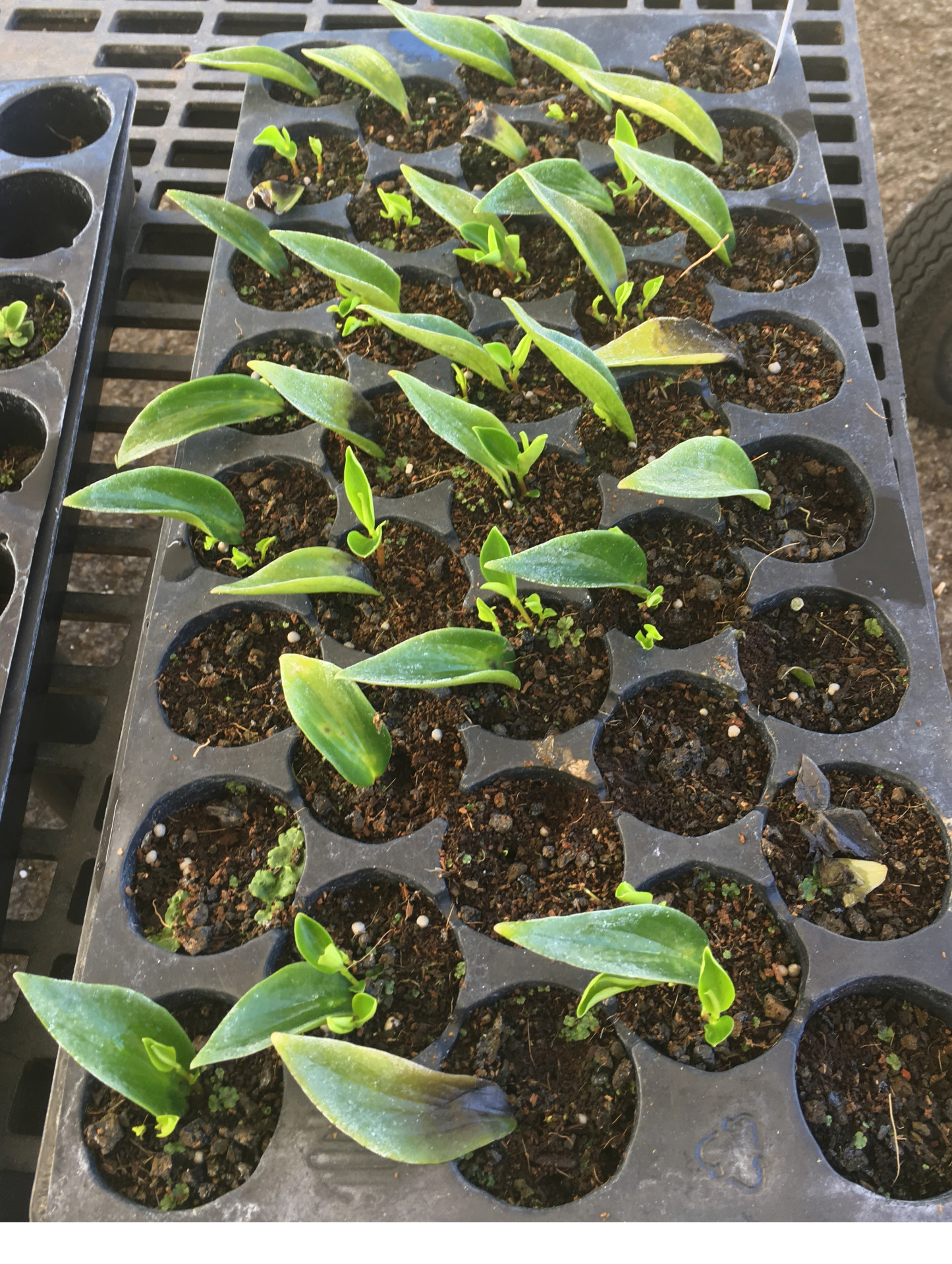
Figure 9. Peperomia oahuensis (Oahu peperomia) plantlets emerging from leaf cuttings 2 months after rooting.
- Wagner, W.L., Herbst, D.R. & S.H. Sohmer. 1999. Manual of the flowering plants of Hawaiʻi, revised ed. University of Hawai'i Press. Honolulu, HI.
This article is excerpted from:
Baldos, O.C. & A. K. Corpuz. 2021. Propagation protocol for weakstem peperomia (Peperomia cookiana) and Oahu peperomia (Peperomia oahuensis) using whole leaf cuttings. Native Plants Journal 22(2):157-161. [https://doi.org/10.3368/npj.22.2.157]
Baldos, O.C. & A.K. Corpuz. 2019. Propagation of arid land peperomia (Peperomia blanda var floribunda) via leaf cuttings. Native Plants Journal 20(1):25-30. [https://doi.org/10.3368/npj.20.1.25]
Orville Baldos,
LICH interviews Industry Experts
By: Christopher McCullough
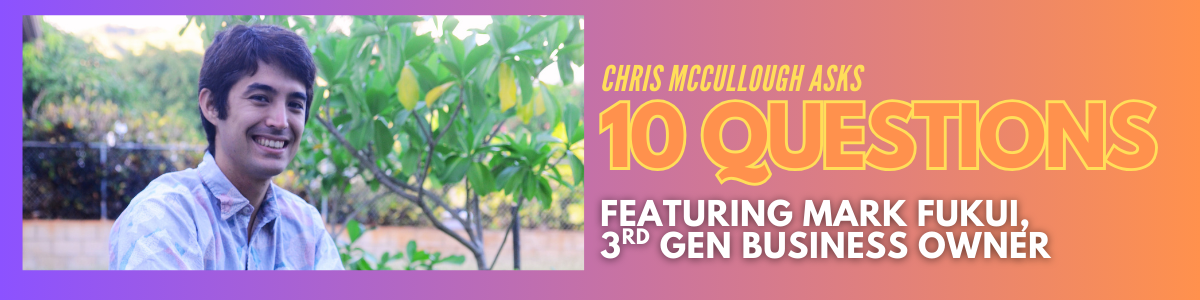
For this issue of Landscape Hawaii, I chose to interview Mark Fukui, owner and operator of Contemporary Landscaping LLC, as the focus of this issue is Nursery, Fertilizer, and Irrigation.
I can recall back in the 80’s going to Contemporary Landscaping’s nursery in Waimanalo for Rhapis palms, as Rodney Fukui was known to have the best quality palms. I marveled at the beautiful location under the Koolau’s and enjoyed Rodney’s good local boy style of humor and business style.
Fast forward to just several years ago, when I returned to the nursery to purchase some trees for a project after moving back to Oahu from the Big Island. I was amazed how much the nursery had grown and that Clifford Migata was still there, like a stone that gathers no moss! It was great to meet the new generation of Contemporary Landscaping!
Contemporary Landscaping offers a wide variety of ornamental trees and palms in 15, 25, and 95-gallon sizes. Started in the early 1960’s by Rodney Fukui, a former University of Hawaii extension agent. Agricultural land at this time, previously used for sugar cane production, started to be leased out by the DLNR. Initially starting with landscaping, Rodney purchased this newly leased land in Waimanalo to support his business as well as to sell to other landscapers. One of his notable jobs was the landscape installation at the East-West Center building on the University of Hawaii at Manoa campus, as a subcontractor under Kawahara Landscaping.
After having a stroke in 1991 and unable to walk, landscaping was phased out at Contemporary Landscaping. Clifford Migata, assistant manager of 30 plus years, helped to run the nursery with Rodney’s wife, Iris Fukui. In 2006, Alfred Burer replaced Iris and worked with Clifford to run the nursery until 2015. That year, Mark Fukui, Alfred’s son, took over and has continued to specialize in growing ornamental trees suitable for Hawaii’s streets.
Mark Fukui, current owner and operator, graduated from Punahou in 2009 and went on to graduate from Pacific University in 2013 with a bachelor’s degree in Exercise Science. Soon after, Mark realized medical school wasn’t for him, so he made the decision to start working at Contemporary Landscaping in 2014. Since then, he has continued to improve on what Rodney Fukui (Mark’s Grandfather) and Alfred Burer (Mark’s Father) left behind.
Here are ten questions for Mark to allow him to share his story and vision:
1. Please tell us about your background. What was it like for you growing up here in Hawaii, and being the Grandson / Son of a nursery owner / operator?
Sure, I worked some summers and remember having fun at the Christmas parties, but honestly growing up it didn’t play a big role in my life. I was very focused on my schooling and athletics.
2. When you were a student at Punahou, did you ever imagine that you would be a Nurseryman?
Throughout high school, my plan was to go into some sort of healthcare field. The idea of working at the nursery was always in the back of my mind, but I never considered it seriously.
3. What motivated you to get into the Nursery business? Do you find your work to be soul fulfilling?
To be honest, not getting into medical school was what led me to work at the nursery. Looking back on it, I’m quite happy that I did not get in, as I do find my work to be rewarding. Not only do I get to work in Waimanalo, but the work is fulfilling because of the diversity. Whether it’s optimizing the growth of my trees or pouring a concrete slab, my work always gives me the opportunity to learn and grow.
4. What are some of your favorite trees that you recommend to your customers?
When customers come looking for trees, I do my best to give them a recommendation that fits their space and environment. Without that context, some of my favorite trees are Alahe’e, Jaboticaba, and Lignum Vitae.
5. Do you find your nursery’s location at the bottom of the Koolau mountains inspiring?
The Ko’olau mountains help remind me that life is short and to take it easy once in a while.
6. Who are the people that you admire most in the Green Industry?
I really admire Brandon Au. He’s an honest and hardworking guy that’s not afraid to tell you how it is.
7. You are a leader in the fight against CRB. Can you please elaborate on that?
Being in Waimanalo and growing a lot of palms, naturally put me in a position where it would be beneficial to do my best to figure out how to manage CRB. One thing led to another, and
8. Any advice for newbies entering the nursery business arena in Hawaii?
Continuously strive to learn about your craft and improve it, work hard, and understand that failures are just the building blocks for future success.
9. What inspires you to do what you do?
Because I wasn’t able to get to know my Grandfather well as a child due to his health, continuing his legacy has been the most inspiring because it allows me to connect with him not only through the land, but also through people that knew him while he was a landscaper.
10. Have you had any good advice from Clifford Migita, a legend at your nursery and in our industry?
Over the years, Clifford has taught me how to make the most of what I have to get the job done. As a farmer, this is extremely important. Clifford does a good job of combining his knowledge and experience with what he has on hand.
Community News

SAVE THE DATE – 2026 CONFERENCE

2026 BOARD ELECTED
Congratulations to the newly elected Board of Directors. The board will serve a one-year term through December 2026.
- Brandon Au
- Matt Culver
- Larry Borgatti
- David Golden
- Matt Lyum
- Brad Tanimura
- Allison Wright
For the complete listing of the board and ex-officio officers with designations and positions, visit our website: LICH - Board of Directors
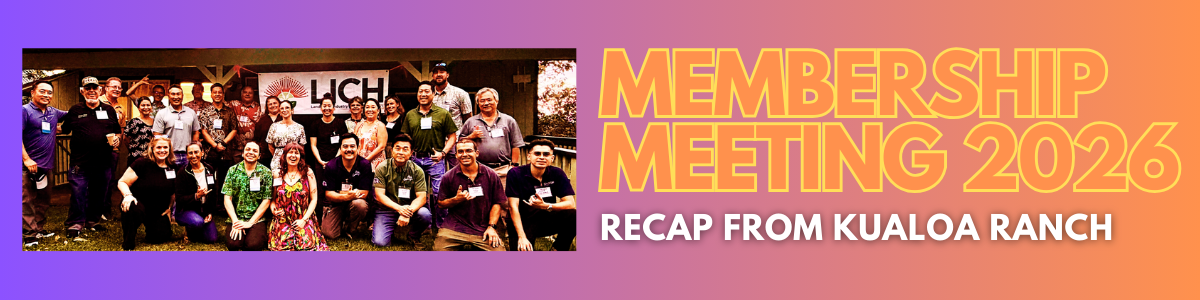
MEMBERSHIP MEETING RECAP
LICH members and guests from Oahu, Kauai, Maui and Hawaii island gathered at Kualoa Ranch for the 2026 membership meeting. The hosts gave a tour around the grounds sharing some of the main points of interest in the area including:
- Pacific White Shrimp and Giant Freshwater Prawn Farm
- 23 terraces of traditional Lo'i Kalo.
- Native waterbird habitats
- 2-acre Market Garden that produces vegetables
Afterwards President Matt Lyum introduced the 2026 board members and shared the progress and challenges that LICH and the industry faces. He encouraged member participation throughout the community, citing the new 2026 legislative session recently called to order. He also invited members to join a LICH Committee.
Dinner, conversation and a few photos followed. “Mahalo to everyone who came out. We look forward to a collaborative and successful year.”
Advertise with Us
Hawaii Landscape magazine is an educational, newsletter that reaches Hawaii’s landscape industry professionals. With a diverse industry readership across the state of Hawaii and beyond, our readers represent some of Hawaii’s most active and influential landscape professionals. As the “Voice of the Green Industry” Hawaii Landscape readers appreciate the authoritative voice on everything from design of great landscapes to irrigation technology, native plants, conservation, community service, small business management, book reviews, machine & tool tips, herbicide & pesticides, invasive species, certifications, and industry events.
Learn more at https://hawaiiscape.com/Advertising_Information
Mahalo to this edition's sponsors.