In this issue
Editors
Hannah Lutgen
Alberto Ricordi
#89 Turf, Golf Courses & Parks (March/April 2026) 
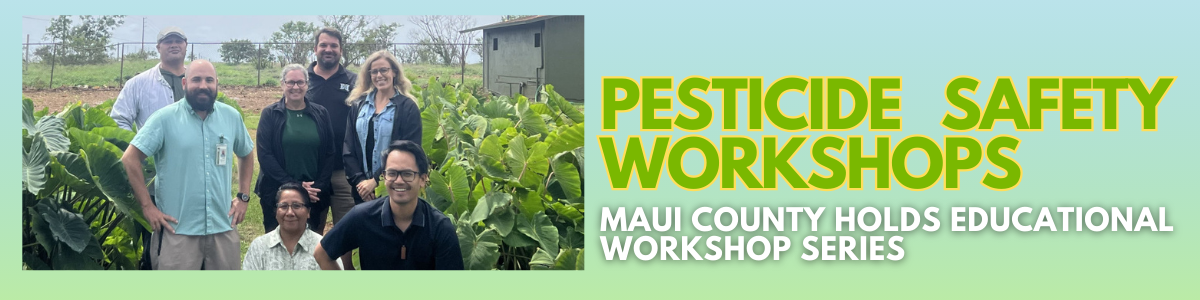
Maui County Pesticide Safety Educational Workshops
By: Mark Dragich, Rosemary Gutierrez-Coarite, Hannah Lutgen, Jennifer Hawkins, Kawehi Horner, Kyle Franks, Maxwell Bendes, and Edmar Castillo.
Due to high demand for more training opportunities, UH Mānoa CTAHR Extension and other agencies collaboratively began conducting pesticide safety workshops in 2025 and 2026 in Maui County, and Mark continues to provide pesticide education across the state.
What are these workshops, and who administers them?
These workshops provide practical, science-based education for conservation professionals, landscape and golf course professionals, commercial farmers, and others who use pesticides in their work.
UH Mānoa CTAHR Faculty and Staff:
Mark Dragich, UH Mānoa CTAHR Assistant Extension Agent and the Pesticide Safety Education Program (PSEP) Coordinator, serves as the lead instructor and covers topics such as pesticide laws, label comprehension, pesticide calculations, and equipment calibration. He shares his 14 years of industry and academic experience along with science-based knowledge to help participants better understand safe and effective pesticide use. He collaborates with the Hawaii Department of Agriculture and Biosecurity (DAB) and the Hawaii Occupational Safety and Health Division (HIOSH), whose education specialists also support these efforts.
Rosemary Gutierrez-Coarite, Maui County Edible Crops Extension Agent, serves as the lead coordinator and has supported these workshops through generous funding from the Hawaii Department of Agriculture. She presented information on plant pests and integrated pest management.
Hannah Lutgen, Maui County Ornamental and Landscape Extension Agent, assists with the coordination and provides education on weed identification and management, ornamental and floricultural crop production, and pest management.
Jennifer Hawkins, Jr. Extension Agent- serves the island of Molokai in the area of edible crops.
Kyle Franks, Jr. Extension Agent - DHHL; working with farmers across Molokai to increase productive capacity and local market influence.
Kawehi Horner, Operations Coordinator, provides administrative, financial, and operational support to ensure smooth office and program operations, helps organize and facilitate workshops in Molokaʻi.
State Agency Partners:
Maxwell Bendes, Hawaii Department of Agriculture and Biosecurity Environmental Health Specialist, serves as a pesticide safety consultant and educator for the State of Hawaii. He contributed significantly to the development of the workshop content and co-teaches the 2-day CORE Skills Pesticide Workshop along with Mark Dragich, and collaborates with Mark and other CTAHR Extension Agents on other educational events and materials.
Edmar Castillo, Compliance Assistance Specialist (CAS) of the Hawaii Occupational Safety and Health (HIOSH) division. In this role, he provides free guidance, training, and resources to help businesses, organizations, and communities to understand and comply with HIOSH regulatory standards. CAS focuses on education and outreach, promoting safety initiatives such as the Hawaii Voluntary Protection Program—an award program given to organizations with outstanding safety and health culture, and the Alliance Program, which fosters collaboration to share safety and health information, develop compliance tools, educate communities on employer and employee rights and responsibilities under HIOSH.
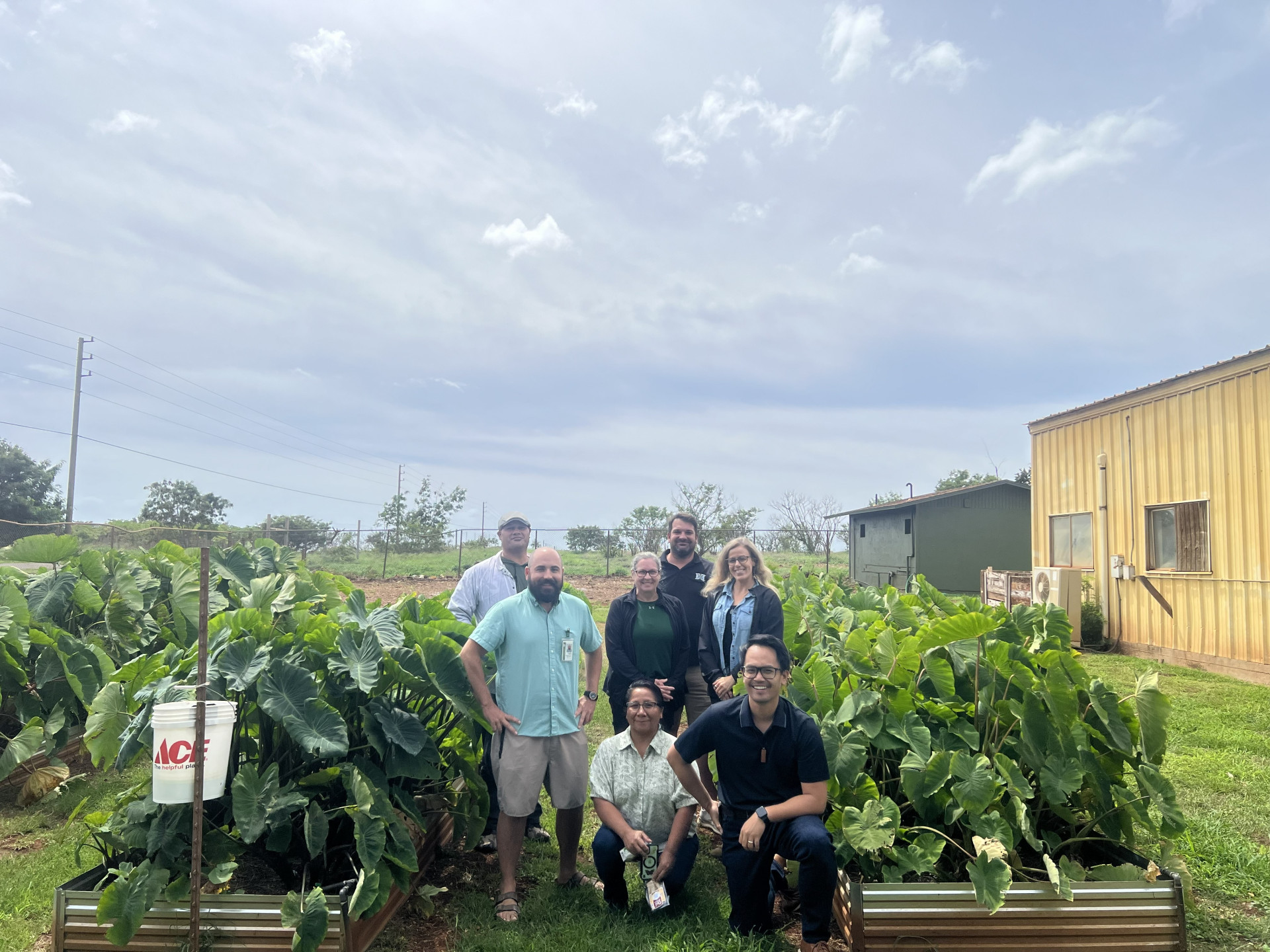
Figure 1. Project team at the Molokaʻi workshop February 18–19, 2026: top left – Kawehi Horner; top center – Mark Dragich; top right – Hannah Lutgen; center left – Maxwell Bendes; middle center – Jennifer Hawkins; lower center – Rosemary Gutierrez-Coarite; lower right – Edmar Castillo.
What is the purpose of these workshops, and where are they offered?
The purpose of these workshops is to help the community better understand pesticide safety, practice calculating pesticide dilutions, calibrate equipment properly, and interpret pesticide labels and laws. UH CTAHR, together with the Hawaii Department of Agriculture and Biosecurity (DAB) and the Department of Labor Hawaii Occupational Safety and Health (HIOSH), strives to empower individuals to use and apply pesticides safely, to reduce human health risks, minimize environmental hazards, and effectively manage pests in landscapes, natural areas, and on farms.
So far, these workshops have been conducted in Lānaʻi, Maui, and Molokaʻi. Mark continues to provide pesticide education statewide.
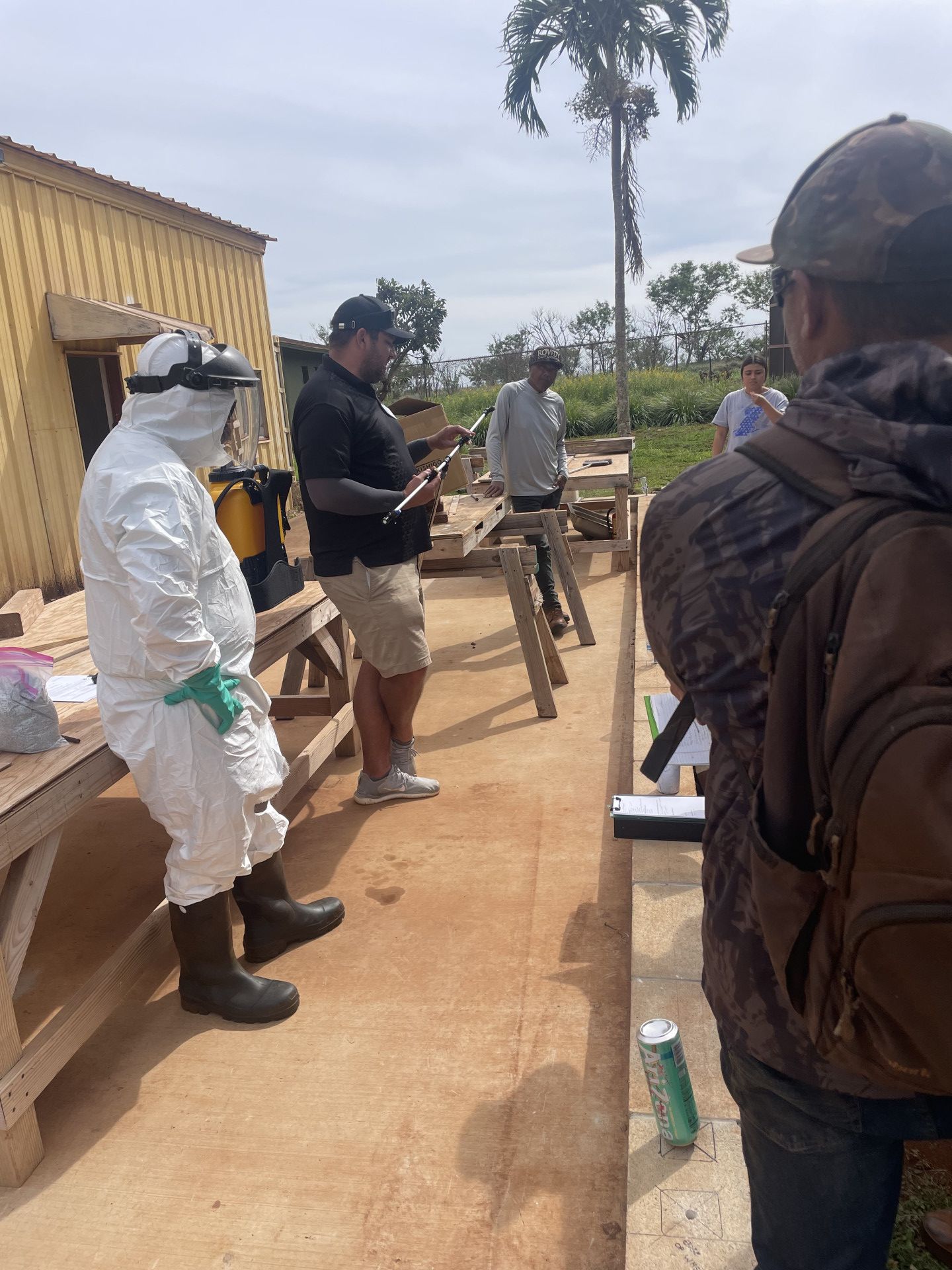
Figure 2. Lead Instructors Mark Dragich and Maxwell Bendes demonstrate proper use of various pesticide equipment at the Molokaʻi workshop.
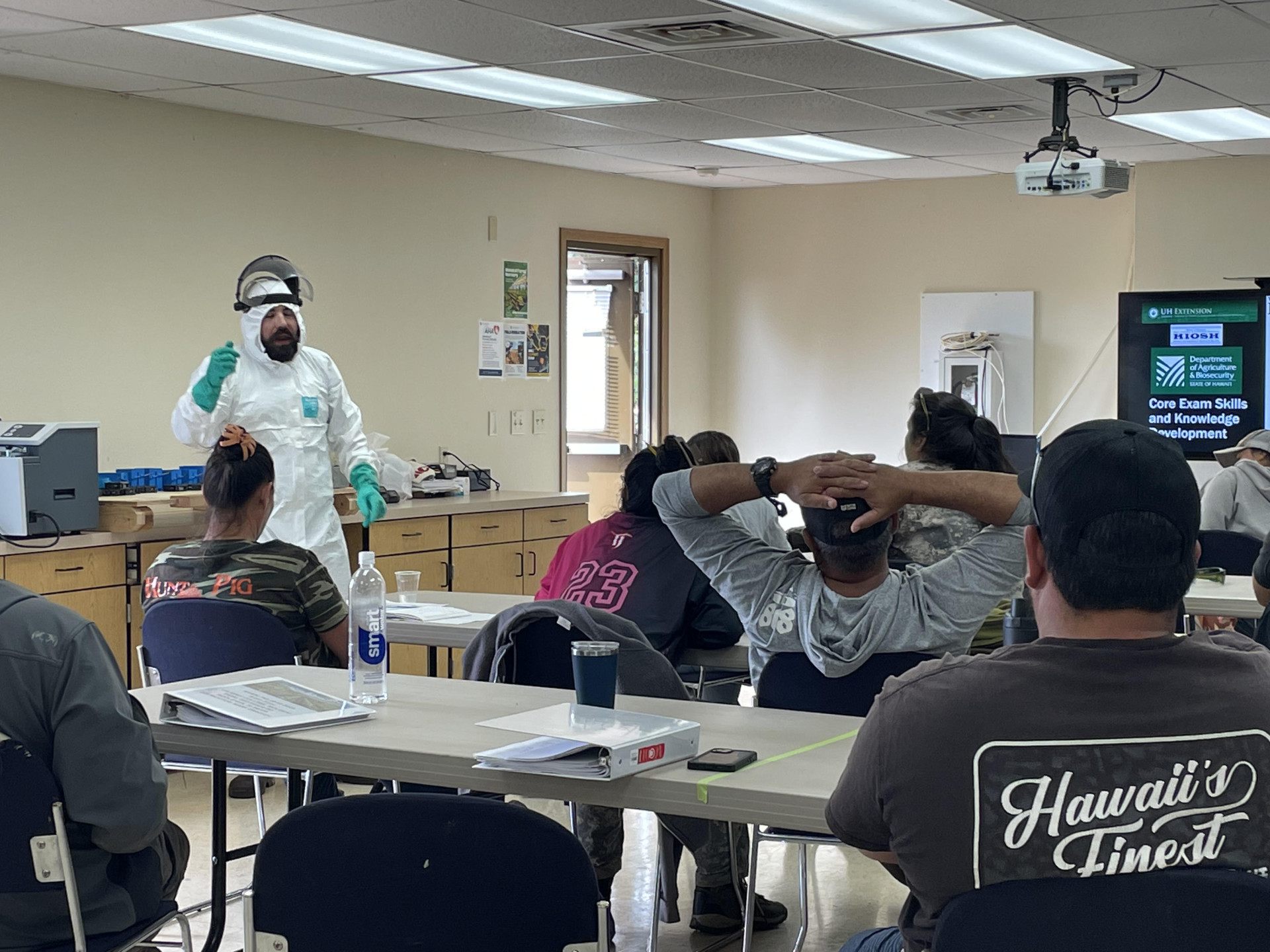
Figure 3. Maxwell Bendes provides education and demonstrates different types of personal protective equipment (PPE) at the Molokaʻi workshop.
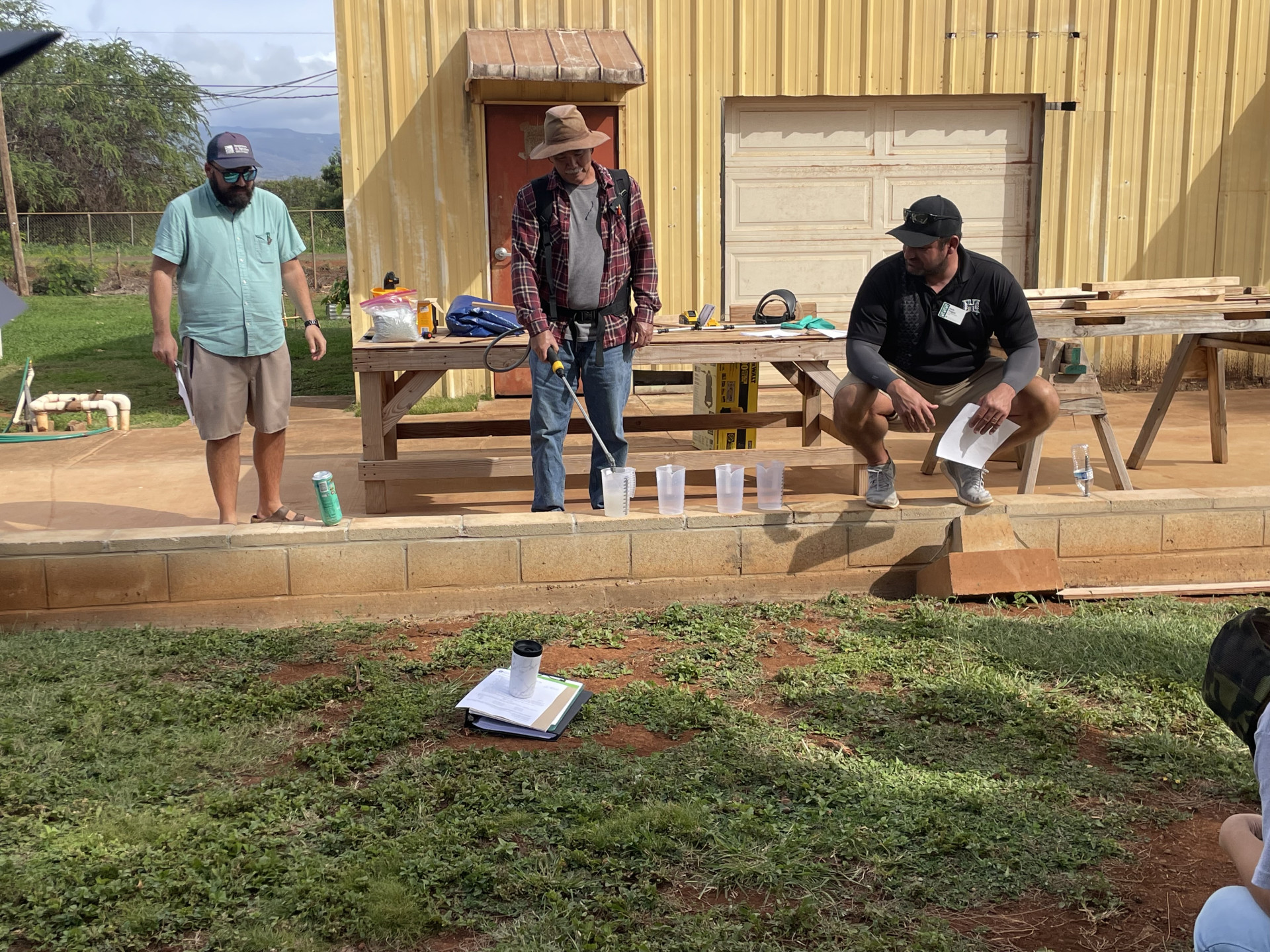
Figure 4. Lead Instructors Mark Dragich and Maxwell Bendes demonstrate the importance of proper pesticide equipment calibration at the Molokaʻi workshop.
Why does pesticide safety matter?
Any employee or individual applying pesticides must follow federal, state, and local laws designed to protect applicators, workers, and the public. Regardless of legal requirements, pesticide safety education helps individuals properly use pesticides to minimize exposure, protect their health, and safeguard the environment. UH CTAHR is non-regulatory; we are here to support the community by answering questions and providing education.
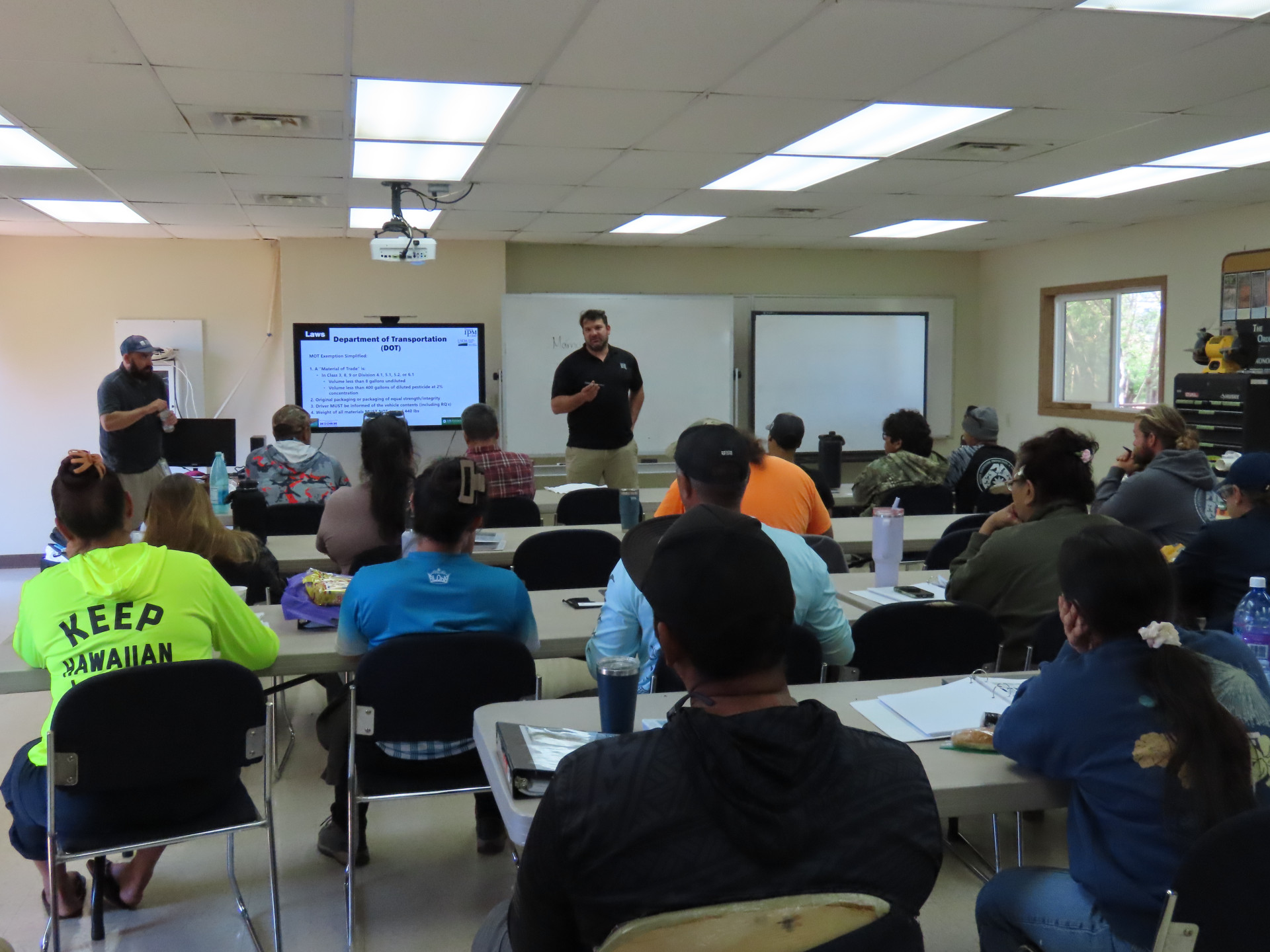
Figure 5. Lead instructors Mark Dragich and Maxwell Bendes teach pesticide application techniques at the Molokaʻi workshop.
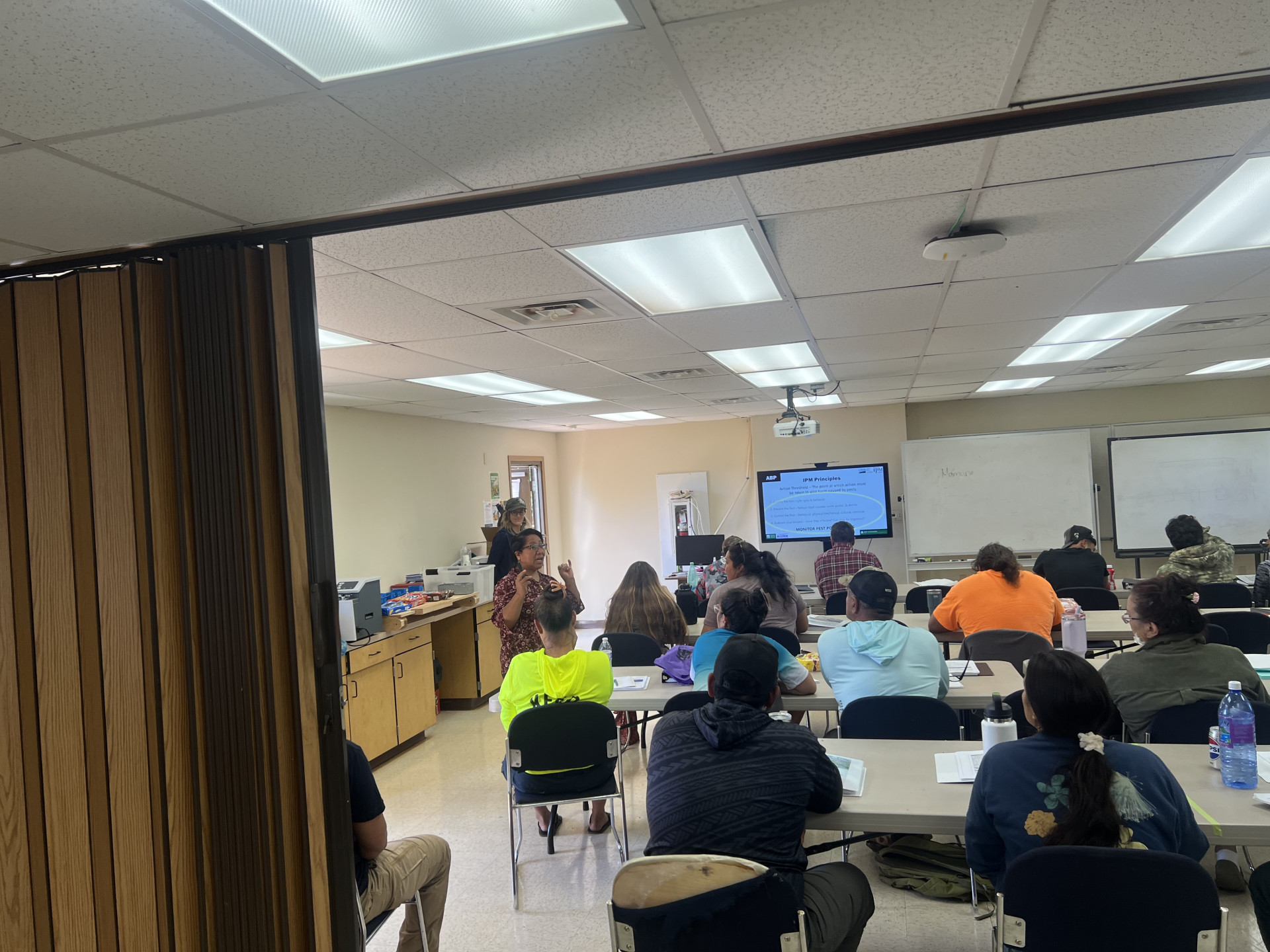
Figure 6. Dr. Rosemary Gutierrez-Coarite provides instruction on insects and integrated pest management, and Hannah Lutgen teaches weed identification and management at the Molokaʻi workshop.
How can someone request pesticide other training courses?
For pesticide training requests, please contact Mark at [email protected]. For questions or educational requests related to edible crops, ornamental and landscape plants, or ecological and conservation topics, please contact your local UH CTAHR Extension Agent.
Mark Dragich*, Assistant Extension Agent and the Pesticide Safety Education Program (PSEP) Coordinator,
Rosemary Gutierrez-Coarite*, Maui County Edible Crops Extension Agent,
Hannah Lutgen*, Maui County Ornamental and Landscape Extension Agent,
Jennifer Hawkins*, Molokai Edible Crops Extension Agent,
Kyle Franks*, Molokai Jr. Extension Agent - DHHL,
Kawehi Horner*, Molokai Operations Coordinator.
* UH Mānoa CTAHR Faculty & Staff.
Maxwell Bendes, Hawaii Department of Agriculture and Biosecurity Environmental Health Specialist,
Edmar Castillo, Compliance Assistance Specialist (CAS) of the Hawaii Occupational Safety and Health (HIOSH) division.
Back to top
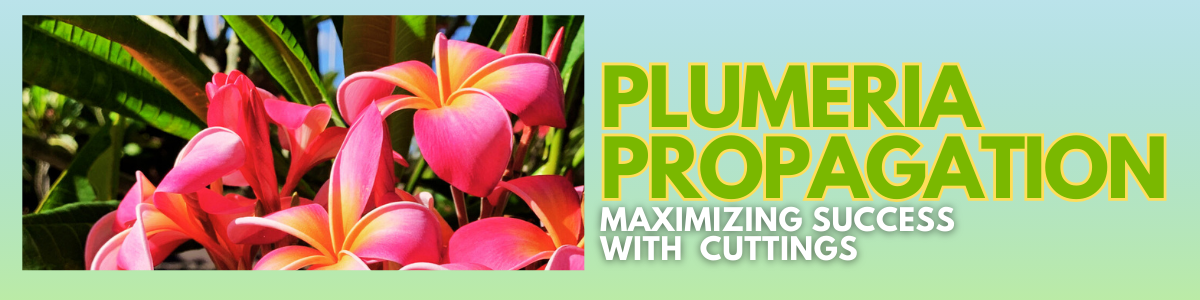
Plumeria: How to Maximize Success when Propagating via Cuttings
By Alberto Ricordi
Plumeria propagation via cuttings is very easy and straight forward. However, I still see and hear from people losing cuttings because the first thing they do is to place cuttings in a bucket of water, treating plumeria cuttings as they would treat a ti leaf cutting. The problem is plumeria cuttings will rot if left in water. This article includes a step-by-step method to increase the chances of rooting plumeria cuttings. More details can be found at CTAHR Extension Publication OF-67 - Propagation of Plumeria via Cuttings (Ricordi and Bolosan, 2025).
Traditionally, people take a cutting from a tree and stick it into a pot or in the ground, with a good chance of success. That's how most people have done it. However, if the cutting comes from a one-of-a-kind cultivar or tree with limited access to cuttings, it is important to maximize the chances of success of getting that special cutting to form roots and grow. This is especially important in a nursery business or mass propagation where the goal is to achieve uniformity and high success rates. That's when the steps described in this article will be most beneficial.
Cutting selection
Rooted cuttings will be clones of the mother plant. Whenever possible, select a cutting that is free of pests and diseases. Cuttings may be harvested year-round, however, it is easier to harvest cuttings in fall when plumeria trees start to lose their leaves and stems are more mature, compared to spring new shoots that are very succulent and wilt easily after being cut from the mother tree. Criley (2005) and Little (2006) describe popular plumeria cultivars in Hawaii.
When harvesting a cutting, tip or branched cuttings 1-2ft long are preferred (Criley, 2005). Always sanitize your tools between plants. Refer to extension publication OF-54 (Galanti and Lutgen, 2021) for details on cleaning and sanitizing tools. Tip cuttings are recommended to produce upright single trunk trees (Figure 1). Branched cuttings with multiple growing tips are more suitable when starting trees used for lei flowers, where a compact shape with low flowering branches are desirable, for easy flower harvesting. Large cuttings can be rooted and are commonly used when a certain branch structure and taller height is desired. However, large branches need to be supported with multiple stakes or scaffolding until the tree is well established, which can take years, to prevent movement and roots from breaking. The extra staking and scaffolding require additional labor and care.
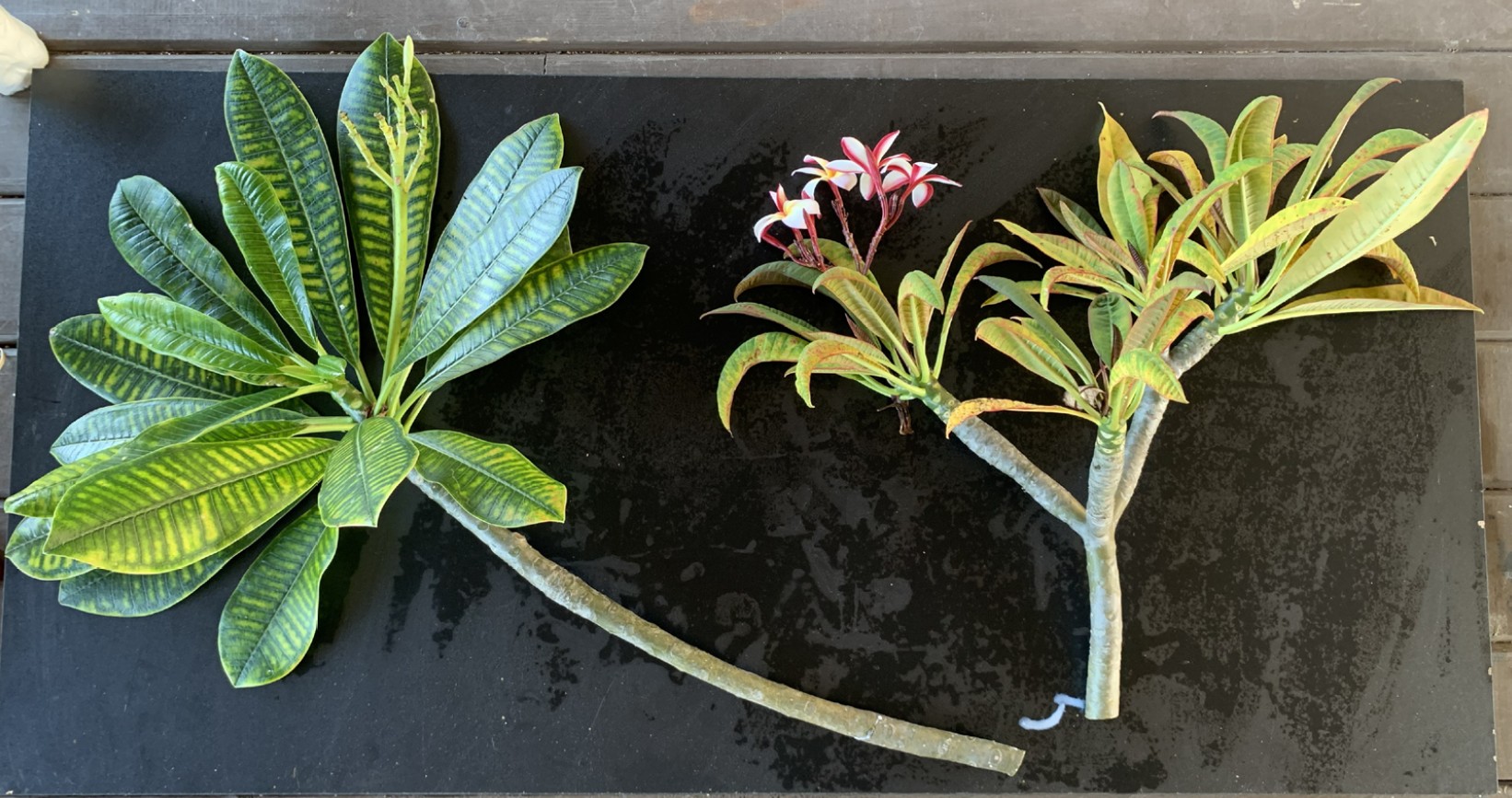
Figure 1. The cutting on the left is a tip cutting. The cutting on the right is a branched cutting.
Cutting preparation
After harvesting the cuttings, remove all the leaves and inflorescences, leaving only new, immature leaves (Figure 2). Removing the leaves reduces water loss and increases the chance of rooting success. Use pruning shears to cleanly cut the leaves off, leaving about a quarter to half an inch of the petiole protruding from the stem. Do not pull or pluck the leaves off the cutting because that can lead to wounding. Wounds make the cutting more susceptible to pests and diseases. With time, the petioles will dry out and naturally fall off the cutting.
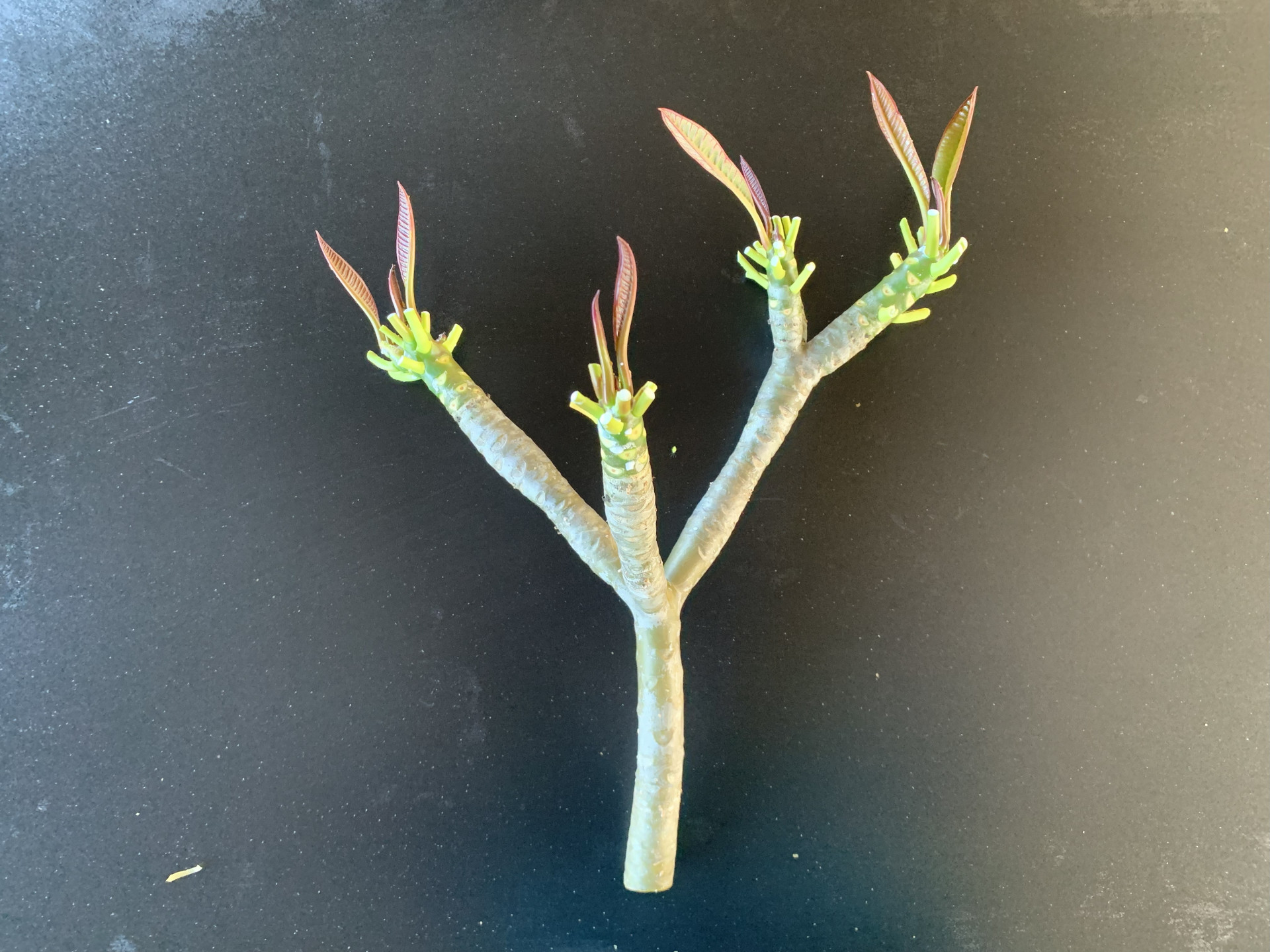
Figure 2. Branched tip cutting with the mature leaves and inflorescences removed, leaving only the new, immature leaves.
Treatment with rooting hormone and wrapping cutting
Certain cultivars have difficulty rooting and benefit from the use of rooting hormone (0.1% or 0.3% indolebutyric acid - IBA). Applying a sticky plastic wrap (e.g. Saran wrap) to the base of the cutting prevents dehydration and has shown to be beneficial in the formation of callus and new roots (Figure 3). If a non-stick plastic wrap is used, rubber bands can be used to secure the wrap, however, it is important to not attach the rubber band too tightly or it will girdle the cutting.
Steps:
1. Apply rooting hormone powder (0.1% or 0.3% indolebutyric acid - IBA).
2. Cut a small square of plastic wrap, around 4 X 4 inches.
3. Place the base of the cutting onto the middle of the square.
4. Fold the rest of the plastic wrap square onto the cutting, making sure the base of the cutting is fully and flatly covered.
5. If needed, use a rubber band around the wrapped area if the wrap is non-stick.
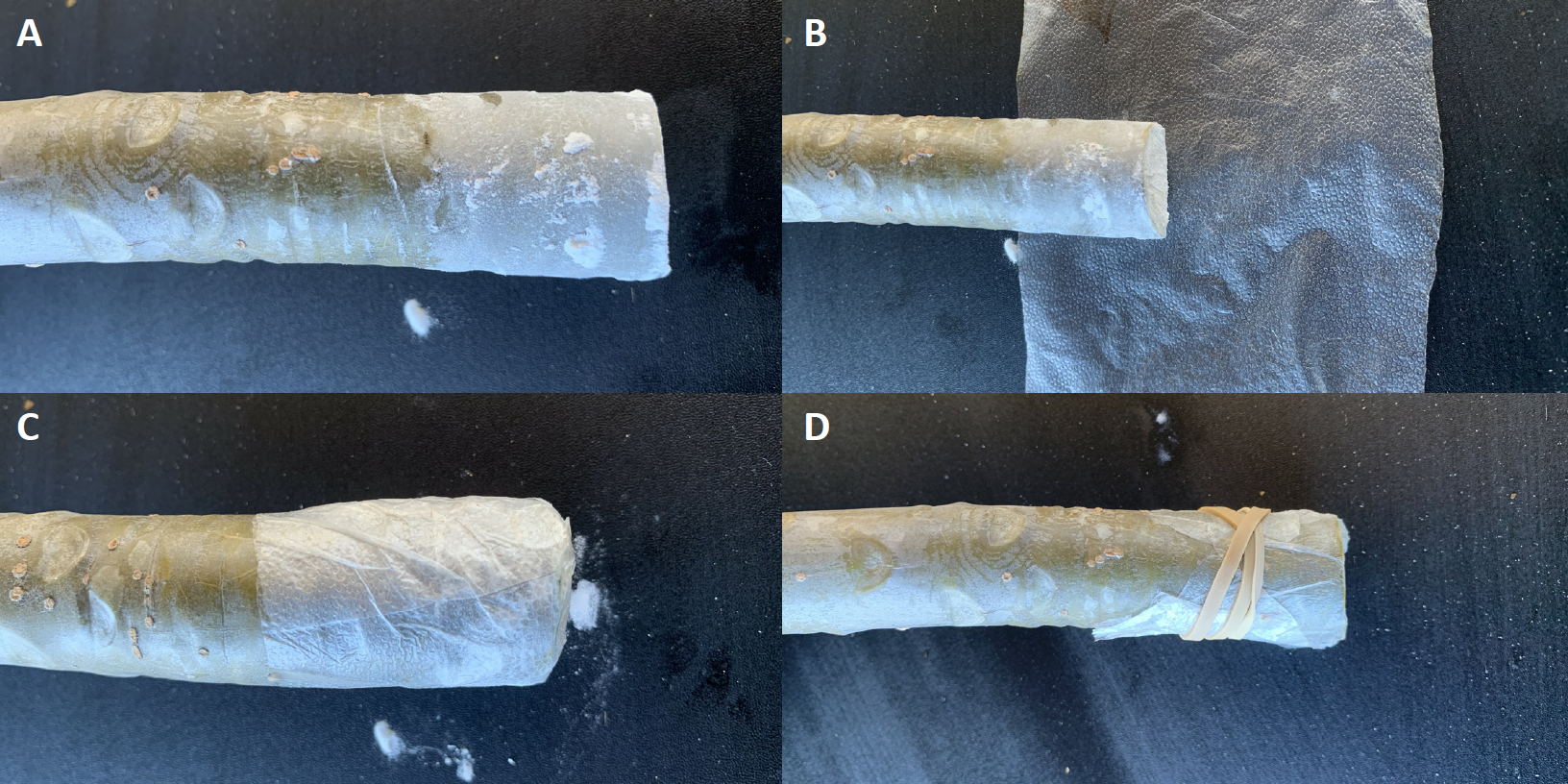
Figure 3. Details of a cutting treated with rooting hormone powder and wrapped with plastic wrap. Rubber band is optional and should be snug but not too tight.
Curing and formation of callus or young roots
Keep cuttings in a shaded, dry, and cool environment until callus and/or roots are visible (Figure 4). Do not leave cuttings in water - this will cause the base of the cuttings to rot. Cuttings are ready to be planted when callus and/or roots are visible.
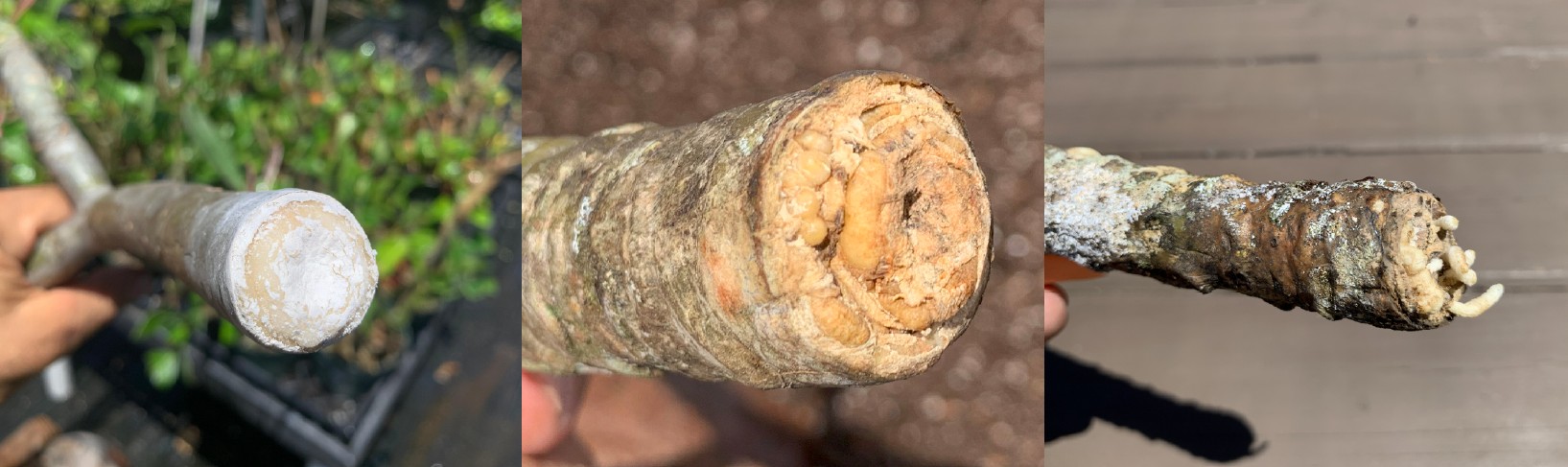
Figure 4. Left, Center: Callus and root initiation may be visible within 2 to 3 weeks after cutting is prepared. Right: New roots will form in callused cuttings with wrapped base or in moist environments.
Planting
Plumeria can be cultivated in pots or planted directly into the ground (Figure 5). Plant cuttings approximately 2” to 4” deep to secure the cutting in place. As mentioned before, large cuttings require stakes or scaffolding. Cuttings kept in deep shade during the curing process must transition to sunlight gradually, to prevent sun scalding and potential loss of the cutting from dehydration. Cuttings may be planted directly in the field considering they are acclimated to full sun and watering is intermittent. Cuttings may rot if the field is permanently saturated, therefore, allow soil or potting mix to dry completely between waterings. New leaf growth is an indicator of successful root development. As noted in Criley (2005), once established in the ground, a plumeria tree can reach 10–12 feet in 6 years, given adequate fertilizer and moisture. Fertilize plumeria with 10-30-10 every three to four months at about 1 lb. per inch of trunk diameter, distributing the fertilizer around the plant to 2 feet beyond the foliage dripline. Refer to Criley (2005) for more planting recommendations, pests and diseases.
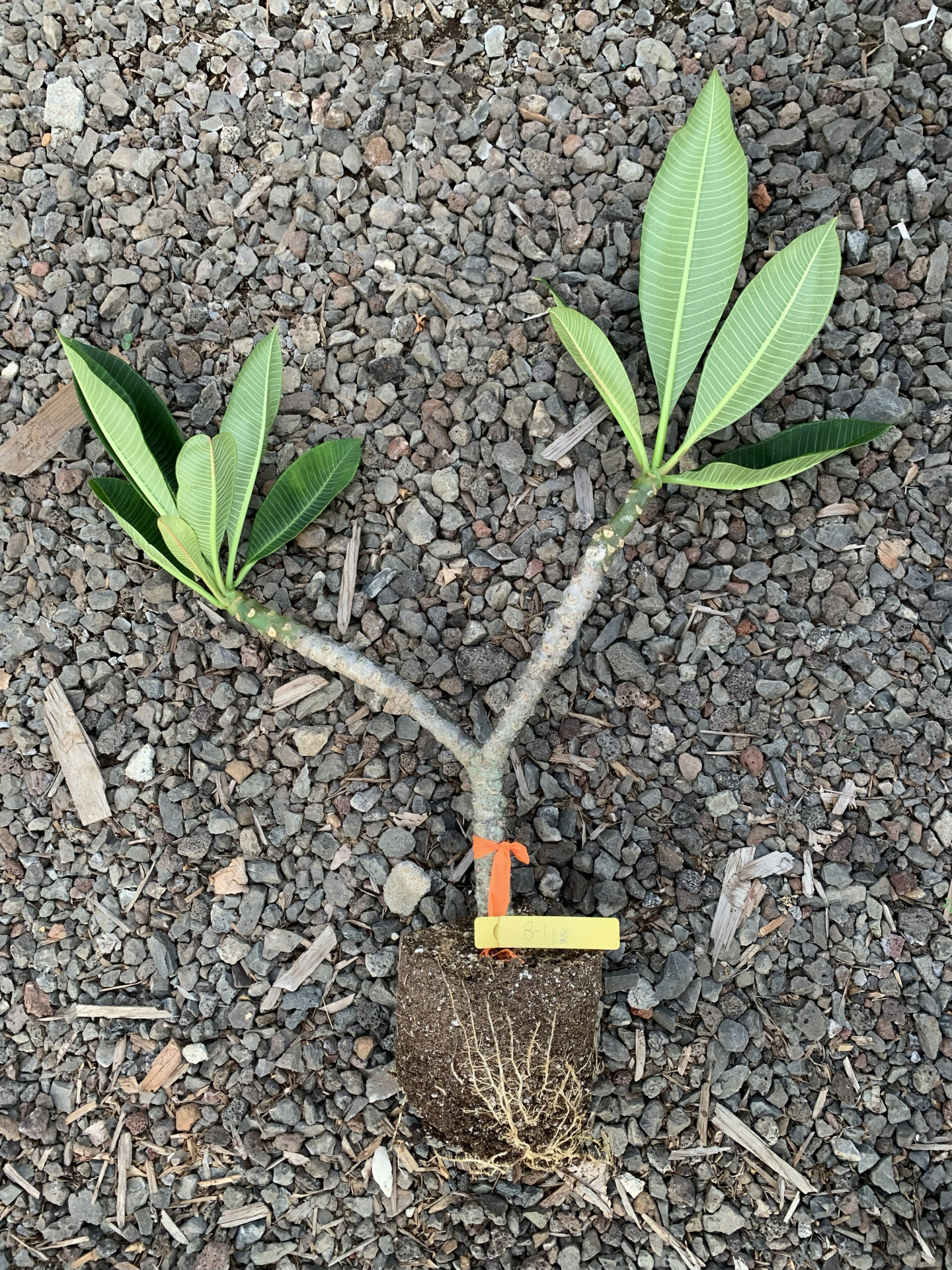
Figure 5. Cutting rooted in a 1-gallon pot (pot was removed for picture). This plant is ready for planting in the field or up potted into a large container.
References:
Criley, R.A. 2005. Plumeria in Hawai‘i. OF-31 (Ornamentals and Flowers). College of Tropical Agriculture and Human Resources, University of Hawai‘i at Mānoa. http://www.ctahr.hawaii.edu/oc/freepubs/pdf/OF-31.pdf
Galanti, R., and H. Lutgen. 2021. Greenhouse and Nursery Sanitation: Tools, Equipment, Workers, and Visitors. OF-54 (Ornamentals and Flowers). College of Tropical Agriculture and Human Resources, University of Hawai‘i at Mānoa. http://www.ctahr.hawaii.edu/oc/freepubs/pdf/OF-54.pdf
Ricordi, A., and D. Bolosan. 2025. Propagation of Plumeria via Cuttings. OF-67 (Ornamentals and Flowers). College of Tropical Agriculture and Human Resources, University of Hawai‘i at Mānoa. https://www.ctahr.hawaii.edu/oc/freepubs/pdf/OF-67.pdf
Little, J. 2006. Growing Plumerias in Hawai‘i and Around the World. Mutual Publishing, Honolulu. 130 p.
Alberto Ricordi, Ornamentals and Landscape Assistant Extension Agent, Department of Tropical Plant and Soil Sciences, Cooperative Extension, Oahu County, CTAHR, University of Hawaii at Manoa. [email protected]
Back to top
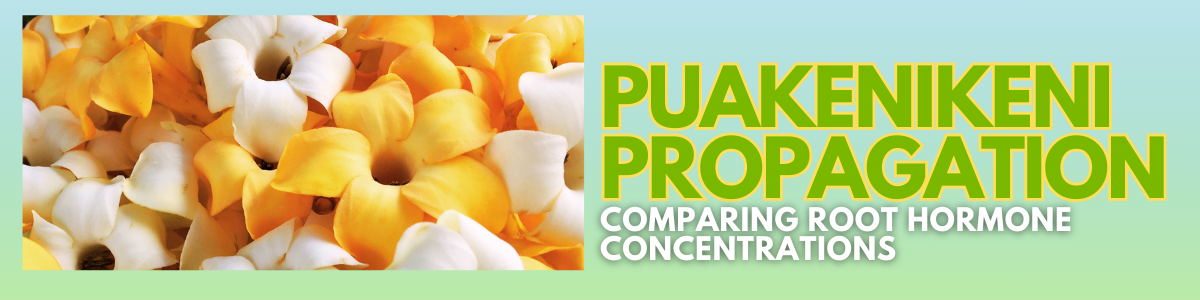
Propagation of Puakenikeni
By Alberto Ricordi
Puakenikeni (Fagraea berteroana) is a popular flower in lei making in Hawaii, especially during graduation season and mothers day, which coincide with the flowering period. Most of the propagation is done via air layers, to promote early flowering. Propagation via rooted cuttings has been reported in the literature, however, there is no information in regard to best practice, and it is a common question asked to the University of Hawaii at Manoa Cooperative Extension Services. This article shares results from a propagation trial presented at the American Society of Horticultural Science 2025 Annual Conference.
Materials and Methods
This trial used different powder rooting hormones to compare their effectiveness in propagating semi hardwood cuttings of puakenikeni.
Four treatments: no rooting hormone, 0.1%, 0.3% and 0.8% IBA talc. 20 cuttings per treatment.
Semi hardwood tip cuttings were dipped in rooting hormone depending on treatment.
Base of cuttings was inserted 2 inches in a mix of 50% perlite and 50% vermiculite. No prep insert hole.
Placed in a mist bench for 2 months, set for 15 seconds, mist every 20 minutes under 40% shade.
Results
After two months the control treatment with no rooting hormone had only 10% rooting. The 0.1% IBA and 0.3% IBA had 30% and 10% rooted cuttings, respectively. The 0.8% IBA treatment had 85% rooting success.
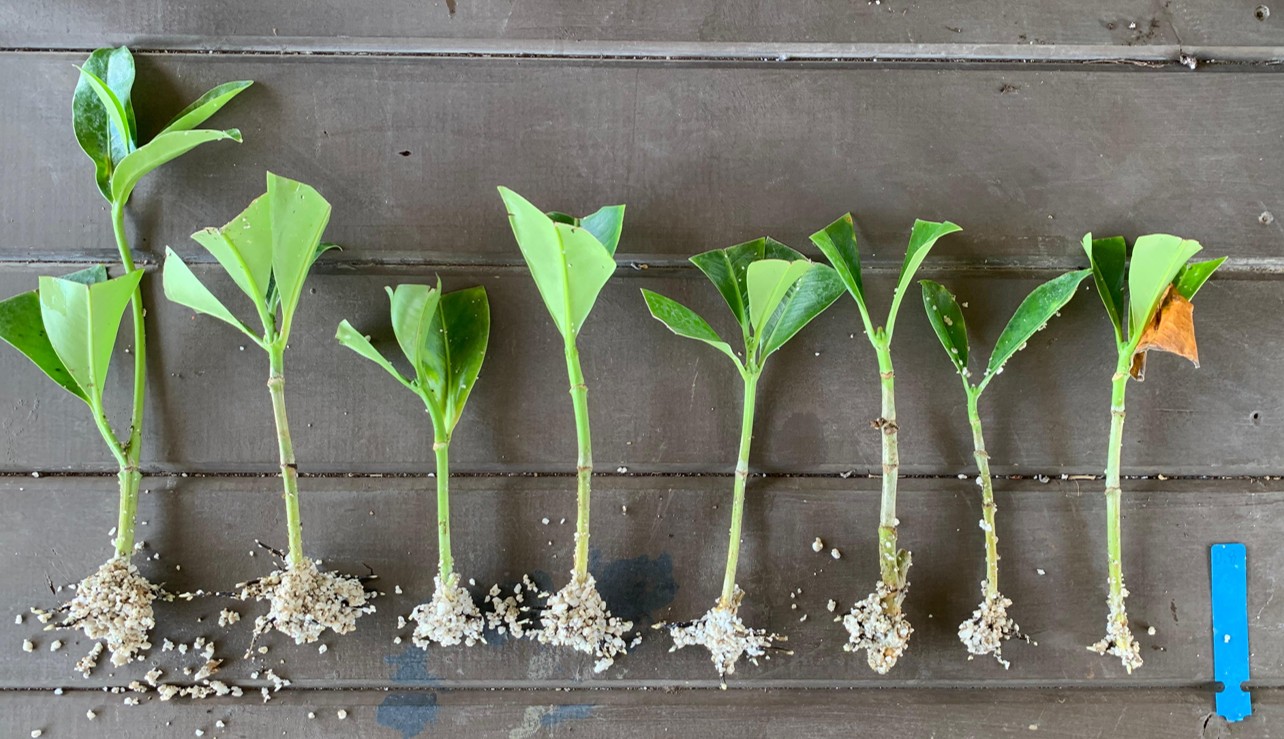
Figure 1. Cuttings treated with 0.8% IBA (Hormex 8) had 85% rooting success.
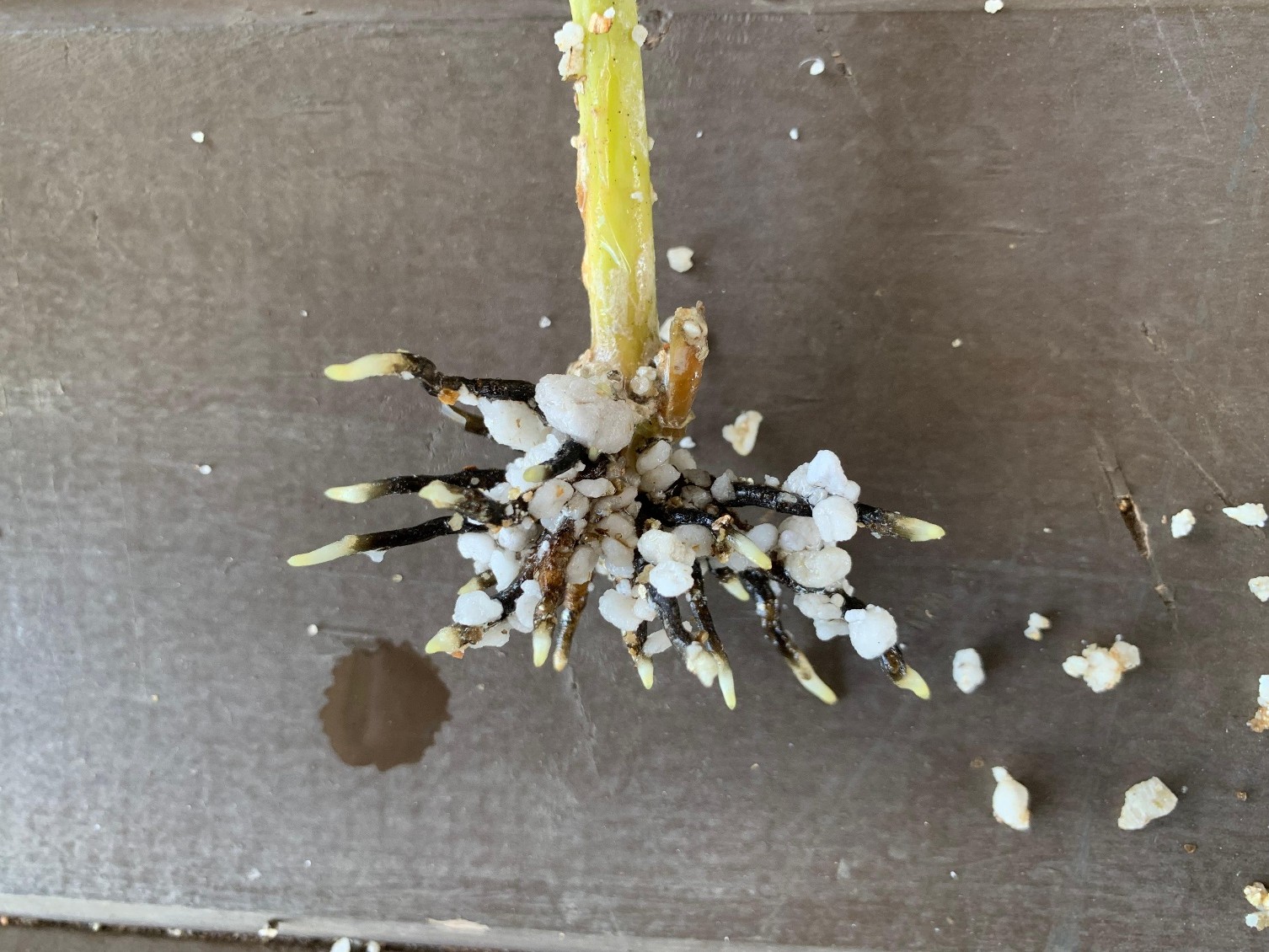
Figure 2. Detail of roots. The black roots are normal, the white tips indicate healthy roots. This cutting is ready to be uppotted.
Conclusion
Results from this trial indicate that a rooting hormone with 0.8% IBA should be used when rooting semi hardwood cuttings of puakenkeni (Fagraea berteroana) in intermittent mist. Cuttings can develop roots and be uppotted in 2 months.
Mahalo to Craig Hara (UGC Master Gardener) for the cuttings!
Alberto Ricordi, Ornamentals and Landscape Assistant Extension Agent, Department of Tropical Plant and Soil Sciences, Cooperative Extension, Oahu County, CTAHR, University of Hawaii at Manoa. [email protected]
Disclaimer: Mention of a trademark or proprietary name does not constitute an endorsement, guarantee, or warranty by the University of Hawaiʻi Cooperative Extension or its employees and does not imply recommendation to the exclusion of other suitable products.
Back to top
MemberTalk
By: Hannah Lutgen
I recently had the pleasure of interviewing Mark, the new pesticide educator at the University of Hawai‘i at Mānoa College of Tropical Agriculture & Human Resilience (CTAHR). Without further ado, let’s meet Mark and learn about pesticide safety.
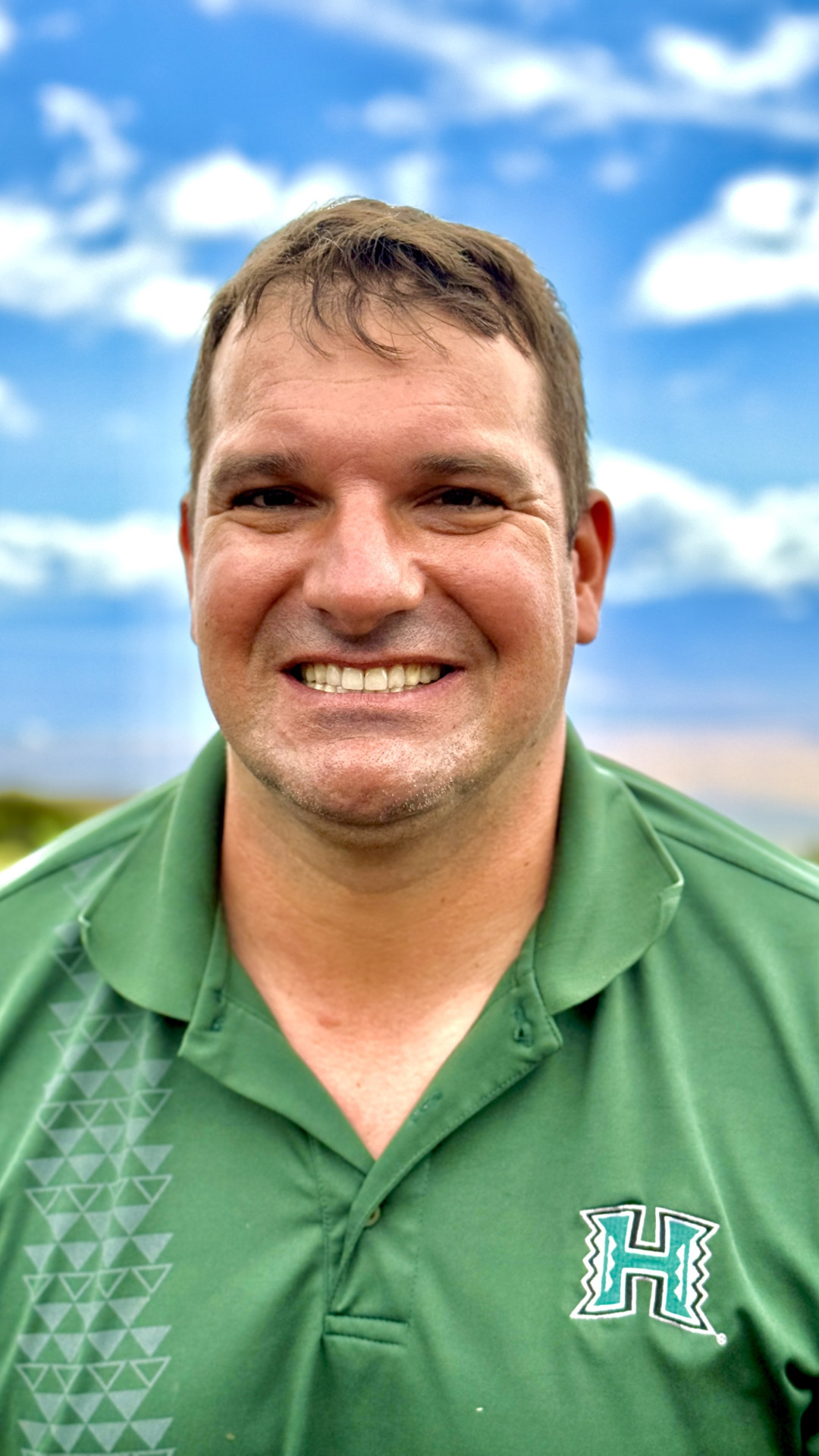
Figure 1. Mark Dragich, UH Mānoa CTAHR Assistant Extension Agent and Hawaii Pesticide Safety Education Program (PSEP) Coordinator.
Q1. Aloha Mark, thanks for your time today. Please tell me a little bit about yourself and your background. Have you worked with pesticides before?
Hey Hannah, I came into this position at CTAHR about a year ago, to the same department where I earned my Master of Science (MS) in Tropical Plant Pathology 11 years ago, the Plant Environmental Protection Services (PEPS) Department. In those 10 years away from CTAHR, I have been working in the private sector in the agriculture industry, where I gained a lot of pesticide experience working with several crops.
Q2. Please tell me about your current role. What are your primary responsibilities and goals in this position? Where are you located and how can someone contact you?
My current role is split into two parts. The first is serving as the state's Pesticide Safety Education Program (PSEP) Coordinator, where my duties are to work closely with the Department of Agriculture and Biosecurity (DAB) on educational content and trainings for Restricted Use Pesticide (RUP) Certification and re-certification. I also work with General Use Pesticide users and members of the public interested in safe pesticide use.
The second part of my job involves invasive species management, where I provide education and knowledge about management techniques and consult with local communities on how to manage these challenges.
Q3. What are the different types of pesticide certification?
In Hawaii, there are two types of Restricted Use Pesticide (RUP) certifications: the private and commercial. Both have several categories depending on the type of work that the certificate holder performs. For example, a commercial Category 10 certified applicator can conduct research and demonstrations, while a Category 4 certified applicator can do aerial applications.
Q4. What is a Restricted Use Pesticide (RUP), and what are the requirements to use them?
There are two types of RUP: federally restricted and state restricted. All federally restricted use pesticides are restricted in Hawaii, with some additional products restricted by the state of Hawaii to protect our people and environment. Both types of RUPs are treated the same and require an RUP certification in the relevant category to purchase and use.
Q5. How does someone know if they need to get a RUP certification?
If you need to use restricted use pesticides for your job, purchase them, or direct their use, you will need an RUP certification.
Q6. How can someone study and prepare to take the pesticide test?
You can visit this website: https://cms.ctahr.hawaii.edu/epp/ or attend one of the 2-day courses that are offered throughout the state. You can also contact me at [email protected] for the class schedule.
Q7. What are some useful resources? Where can someone find current information about Federal and State of Hawaii pesticide laws, find pesticide labels, and other useful information?
You can read about the Federal Insecticide, Fungicide, and Rodenticide Act (FIFRA), the federal law regulating pesticides, here: https://www.epa.gov/enforcement/federal-insecticide-fungicide-and-rodenticide-act-fifra-and-federal-facilities
Hawaii State pesticide laws can be found here:
https://dab.hawaii.gov/pi/pest/pesticides-rules-and-laws/#:~:text=Hawaii%20Revised%20Statutes%2C%20Administrative%20Rules%2C%20Chapter%2066,Act%2045%20(2018)%20%E2%80%93%20New%20pesticide%20use
If you are interested in learning which pesticides are registered in Hawaii, you can check the Hawaii Department of Agriculture and Biosecurity (DAB) website for current label registrations and view labels:
https://dab.hawaii.gov/pi/pest/licensed-pesticides/
Q8. Where can someone find information about upcoming pesticide education trainings or events that offer continuing education units?
You can check the two-day course schedule at: https://cms.ctahr.hawaii.edu/epp/Education/Short-Course-Schedule
Or you can get informed via the RUP Certified applicators listserv held by DAB for those that are certified, or you can contact me at [email protected] to be added to the Oahu County listserv, which disseminates fliers and sign-ups.
Q9. How many Continuing Education Units (CEUs) do I need to maintain my license?
Each category is different, so be sure to check your account on the DAB website, which you will create when you register for the exam. Generally, it takes 25-30 CEUs to be able to re-certify without testing again.
Q10. What is something that you would like to share with pesticide applicators?
Your best friends are your labels and SDSs. Read them both thoroughly before purchasing or using any pesticide.
Q11. Do you have any tips or suggestions for pesticide applicators or folks interested in learning about pesticide safety?
Please join our workshops and short courses! We are happy to share information and add more classes based on your level of interest and experience, so just let me know, and I can accommodate!
Q12. What are your passions or hobbies outside of work?
I love spearfishing, fishing, and video games in my free time. Hawaii is the perfect place for the outdoor activities that I love!
Hannah Lutgen, Maui County Ornamental and Landscape Assistant Extension Agent, UH Mānoa CTAHR, and Mark Dragich, UH Mānoa CTAHR Assistant Extension Agent and the Pesticide Safety Education Program (PSEP) Coordinator.
Back to top
In Tribute
By: Carol Kwan
Edited reprint of the article featured in Western Arborist.
Tom Dinell passed away on December 9, 2025, at the age of 97. While he wasn't a big name in the field of arboriculture, his impact in Honolulu has been impressive. Sometimes those from other fields make positive things happen just because they love trees.
In 1965, Tom launched the urban and regional planning discipline at the University of Hawai‘i at Mānoa, taking it from a program to a full-fledged department. I was fortunate to have heard him speak at an Aloha Arborist Association meeting many years ago with one of his protégés, Roxanne Adams, the current administrator of the City and County of Honolulu’s Division of Urban Forestry. He spoke about how hot Honolulu was getting, and about how he had noticed that the streets with trees were much cooler than those without when he went walking. He went around to various organizations, politicians, and others – pretty much anyone who was willing to listen – to drum up support for planting more trees now to confront climate change, improve livability, and create a better tomorrow. He was starting a nonprofit, Trees for Honolulu’s Future(TFHF), and he wanted everyone to join him. As his daughter, Helen (Dinell) Neff, said, “Who starts an organization when they're 88 years old? Of course, it would be Tom Dinell!”
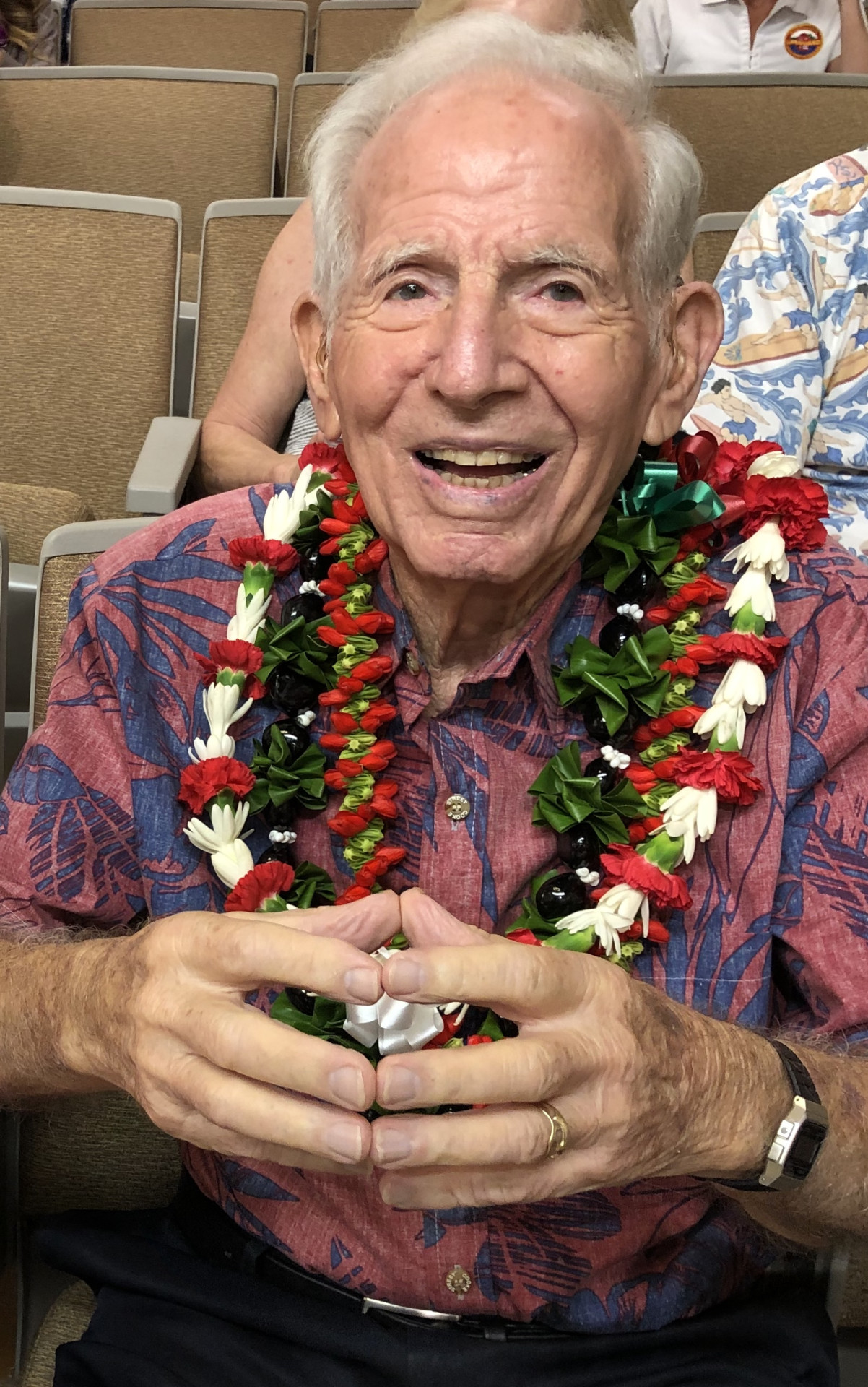
Figure 1. Tom Dinell at a City Council Meeting. Photo credit: Dan Dinell and Carol Kwan.
Here's a brief timeline for Tom’s process:
May 2016: Tom writes an opinion piece for the Honolulu Star-Advertiser newspaper, Honolulu will need many more trees to stay cool as the world climate warms up.
2016: Tom brought together like-minded individuals to establish Trees for Honolulu’s Future (TFHF). They set their vision: a tree-filled island that preserves and enhances the quality of life, especially in the face of climate change.
2017: TFHF launched the annual "We❤️Trees!" art contest with former TFHF board member and now State Legislator, Lisa Marten. Rooted in classroom conversations, the contest allowed keiki to express the benefits of trees through art, following Tom’s belief that youth could teach adults. This contest has engaged thousands of children and families over the years.
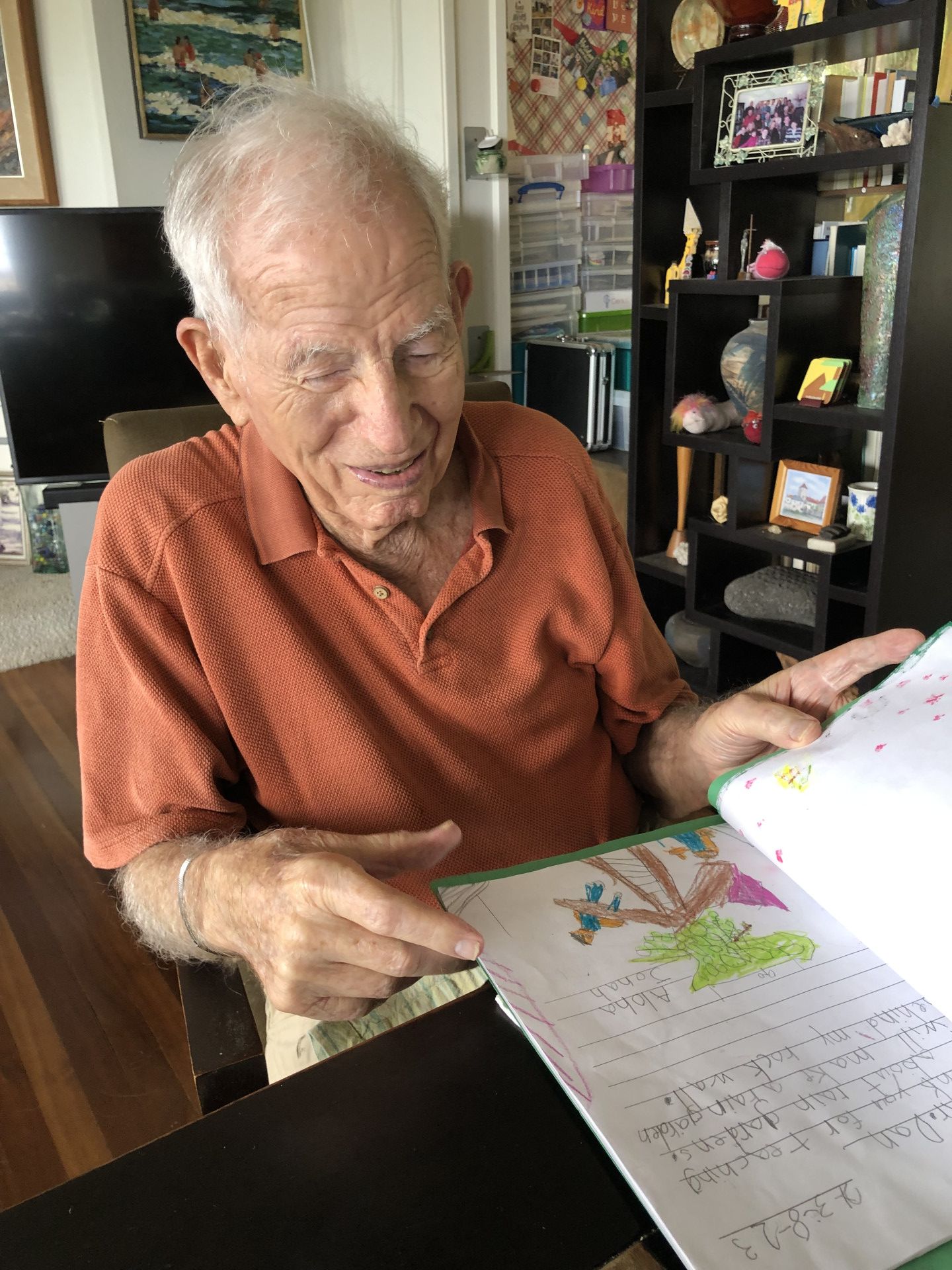
Figure 2. Tom looking at children's letters. Photo credit: Dan Dinell and Carol Kwan.
2018: Tom turned 90 just before the "Growing Our Urban Forest Conference", where hundreds of policymakers, arborists, community leaders, architects, planners, developers, business leaders, and residents attended. This event led to the Honolulu City Council Resolution 18-55, setting a city policy to increase Honolulu’s urban tree canopy by 35% by 2035.
2019: Tom wrote an essay, "If Only Trees Could Talk", described as something that should be required reading annually for every middle and high school student.
2020: Tom wrote another op-ed, "Honolulu’s Need for More Trees is Now!", urging citizens to want and demand more trees.
2021: After Tom spoke with Maui tree advocates and learned that many people want trees but lack the guidance on selection and care, TFHF and Healthy Climate Communities launched an online resource, RightTreeHawaii, to help people choose the right tree for their space.
2022: Tom helps conceive a Honolulu Theatre for Youth show about trees. So far, over 50,000 children and families have enjoyed this episode from Emmy-Award winning show "The HIWay."
2023: With Tom’s help, TFHF published "Trees for Kaimukī: A Replicable Model for Communities", capturing lessons learned from grassroots organizing and sharing them to amplify collective impact.
2024: Tom attended the dedication of a new mini-park in honor of Sharon Schneider, a Kaimukī community activist, on a once-neglected remnant parcel. Along with the rain garden blessed the prior year, these proof-of-concept projects demonstrate a Tom Dinell principle: small actions can create meaningful change.
2025: Tom issued one final challenge to the TFHF board at its annual meeting: "Make Honolulu a city in the trees!" This last TFHF event that he attended brought him great joy, seeing others carry forward the movement he started.
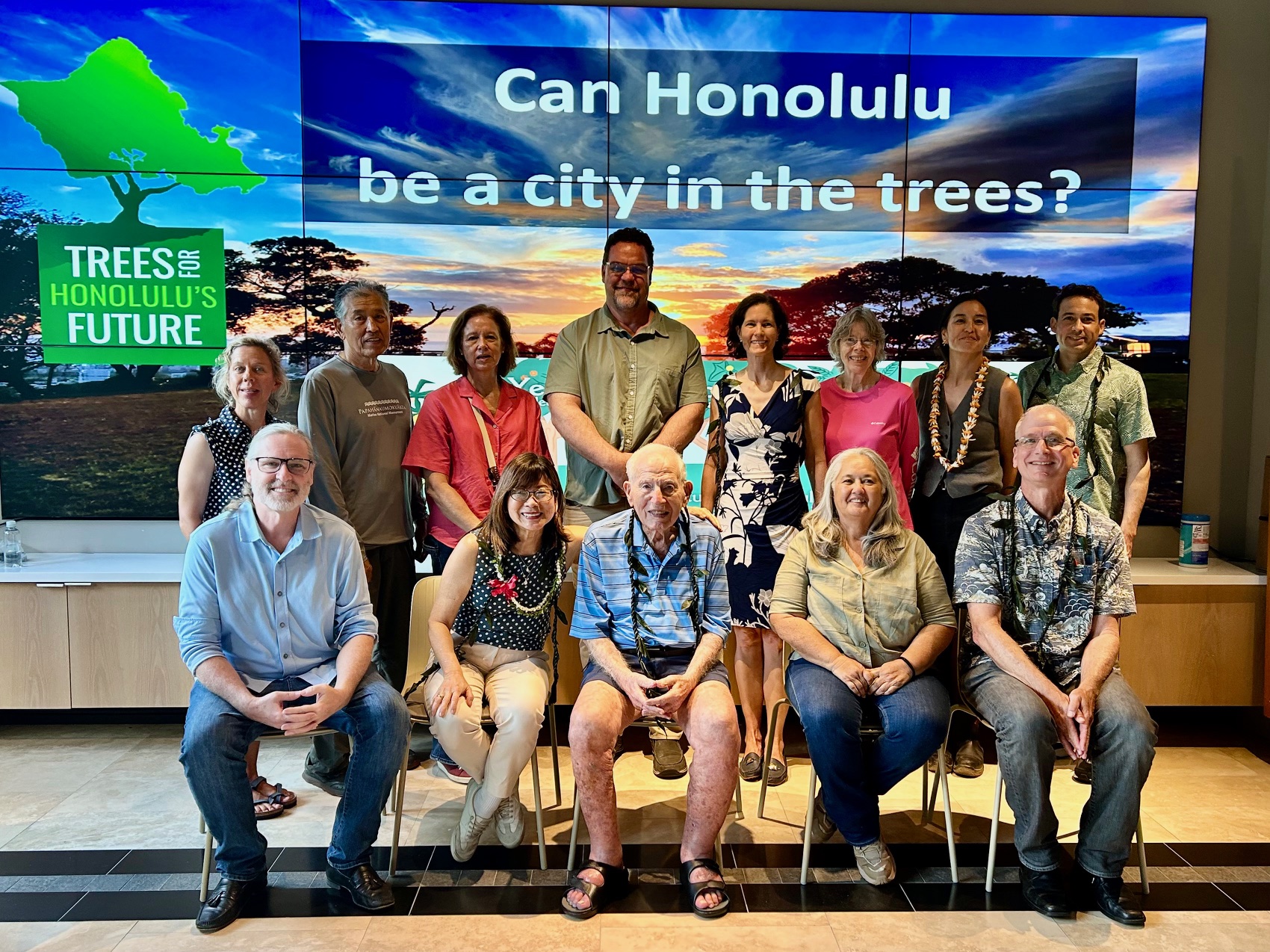
Figure 3. Tom at the TFHF annual 2025 meeting. Photo credit: Dan Dinell and Carol Kwan.
If you’re interested in learning more about this amazing man and finding the links to the various publications and videos, please visit https://mailchi.mp/4412f51cd57a/tom_dinell_tree_lover?e=69d092c83f.
Mahalo to Dan Dinell, who was named as President of TFHF in 2019 and is leading the board, staff, and many volunteers in carrying on the work his father started. Dan also contributed to and reviewed this article and provided photos.
Carol Kwan, president of Carol Kwan Consulting LLC and the treasurer of Aloha Arborist Association, past president of Western Chapter ISA (WCISA).
Back to top
Event Recap
By: Matt Lyum
Hundreds turned out on February 26, 2026, to meet Hawaii’s agricultural Industry stakeholders. Farmers, local food product businesses, educational institutions, government agencies, researchers, and industry organizations were all present, filling the 4th Floor of the Hawaii State Capitol rotunda.
This was the sixteenth Ag Day event, and more than 60 exhibitors traveled to the Hawaii State Capitol to engage with the public and local officials.
Ag Day is sponsored by the Hawaii Farm Bureau. Representing the agriculture issues of the landscape industry were Christy Martin of the Coordinating Group of Alien Species, Dr. Cheng of UH Mānoa CTAHR, Arisa Barcinas of the Coconut Rhinoceros Beetle Response team, and the new LICH corporate member, Kualoa Ranch.
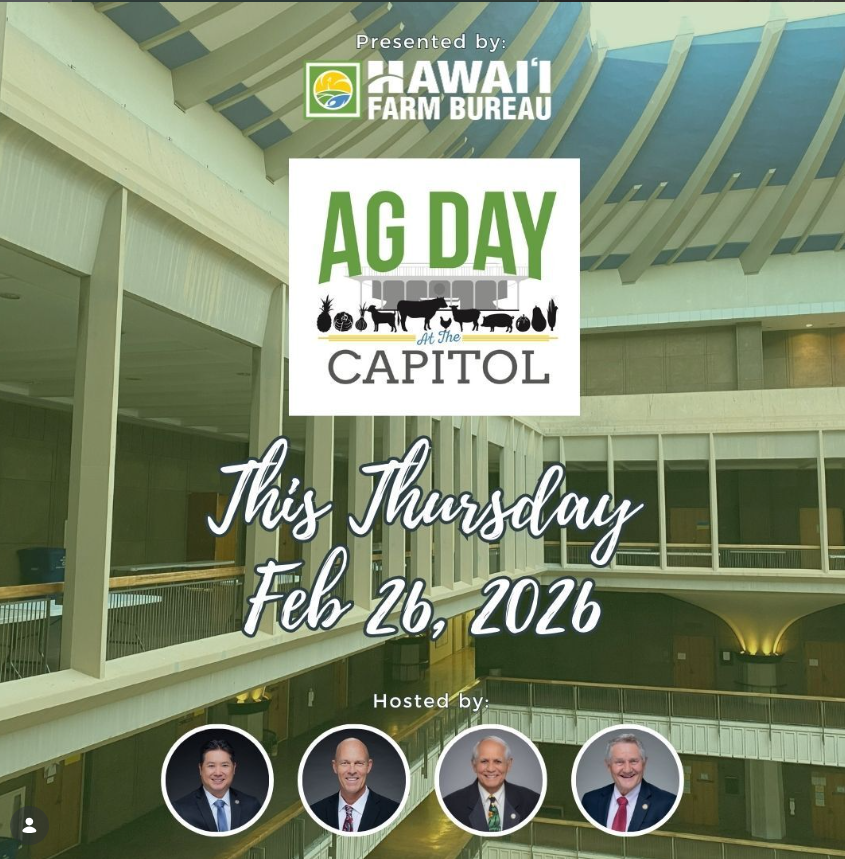
Figure 1. Ag Day at the Capitol flyer.
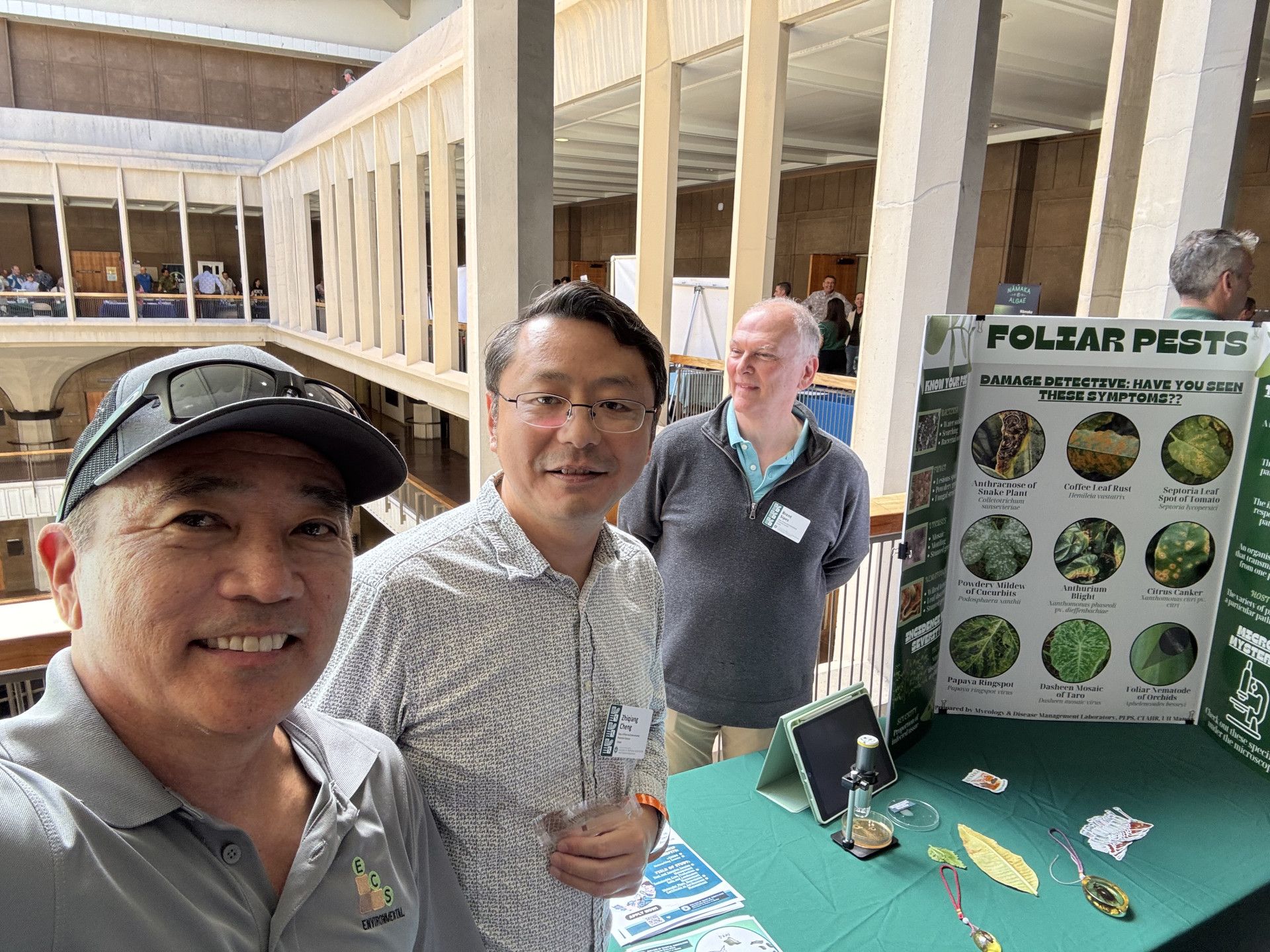
Figure 2. Matt Lyum, LICH President, Dr. Cheng Zhiqiang, and Dr. Brent Sipes from UH Mānoa CTAHR.
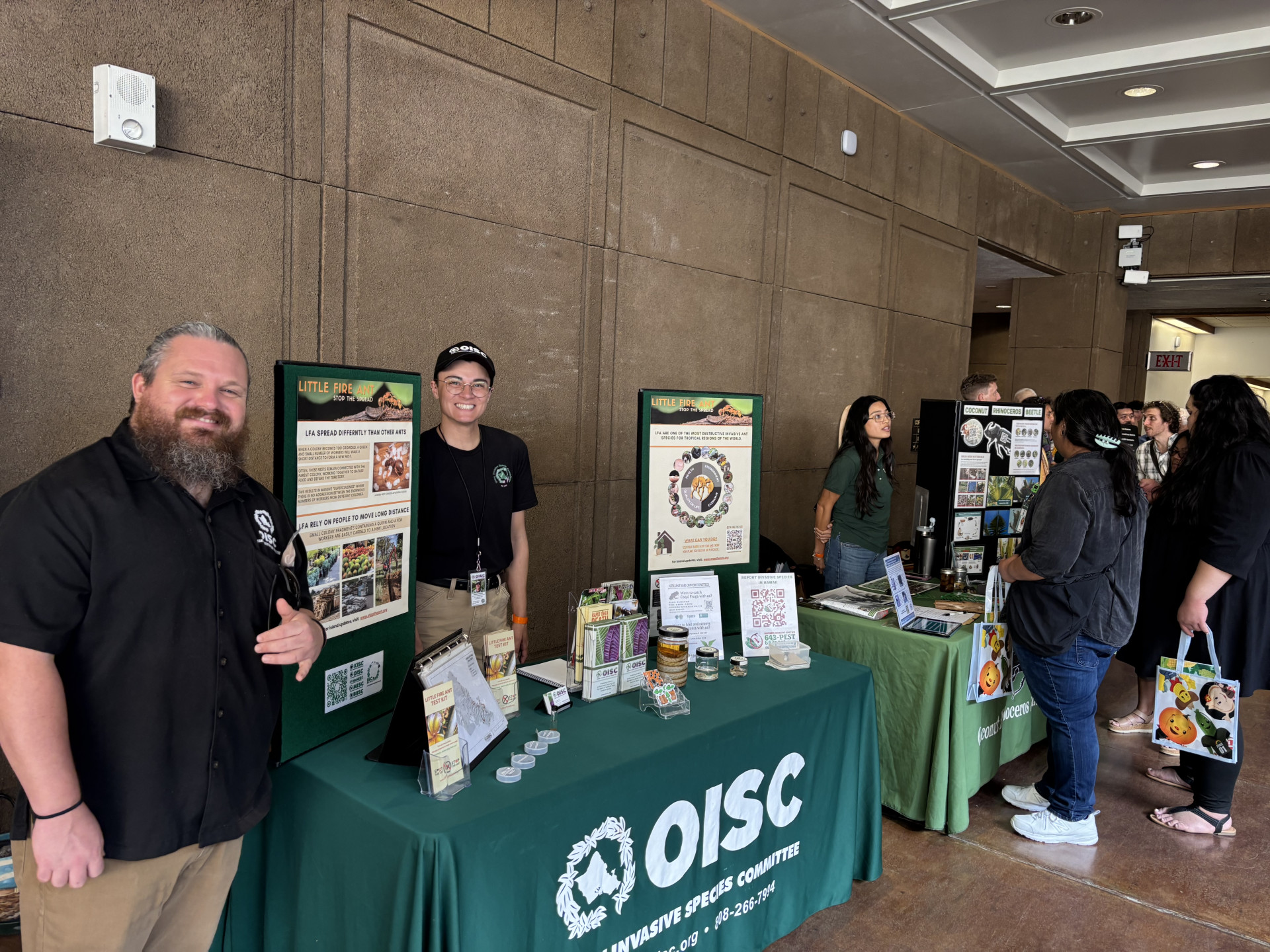
Figure 3. Oahu Invasive Species Committee (OISC), and Arisa Barcinas from the Coconut Rhinoceros Beetle Response team.
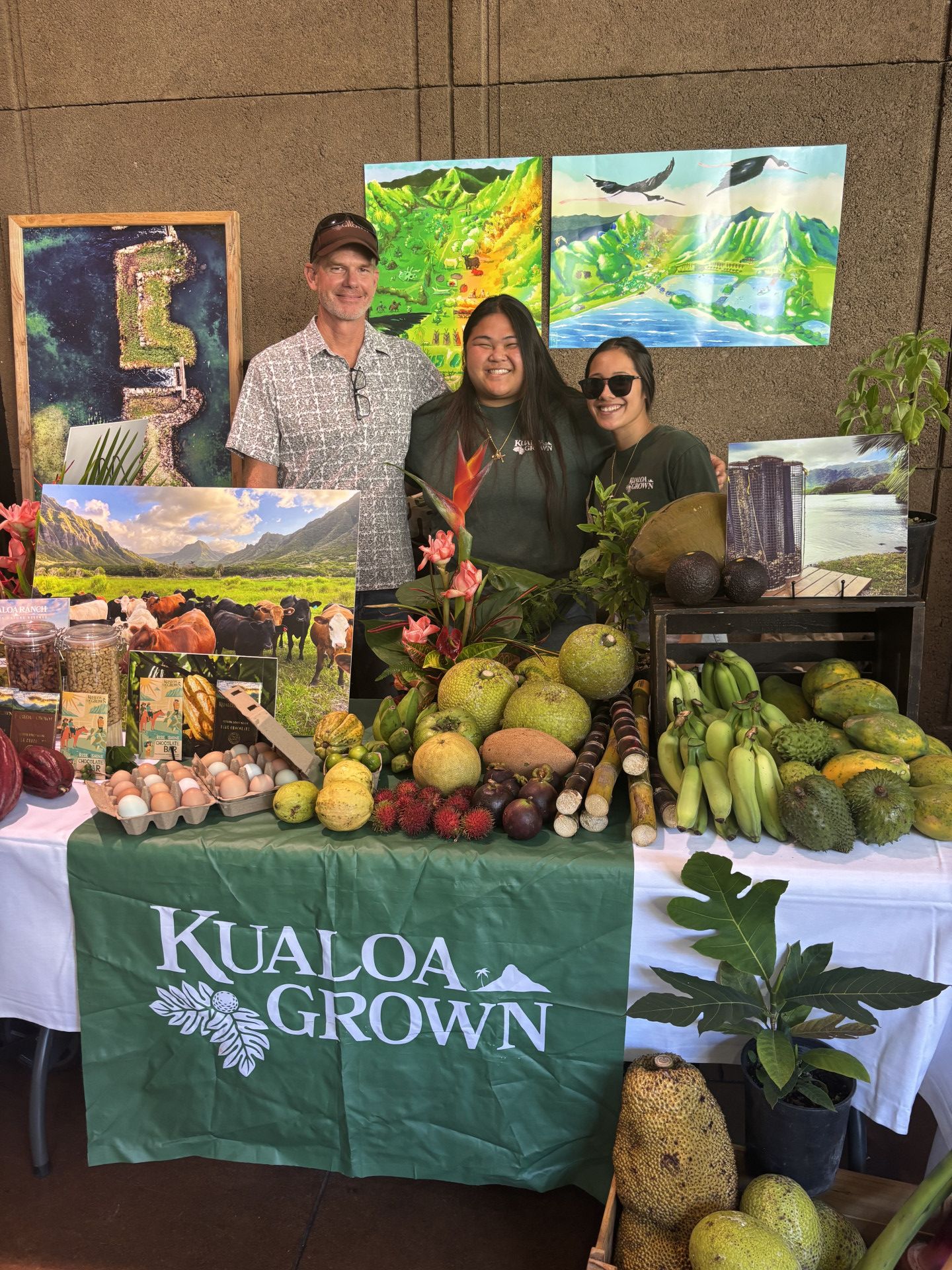
Figure 4. New LICH corporate member, Kualoa Ranch.
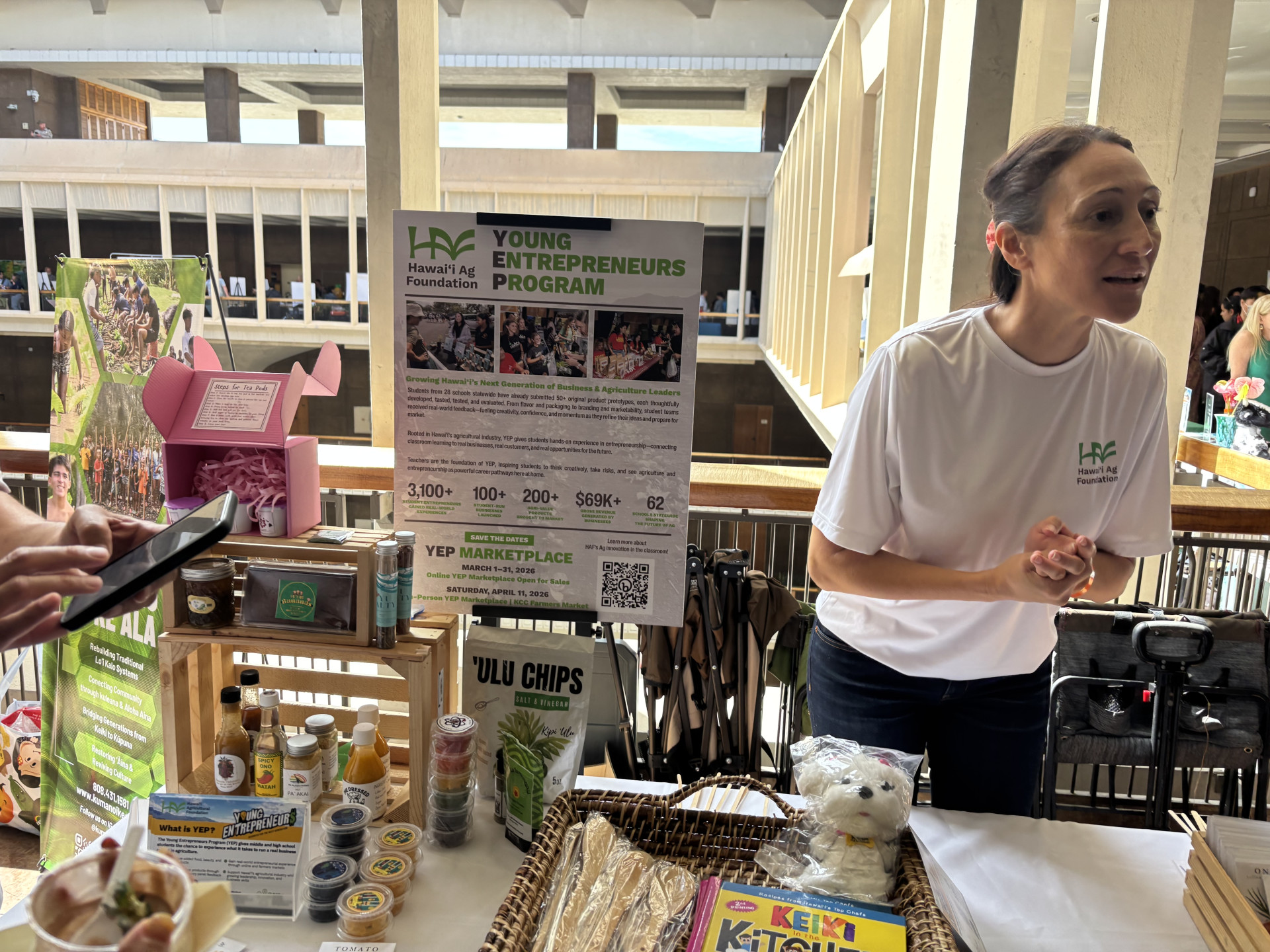
Figure 5. Hawaii Ag Foundation.
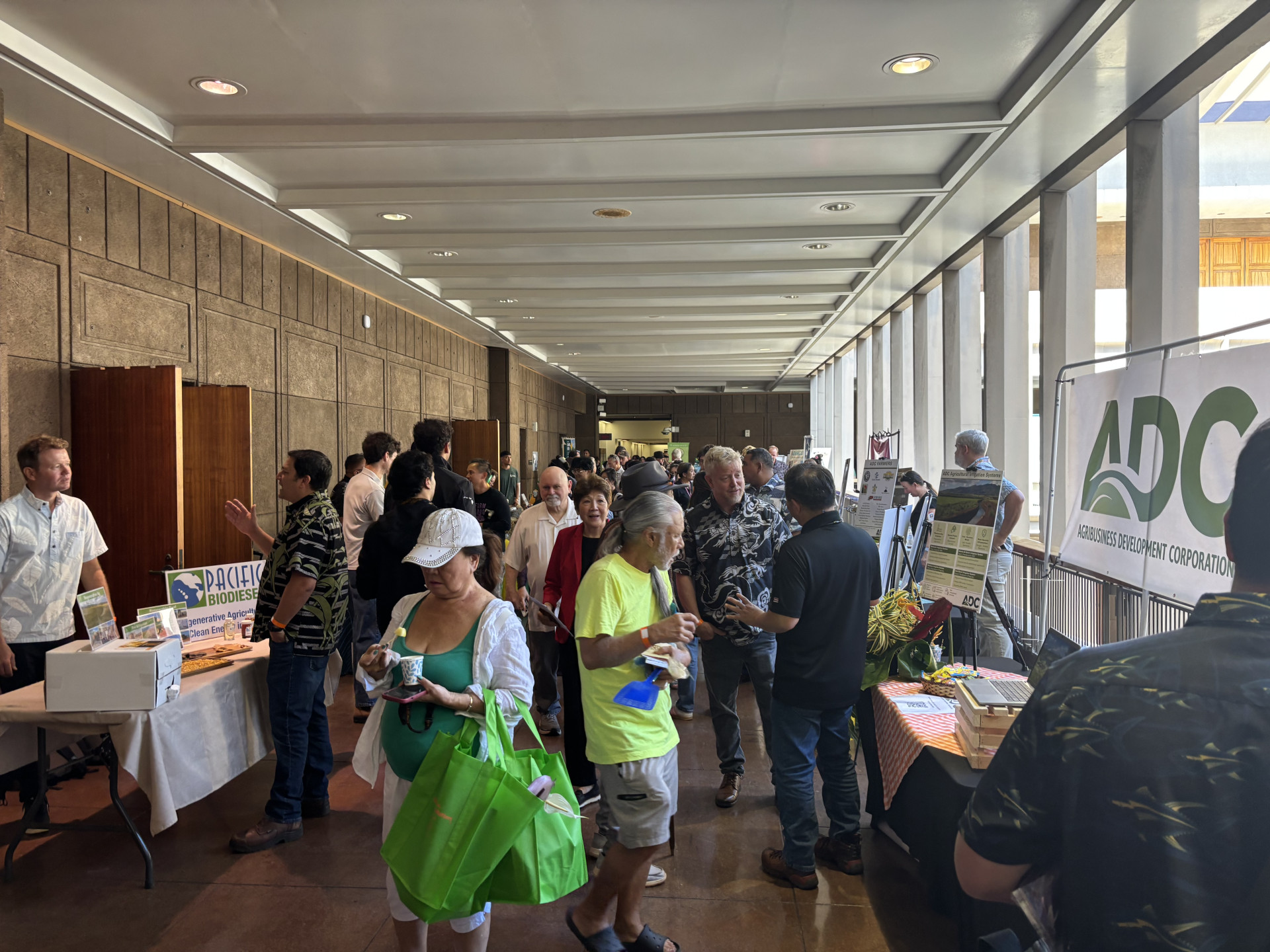
Figure 6. Crowd at Hawaii Ag Day at the Capitol.
Matt Lyum, President of LICH.
Back to top
Community News

LICH PRESIDENT APPOINTED TO HAWAII ADVISORY COMMITTEE
At the Hawaii State Capitol on March 4, 2026 the Senate Committee on Agriculture and Environment held a hearing to consider Governor Josh Green's nominee to serve a two-year term on the Department of Agriculture and Biosecurity's Advisory Committee on Pesticides. That nominee was LICH President Matt Lyum. Matt's nomination received eleven letters of support, including one from Bob Mann, Senior Director of Technical & Regulatory Affairs with the National Association of Landscape Professionals. This will be Matt's second two-year term on the Advisory Committee, whose first meeting is already scheduled for March 11. Thank you for your service to the State of Hawaii, and congratulations, Matt!
Contributed by Christy Martin, CGAPS-Coordinating Group on Alien Pest Species (a project of the Pacific Cooperative Studies Unit, UH Manoa)

GREEN INDUSTRY CONFERENCE NEWS
Early attendee registration is opening soon for the conference on Thursday, October 15, 2026.
Want to be a part of this year's show?
CALL FOR SPEAKERS
Are you interested in speaking or have an idea for a topic? Interested parties are invited to complete a speaker application. If you would like information on sponsoring or exhibiting at this event, please contact us at [email protected]
VOLUNTEER ON THE COMMITTEE
If you would like to join the Conference Tradeshow or Programming committees, contact us.
LANDSCAPE TOUR
Additionally, a Friday tour is being planned. If you have a suggestion for a tour location or would like to assist in the planning of the 2026 tour, please contact us.
Back to top
Calendar of Events
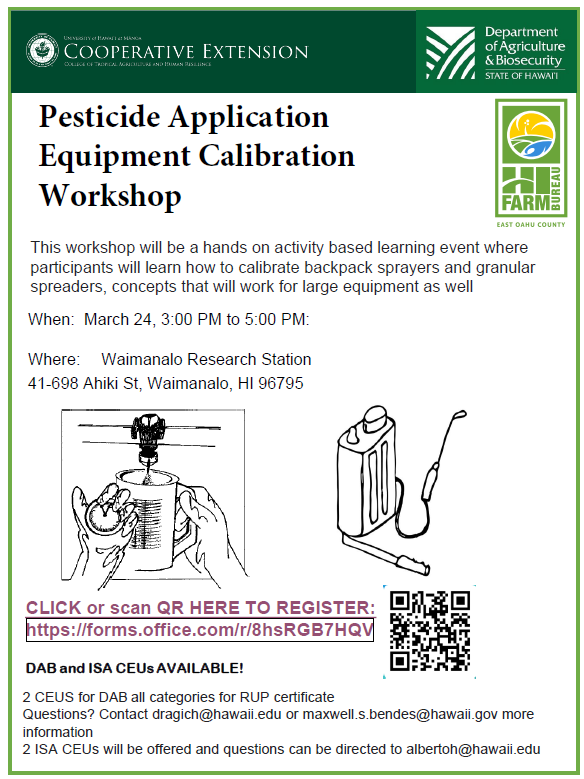
Pesticide Application Equipment Calibration Workshop
March 24, 2026
3:00 PM HST - 5:00 PM HST
This workshop will be a hands-on activity-based learning event where participants will learn how to calibrate backpack sprayers and granular spreaders.
When: March 24, 3:00 PM to 5:00 PM
Where: Waimanalo Research Station41-698 Ahiki St, Waimanalo, HI 96795
REGISTER
https://forms.office.com/r/8hsRGB7HQV
CONTINUING EDUCATION CREDIT
2 CEUs for DAB all categories for RUP certificate
Questions? Contact Mark Dragich [email protected] or Max Bendes [email protected] more information
2 ISA CEUs will be offered. Contact Alberto Ricordi [email protected] for more information.
Back to top