
In this issue
#77 Turf, Golf Courses & Parks (March/April 2024) 
Lady Beetles of Hawaii Poster
By: Dana Anne Yee, FASLA
Research entomologist Dr. Louis Hesler from the USDA-ARS North Central Agricultural Research Laboratory in Brookings, South Dakota was instrumental in the creation of this scientific and educational Lady Beetles of Hawai'i Poster.
One of the pleasures that have developed through the formation and working on our 501(c)(3) non-profit corporation is the meeting of passionate, talented, kind, giving, and dedicated scientist, that through our working together, have become life-long friends. We include Dr. Louis Hesler highly on this long list. His dedication to his entomological work on Lady Beetles of Hawaii has led to this beautiful poster. The State of Hawai'i Department of Agriculture was given posters to distribute to government agencies. Our Dana Anne Yee Foundation has had the pleasure of sharing 100 posters with the State of Hawaii Department of Education schools. We also have been distributing posters to many private and charter schools and libraries around the main Hawaiian Islands. (Our foundation work, through grants with the Atherton Family Foundation, takes us to the neighbor islands and we have posters in hand to distribute).
It is so rewarding to see how happy the keiki are to receive a Lady Beetles of Hawaii poster for their school. One student exclaimed, "What are the dots?", and I said, "the dots are the actual size of the Lady Beetle with a little scale ruler next to it". When another keiki saw the poster, he pointed at a Lady Beetle and exclaimed, "I have seen that one"!
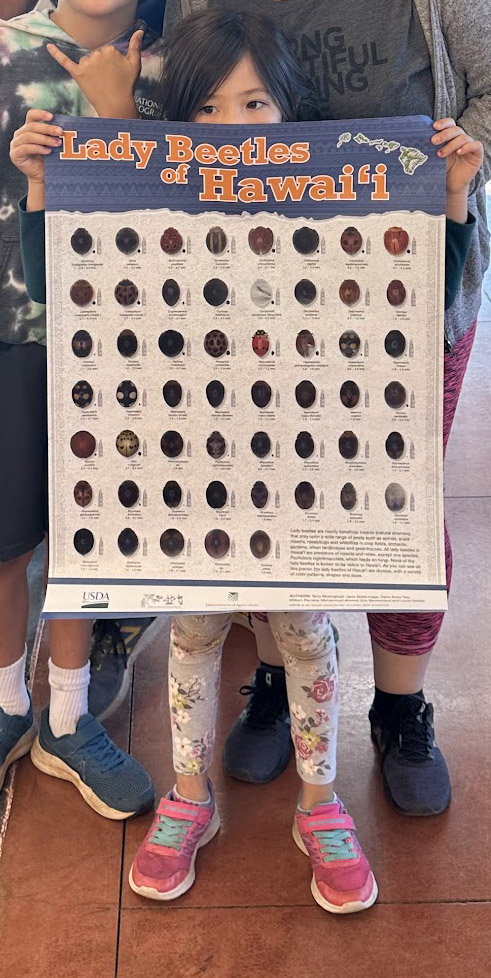
Figure 1. Keiki at the Lana'i Airport with their new Lady Beetles of Hawaii Poster, October 2023.
Dr. Louis Hesler explained on the poster that, "Lady beetles are mainly beneficial insects (natural enemies) that prey upon a wide range of pests such as aphids, scale insects, mealybugs, and whiteflies in crop fields, orchards, gardens, urban landscapes, and greenhouses. All lady beetles in Hawaii are predators of insects and mites, except one species, Psyllobora vigintimaculata, which feeds on fungi. None of the lady beetles are known to be native to Hawaii. As you see on this poster, the lady beetles of Hawaii are diverse, with a variety of color patterns, shapes, and sizes".
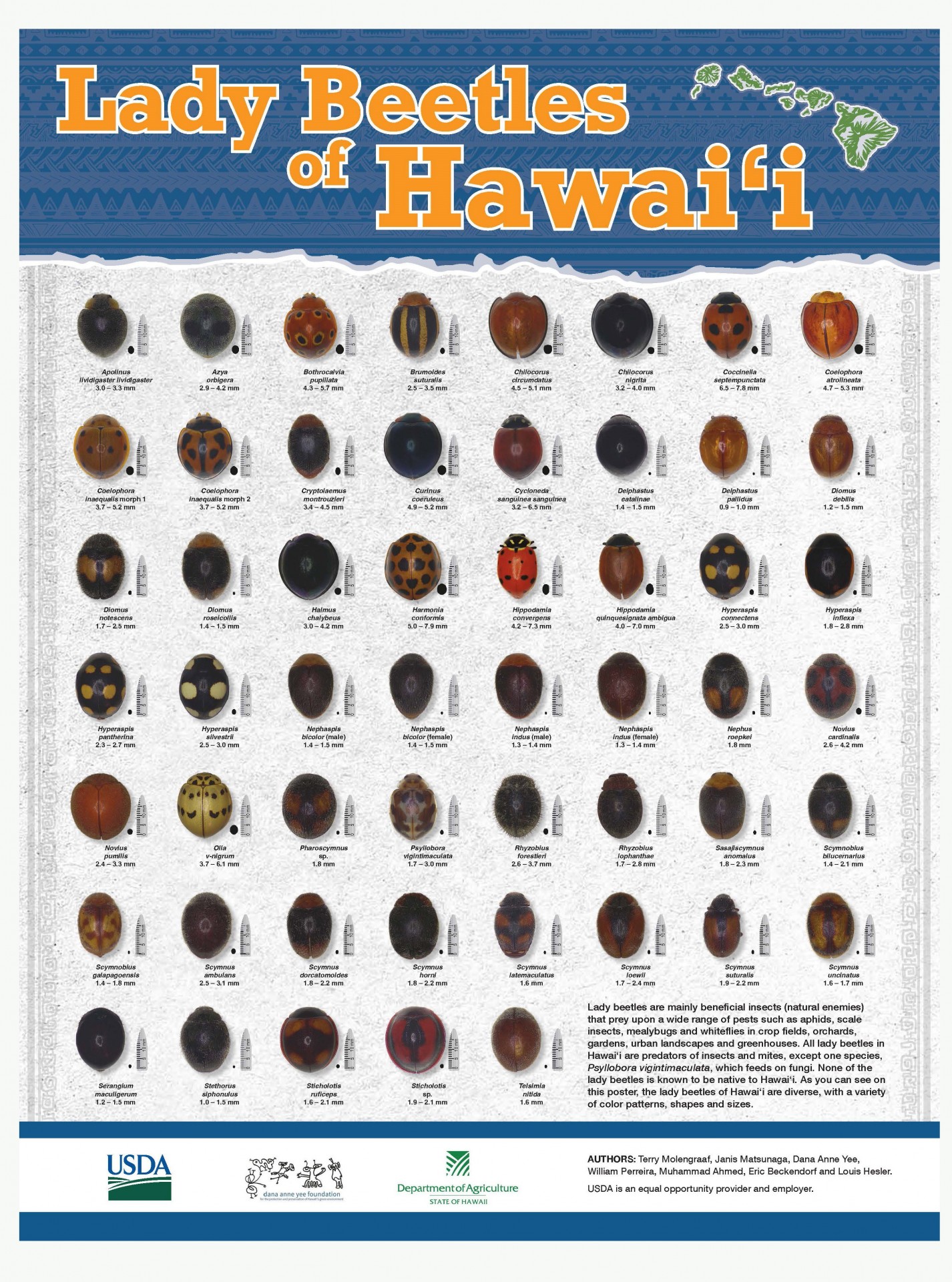
Figure 2. Lady Beetles of Hawaii poster.
Thank you, Dr. Louis Heslter, the keiki and the people of Hawaii have been learning and enjoying the poster. Thank you to the authors of the poster: Dr. Louis Hesler, Eric Beckendorf, Muhammad Ahmed, William D. Perreira, Janis Matsunaga, Terry Molengraaf, and Dana Anne Yee.
If your school does not have a Lady Beetles of Hawaii poster and you would like to have one, please contact me and I will get a poster to you for your school. Who knows? We may encourage and inspire more students to study nature and become scientists and entomologists with this beautiful educational poster.
©2024 Dana Anne Yee, FASLA, LEED AP, ISA Certified Arborist, RA, MOCA, City Planner, UH Master Gardener Emeritus, Mayor's Arborist Advisory Committee, ASLA Hawaii Chapter Trustee from the firm of Dana Anne Yee, Landscape Architect, LLC.
Dana has been a presence in the Landscape Architectural profession and has a long-standing pattern of service to her profession and the community, serving as President of ASLA Hawai‘i. Dana was honored as a Fellow with the American Society of Landscape Architects in 2012. Dana has served as President and is currently an Advisor for the Friends of Honolulu Botanical Gardens, Vice-President for Scenic, Hawai‘i, Inc., Commissioner for the Mayor’s Office of the Culture and the Arts, and she currently serves on the Mayor’s Arborist Advisory Committee. She also currently represents the ASLA Hawai`i Chapter as their Trustee. The Dana Anne Yee Foundation is a 501(c)(3) non-profit corporation. The board of directors and members will continue in their commitment to serve and protect Hawai’i’s delicate ecosystem and natural environment in their pursuit to help preserve Hawai‘i’s beauty and to keep our Hawai‘i green.
R
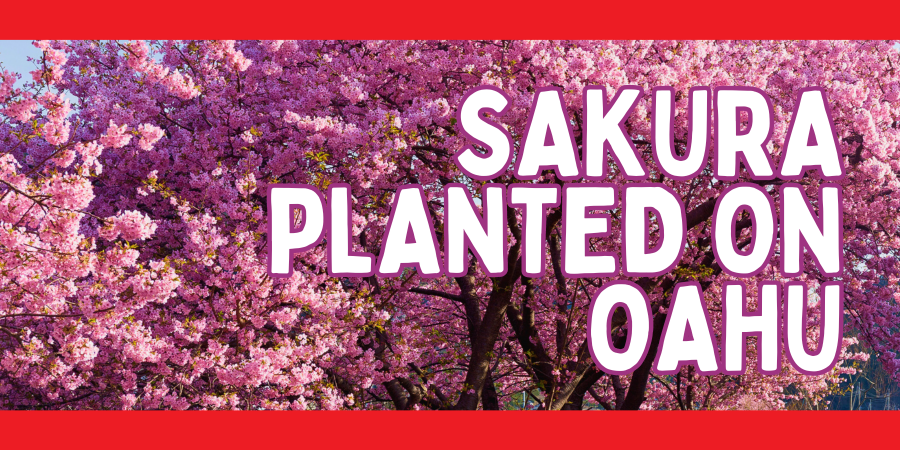
Twenty-three Sakura planted on Oahu in February
By: Nate Serota
Honolulu Department of Parks and Recreation and Mayor’s Office of Culture and the Arts staff were joined by Honolulu City Councilmembers, the Hawaii Sakura Foundation, and representatives of Kōchi Prefectural Makino Botanical Garden to plant trees to plant Sakura in ‘Iliahi Neighborhood Park and Mānoa Valley District Park. Additional trees were planted at Fosters Botanical Garden. Along with strengthening international ties, these plantings will further determine the best variety of the iconic tree suitable for Hawaii's tropical conditions.
Of the hundreds of varieties of cherry blossom trees, two particular Sakura were chosen because they originate in warmer areas of Japan. Oshima Zakura is found in the subtropical, volcanic Hachijō Island south of Tokyo Prefecture, while Kōchi Sakura thrives in the warm region of Kōchi Prefecture.
“I think it is great that Kochi Prefectural Makino Botanical Gardens is participating in this auspicious event together with the Foster Botanical Gardens which will further strengthen relationships between Hawai'i and Japan,” said Arthur Taniguchi, Vice President of Hawai'i Sakura Foundation. “The cherry blossom seedlings that were introduced to Hawai'i for the Centennial Celebration of the first cherry blossom tree planting in Washington, D.C. came through the efforts and support of Dr. Tetsuo Koyama, who was the Director General of the Kochi Prefectural Makino Botanical Gardens at that time.
According to the Hawai'i Sakura Foundation, the first cherry blossom trees made their way to the United States in 1912 with numerous plantings at the Tidal Basin in Washington, D.C. Since then, the springtime blossoms have become a coveted attraction experienced firsthand by countless visitors from around the world. The foundation states that their efforts to bring cherry blossoms to Hawai'i came to fruition in 2012. Since then, plantings have occurred in Wahiawā, Mānoa, and in Waimea on the Big Island.
For links to photos and more information, read the full press release.
Non-chemical turf renovation for schools, parks and public sport venues in Hawaii
By: Dr. Joseph DeFrank.
Public concern over the use of commercial herbicides has resulted in a ban on these pesticides in many public landscapes in Hawaii such as schools, parks, and city-managed sports venues. Many of our schools have turf areas that are heavily used and provide an important function for physical education activities and other school functions. Due to neglect and a lack of knowledge in the maintenance of healthy turf, these lawns turn into a weedy mess with irritating thorns and bunch-type weeds that pose a tripping hazard for active students.
At the Honolulu School for the Deaf and Blind (HSDB), the turf area had fallen into an undesirable state and a Physical Education faculty member (Paul McDonnell) contacted the College of Tropical Agriculture and Human Recourses for assistance. Upon my first visit to the site, it was clear that weedy grasses had colonized the site and no turf-type grasses could be found. My discussions with Paul led us to agree to an on-site demonstration where the weedy species could be removed and a new Bermuda grass patch installed.
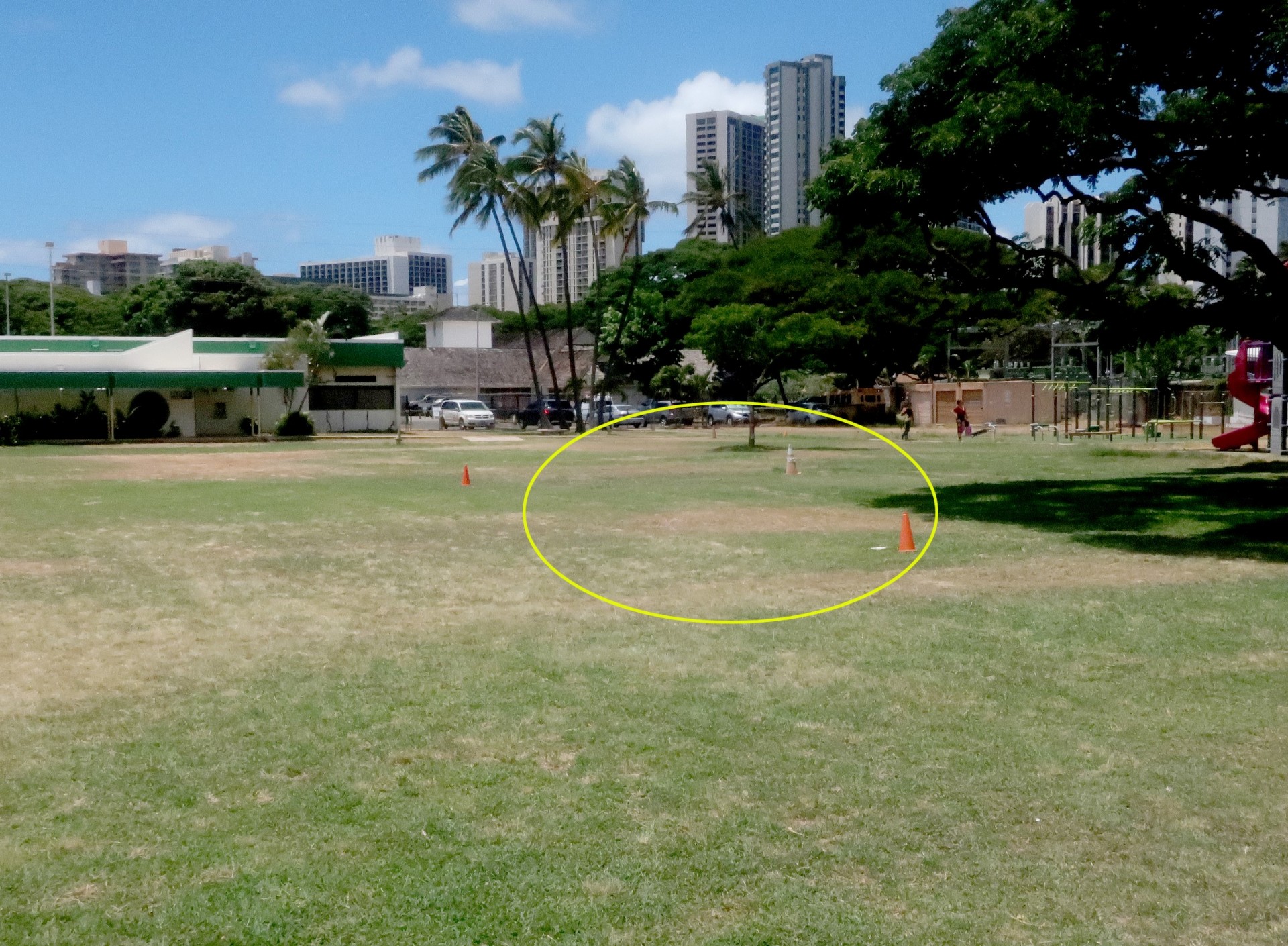
Figure 1. Area outlined with the yellow oval was the location for the non-chemical turf renovation demonstration at the Honolulu School for the Blind and Deaf on Oahu, Hawaii in 2023.
The first step in the non-chemical turf renovation project was to provide a consistent source of irrigation. Without water, there is no hope for the efficient removal of weedy species and the re-establishment of a desirable turf surface. One of the legacy irrigation portals was modified to supply water through both drip irrigation tubing as well as overhead irrigation. (See Figure 2.)
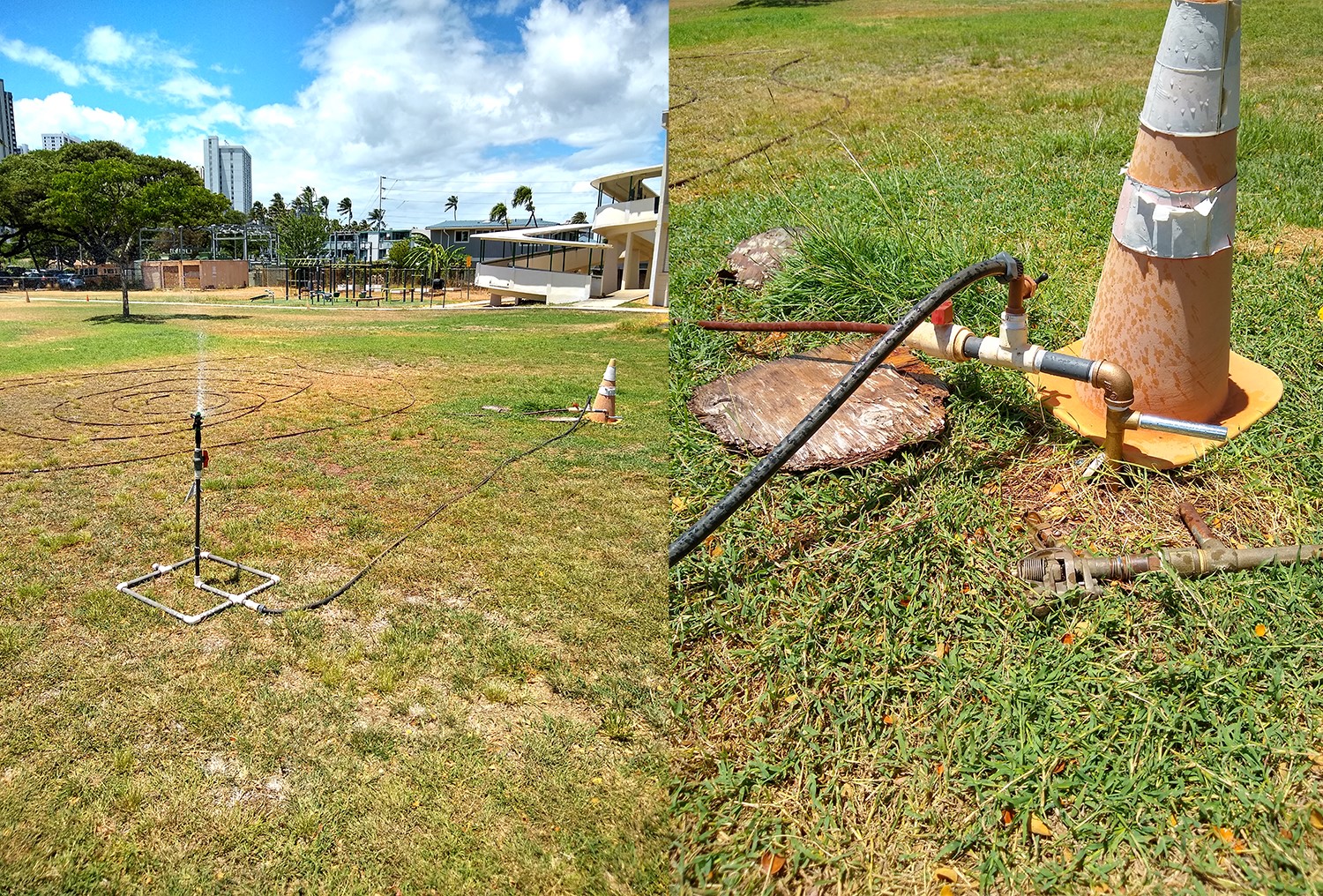
Figure 2. The legacy plug-in irrigation riser system was modified to supply water with both landscape drip tubing as well as overhead sprinkler. Both methods could be used separately or together to provide maximum flexibility with on-campus activities.
The hard dry spot selected for this demonstration responded rapidly to the application of water and produced a lush stand of grass and broadleaf weeds. It is important to note that this first step in the renovation process provides an important function. This initial soaking of the site stimulates many dormant weedy plants both living and emerging from seeds to activate and present an easy target for termination in the next phase of the process. The lush stand of weeds was covered with a black woven geotextile fabric commonly referred to as weed cloth or weed mat (tarp). Woven fabric is preferred over film-type plastics because it allows overhead irrigation to pass through and enhances the drip tubing’s ability to keep soil surface moist. (See Figure 3.) Once the site is covered, it is important to maintain good soil moisture so that worms, soil insects, and microbes can help to consume the weedy roots and stems terminated due to a lack of light and intense heat. As we found out later, dry areas under the tarp were difficult to rake off due to a lack of decay, while areas with good moisture were easily raked clean to present an open debris-free surface.
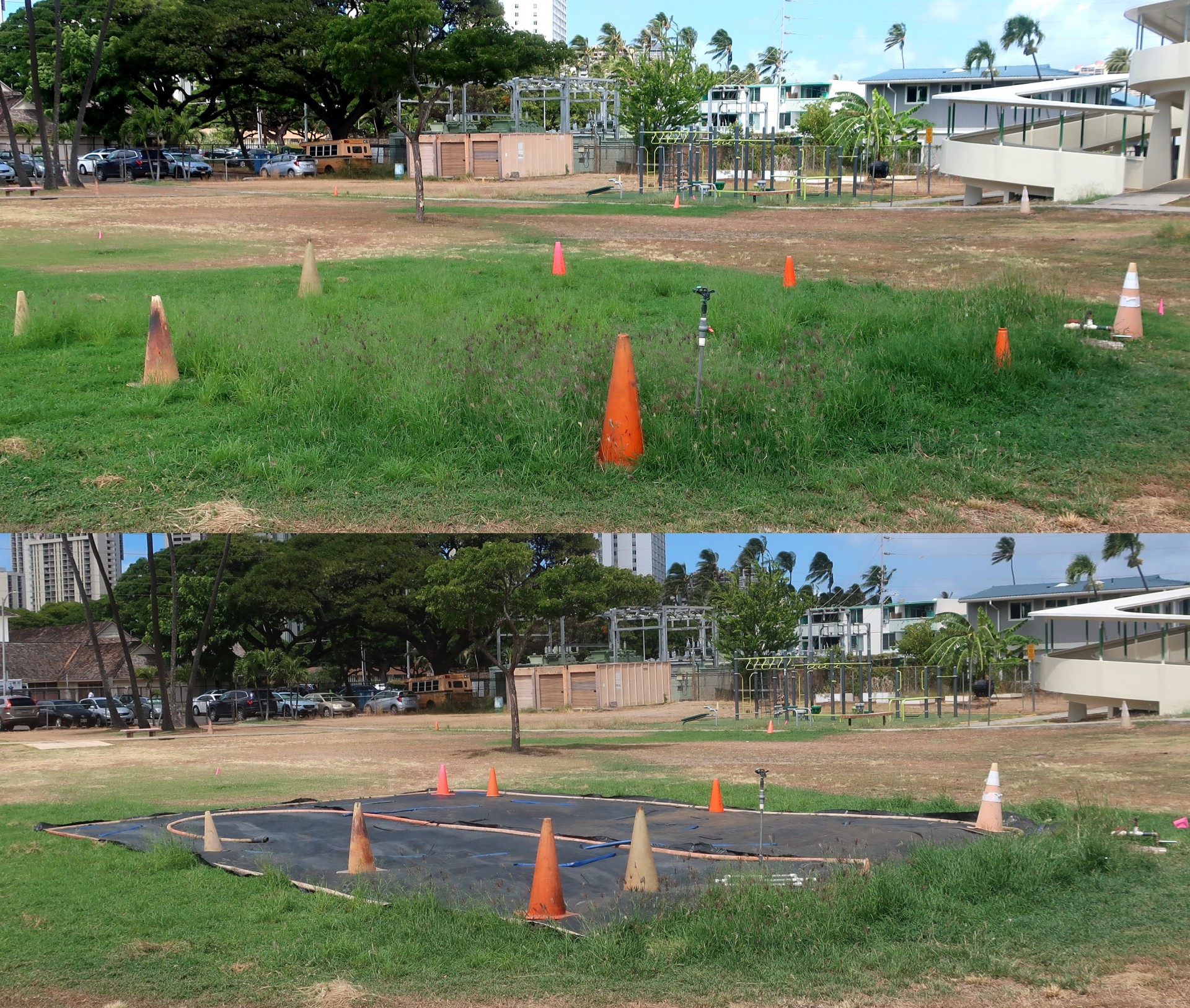
Figure 3. Lush weed growth, activated with abundant irrigation, is terminated by covering it with woven black plastic fabric. Fabric is held in place with water-filled fire hoses and lay-flat blue irrigation hoses filled with sand.
After the tarp was removed for the first time, all remaining plant parts were raked off and moved to the school’s garden compost system. Since no chemicals were used, these dead weeds make an ideal contribution to compost systems. Also, students can help with raking off the site and add to their ownership of the new lawn. Once a debris-free surface is produced, fertilizer (2-4 lb. of 16-16-16/1000 ft2) and irrigation are applied. (See Figure 4.) Fertilizer applied to open soil will stimulate weed seed germination to further purge the site of undesirable plants. The weed spectrum that emerges after fertilization is composed of species that are specialists in rapidly absorbing nutrients and moisture, just like any gardener can confirm. The weeds that germinate and grow at this stage in the process serve to convert the applied chemical fertilizer into nutrient-rich plant tissue (both roots and shoots). Think of this phase as “site nutrient banking” by the newly germinating weeds. Allow 30-35 days for maximum weed seed germination and reapply the tarp just as weed flowers emerge to prevent any new seed formation. (See Figure 5.) The tarp and irrigation remain in place for at least 35-40 days to allow weeds to break down (by soil insects, worms, and microbes) releasing nutrients to the soil surface. Once the tarp is removed for the second time, weeds can be easily raked off to provide an open soil surface for seeding the new Bermuda grass lawn. If time allows, more cycles of weed growth and termination with tarping will greatly reduce weed pressure once the new turf species is seeded.
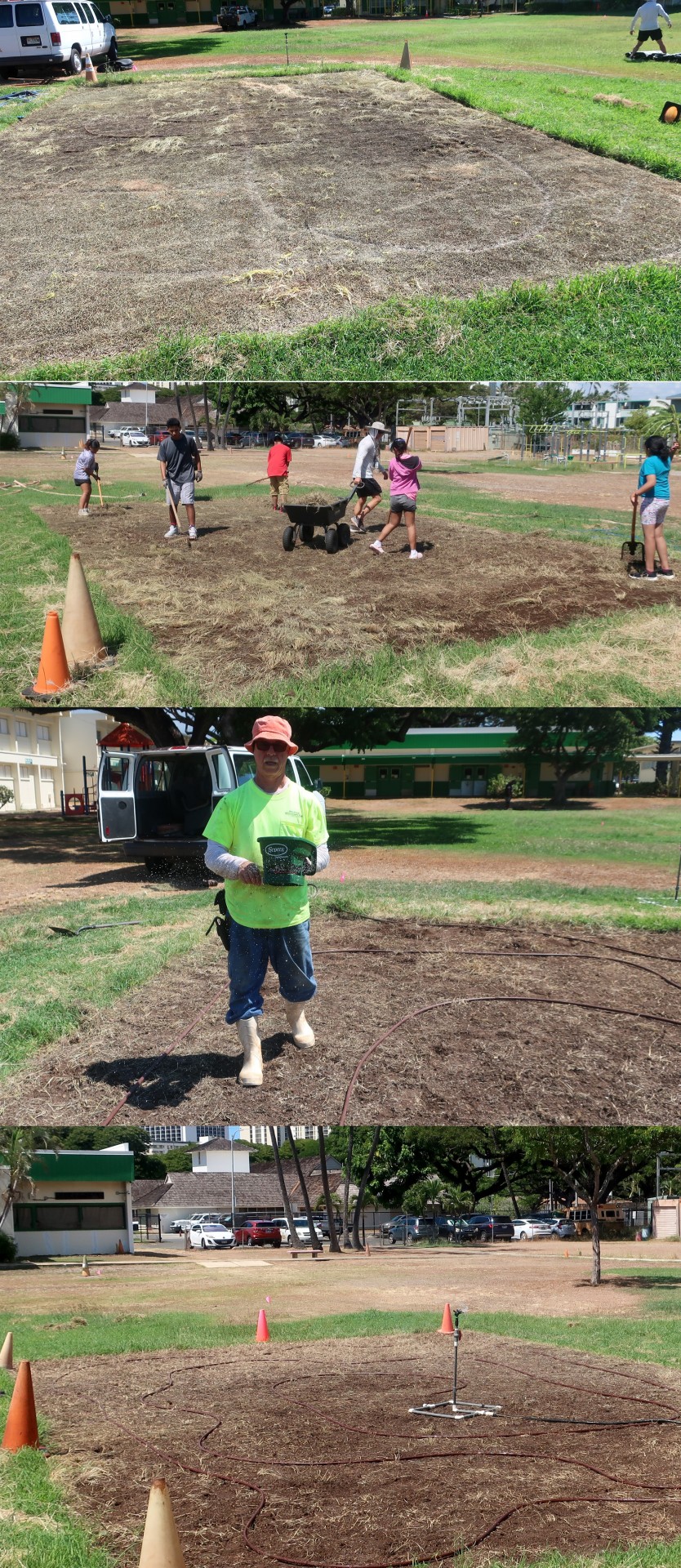
Figure 4. The top image shows dead weeds after 22 days of coverage with the tarp, 2nd image shows students and faculty member Paul McDonnell moving dead grass to school’s compost heap, 3rd image shows fertilizer application to bare ground for “site nutrient banking” via weed growth and the bottom image shows reinstallation of both drip and overhead irrigation.
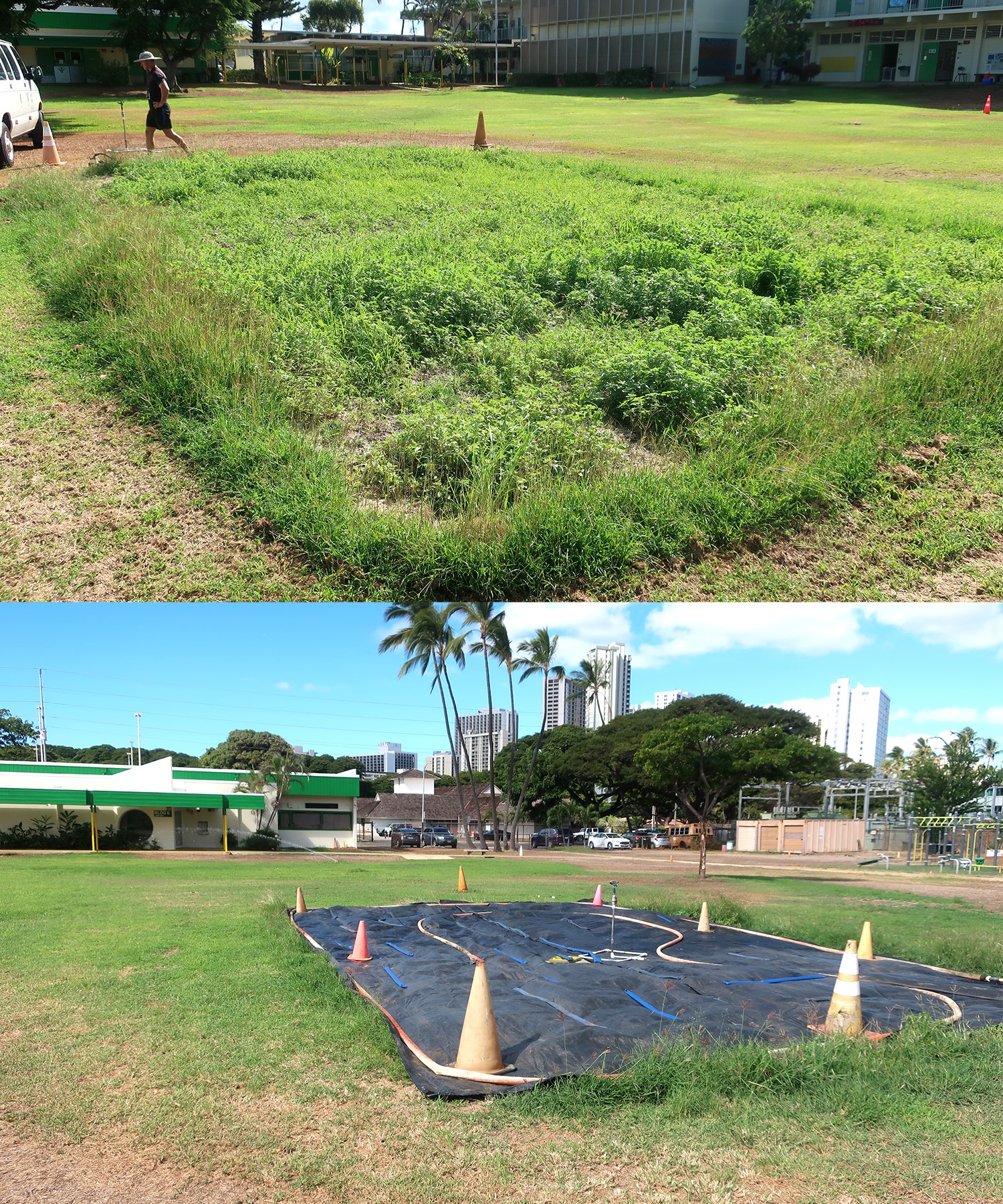
Figure 5. The top image shows weed growth stimulated by fertilization and irrigation, bottom image shows tarp coverage to terminate weed growth. Multiple cycles of weed growth and tarp termination will reduce weed pressure once new lawn seeds are planted.
At this demonstration site, I wanted to determine the optimum Bermuda Grass (cultivar: 'Transcontinental' provided by Susan Owens of Ko'olau Seed) seeding (2, 4 & 8 lb./10002) and fertilizer rates (.5, 1 & 2 lb. N/10002 using 16-16-16 fertilizer) to minimize the time needed for soil cover and improved weed exclusion. This non-chemical turf renovation technique is an excellent way for educators to introduce students to applied agricultural research while providing students with hands-on experience in a school environment that directly improves their on-campus experience.
At 68 days after seeding (bird netting recommended), both Bermuda grass and some weeds had completely covered the demonstration area. (See Figure 6.) The weeds present at this stage of the project are easily controlled with close mowing. The results on seeding and fertilizer rates indicated that both 4.0 & 8.0 lb. of seed per 1000 ft2 provided acceptable coverage across all fertilizer rates. (See Figure 7.)
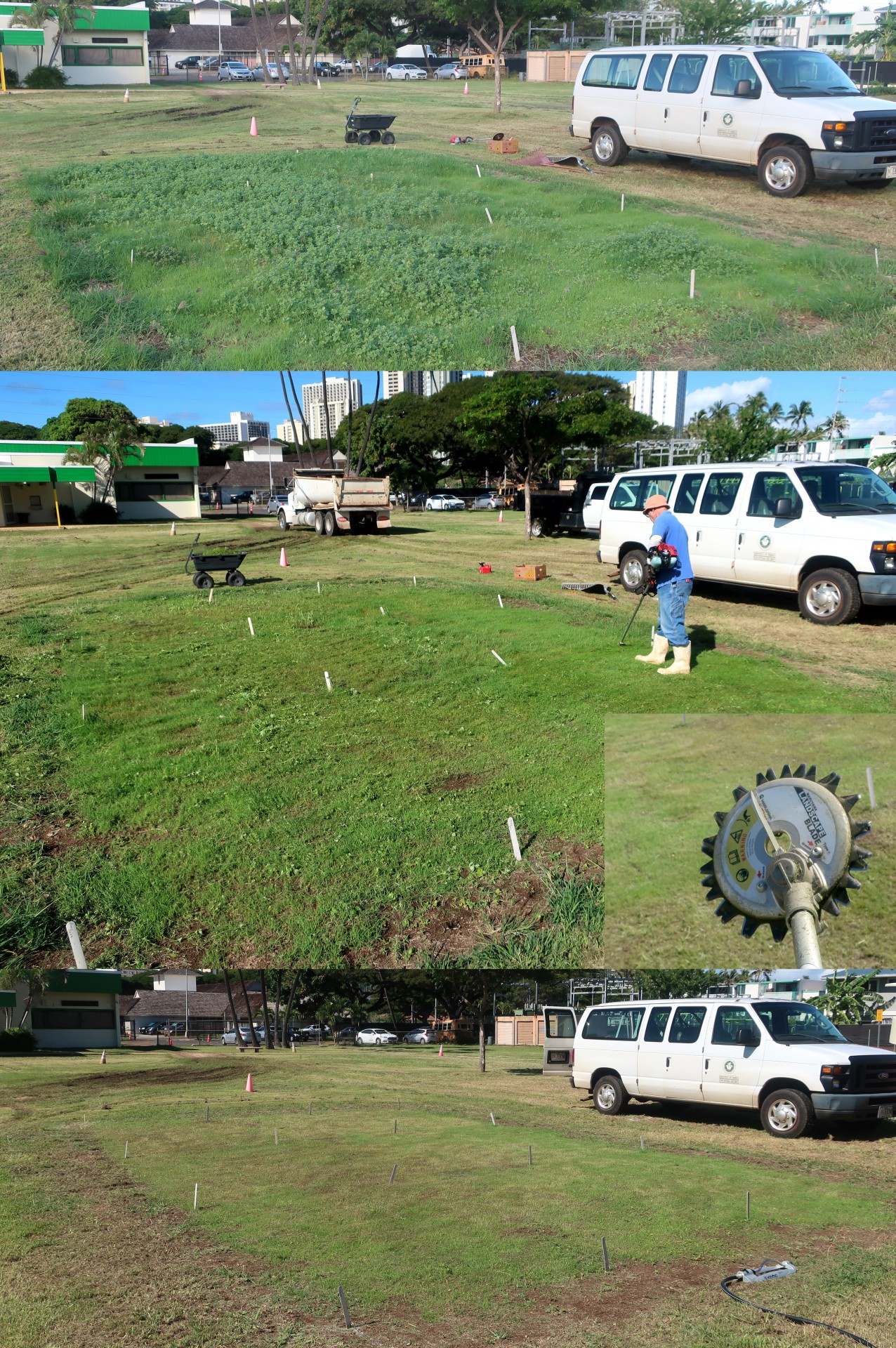
Figure 6. The top image shows weed and Bermuda Grass growth 68 days after planting, the middle image shows mowing with Maruyama landscape head to provide clean cuts with minimum turf damage, the bottom image shows Bermuda Grass stand after weedy growth is cut and removed.
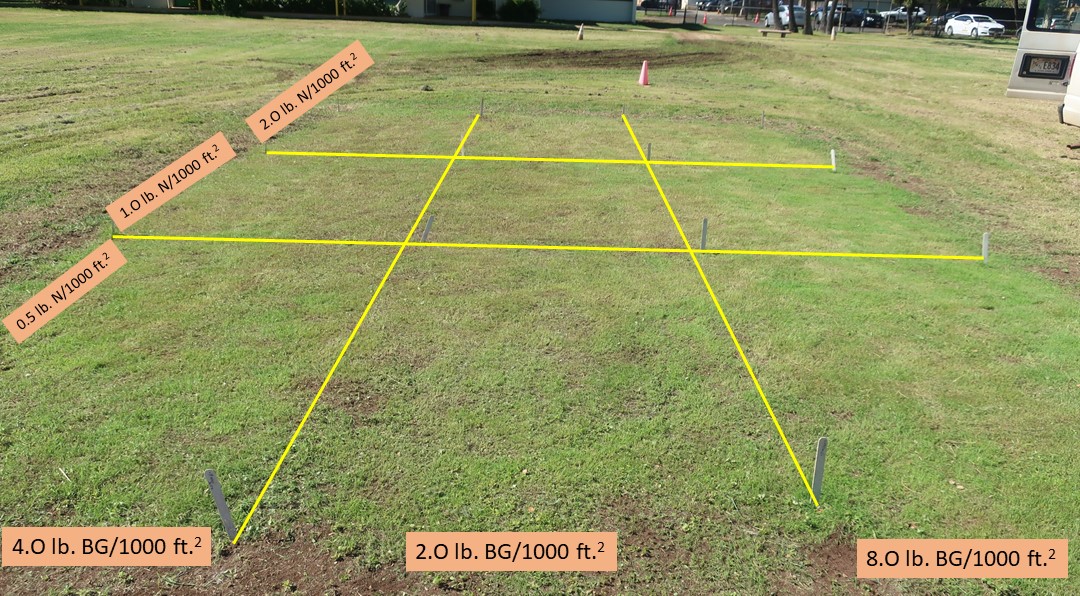
Figure 7. Response of ‘Transcontinental’ direct seeded Bermuda grass to three rates of 16-16-16 fertilizer (0.5, 1.0 & 2.0 lb. N/1000 ft.2) and three seeding rates (2.0, 4.0 & 8.0 lb. /1000 ft.2) 68 days after planting. Both 4.0 and 8.0-pound rates provided acceptable coverage across all fertilizer rates.
Although this renovation project works well as a student participation exercise, scaling up for larger areas may require the work of commercial landscape contractors. It was my objective to demonstrate that non-chemical turf renovation can be accomplished if time, controllable irrigation, and materials described here can be employed to restore long-neglected turf areas to a level of safe use and a higher degree of institutional pride. Perhaps non-chemical turf renovation can become a new service offered by landscape contractors as well as a highly visible project for the school’s ag programs.
Dr. Joe DeFrank is a Researcher Emeritus from UH-Manoa and CEO of Ulu Wehi Agronomics.
Managing breeding sites is critical for preventing the spread of Oryctes rhinoceros (Coconut Rhinoceros Beetle)
By: Keith Weiser
Oryctes rhinoceros, the coconut rhinoceros beetle (CRB), is the greatest threat to palms in Hawai'i. CRB adults damage many palm types but some preferred genera include Cocos (niu, coconut), Phoenix (date), Elaeis (oil), Pritchardia, Washingtonia, Livistona, and Roystonea (royal). CRB will also damage banana, sugarcane, pineapple, hala, cycads, ferns, and other crops especially when preferred hosts are scarce. Loulu, native Pritchardia palms, are a preferred host and even populations at high elevations on Oʻahu are being impacted which is undermining efforts to prevent the extinction of some of these endemic species. Preliminary testing at the University of Hawaiʻi indicates that other native plants besides palms may also be damaged by CRB. CRB has had a devastating impact on most of Oʻahu, and without widespread intervention, it will impact every individual and business that owns, grows, sells, services, or transports host plants.
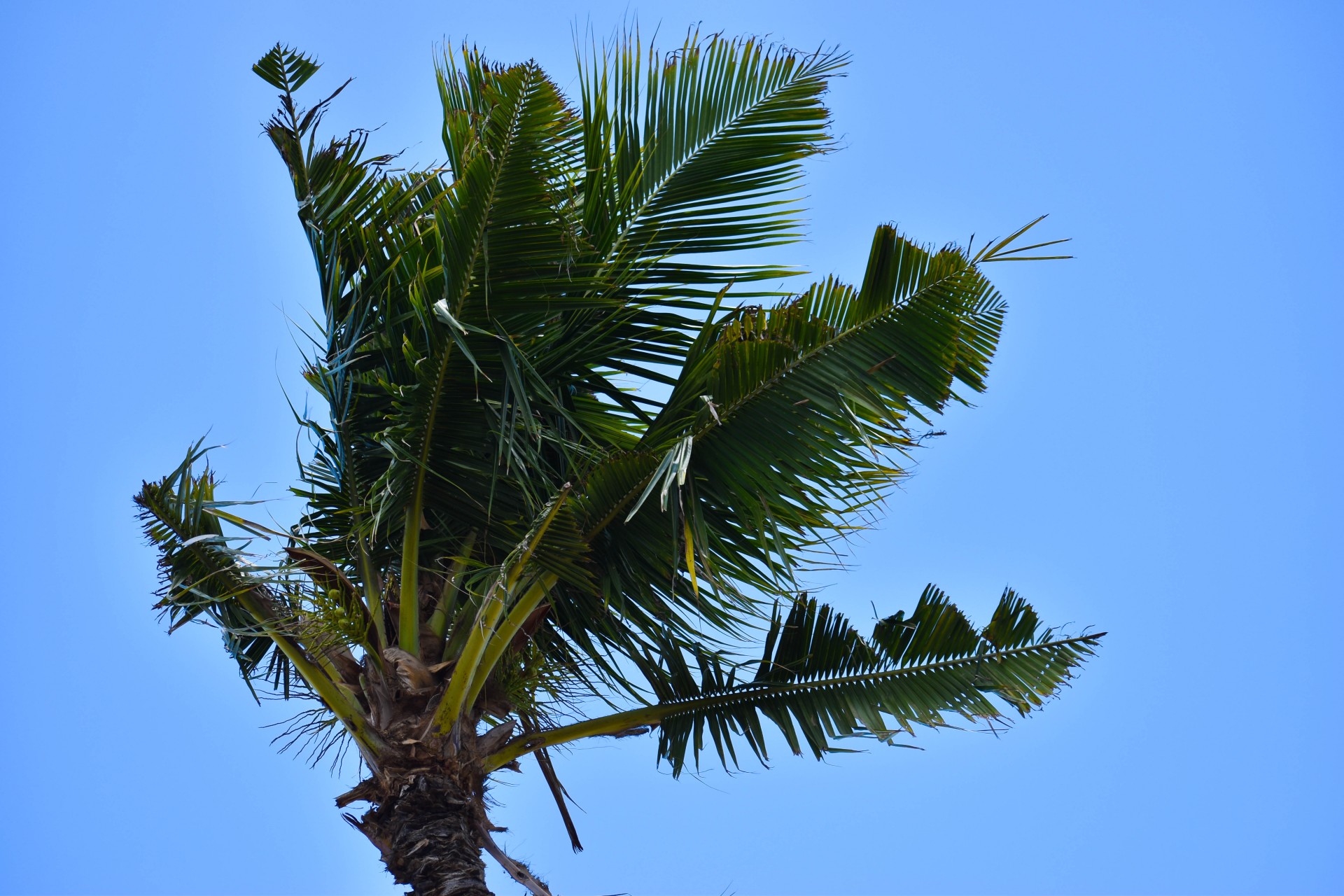
Figure 1. In palms, v-shaped cuts on palm fronds are some of the first damage to emerge after an adult beetle bores into a palm but v-cuts can appear from other damage to the palm like trimming, rats, and disease.
CRB was first found on O'ahu near Pearl Harbor in 2013 and spread slowly during the first six years. By 2019 CRB had established in central O'ahu and quickly spread to almost every part of the island. In 2023, CRB was found for the first time on Kaua'i, Hawai'i Island, and Maui. The vector for spread is not obvious in most cases, but the in-state transport of commonly infested materials has only been regulated recently with temporary interim rules active from July 2022 to June 2023 and October 2023 to October 2024. CRB life stages can be found in several commonly transported commodities; mulch, compost, and potting soil are favored materials for breeding. Potting soil in bags, planted pots, bulk shipments, and around the roots of plants can be infested. CRB adults bore into the crowns of host palms for several days to feed and can be accidentally transported. Tree stumps, decaying logs, and standing dead palms can also be infested, causing the accidental spread of CRB. Most of these products are difficult to inspect adequately because the CRB are buried in material or burrowed inside of the plant. The eggs are small and can be mistaken for some types of slow-release fertilizer.
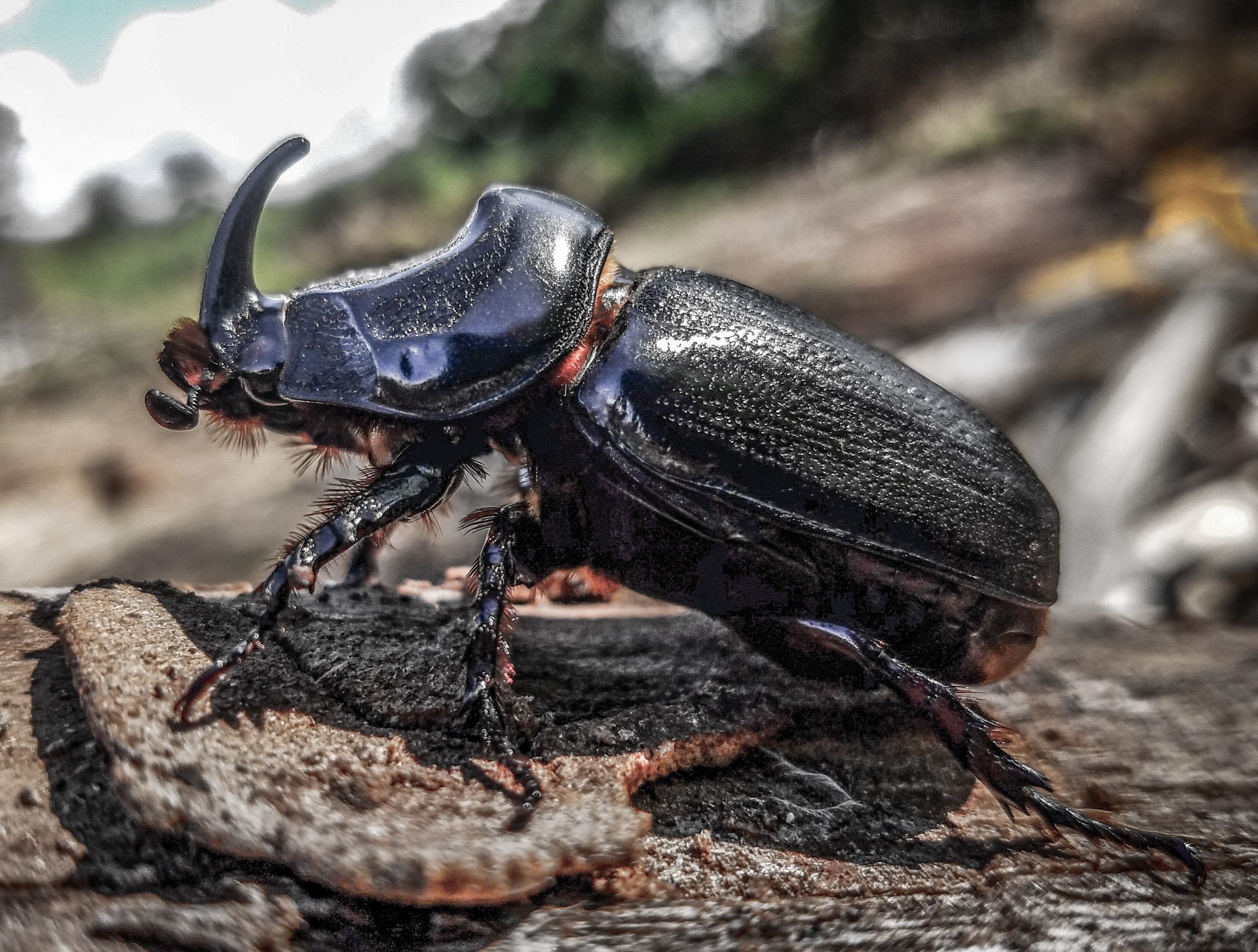
Figure 2. CRB adult. Anything that is significantly larger than 1.5 inches is likely to be CRB.
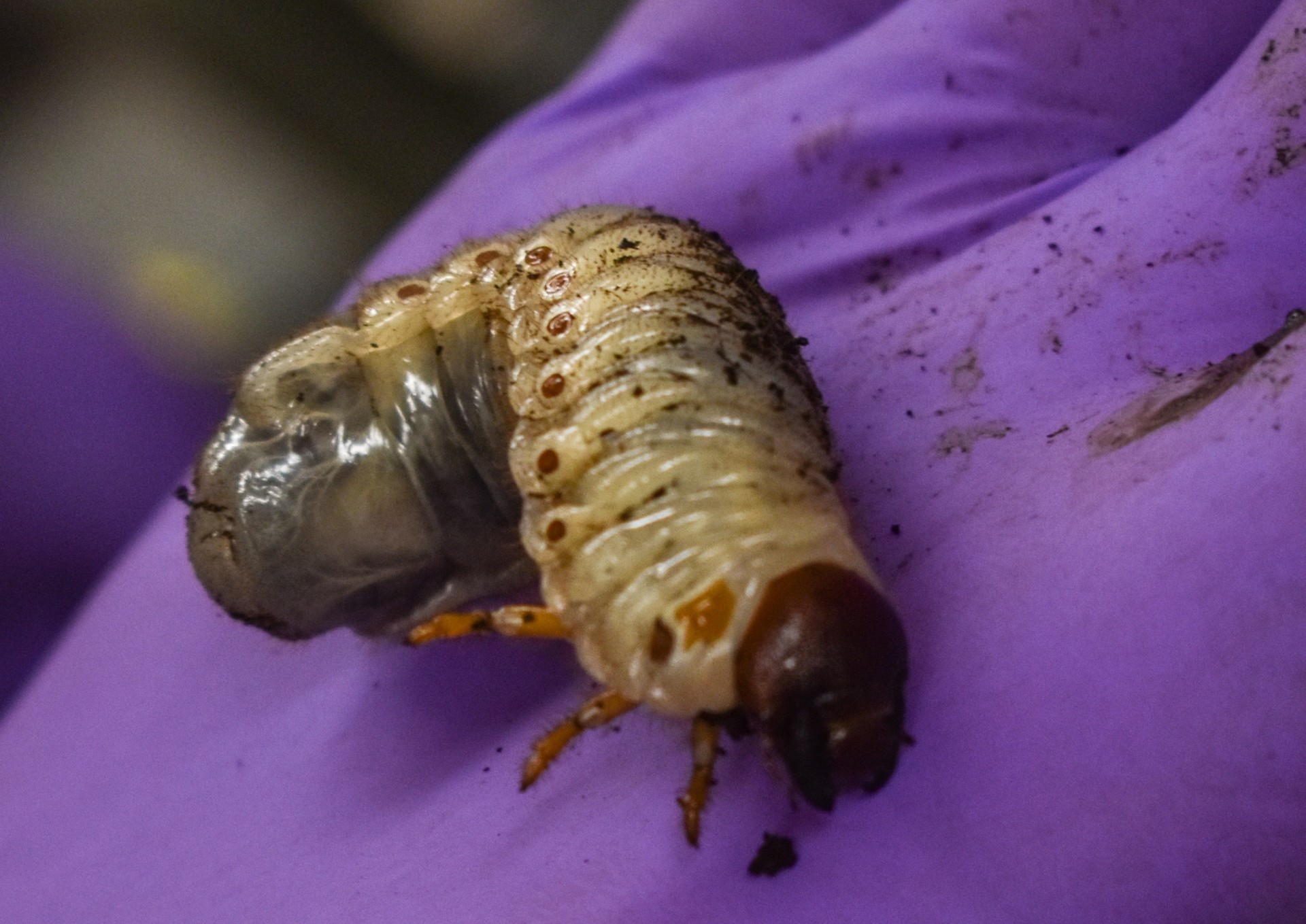
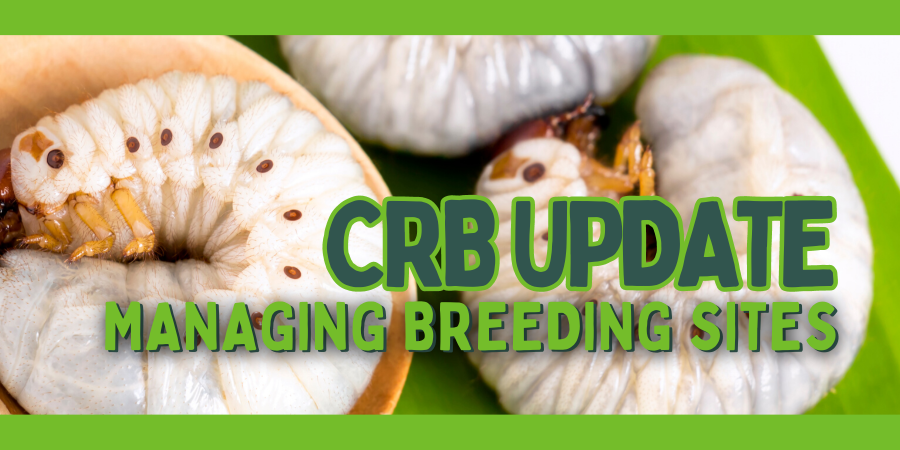
Figure 2. CRB larvae are only a few millimeters when they hatch but 6-10 weeks after hatching they are larger than any other beetle larvae in Hawai'i. Anything that is significantly larger than 1.5 inches is likely to be CRB.
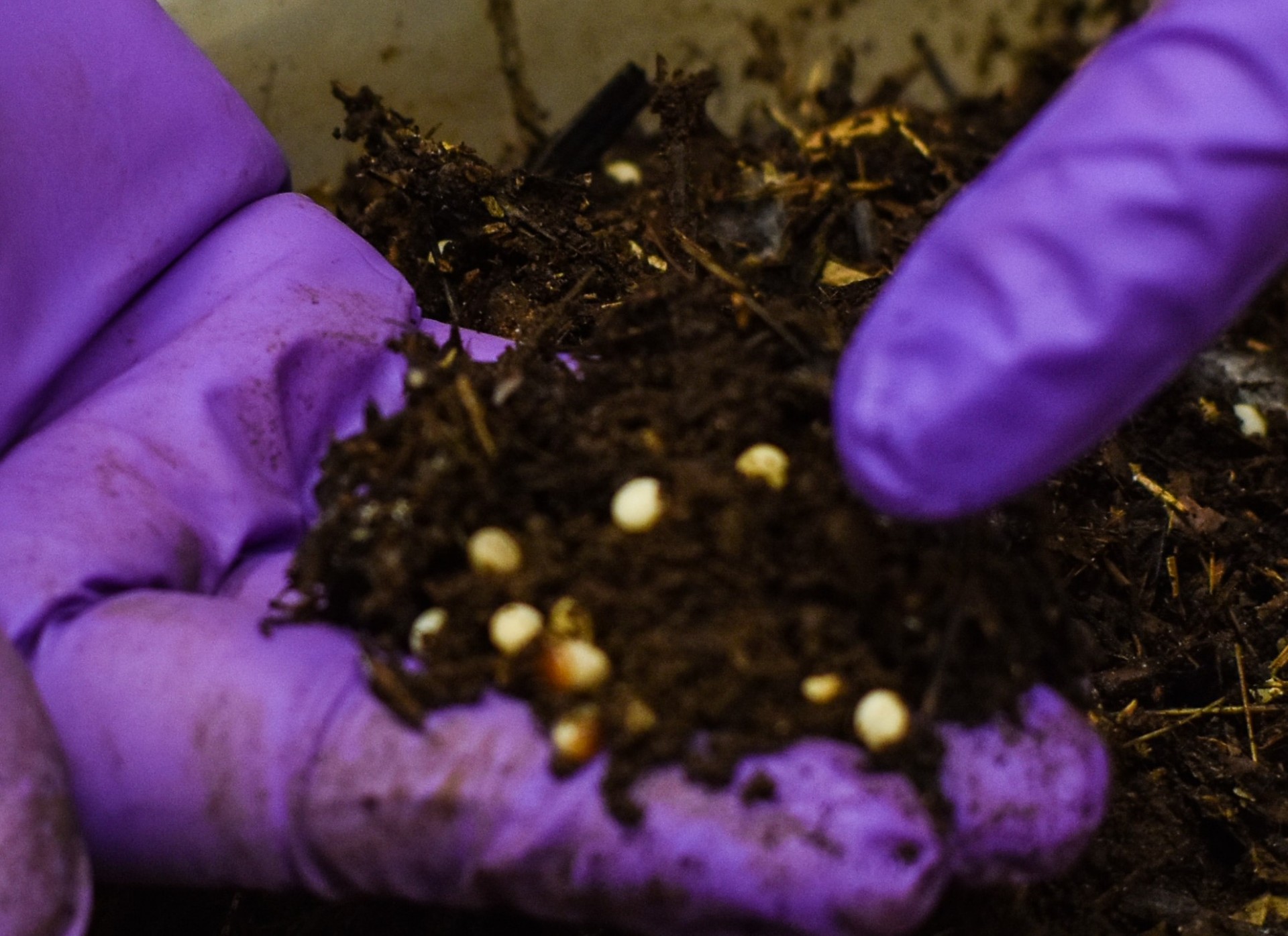
Figure 4. CRB eggs.
With the difficulty of inspection and incomplete restrictions on the transport of potentially infested materials, transport to new areas appears inevitable. Early detection of incipient populations is critical to slow the spread and potentially eradicate infestations in a new area. The first detection on Maui was made by an arborist removing standing dead coconut palms near a golf course and a green waste processor. The first find on Hawai'i Island was by a homeowner inspecting a decaying palm stump in their yard. The first find on O'ahu was in a trap near numerous large, irrigated mulch piles on a golf course. The first find on Kaua'i was in a trap at a green waste transfer station, however, populations were later found to be concentrated at a nearby golf course. There are several risk factors for establishment and proliferation in a new area. The import of high-risk material from an infested area is the greatest risk factor followed by the presence of host plants, significant volumes of breeding material, and moderate to high rainfall or irrigation. Sites that have all of these risk factors typically include golf courses, nurseries, farms, botanical gardens, green waste processors, green waste dump locations, and residential or commercial landscaping projects. Arborists and landscaping professionals work in these locations and devote a lot of attention to the plants and breeding material. As such, they can play a critical role in the prevention and early detection of incipient CRB populations.
The presence of CRB in a new county is determined by the collection of a specimen of any life stage that has been verified by the US Department of Agriculture. Identifying distinctive damage on host plants can guide surveys, but v-cuts on plants are not enough evidence to determine if an area is infested, especially if the plants were recently transported to the site. CRB damage can take months to emerge and be visible on the fronds.
Traps baited with pheromone are deployed at most ports across Hawai'i but there is insufficient funding to purchase and maintain traps to monitor the entire state. Traps are maintained in infested areas to assess the risk of transport, to measure the efficacy of treatments, and to gather data on population dynamics. Traps are less attractive than palms or breeding material and one experiment estimates that the traps used in Hawai'i catch 11% of beetles when deployed with 100-meter spacing between traps. This makes traps a poor management tool, but their easy deployment and maintenance makes them the best available option for large-scale detection and population tracking.
The highest populations on O'ahu and the most severe tree damage are correlated with an abundance of breeding material which is usually in the form of mulch or compost. This breeding material does not have to be on the same property as the affected plants. The flight range of CRB has not been fully established but CRB can probably fly over a mile if needed. It is most likely that CRB typically travel much shorter distances when transiting between breeding sites and host plants for feeding.
The most effective management tool is the removal of all decaying plant matter on a landscape scale. The only successful eradication of CRB in the world employed the removal of all breeding material from a small island in Tonga, and it took a decade of effort to be successful. This level of green waste management is not practical in many areas but large reductions in breeding material will result in lower populations and less host plant damage. This strategy worked well at the initial infestation on Oahu at Māmala Bay Golf Course. The infested and high-risk material was heat-treated and removed then a green waste management plan was adopted for Joint Base Pearl Harbor-Hickam that required all green waste to be either burned or chipped and removed. Māmala Bay had 795 trap finds in 2014 which dropped annually to 425, 121, 28, then to zero finds for 2018 and 2019. From 2020 through 2023 there was an average of about 5 finds per year. This level of green waste management requires collaboration of all landowners and managers in a large area and is not possible in natural areas like forests or with businesses that process and store large amounts of green waste.
Where removal is not possible, breeding material can be treated. The ideal treatments kill all CRB and include heat treatments that reach a core temperature of 131 degrees Fahrenheit or a uniform temperature of 115 degrees Fahrenheit, fumigation with sulfuryl fluoride, and chipping of whole waste. Container storage is ideal for treated material that is not removed. Storage in a fully sealed container that CRB cannot burrow through will prevent infestation of fresh or treated material. Submersion for 48 hours in water can kill larvae but the adults may survive. Other good but less impactful actions include spreading material as thinly as possible, grinding, sifting, periodic survey and removal of CRB, burial, tilling into the soil, grazing with animals that eat larvae, and regular turnover.
Treatment of host plants is complementary to green waste management and is the primary approach when breeding material cannot be adequately managed. Treatments have primarily been tested on coconut palms, but many will work on other hosts where allowed. Tested chemical treatments include trunk injections, soil drench, and crown sprays. Systemic application of imidacloprid (group 4a) and acephate, (group 1b) have been the most common applications in Hawai'i. More recently, applications of pyrethroids have yielded promising results in drone applications and application with sprayers from lifts and bucket trucks. The crown applications often result in beetles falling from the crown within minutes or hours of treatment which aids in detection. Injections and drenches can take weeks to before the chemicals accumulate in the crown but have a long residual effect. Care must be taken to remove inflorescences or apply in a manner that minimally impacts pollinators. Some treatments can only be used on ornamental palms. However, growing and harvesting fruit can often resume after a period of time as specified by the pesticide label. Physical barriers can be used to protect host plants with monofilament netting being the most popular choice. Netting is placed toward the base of the upper fronds and requires repositioning as new fronds emerge. Using the proper mesh size is critical for its effectiveness.
Each Hawaiian Island is in different stages of infestation. With the currently available tools and technologies, eradication on O'ahu is not feasible. However, efforts directed at reducing populations, especially at air and seaports are critical for containing this population and preventing additional spread to other islands and the US Mainland. Kaua'i is in the early stages of infestation, but the initial eradication efforts have been largely abandoned. Hawai'i Island and Maui have each had one small breeding site reported and several organizations are working to delimit and eradicate these incipient CRB populations. There have been no finds on any of the other Hawaiian Islands.
Keith Weiser, CRB Deputy of Operations, Coconut Rhinoceros Beetle Response-Hawaii.
A Hidden Oasis in Waikiki: Queen Kapiolani Garden
By: Brandon Au
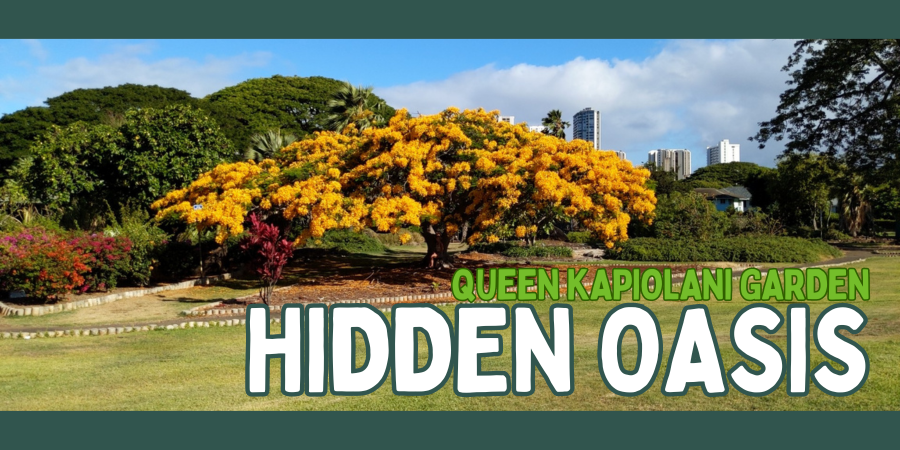
In the concrete jungle of Waikiki and Kapahulu, there is an intriguing greenspace bordering a residential area, the Honolulu Zoo, Waikiki Shell, and Kapi'olani Park… it is the Queen Kapi'olani Garden. Located at the corner of Paki, Monsarrat, and Leahi avenues, this garden was established as a nursery in 1926 by The Outdoor Circle and later became a victory garden during World War II. In 1971, the garden was dedicated to what it is today. As a kid, I remember visiting the garden and admiring the variety of roses, and when I started with the city, the landscape transitioned to hibiscus, which flowered all year round.
Managed by the City’s Department of Parks and Recreation, Division of Urban Forestry (DUF), it was decided as the native plant initiative was on the rise to renovate the landscape as a demonstration garden for native plants and trees. This would allow landscape architects, designers, landscape contractors, plant nurseries, and the green industry to visit the garden and see the different species of native plants in a landscape setting. In 2009, DUF consulted and worked with Rick Barboza of Hui Ku Maoli Ola on how the project should proceed. DUF’s then-Landscape Architect, David Kumasaka, designed the native demonstration garden. Over 11 phases of construction and more than 6 years of work, the native garden came into realization with assistance from the Sierra Club of Hawai'i, Niu Valley Middle School, and other volunteer organizations. DUF’s Nursery and Landscape Section, led by June Harada, demolished, constructed, rebuilt, prepared, and installed the planters, irrigation, soil mix, plants, and trees, and performs daily maintenance.
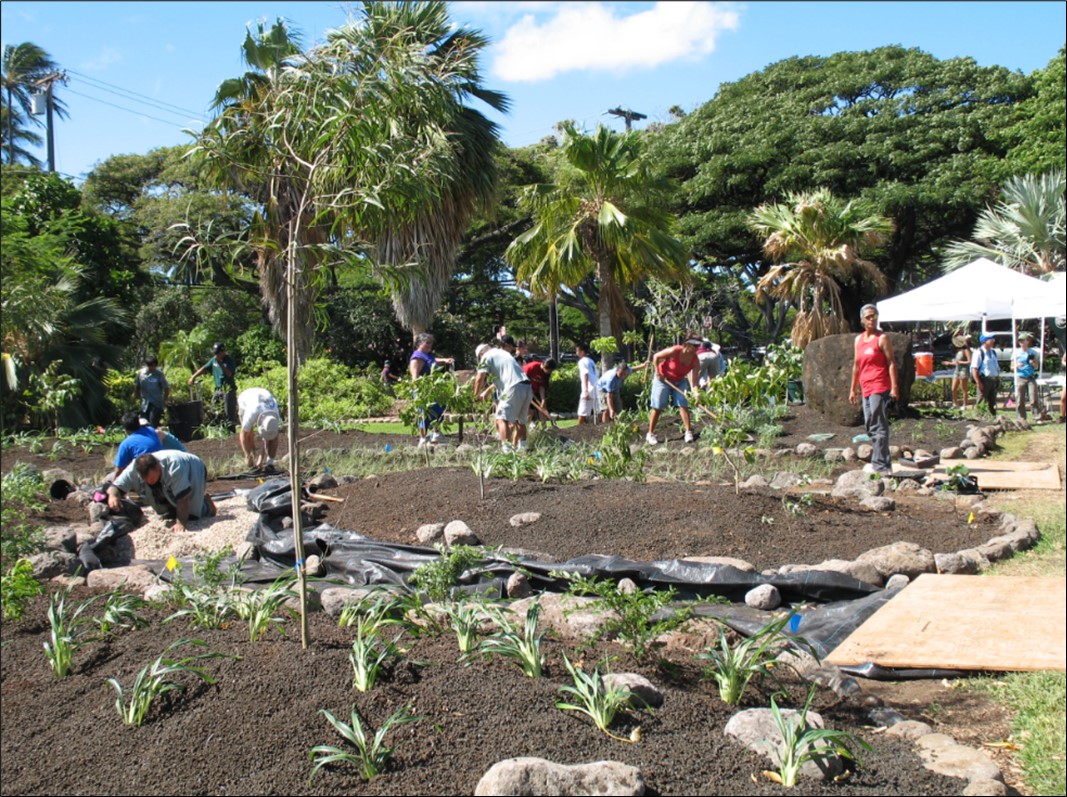
Figure 1. Queen Kapi'olani Garden- Initial Installation of the Native Demonstration Garden with the Sierra Club of Hawai'i.
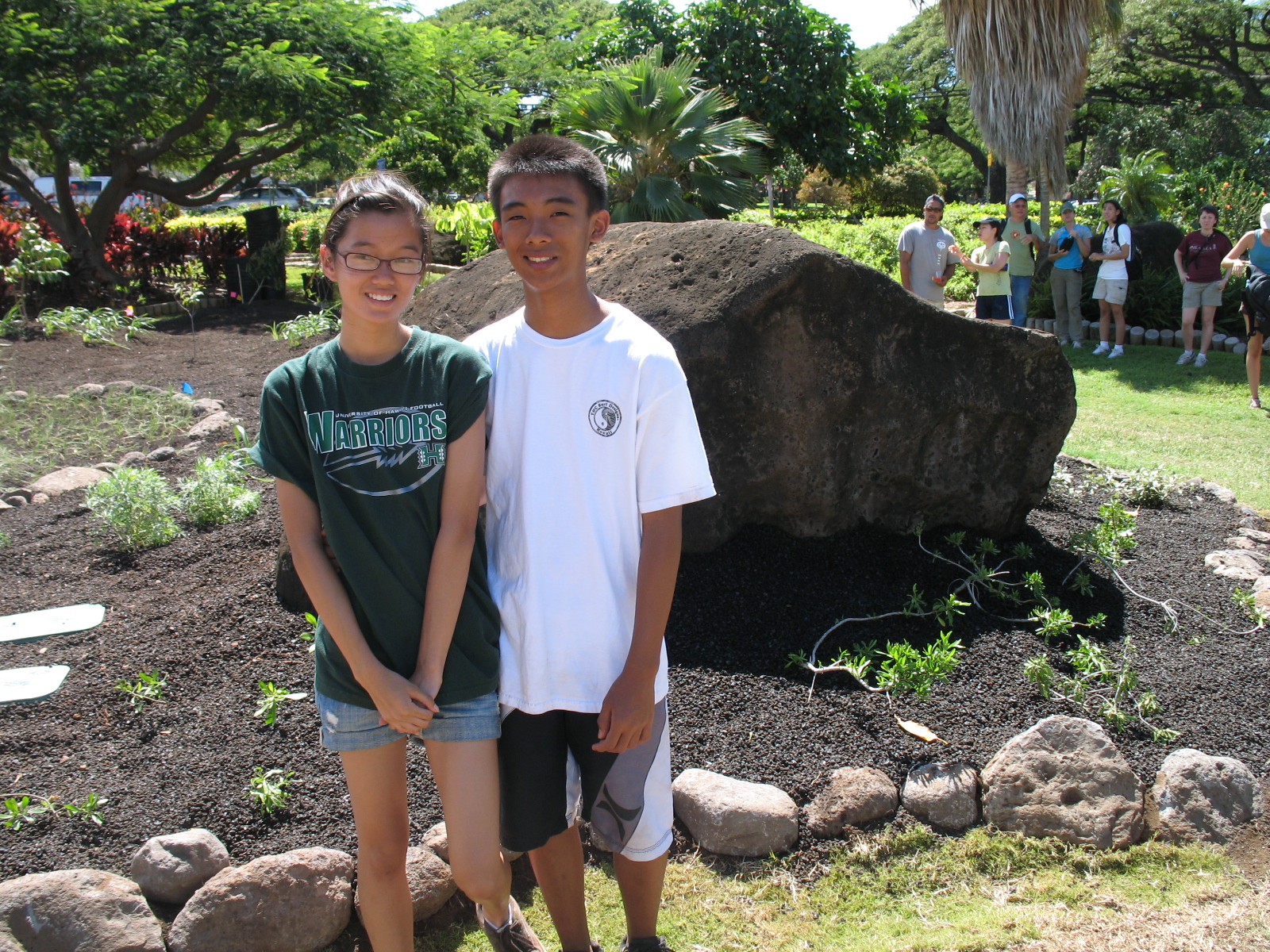
Figure 2. Volunteers from Niu Valley Middle School at Queen Kapi'olani Garden. Photo credit: Terri-Ann Koike.
The design themes for the native demonstration garden were Kaua'i, O'ahu, Maui Nui, Coastal, Mesic, Forest, Big Island, Edible, Kapa, Construction, Medicinal, Shade, Fragrant Endangered, and Lei. In addition to native plants and trees, the garden features lawn areas, ornamental shrubs, palms, and trees. A particular tree that stands out when in bloom is the yellow poinciana tree near the corner of Leahi and Monsarrat avenues. Other trees that are hidden and rarely seen in landscapes are the Maga tree, which is the national tree of Puerto Rico with reddish flowers that bloom upside down, and the white Ixora tree along a pathway near Monsarrat Avenue.
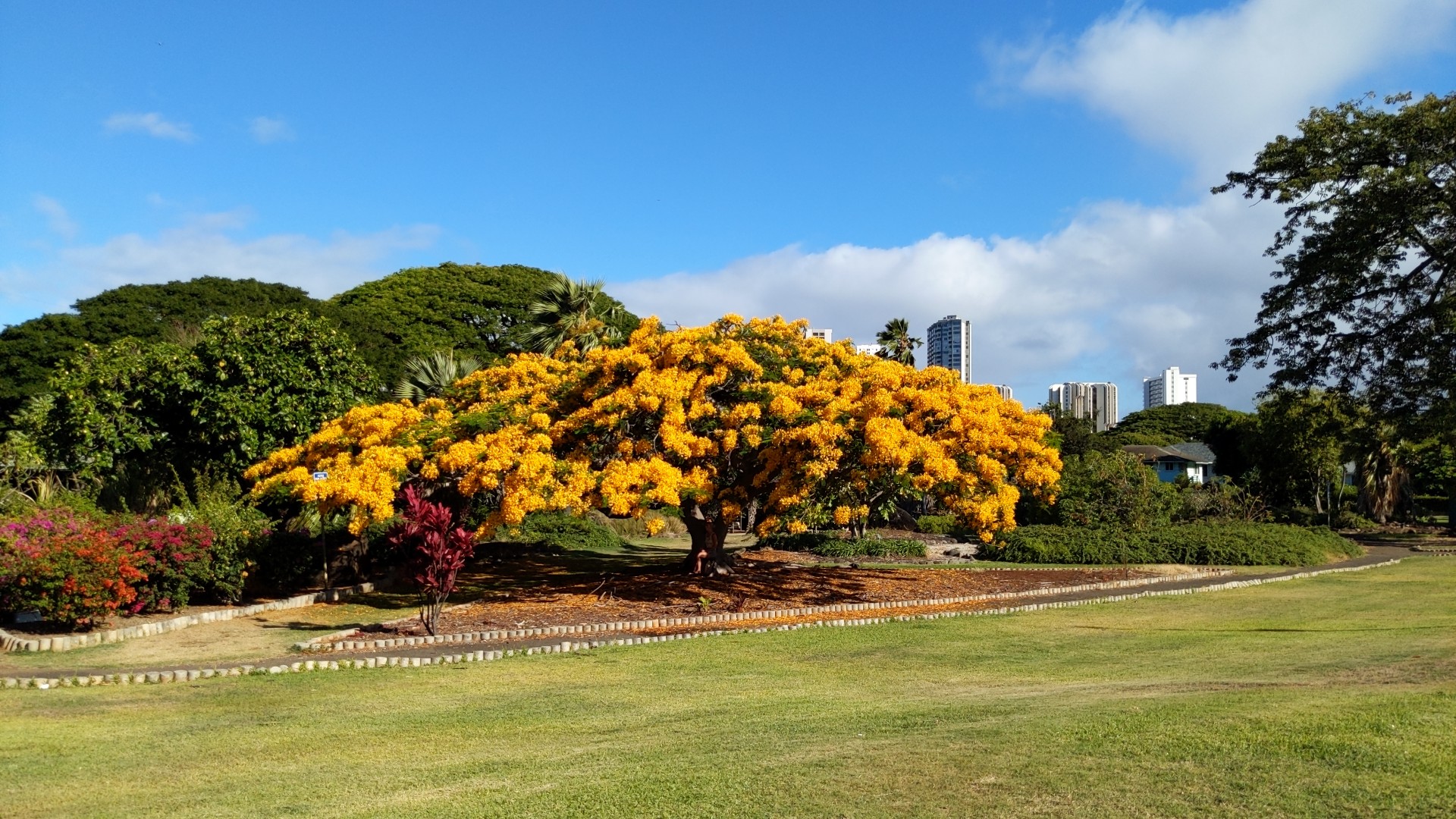
Figure 3. Yellow Royal Poinciana at Queen Kapi'olani Garden. Photo credit: Terri-Ann Koike
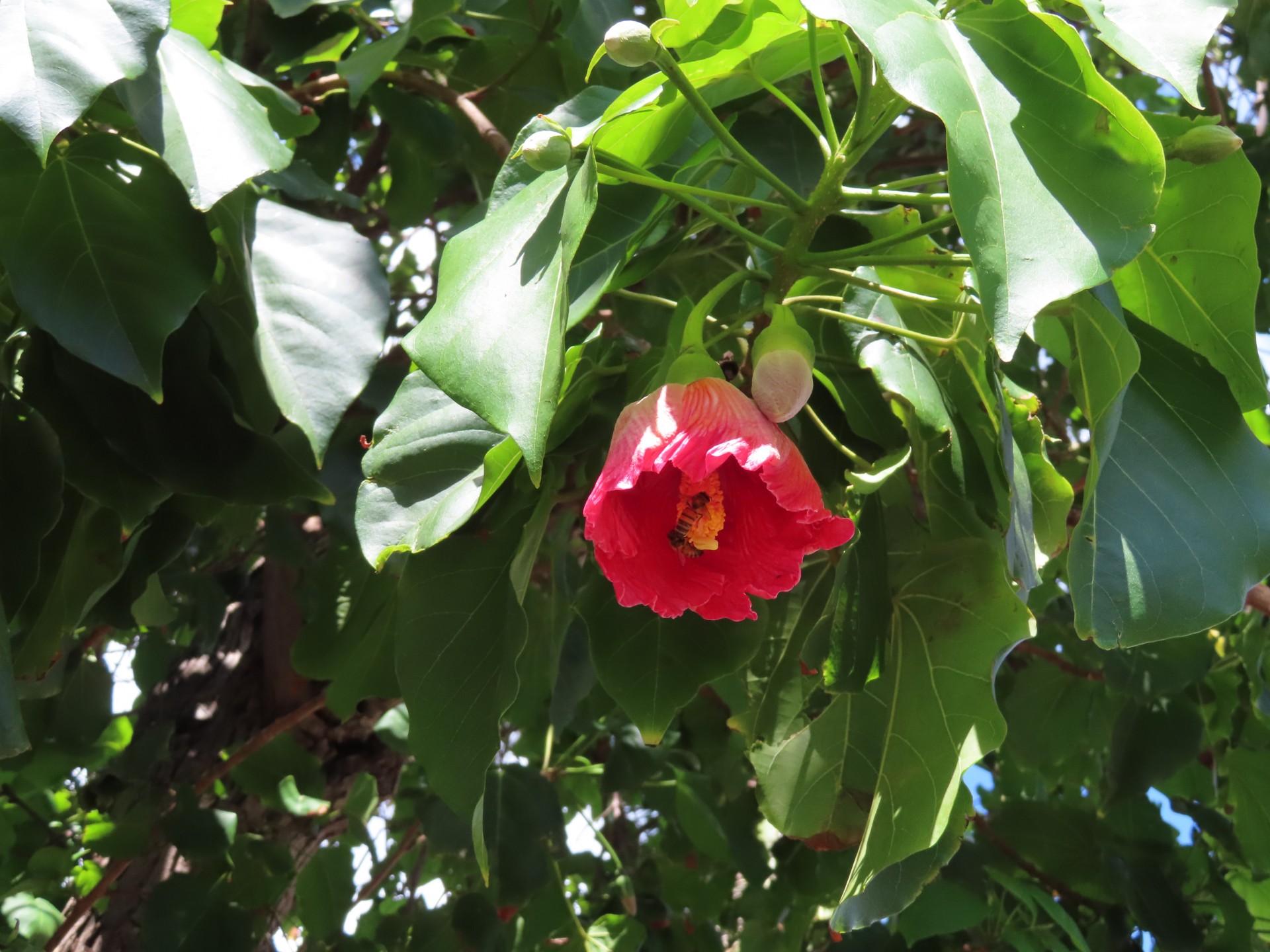
Figure 4. Maga Tree at Queen Kapi‘olani Garden. Photo credit: Lindsey Watanabe.
When in the area, stop by and take a stroll through the garden and see what you can identify or find something unusual.
Brandon Au, a Board Member of LICH, is the head of the Nursery and Landscape Section for the City and County of Honolulu’s Department of Parks and Recreation, Division of Urban Forestry.
Lawn Armyworm (Spodoptera sp.)
By: Alberto Ricordi, Hannah Lutgen, Zhiqiang Cheng
The most common insect pests of turfgrasses in Hawaii are “lawn caterpillars,” the larvae of lepidopterous insects (moths and butterflies), including lawn armyworm and others. All of Hawaii’s turfgrasses are susceptible to attack by these pests, although some of these insects prefer a particular type of turf. This article highlights key information about lawn armyworms from existing literature, includes tips to monitor lawns for insect damage, and provides a list of resources available to identify and manage pests, and obtain information about pesticides.
Biology and Life Cycle:
Armyworm adult moths reproduce and lay their eggs in fuzzy clusters on trees, leaves, or building walls & ceilings near lights. The young larvae are small green caterpillars that feed on grass blades during the night and day. As the caterpillars age, they turn brown with pale stripes that mainly feed at night and hide in the thatch during the day. Mature caterpillars excavate and pupate in the soil: developing a hard red-brown case (pupa) and emerging into a gray-brown moth. In Hawaii, lawn armyworms complete their life cycle in 43 days and may produce 8 generations per year (Deputy & Hara, 2020).
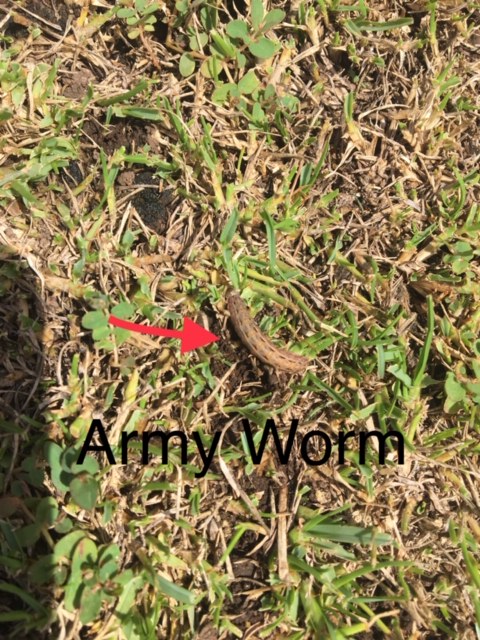
Figure 1. A mature lawn armyworm caterpillar is brown with stripes. Photo credit: Allison Wright, Island Plant Company.
Hosts & Symptoms:
Armyworms prefer Bermudagrass lawns but will also feed on sedges, sugarcane, seashore paspalum, and goosegrass. As they feed on grass the leaf blades appear clipped, skeletonized, and damaged, so look for circular or scattered patches of discolored turf grass with distinct borders between damaged and undamaged turf. Heavy infestations of armyworms can destroy about 1 foot of grass each night (Deputy & Hara, 2020).
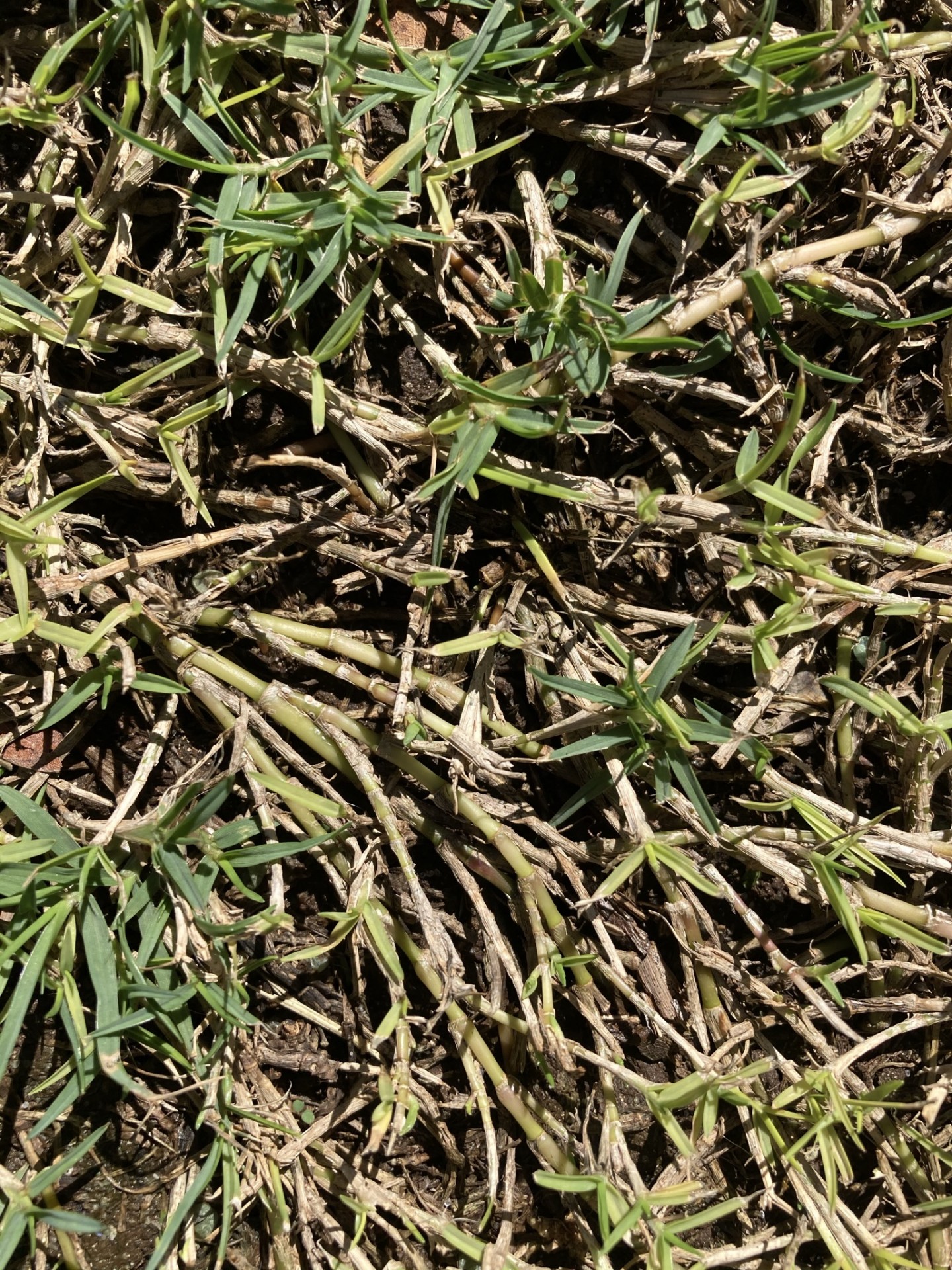
Figure 2. Armyworm feeding damage. Photo credit: Allison Wright, Island Plant Company.
Monitoring:
Landscape professionals utilize the following simple and easy tips to scout for armyworms and other lawn pests.
- Look for bird activity. Birds often migrate to lawns to feed on insect larvae or grubs. If birds are consistently there or concentrate in damaged areas of the lawn this could indicate an armyworm infestation.
- Place a piece of plywood or cardboard with weights on the lawn in an area of grass along the edge or transition zone between healthy and damaged grass for 1-2 hours. Mature armyworms are most active and feed at night or during dark periods. So, these armyworms will think it’s nighttime and crawl out from the soil and thatch, and you will see them.
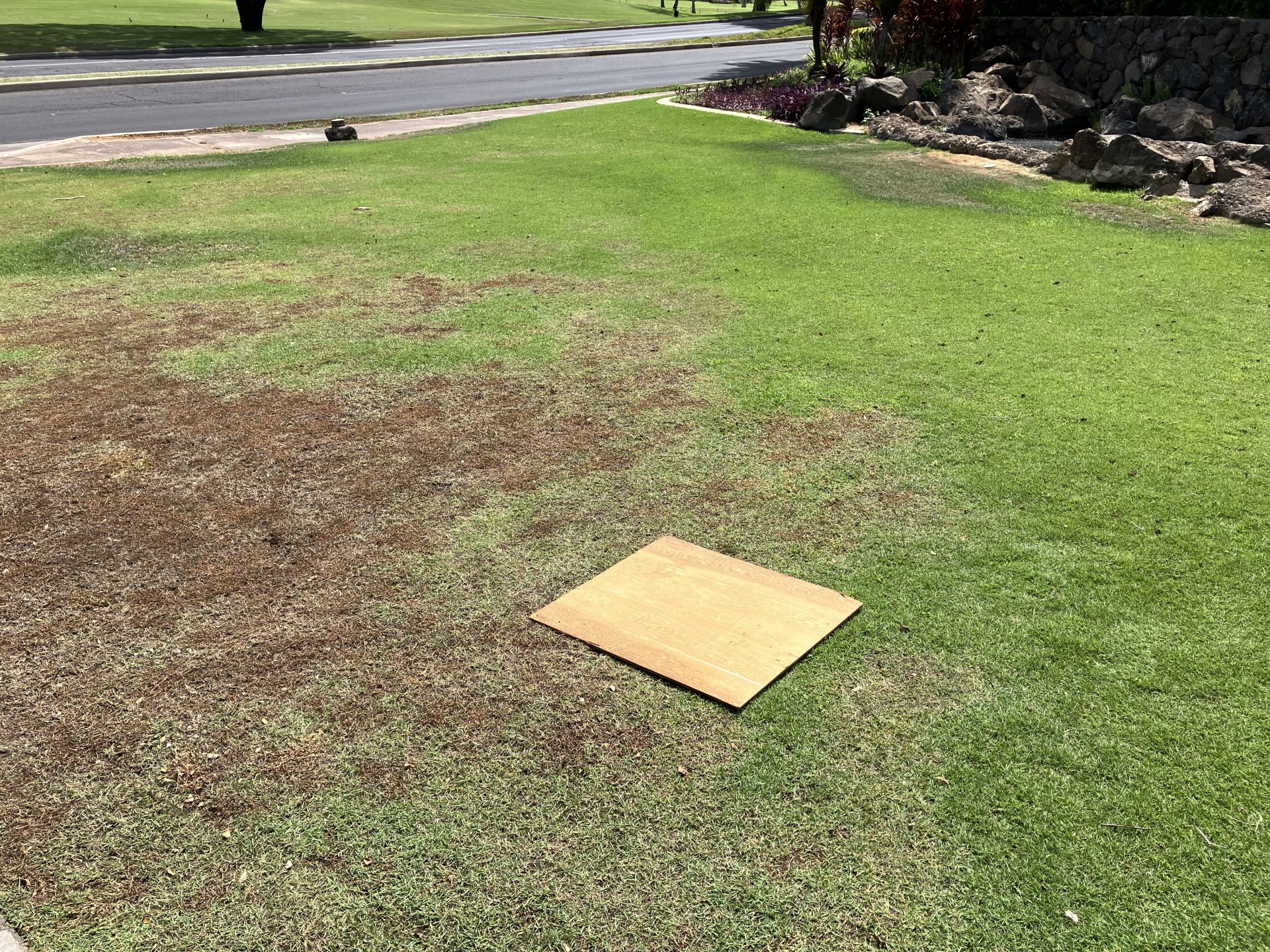
Figure 3. To scout for pests, landscape professionals put a piece of plywood along the edge of damaged turfgrass areas and leave it for 1-2 hours to trick armyworms into thinking it is night. This encourages caterpillars to crawl out from the soil and thatch. Photo credit: Allison Wright, Island Plant Company.
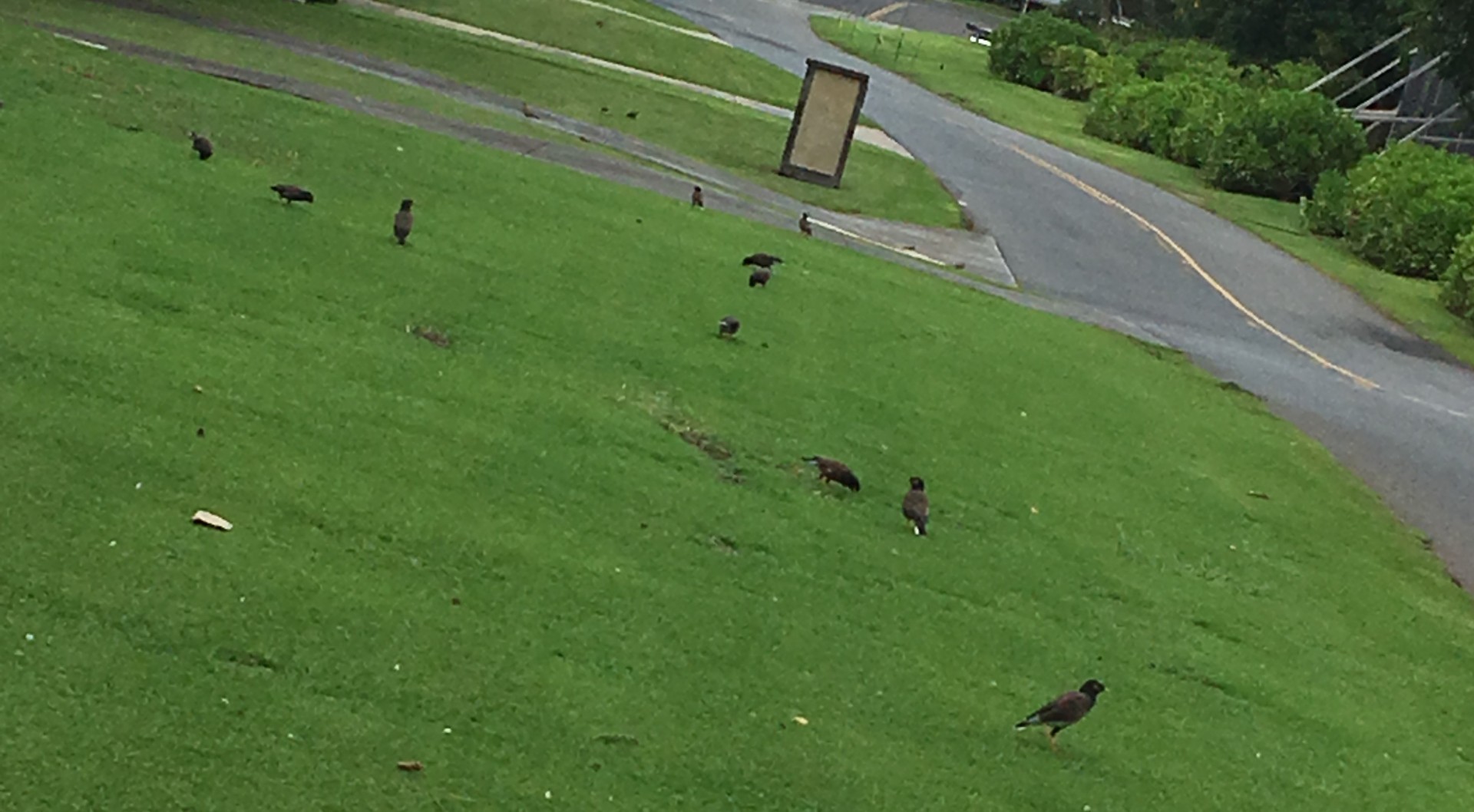
Figure 4. Mynah birds feed on armyworms and/or other turf grass pests. Photo credit: Allison Wright, Island Plant Company.
Identification and Management:
Proper pest identification is the first step prior to management. To accurately identify armyworms and other lawn pests, please refer to this CTAHR Extension publication. In CTAHR's publication “Destructive Turf Caterpillars in Hawaii”, Jay Deputy and Arnold Hara describe several types of “lawn caterpillars” to help landscape professionals better understand the different turf pest species, their life cycles, and their identification. Also included is a list of insecticide’s active ingredients that were effective against caterpillars at the time of the publication (2000).
Because the list of products labeled for control of caterpillars in lawns is extensive and evolving, the following resources may be used to find the trade names and labels of current products in Hawaii. Contact your local distributor to verify what products are available and always read and follow the label to ensure that a product is approved for the application. In response to the needs of the local turfgrass industry, Dr. Zhiqiang Cheng of CTAHR is planning a research project to identify effective control measures (low-risk insecticides and/or biological control) against lawn armyworm in 2024. Research updates on this project will be provided.
List of Databases for Pesticide Information:
Hawaii Department of Agriculture licensed pesticides- refer to this website to find licensed pesticide products in Hawaii.
National Pesticide Information Retrieval System
Always follow the label when using a pesticide. The label is the law. Contact your county extension agent if you need assistance.
Disclaimer: Mention of a trademark or proprietary name does not constitute an endorsement, guarantee, or warranty by the University of Hawaiʻi Cooperative Extension or its employees and does not imply recommendation to the exclusion of other suitable products.
References:
Deputy, J. and A. Hara, 2000. Destructive Turf Caterpillars in Hawaii. University of Hawaii at Manoa. College of Tropical Agriculture and Human Resources (CTAHR). CTAHR Extension Publication IP-5. Available at https://www.ctahr.hawaii.edu/oc/freepubs/pdf/IP-5.pdf
Brennan, B., Swfit, S., and C. Nagamine. 2016. Turf and Ornamental Pest Control A guide for Commercial Pesticide Applicatiors. University of Hawaii at Manoa. College of Tropical Agriculture and Human Resources (CTAHR). Available at Tuf and Ornamental Pest Control (hawaii.edu)
Alberto Ricordi, Department of Tropical Plant and Soil Sciences, Cooperative Extension, Oahu County, CTAHR, University of Hawaii at Manoa. Hannah Lutgen, Extension Faculty, Department of Tropical Plant and Soil Sciences, Maui County Cooperative Extension, University of Hawaii at Manoa CTAHR. Dr. Zhiqiang Cheng, Professor and Extension Specialist, Department of Plant and Environmental Protection Sciences, University of Hawaii at Manoa CTAHR.
Whitcomb Sculpture Dedication at Foster Botanical Garden
By: Dana Anne Yee
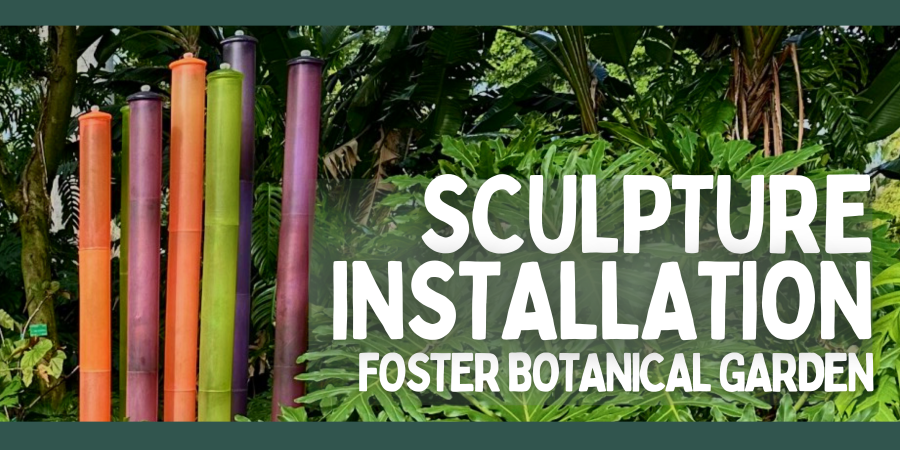
A sudden ray of sunshine illuminated the Whitcomb Glass Sculpture by artist Rick Mills at just the right time for the special dedication at Foster Botanical Garden on January 26, 2024. The day started as a cloudy gloomy day but as I watched the sun just peeking through the clouds, we all moved our way from the upper terrace to the location of the new glass sculpture. The sun came out just in time for the dedication, highlighting the vibrant colors of the glass sculpture entitled Sentience…Once Empty, Twice Full.
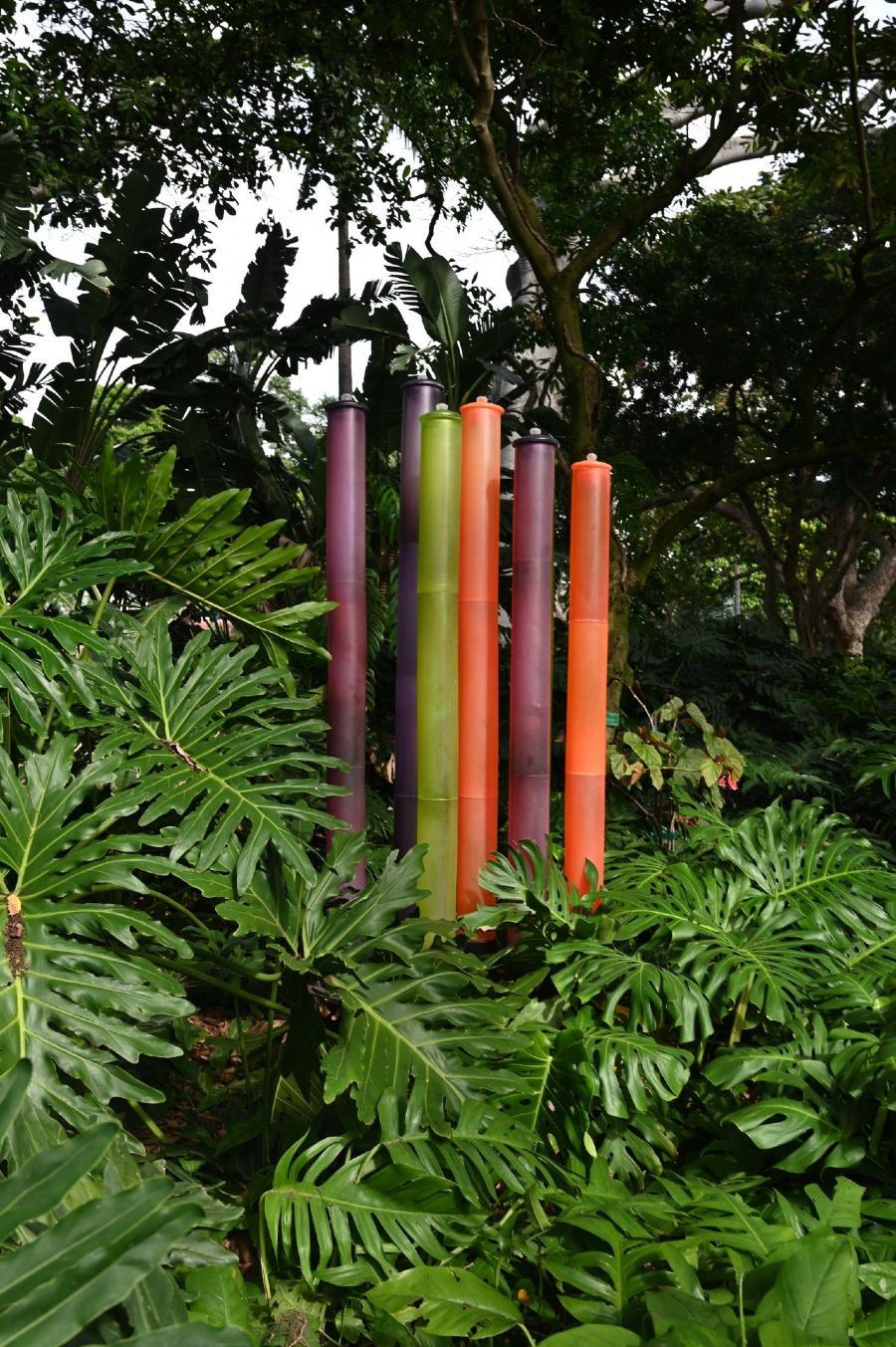
Figure 1. Rick Mills Sculpture at Foster Botanical Garden. Dedication on January 26, 2024. Source: Dana Anne Yee, FASLA
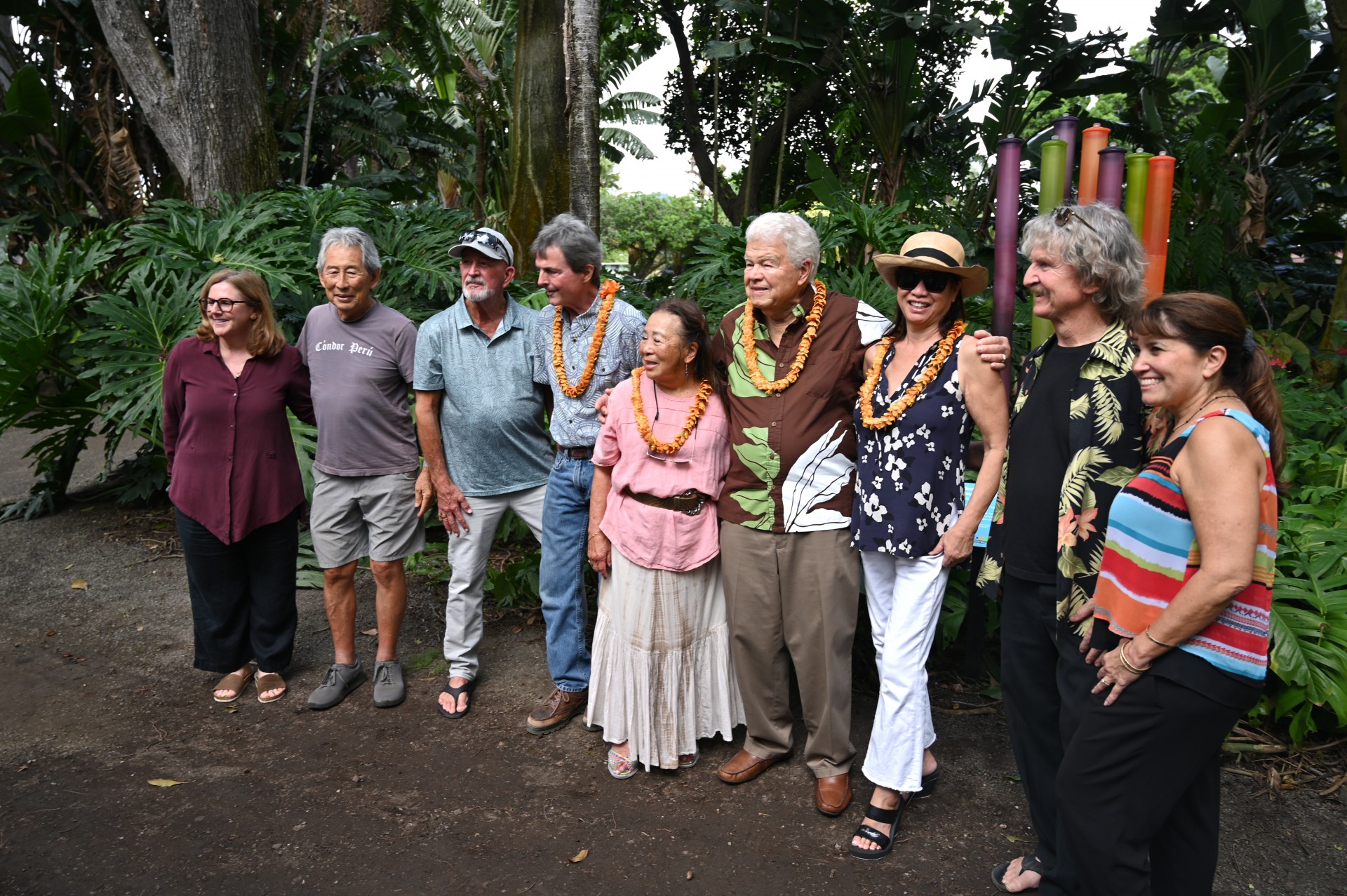
How it all started
Twenty-four years ago, Dr. David Whitcomb and Henrietta Whitcomb hired me to be their landscape architect for their one-acre property on the slopes of Diamond Head. Originally built by famed island architect Vladimir Ossipoff in the 1960s, the house evolved with work by Architects John Hara and Paul Noborikawa. Working continuously for the Whitcombs all year round for over two decades, I originally presented the idea to the Whitcombs that I could help them commission local artists to create sculptures for their gardens and that the gardens can be designed together with the sculptures. Since the year 2000, the Whitcomb’s gardens have been graced with a Rick Mills Glass Sculpture, Sean Browne’s 2-ton granite sculpture made in Japan, and 2 of Satoru Abe’s Tree Sculptures.
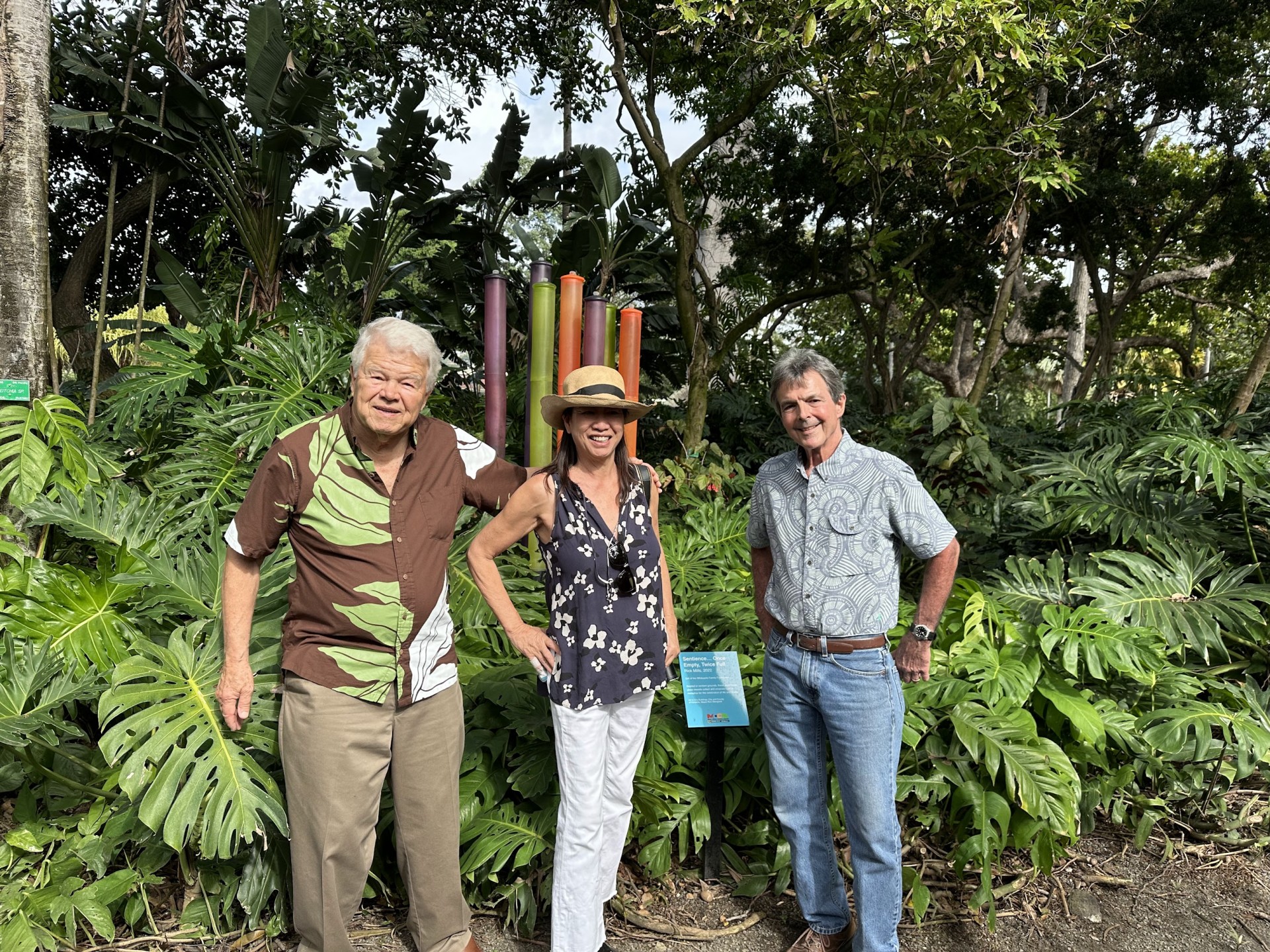
Figure 3. Dr. David Whitcomb, Dana Anne Yee, and Rick Mills at the Foster Botanical Garden Sculpture dedication, 2024.
The Glass Sculpture
Located at the end of the swimming pool is Rick Mill’s colorful glass sculpture that flows water through the bottom over the top rims 24 hours a day. After 20 years and constant sun, the wind and a palm frond had knocked one of the glass pieces down. Wes, the manager of the property, and I happened to be looking at the glue joints of the sculpture. In one swoop one glass piece slid off in our hands. Repairs and cost estimates were gathered, but in the end, it was decided to hire Rick to build a new glass sculpture. The Whitcombs did not need two glass sculptures, so I suggested that we donate the original sculpture. I spent quite a bit of volunteer time to find a home for the glass sculpture, even with the threat of putting a hammer to it. It was costly and the sculpture needed to be repaired, adjustments made, and new glass blown with caps for the tops of each of the glass pieces (since the sculpture will not need to have water flowing through it). And the Whitcombs generously paid Rick for this work. It took some time to find a place to accept a glass sculpture. My call to the Mayor’s Office of the Culture of the Arts led me to Marion Cadora in 2021. The Mayor and the MOCA’s team approved of accepting the gift from the Whitcombs. In early 2022, Marion, Josh, Rick, Kim, and I set out to find just the right location for the sculpture. After a few hours, we found the perfect place at Foster Botanical Garden.
The Dedication
On January 26, 2024, nestled in the terrace gardens popping out from the large green leaves of the Monstera, the Rick Mills glass sculpture's new garden placement became official. An enjoyable afternoon took place. The Whitcombs, their guests (many of them who flew in from the States), staff from the Mayor's Office of Culture and the Arts (MOCA) and the City and County of Honolulu, Rick Mills, and friends gathered to share in this memorable moment.
Speeches were made by Joshlyn Sand, Director of the Botanical Gardens, Dana Anne Yee, Landscape Architect, Rick Mills, Artist, Ka'ili Trask O'Connell, MOCA Executive Director, Marion Cadora, MOCA Curator of Collections & Public Art, and the most memorable speech by Henrietta Whitcomb. Henrietta spoke warmly from her heart to thank everyone. She started her speech about their local art at their residence. “Working with these sculptures over the years to create exactly what we wanted for our house. Thank you so much. I just feel like we have come full circle because I grew up just up the street and my mom would bring me here for picnic lunches when I was a little kid, so it seems so perfect that we are now back here. I just want to thank all of you.”
The Sentience…Once Empty, Twice Full, the Rick Mills glass sculpture now shines brightly in many colors to light up the gardens with a bit of vibrancy.
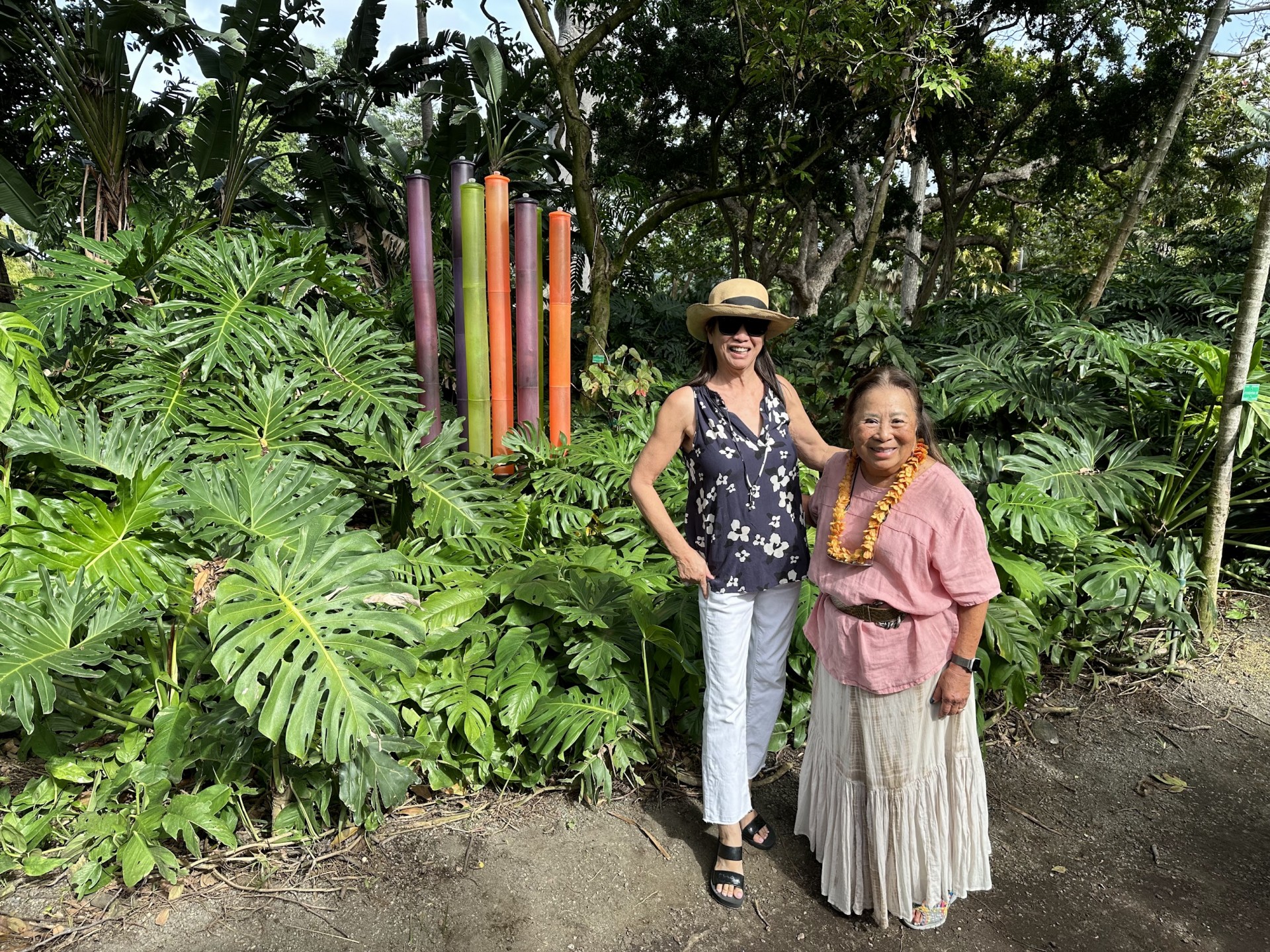
Figure 4. Henrietta Whitcomb and Dana Anne Yee at the Foster Botanical Garden sculpture dedication, 2024. Source: William D. Perreira
Big Mahalos
Thank you to the Whitcombs for their generous donation of their Rick Mills glass sculpture and their gift to repair and modify the sculpture.
Thank you to Mayor Rick Blangiardi, the Mayor’s Office of Culture and the Arts, and Marion Cadora, Curator of Collections & Public Art, for accepting the Whitcomb's sculpture, for the dedication, and for seeing the possibility of placing the Whitcomb's Rick Mills sculpture in a public space. (Foster Botanical Garden, one of my favorite places).
Thank you to Rick Mills for the beautiful colorful sculpture. David, Henrietta, Wes, and I had the chance to see Rick making the sculpture at his University of Hawai'i studio and David and Henrietta were thrilled to select the colors.
Thank you to Joshlyn Sand, Director of City and County of Honolulu Botanical Gardens for her kind ways in helping the installation and dedication to take place.
Thank you to the City and County of Honolulu Foster Botanical Garden staff for your help with the sculpture installation, and dedication and everything you do to make our botanical gardens green and growing.
Dana Anne Yee, FASLA, LEED AP, ISA Certified Arborist, RA, MOCA, City Planner, UH Master Gardener Emeritus, ISA TRAQ, Mayor’s Arborist Advisory Committee, ASLA Hawai`i Trustee from the firm of Dana Anne Yee, Landscape Architect, LLC
Conference News
You are invited to attend this year's conference. Please save the date.
The 2024 Green Industry Conference and Trade Show will be held on Thursday, October 10th at the Ko'olau Ballrooms & Conference Center in Kaneohe.
Registration will open soon. The conference committee is finalizing the programming now. Interested in speaking or have an idea for a topic? Interested partied are invited to complete a speaker application. If you would like information on sponsoring or exhibiting at this event, please contact us at [email protected]
